
Best Affordable Waterproof Boots for 2026: Types Compared and How to Choose
Disclosure: We may earn a commission when you buy through links on this page, at no extra cost to you. As an Amazon Associate I earn from qualifying purchases. Learn more

Compare affordable waterproof boots by type, fit, traction and price range, with clear guidance on sizing, care and which style suits wet weather use.
Wet sidewalks, muddy paths and slushy parking lots punish the wrong footwear. If your feet get soaked early in the day, every step after that feels colder and heavier. The best affordable waterproof boots solve that problem without premium prices, and this guide compares the main types clearly. Use the comparison table below to see how each type trades protection, weight and price.
Start by naming your wettest regular outing. A daily bus commute on cleared pavement needs a different boot than weekend yard work in standing mud. Your answer points to shaft height, lug depth and lining thickness, and the sections that follow match those choices to a sensible budget.
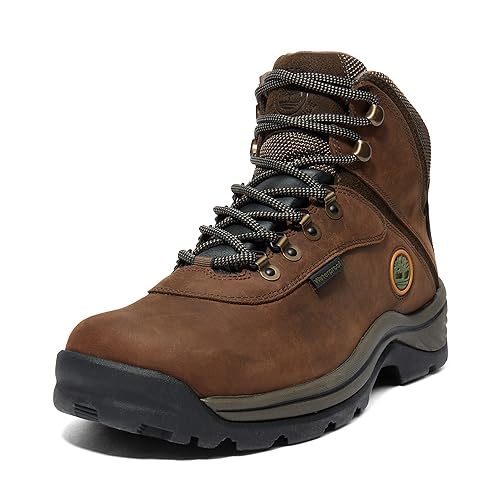


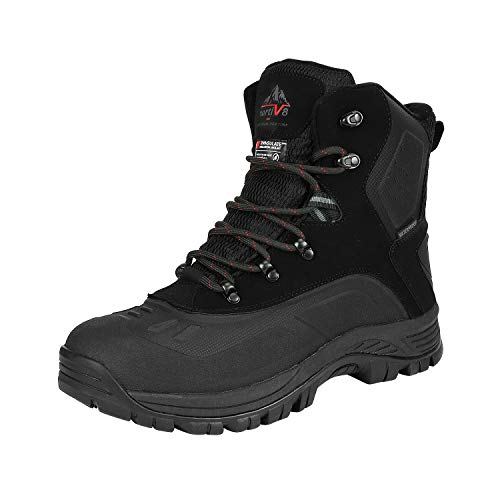

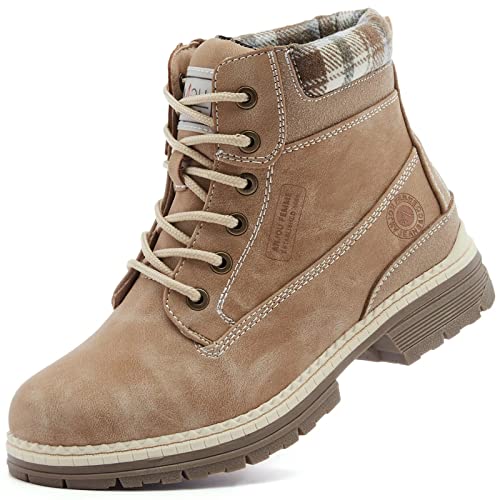
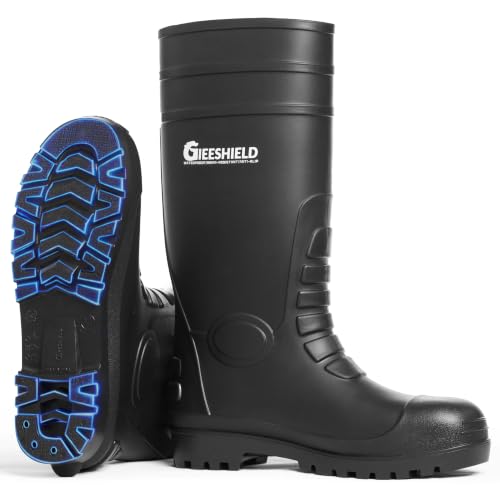

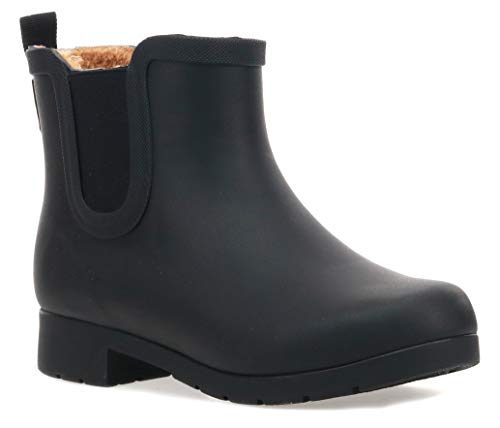

How Waterproof Boots Compare to Other Options
Each option below handles water, support and warmth in a different way, and the honest trade is protection against weight and price.
Waterproof Boots vs Sandals and Recovery Footwear
A waterproof boot seals your foot inside a membrane or treated leather, guards your ankle and grips wet ground with a lugged outsole. Sandals and recovery footwear leave your foot open, so rain and puddles reach your skin at once. Those open styles suit warm weather and resting tired feet at home. Choose boots when you must stay out in rain, cross wet grass or work in mud and still arrive dry.
Waterproof Boots vs Lightweight Shoes
Lightweight shoes feel nimble on dry pavement and often cost less, but low collars let puddle water spill in and thin soles pass stones through to your foot. A boot adds shaft coverage and deeper lugs, at the cost of extra ounces per foot. If your route is short, flat and mostly dry, a light shoe may serve you. If you cross fields, rutted lots or flooded curbs, the boot earns its weight.
Waterproof Boots vs Stability and Support Shoes
Stability shoes guide your foot with firm foam and shaped support for long dry walks. Most still use open mesh uppers that admit water within minutes, and road tread can skate on wet leaves and mud. Boots trade some of that cushioning for a sealed upper and real traction. For strong arch support, look for boots with removable insoles, so an orthotic or thicker support insole can fit inside.
Who Should Choose Waterproof Boots?
Budget boots reward buyers whose wet use is regular and predictable. The groups below gain most from a sealed boot at a modest price.
Commuters Who Walk in Rain Several Days a Week
You need one dependable pair that dries overnight and pairs with work clothes. Choose a mid height shaft in a plain color, a quiet tread that grips wet tile and pavement, and a lining that adds warmth without bulk. One versatile pair you wear often beats two narrow pairs that sit in the closet.
Dog Walkers and Trail Users on Muddy Ground
You step off the path, cross wet grass at dawn and rinse mud off at the door. Choose deeper lugs, a gusseted tongue that keeps grit out and an upper that wipes clean. If most of your miles are on marked trails, see our guide to the best affordable waterproof hiking boots for trail specific fit and lug advice.
Homeowners Handling Wet Yard Work and Winter Errands
You haul soil, clear gutters, shovel light snow and stand in soaked lawns. Choose a taller shaft, a toe cap that shrugs off knocks and room for thick socks. A plain boot you can hose off suits this work best. If your yard work is dry and brief, see our guide to the best affordable boots for simpler styles without a sealed membrane.
How to Choose the Right Waterproof Boot
Price alone cannot tell you which pair will stay dry in month six. The best affordable waterproof boots earn that label by sealing seams well, fitting your foot shape and gripping your usual ground. Judge the five points below in order.
What $60 to $150 Buys in Membranes and Seams
About $60 to $100 usually buys a sound membrane, sealed seams and a basic rubber outsole, enough for rain, wet grass and light snow. Expect simpler linings, modest cushioning and mixed leather and synthetic panels. About $100 to $150 often adds a better membrane, a sturdier shank and longer outsole wear. Do not save on seam sealing or fit to fund looks, because a leak or a blister ends the value of any bargain.
Fit, Sizing, and Toe Box
Measure both feet late in the day, when they are longest, and wear the socks you plan to use outdoors. Your toes need about a thumb width of room in the toe box, because feet swell on long walks and thick socks take space. The heel should sit firm with only slight lift. Many budget lines run narrow, so a half size up is common with winter socks. Fit the larger foot first.
Break In Period and Comfort Out of the Box
Most budget boots feel stiff across the forefoot for the first few outings. Wear a new pair indoors, then on short walks, adding distance only when no hot spot forms. Soft textile models settle within a few walks, while leather uppers may need one to two weeks of regular use. Collar padding and a cushioned insole matter most for comfort. A small heel to toe drop suits most walkers and keeps the stride natural.
Boot Weight and Where the Sole Should Bend
Weight shapes how tired your legs feel by evening. A pair of budget boots often weighs about 2 to 3 pounds, with tall insulated styles at the heavy end. A stiffer shank protects your arch on uneven ground, while flexible forefoot panels help on pavement. Bend the boot in the store: it should flex at the ball of your foot, not fold in the middle. Choose lighter boots for paved routes and sturdier boots for rough ground.
Grip on Wet Pavement, Mud and Grass
Lugs are the tread blocks that bite into soft ground. For mud and wet grass, look for lugs about 4 to 6 mm deep with wide gaps that shed soil instead of packing flat. On wet stone, a softer rubber compound with many small edges grips better than tall lugs. A shaped heel brake also helps you control descents on slick slopes.
Common Mistakes to Avoid
These errors waste money on boots that felt fine in the store.
- Trusting a water resistant label alone leaves you with a boot that wets through at the tongue during the first long rain.
- Trying boots on with thin dress socks makes the same pair feel tight and blister prone once you wear winter socks.
- Choosing a smooth fashion sole for muddy ground makes each step slide and strains your ankles.
- Drying soaked boots against a radiator cracks leather and weakens the glue holding the sole in place.
- Ignoring a small heel rub at home turns it into a blister that sidelines the boots for a week.
Drying, Cleaning and Reproofing Waterproof Boots
Knock dried mud off the outsole and wipe the upper with a damp cloth after muddy use, because grit left in seams grinds at stitching and coatings. Open the laces, pull the tongue forward and let the boots air dry at room temperature away from direct heat. Stuffing the toe with plain paper draws out moisture and helps the boot keep its shape.
When water stops beading on the surface, reapply the treatment the maker recommends for that upper material. Many budget boots use a membrane such as Gore Tex under the outer fabric, and surface care helps that system shed rain before it soaks the outer layer. Store boots upright in a dry place, and rotate two pairs for daily wear so each pair dries fully.
Frequently Asked Questions
Are expensive waterproof boots worth paying more for?
For most buyers, no, not at first. A higher price mainly buys longer membrane life, better leather and a longer warranty. If you face about 100 wet days a year, that durability can lower your cost per season. If your wet use is a few rainy weeks, a budget pair covers the same days for far less.
Do I need waterproof boots for rain and wet ground?
You need waterproof boots if your routes include standing water, wet grass or snow that reaches above the sole. On short paved trips in light drizzle, ordinary shoes may be enough. Judge by curb puddles: if water there regularly tops your shoe sole at crossings, a sealed boot with a shaft above that depth is the safer choice.
How should affordable waterproof boots fit?
Affordable waterproof boots should feel snug at the heel and midfoot, with open room at the toes. Try them on a ramp or a step down if the store allows it, because toes that strike the front on a slope will ache on real descents. Walk for several minutes, not just a few steps, since stiff budget midsoles reveal pressure points slowly.
Can I wear waterproof boots all day?
Yes, you can wear waterproof boots all day if the fit is right and the lining suits the temperature. A sealed membrane also holds in sweat, so feet can feel damp from the inside on warm indoor days. Carry spare socks on long shifts and swap at midday. For mostly indoor work, choose a lighter lined boot over a tall insulated one.
How often should I replace waterproof boots?
Replace waterproof boots when the membrane leaks at the flex point, the lugs wear smooth at the heel, or the upper cracks where it bends. Test a suspect pair at home by standing in shallow water for a few minutes with dry paper inside the toe, then feel for damp spots. Budget pairs worn daily often reach this point sooner than premium pairs.
Wrapping Up
Match shaft height to your water depth, fit the boot with your real socks, and let lug depth follow your ground. Those three checks matter more than brand or color at this price. Use the product table above to compare weight, height and price across types.
Chosen with those checks, the best affordable waterproof boots keep your feet dry through a season of wet commutes, muddy walks and sloppy errands, without draining your budget. Start with the type that fits your wettest week, and let every feature earn its place.


