
Best Affordable Underwater Cameras: What Actually Matters Before You Buy for 2026
Disclosure: We may earn a commission when you buy through links on this page, at no extra cost to you. As an Amazon Associate I earn from qualifying purchases. Learn more

Best affordable underwater cameras for snorkelers and swimmers: what to check on depth rating, sealing, image quality, and battery life.
Shopping for best affordable underwater cameras can feel confusing because prices vary widely and spec sheets often hide the details that matter most in the water. This guide walks through a simple checklist so you can compare depth ratings, sealing, image quality, and battery life before spending money. Use the product table to narrow your options, then check each candidate against the factors in this guide.
An affordable underwater camera is a complete camera built to survive immersion, not a standard camera in a pouch. That distinction matters because seals, buttons, and lens coatings all behave differently under water pressure and in salt water. The right choice depends on how deep you plan to go, how often you will use the camera in water, and whether you mostly shoot stills, video, or a mix of both.




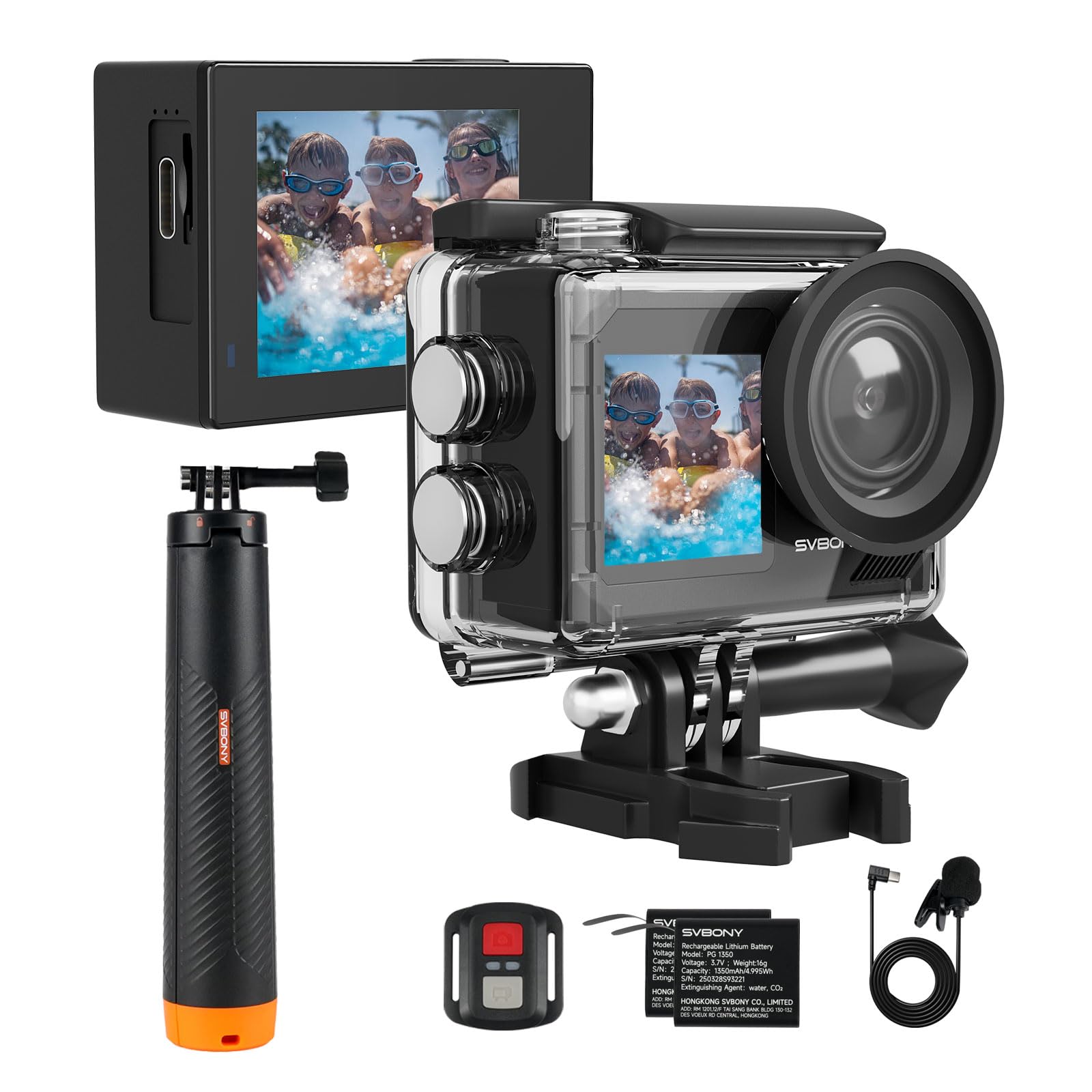

Buyer Criteria for Affordable Underwater Cameras
Use the criteria in this section as a checklist rather than a scorecard. No single spec tells the whole story, and a camera that looks strong on paper can disappoint if its seals are awkward to maintain or its battery fades quickly on a long beach day. Work through each factor in order and note where each candidate is strong or weak.
What You Can Realistically Get on a Budget
At a budget price, expect a compact sensor, a fixed or modest zoom lens, and a depth rating suited to snorkeling and shallow swimming rather than deep diving. Expect solid daylight photos and usable video, but do not expect the low light performance or fast autofocus of a much more expensive camera. Spend your money on reliable sealing and a clear, bright screen first, since those affect every shot you take in the water. You can usually find a capable option for about $80 to $400, with simpler models under that range and tougher, more capable models above it.
Sensor Size and Image Quality
Sensor size affects image quality more than megapixel count alone, so compare sensors before chasing the highest number on the box. A larger sensor generally gathers more light and produces cleaner images in shade, at dusk, or under water where light fades fast. Megapixel count still matters for cropping, but a crowded small sensor can produce noisy images that look worse than a lower resolution shot from a larger sensor. Look for sample images taken in similar water conditions to your own plans, and pay attention to color accuracy, since water absorbs reds and warm tones quickly with depth.
Durability and Sealing
Sealing is the single most important durability factor for any camera that will go under water. Check the depth rating, which states the maximum depth the maker rates the camera for, and treat that number as a limit, not a target. Inspect how the battery door and port covers close, since a seal that is easy to close correctly is less likely to leak than a fiddly one.
Rinse the camera in fresh water after salt water use, dry the seals before opening any door, and check the rubber gaskets for sand, hair, or cracks. A camera with replaceable gaskets and a clear maintenance routine will usually last longer than one with hidden or fragile seals.
Lens and Zoom Range
For underwater shooting, a wide to moderate zoom range is usually more useful than a very long zoom. Water reduces visibility and contrast, so subjects are often close, and a wide view helps you include a reef, a swimmer, or a school of fish in one frame. Optical zoom uses the lens itself to magnify the image, while digital zoom simply crops it, so compare optical zoom figures and ignore inflated digital zoom claims. A bright maximum aperture, written as a low f number, helps in dim water, and a close focusing distance lets you shoot small subjects like shells and coral details without disturbing them.
Low Light Performance
Light drops quickly under water, so low light ability deserves special attention even for a budget camera. A larger sensor and a brighter lens help more than a high maximum ISO number on its own, since very high ISO settings can add visible noise. Look for usable image stabilization, which reduces blur from hand movement and gentle currents, and check whether the camera offers a dedicated underwater white balance mode.
That mode compensates for the blue green cast of water and can make a bigger visible difference than a small bump in resolution. If you plan to shoot in murky water or at depth, treat low light performance as a priority, not a bonus.
Battery Life and Charging
Battery life is easy to overlook until a camera dies halfway through a snorkeling trip. Compare the rated number of shots per charge, but remember that cold water, video recording, and frequent screen use all drain power faster than the rating suggests. A camera that charges over USB C is convenient for travel, since you can top it up from a power bank or a laptop between outings. Carrying a spare battery is a practical habit for full day trips, and it costs far less than missing the best part of a dive because the camera shut down.
Spending Levels for the Best Affordable Underwater Cameras
Rather than naming individual products, think in spending bands and match each band to how often you will actually use the camera in water. The cheapest band suits occasional use, the middle band suits regular swimmers and snorkelers, and the higher band suits people who shoot in water often and want stronger sealing and better low light results.
Everyday Value for Occasional Swims
This band covers simple, rugged compacts for pool days, beach trips, and the occasional snorkel. Expect a modest depth rating, straightforward controls, and daylight image quality that is good enough for sharing online. Check the seal design carefully at this level, since build quality varies more here than at higher prices. If you only enter the water a few times a year, this band usually offers the best balance of cost and capability.
Steady Mid Budget for Regular Snorkelers
The middle band adds a better sensor, a brighter lens, or a deeper depth rating, and often improves screen visibility in bright sun. These cameras suit people who snorkel or swim several times a month and want more consistent results in varied light. Look for faster autofocus and better stabilization here, since moving subjects and gentle currents make both more valuable. This band is also where spare batteries, float straps, and lens care accessories start to feel worth the extra cost.
Stretch Budget for Frequent Water Use
At the higher end of the affordable range, you pay for stronger sealing, better low light performance, and more refined controls that work well with wet hands. These cameras suit frequent snorkelers, surfers, and travelers who shoot in water on most trips. Before stretching your budget, confirm that the extra depth rating and image quality match your real plans, since a deeper rating you never use is money spent on a spec you do not need.
Quick Buyer Checklist
Run through these questions before you buy. A yes to most of them means the camera fits your plans.
- Is the depth rating deeper than the deepest water you realistically plan to enter?
- Can you open and close the battery door and seals easily, even with wet hands?
- Does the screen stay readable in bright sunlight?
- Is the sensor large enough for the low light conditions you expect?
- Does the zoom range suit close subjects rather than distant ones?
- Can you charge the camera over USB C or carry a spare battery?
- Are replacement gaskets or seals available if one wears out?
- Does the camera offer an underwater white balance mode?
Red Flags to Watch For
Watch for vague depth claims that do not state a clear depth rating or rating standard, since a camera described only as splash resistant is not an underwater camera. Be cautious about listings that hide the sensor size or quote only digital zoom, because both omissions usually mask weak specs. Very short warranties, missing maker support, or no guidance on seal care are also warning signs. Finally, treat unusually glowing or oddly worded user comments with skepticism and rely on the spec sheet and the seal design instead.
How to Make Your Underwater Camera Last Longer
Good care habits protect seals and optics far more than any single feature. Follow the habits below after every water outing.
- Use a lens cloth, not your shirt, to clean the lens, since fabric can trap sand and scratch coatings.
- Carry a spare battery so a long day in the water does not end early, and store batteries away from heat.
- Store the camera in a dry, padded bag, and keep it out of direct sun between uses.
- Rinse the camera in fresh water after salt water use, then dry it fully before opening any door.
- Check seals for sand, hair, and cracks before each swim, and replace worn gaskets promptly.
Underwater Cameras: Your Questions Answered
What specs matter most for beginners?
Depth rating, seal design, and screen visibility matter most for beginners, followed by sensor size and stabilization. A clear depth rating tells you where the camera is meant to be used, and a seal that closes with a firm, obvious click reduces the chance of a leak. Screen visibility matters because composing shots in bright sun is hard on a dim display, and sensor size and stabilization affect image quality in real water conditions more than megapixel count alone.
Is a smartphone enough instead?
A smartphone in a waterproof pouch can work for occasional shallow shots, but it is not the same as a dedicated underwater camera. Pouches can fog, touchscreens respond poorly through plastic, and a leak risks an expensive phone rather than a camera built for immersion. A dedicated camera offers real buttons, a sealed body, and controls designed for wet hands, which makes shooting faster and less stressful. If you only take a few photos a year in shallow water, a pouch may suffice, but regular water shooters usually prefer a dedicated camera.
How much should I spend on my first one?
Most first time buyers do well with a budget of about $80 to $400, which covers capable compacts with honest depth ratings and usable image quality. Below that range, check seal quality and screen brightness carefully, since corners are often cut there. Above that range, you gain better low light results and stronger sealing, which matter most if you snorkel often or shoot in murky water. Match the budget to your frequency of use, and reserve part of it for a float strap and a spare battery.
What does a depth rating actually mean?
A depth rating states the maximum depth the maker rates the camera for under controlled conditions, and it should be treated as a limit rather than a goal. Ratings assume intact seals, correct closure, and normal water temperatures, so damage, sand, or a poorly seated gasket can reduce real world reliability. Choose a rating comfortably deeper than your planned swimming or snorkeling depth, and never exceed it on purpose. If a camera has been dropped, flooded, or left with a damaged seal, have it checked before trusting the rating again.
Which camera handles low light better?
The camera with the larger sensor and brighter lens usually handles low light better, even if its megapixel count is lower. Check sample images taken in shade or at depth rather than bright pool photos, since those reveal noise and color problems more honestly. Image stabilization helps by reducing blur, and an underwater white balance mode improves color without extra gear. For more detail on related options, see our guide to best underwater cameras, and compare sensor and lens specs side by side before deciding.
Final Thoughts
Start with sealing and depth rating, then weigh sensor size, low light ability, and battery life against how often you will actually shoot in water. A modest camera with honest specs and careful seal maintenance will serve most swimmers and snorkelers better than an ambitious model with vague claims. Review the product table once more, run through the quick checklist, and choose the option that fits your water habits and budget. With the right preparation, best affordable underwater cameras can deliver bright, memorable shots without a premium price.
If you want a broader starting point, see our guide to best cameras affordable for general budget options, our guide to best affordable digital cameras for everyday shooting, and our guide to best digital cameras for the wider market. For photography focused choices, see our guide to best affordable photography cameras.


