Best Affordable Thermostat by Budget: A Practical Guide for 2026
Disclosure: We may earn a commission when you buy through links on this page, at no extra cost to you. As an Amazon Associate I earn from qualifying purchases. Learn more
Compare the best affordable thermostat at every price point. Learn what you get at budget, midrange, and premium levels and where spending more pays off.
Thermostats range from simple dials that cost very little to smart models that cost as much as a small appliance, and the price gap is not always obvious in daily use. What matters is whether the thermostat matches your heating and cooling system, your wiring, and the way your household actually lives. This guide sorts the best affordable thermostat options by budget, so you can see what each tier really buys. Start with the comparison table below, then check compatibility before anything else.
One warning belongs at the top. A cheap thermostat that does not support your system type, your heat stages, or your wiring can cost far more in return shipping and service calls than it saves. Compatibility comes first, features come second, and price comes third.



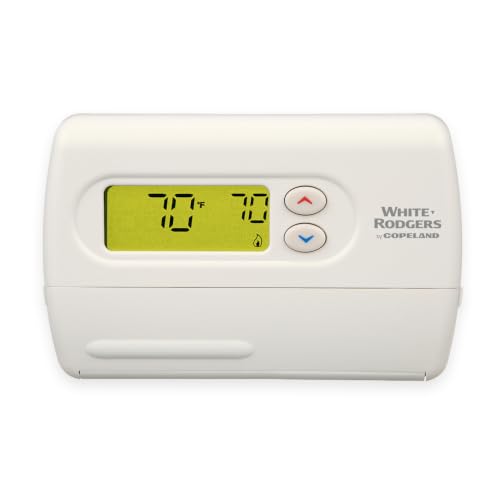

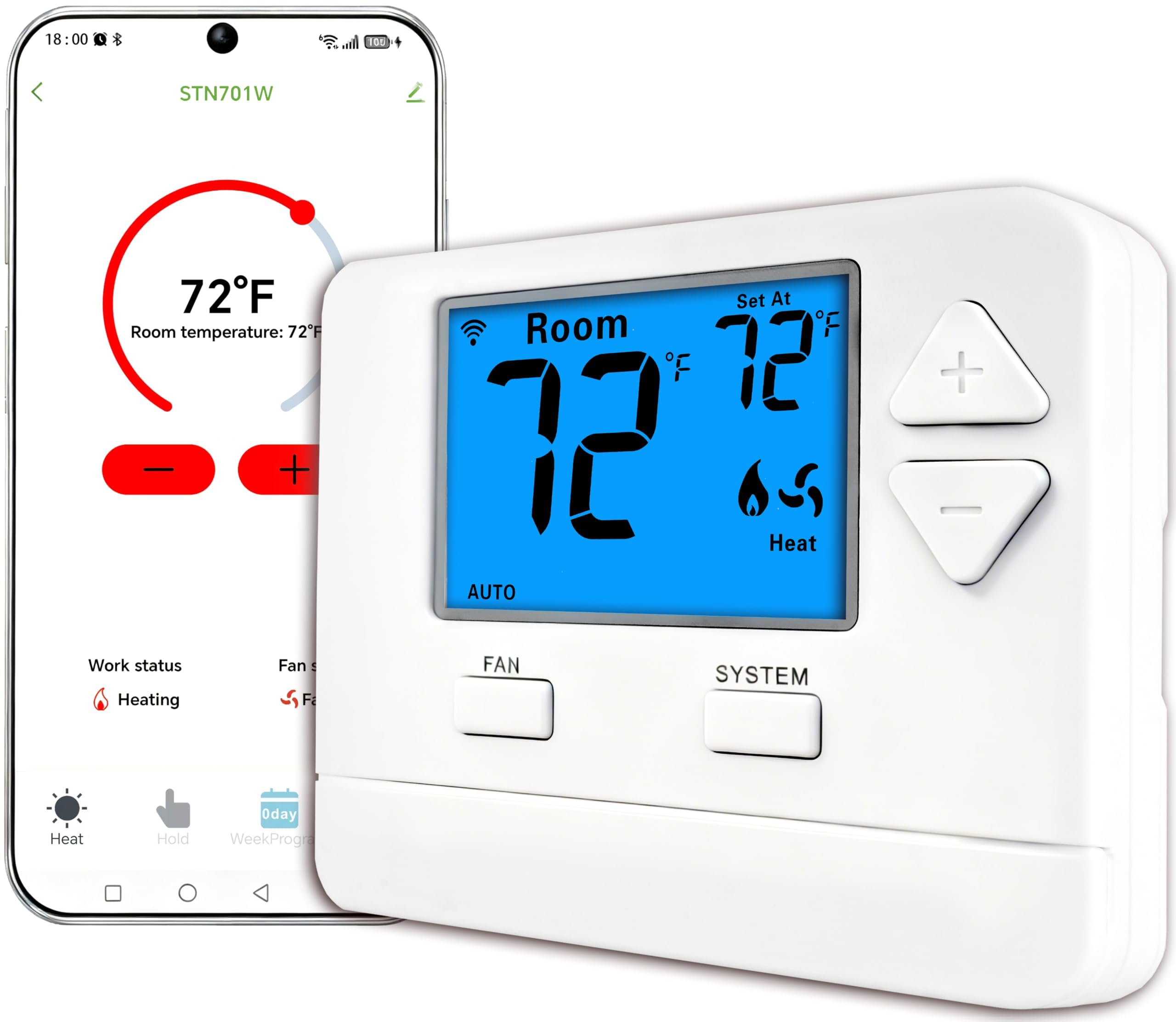

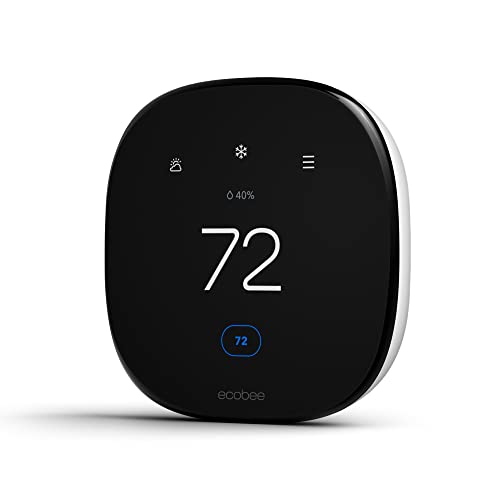
Budget Tiers at a Glance
Instead of naming specific models, this section describes what each budget level should deliver. Use it as a checklist when you read any listing, because a model that misses its tier basics is poor value at any price.
Best Budget Tier
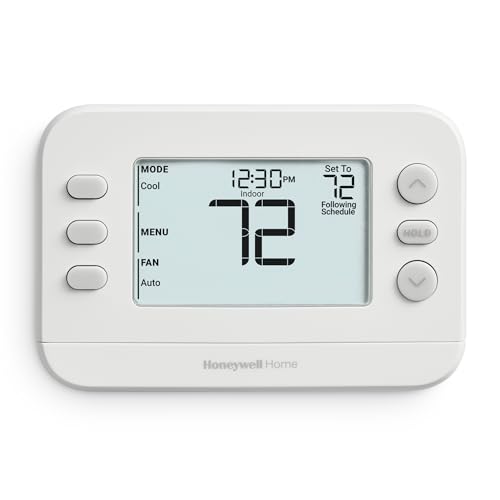
For around $25 to $60, expect a basic programmable thermostat or a simple smart model on sale. The right buyer is a renter, a landlord, or anyone replacing a broken unit in a simple single stage system. Strengths at this tier are clear scheduling, a readable display, and hold and override controls that guests and family can understand without a manual. The main limit is support, because advanced systems such as heat pumps with auxiliary heat, dual fuel setups, and multizone homes often need a higher tier model with the right terminals and settings.
Best Midrange Tier
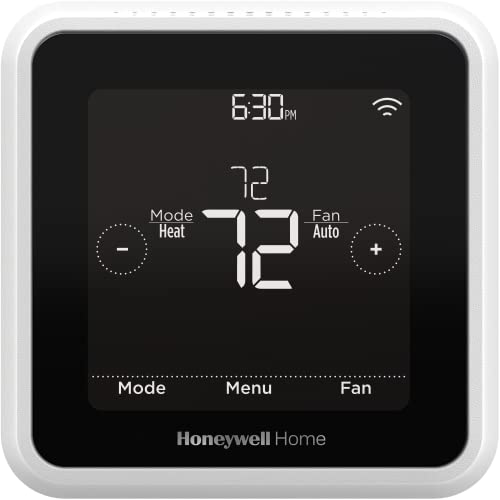
For around $60 to $150, expect dependable WiFi control, app based scheduling, and better compatibility with heat pumps and multistage systems. This tier suits most homeowners who want lower bills without turning the house into a project. You should get usage reports, vacation modes, and alerts for extreme indoor temperatures. The limit to know is that some features depend on a common wire, often called a C wire, for steady power. If your home lacks one, budget for an adapter kit or choose a model designed to work without it.
Best Premium Tier
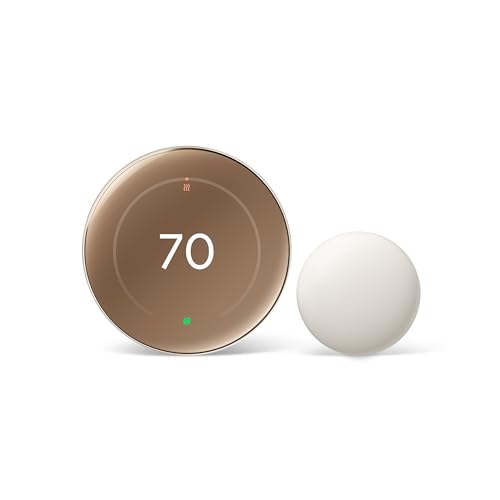
For around $150 to $250, expect remote room sensors, learning schedules, and polished apps with detailed energy history. This tier fits larger homes where one hallway reading does not reflect the bedrooms, and households that value comfort tuning. Geofencing can ease the system back when the house empties and restore comfort before you return. The honest limit is value, because the hardware cannot fix poor insulation, leaky ducts, or an aging furnace. Buy premium for control and comfort insight, not for miracle savings.
What Your Money Gets You at Each Price Tier
Budget Tier: What to Expect
Budget models cover the core job well. They hold a set temperature, run a weekly schedule, and switch between heating and cooling on simple systems. Displays are smaller, setup menus are plainer, and there may be no app at all. That is fine for a guest house, a rental, or a single room system. Check the basics hard at this tier, including battery or wire power, a clear manual, and a warranty of at least one year. If you want app control at the lowest sensible cost, our guide to the best affordable wifi thermostat focuses on that single feature.
Midrange Tier: The Sweet Spot for Most Buyers
Midrange is where most households should shop. You gain WiFi, voice assistant support in many models, energy reports, and wider system compatibility, and the setup apps usually walk you through wiring photos and terminal checks. Schedules become flexible, with different plans for workdays and weekends and easy temporary holds. This tier also tends to get longer software support, which matters because a thermostat should stay in service for a decade. Readers who want smart features above all can compare this tier with our guide to the best affordable smart thermostat options and feature sets.
Premium Tier: When Spending More Pays Off
Premium money pays off in three situations. First, uneven homes, where remote sensors stop one cold bedroom from being ignored. Second, complex systems, where advanced staging and heat pump controls protect comfort and equipment. Third, data driven households that will actually read energy reports and adjust habits. If none of those describes you, premium features will sit unused. Spend the difference on insulation, duct sealing, or a service visit instead, because those often save more energy than any thermostat upgrade.
Features Worth Paying For (and Ones to Skip)
Noise Level (dB) and Sleep Mode
A thermostat itself is nearly silent apart from a faint relay click, so noise questions really concern the system it controls. A good model avoids short cycling, where the furnace or air conditioner starts and stops every few minutes, because that cycling is noisy and wears equipment. Sleep friendly scheduling also matters, since a small overnight setback keeps bedrooms comfortable without the system roaring to life at dawn. If a bedroom unit or fan seems loud, the cause is usually airflow or equipment, not the wall control.
Room Size and Coverage
One thermostat controls one zone, no matter how smart it is. Coverage questions are really about home layout, system capacity in BTU terms, and zoning. A single thermostat in a hallway can serve a compact, open plan home well. A two story or sprawling home may need zoned control or at least a remote sensor in the main bedroom. Square feet alone do not decide this, because insulation, ceiling height, and sun exposure change heating and cooling loads a lot. If rooms differ by more than a few degrees, ask an HVAC professional about zoning before buying premium electronics.
What You Can Realistically Get on a Budget
Around $50 can buy accurate control and a solid weekly schedule, which covers most of the savings a thermostat can deliver. What you give up is app polish, remote sensors, and broad compatibility. Do not economize on compatibility or on a clear display you can read without glasses, because you will interact with both for years. A useful know how check is to photograph your current wiring before you shop, then match terminal letters against the new model manual online. That ten minute step prevents most returns.
Filter Type and Replacement Cost
Thermostats do not use filters, but your heating and cooling system does, and the two work as a pair. Many smart and midrange models track run time and remind you when the system filter is due, which protects airflow and efficiency. Filters cost roughly around $10 to $30 each depending on size and rating, and most homes need a change every 1 to 3 months. A clogged filter makes any thermostat look bad, because the system runs longer and rooms drift off target. Set the reminder when you install the thermostat, not later.
Long Term Costs to Factor In
The purchase price is only the start. Add possible extras such as a C wire adapter, a trim plate to cover old paint lines, or a professional install if wiring looks damaged or unclear. Electricity use by the thermostat itself is tiny, but the system it controls is one of the largest energy costs in the home, so scheduling habits matter far more than device draw. Warranty length and software support decide whether the unit lasts a decade or becomes obsolete early. If you are comparing overall quality ratings across brands, our guide to the best rated thermostat models explains what rating systems do and do not tell you.
FAQs
Do thermostats really work?
Yes, a thermostat works by reading indoor temperature and switching your heating or cooling on and off to hold the setting you choose. A programmable or smart model adds timing, so the house is comfortable when you are home and economical when you are not. It cannot repair a failing furnace or fix leaky ducts. If temperatures swing wildly or the system runs nonstop, the thermostat is reporting a problem, not causing it, and a service visit is the right next step.
Is it expensive to run 24/7?
The thermostat itself uses very little power, so running it around the clock costs almost nothing. The real cost is the heating and cooling system it commands. Holding one temperature all day and night usually costs more than using setbacks while you sleep or are away. Modern systems handle setbacks well, though heat pumps may need smaller setbacks or smart recovery settings. Check your utility bill after one full month on a new schedule to see the true effect.
How often should I replace the filter?
Replace the system filter every 1 to 3 months in most homes, and monthly if you have pets, allergies, or nearby construction dust. This filter belongs to the furnace or air handler, not the thermostat, but many thermostats can remind you based on run hours. A clean filter protects the equipment and keeps airflow strong. Write the install date on the filter frame with a marker, a simple habit that removes all guesswork at change time.
Where is the best place to put it?
Put the thermostat on an interior wall, about 5 feet from the floor, in a room you use often. Keep it away from direct sun, exterior doors, supply vents, kitchens, and lamps, because false readings make the whole house uncomfortable. Never place it in a hallway that stays cold while bedrooms overheat if a sensor or a better location is possible. If you are only replacing an existing unit, the current spot is usually acceptable unless you already know it reads poorly.
What size do I need for my room?
Thermostats are not sized by room the way heaters and air conditioners are. One standard thermostat controls one zone of any size, as long as it matches your system type, stages, and wiring. Sizing questions belong to the equipment itself, which is rated in BTU for the space it serves. If one room is always off temperature, the fix is airflow balancing, a remote sensor, or zoning, not a bigger thermostat. Our guide to the best intelligent thermostat covers sensor based control in more depth.
Wrapping Up
Check compatibility first, choose your tier second, and pay for sensors or learning features only when your home layout justifies them. Photograph your wiring, confirm C wire needs, and keep the system filter fresh, and even a modest model will serve you well for years. Safety note: switch off power at the breaker before touching wiring, and hire a licensed technician if anything looks damaged or unclear. Now compare your shortlist in the product table above and pick the best affordable thermostat tier that fits your system and your household routine.