Best Programmable Thermostat: A Complete Buying Guide
Disclosure: We may earn a commission when you buy through links on this page, at no extra cost to you. As an Amazon Associate I earn from qualifying purchases. Learn more
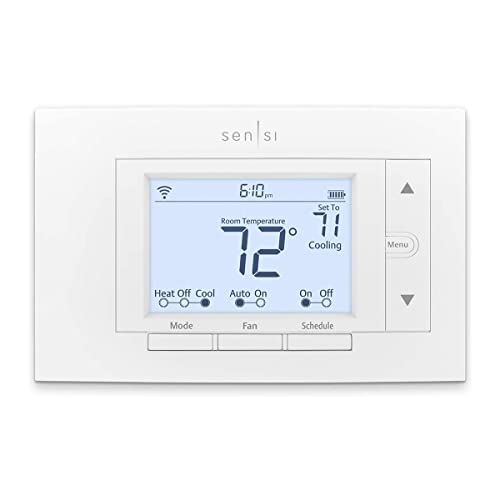
Turning the dial up and down every time you leave the house or go to bed gets old fast, and it wastes money along the way. A best programmable thermostat search usually starts with exactly that frustration: you want a set-it-and-forget-it schedule without paying for an app-connected smart model or handing your HVAC system over to wifi. This guide walks through the schedule types available, how to check whether your system is even compatible, and how much you can realistically expect to save once it's set up correctly. By the end, you'll know exactly what to look for before you buy.

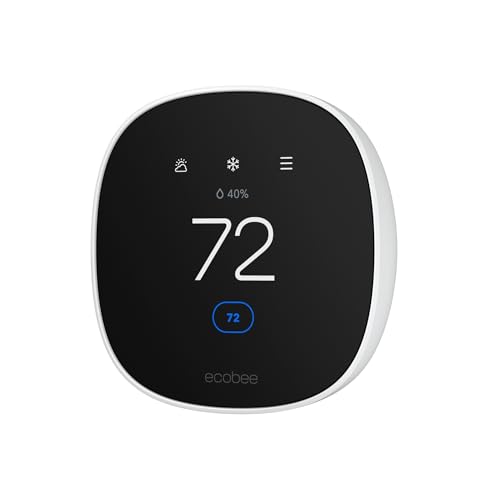
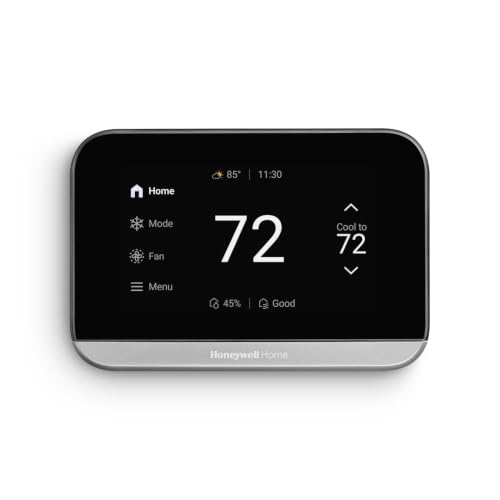


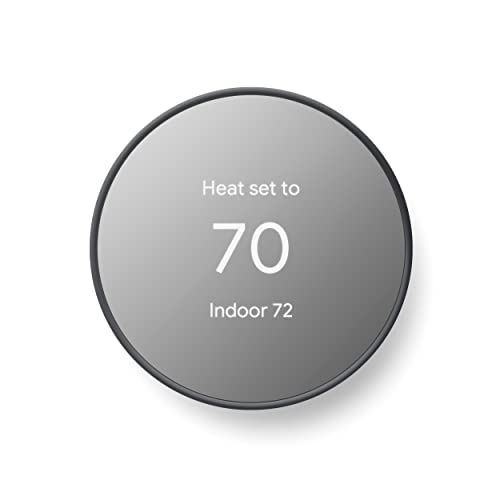
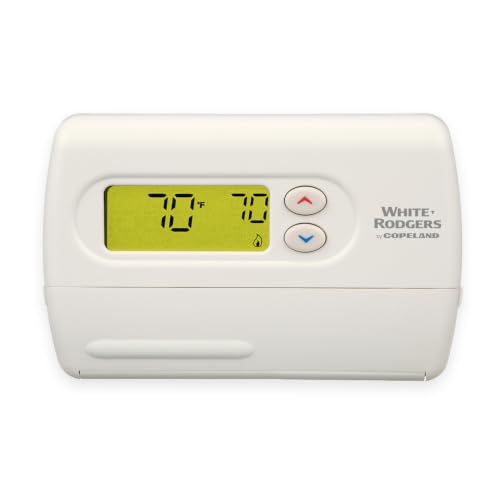
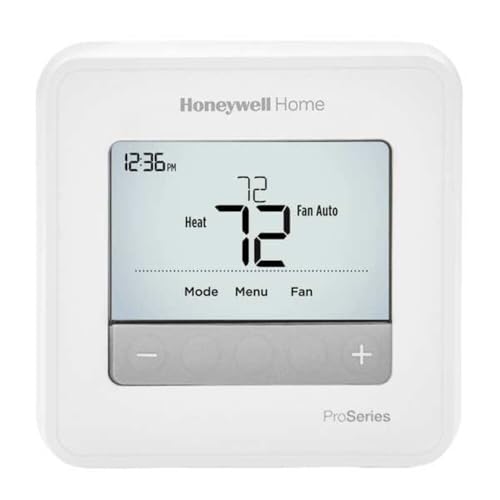
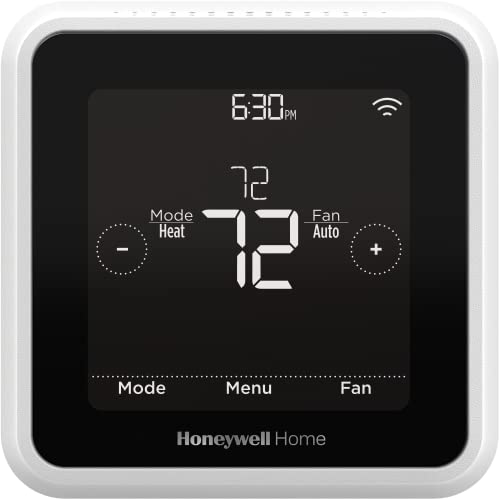


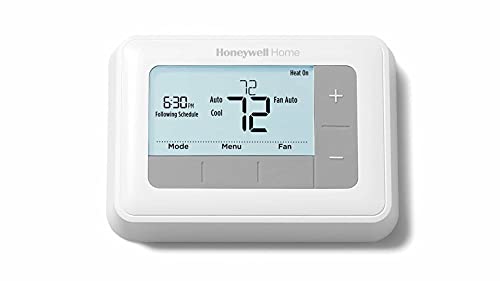
7-Day, 5-2, or 5-1-1: Picking the Right Schedule Type
Before comparing features like screen size or button layout, the schedule type is the decision that actually shapes how well a thermostat fits your routine. Every programmable model falls into one of three categories, and picking the wrong one means fighting the schedule instead of using it.
7-Day Programming
A 7-day programmable thermostat lets you set a completely different schedule for every single day of the week. That flexibility matters most for households with irregular routines, rotating shift work, or a mix of work-from-home and in-office days. It's the most capable option, though it also takes the longest to program the first time.
5-2 Day Programming
This type gives you one schedule for Monday through Friday and a separate one for Saturday and Sunday combined. It works well for anyone with a predictable weekday routine and a looser weekend pattern, and it's noticeably faster to set up than a full 7-day model since you're only building two schedules instead of seven.
5-1-1 Day Programming
A middle ground between the two: one weekday schedule, plus separate schedules for Saturday and Sunday individually. This suits households where the weekend days genuinely differ from each other, say, errands on Saturday and a quiet day at home on Sunday, without needing full 7-day flexibility.
If your routine barely changes day to day, a simpler single fixed-schedule model can also work and tends to cost less. The more variable your week is, the more scheduling flexibility pays off, which is exactly why schedule type is the first thing worth narrowing down when you're comparing best programmable thermostat options for your household.
Checking Wiring and System Compatibility Before You Buy
This is the step that causes the most returns, and it's worth doing before you fall in love with a particular model. A thermostat that looks perfect on paper is useless if it doesn't match the wiring or the heating and cooling equipment already in your home.
Do You Have a C-Wire?
The common wire, usually labeled C, supplies continuous low-voltage power to a thermostat. Many programmable models are designed to run on batteries instead, so a missing C-wire isn't automatically a dealbreaker, but battery-powered units need regular battery checks to avoid losing their schedule. If you're unsure, pull the thermostat off the wall and count the wires connected to it before you shop, or look for a model explicitly rated to work without one.
Matching It to Your Heating and Cooling System
Single-stage systems, the most common setup in older homes, work with almost any programmable thermostat. Multi-stage systems and heat pumps are more particular. Heat pumps in particular rely on additional terminals, often labeled O and B, to control the reversing valve, and many also use auxiliary or emergency heat that a basic single-stage thermostat can't manage correctly. A home built around a standard electric furnace generally has simpler wiring needs than a heat pump system, so it's worth confirming which type of equipment you actually have before comparing models. Most manufacturers publish a compatibility checklist by wire terminal and system type, and running through it takes a few minutes but saves a return trip to the store.
How Much You Can Actually Save, and How to Set It Up So You Do
The Department of Energy estimates roughly 1% in savings for every degree you set back your thermostat for eight hours or more, with a 7 to 10 degree setback during work hours or overnight sleep considered a reasonable target without sacrificing comfort. Applied consistently, that adds up to somewhere around 10% off a typical heating and cooling bill over the course of a year.
The catch is that the savings only show up if the schedule actually runs. Research on programmable thermostats has found that a large share of owners never use the scheduling features at all, either because the menus are confusing or because they override the temperature manually so often that the program stops mattering. A few habits make the difference: build the schedule around when the house is genuinely empty or everyone is asleep, rather than an idealized routine you don't actually follow, and use the temporary hold function for one-off changes instead of reprogramming the whole week. Pairing a working schedule with other simple energy-saving habits around the house tends to compound the savings rather than replace them.
Programmable Thermostat vs. Smart Thermostat: Do You Actually Need Wifi?
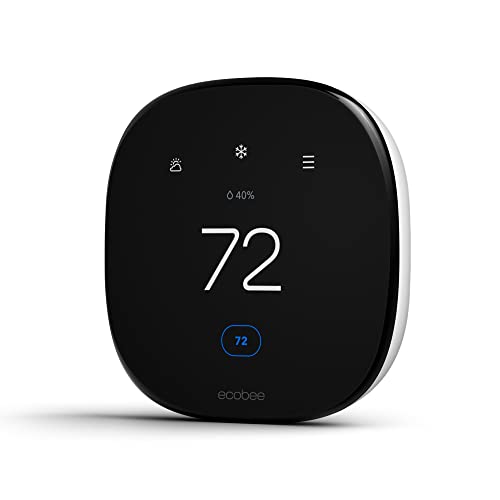
These two categories get lumped together constantly, but they work differently. A programmable thermostat stores its schedule locally and is controlled entirely with the buttons or touchscreen on the wall unit. There's no app, no wifi connection, and no remote access, which also means no ongoing dependency on your home network or a manufacturer's servers staying online. A smart thermostat adds app control, remote adjustments from your phone, and often a learning algorithm or geofencing that adjusts the temperature based on whether anyone's home, features that come with a meaningfully higher price tag.
If you want a reliable, fixed schedule and prefer not to depend on wifi or an app, a standard programmable model does the job without the extra cost. If you want to change the temperature remotely, tie the thermostat into a broader smart home hub setup, or let the system adjust itself automatically based on your habits, that's the point where a smart thermostat starts to make more sense. Neither option is objectively better; it comes down to whether remote and adaptive control is worth paying for.
Frequently Asked Questions
What is the difference between a programmable and a smart thermostat?
A programmable thermostat runs a schedule you set locally on the device itself, with no app or wifi involved. A smart thermostat connects to your home network, adds app and remote control, and often learns your habits or adjusts automatically, features that typically cost more.
Do programmable thermostats really save money?
Yes, when the schedule is actually used. The Department of Energy estimates about 1% savings per degree of setback for eight hours or more, which can add up to roughly 10% on a yearly heating and cooling bill. The savings disappear if the schedule sits unused or gets overridden constantly.
Do I need a C-wire for a programmable thermostat?
Not always. Many programmable models run on batteries and don't require a C-wire, though you'll need to keep an eye on battery levels to avoid losing your saved schedule. Checking your existing wiring before buying helps you pick a compatible model the first time.
What temperature should I set my programmable thermostat to save energy?
A setback of 7 to 10 degrees for at least eight hours a day, during work hours or overnight, is a commonly recommended target that balances comfort and savings. Smaller, more frequent adjustments generally save less than one consistent setback period.
Will a programmable thermostat work with a heat pump?
Some will, but heat pumps need a thermostat built to handle the extra O and B terminals that control the reversing valve, plus auxiliary or emergency heat. A basic single-stage thermostat designed for a standard furnace or air conditioner usually isn't compatible, so check the equipment type before buying.
What is the difference between 7-day and 5-2 day programmable thermostats?
A 7-day model lets you set a completely different schedule for each day of the week, while a 5-2 model uses one schedule for weekdays and a separate one for both weekend days combined. Households with irregular routines benefit more from 7-day flexibility.
Can I install a programmable thermostat myself?
Most homeowners can install one themselves, since it typically involves matching a handful of labeled wires to the new unit's terminals. If your system includes a heat pump, multiple stages, or you're unsure about the wiring, having an HVAC technician handle the install avoids costly mistakes.
Choosing the Right Fit for Your Home
The best programmable thermostat for your home comes down to three things: a schedule type that matches how your week actually looks, confirmed compatibility with your existing wiring and equipment, and a realistic plan to actually use the schedule once it's set. Get those right, and the savings and convenience follow on their own.