Best Affordable Smoke Detectors: A First Time Buyer's Guide for 2026
Disclosure: We may earn a commission when you buy through links on this page, at no extra cost to you. As an Amazon Associate I earn from qualifying purchases. Learn more

Shopping for the best affordable smoke detectors for the first time? Learn the terms, compare options, and avoid rookie mistakes with this easy guide.
Buying smoke detectors for the first time can feel confusing, because the boxes use terms like photoelectric, interconnected, and sealed battery without explaining them in plain language. This guide walks you through the basics step by step, so you can choose best affordable smoke detectors for your home with confidence and without overspending on features you will never use.
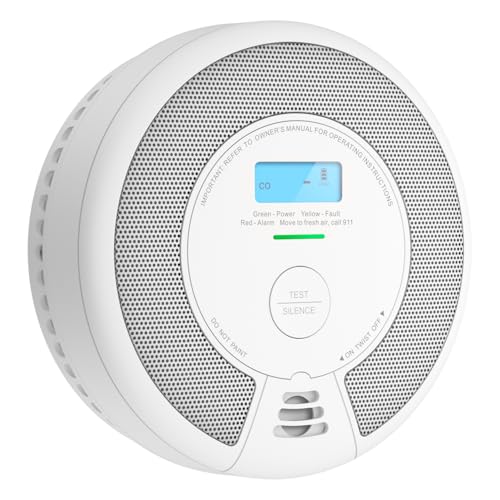
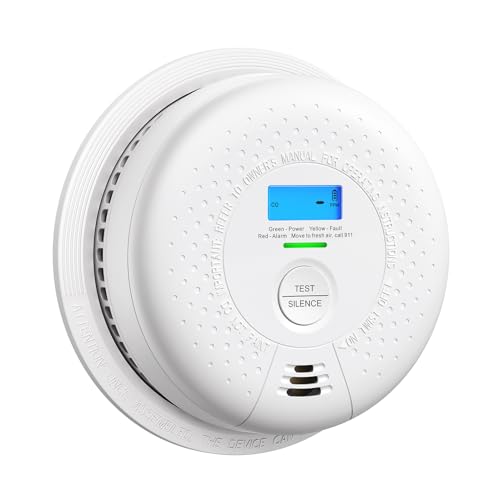
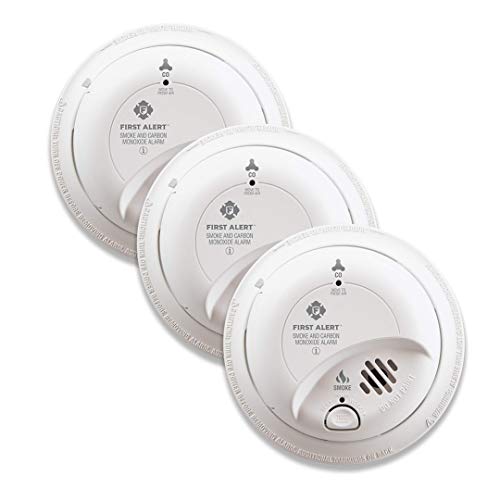
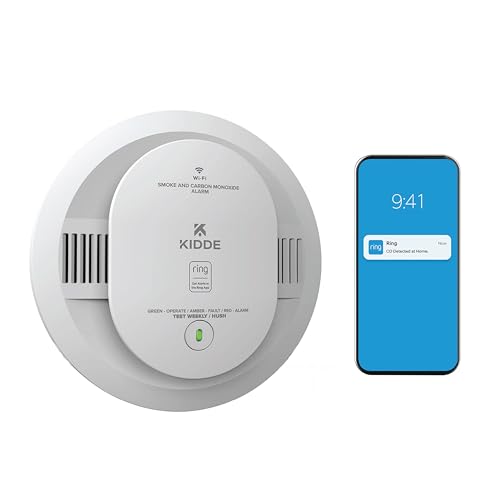
You will learn how sensors differ, which power source fits your home, where alarms belong, and how to keep them working once they are up. Start with the comparison table below to see how common budget friendly options differ.



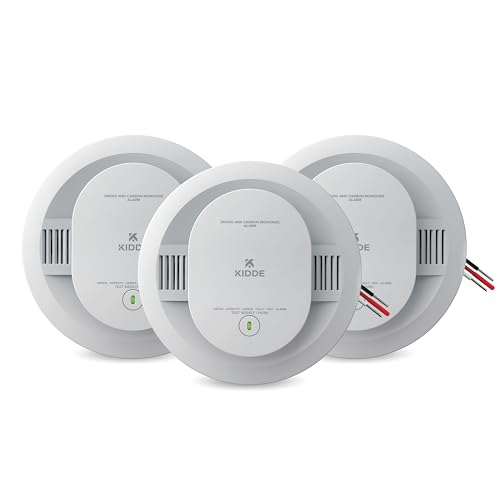

Smoke Detectors 101: The Basics for First Time Buyers
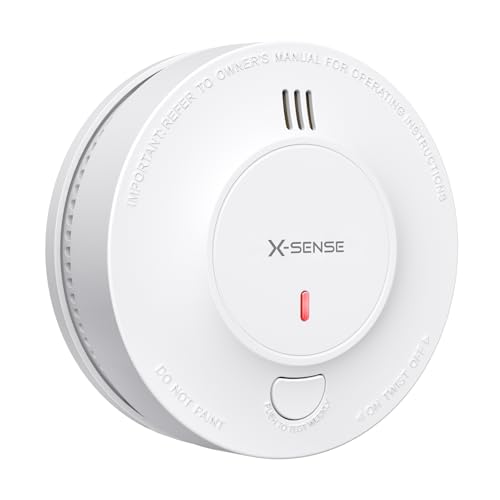
A smoke detector watches the air inside your home day and night and sounds a loud alarm when its sensor detects smoke particles from a fire. That early warning matters most while you sleep, because smoke can fill a hallway long before flames reach a bedroom door.
Some alarms detect smoke only, while others also detect carbon monoxide, an odorless gas produced by fuel burning appliances such as furnaces, water heaters, and gas stoves. Carbon monoxide cannot be seen or smelled, so a working alarm is the only reliable warning you get inside the home.
Coverage is the first decision, before brand or price. Most homes need an alarm inside every bedroom, one outside each sleeping area, and at least one on every level, including a finished basement.
Alarm Features and Terms That Decide a Safe Choice
When you compare best affordable smoke detectors side by side, six specs decide almost everything about daily use, upkeep, and safety. Read each one below before you look at prices, because the cheapest box on the shelf is only a bargain when those six points match your home.
What $10 to $50 Buys in a Certified Alarm
Basic smoke only alarms often cost around $10 to $25 each, while models with a sealed ten year battery or a carbon monoxide sensor usually run about $20 to $50 each. At this level you can expect a proven sensor, a loud alarm, a test button, and a low battery warning. What you give up is extras such as phone alerts and voice location announcements. Never save money by skipping certification, buying too few units for your floor plan, or choosing a sensor type that suits your main risk poorly.
Sensor Type: Ionization, Photoelectric, Dual Sensor, and Electrochemical
Ionization sensors react quickly to the small particles from fast flaming fires, while photoelectric sensors respond better to the larger particles from slow smoldering fires, such as smoldering bedding or upholstery. Dual sensor alarms combine both methods in one unit, which removes the guesswork for hallways and living areas. Carbon monoxide detection uses a separate electrochemical sensor, so a combo unit carries two different sensing systems under one cover. If you want one device per location, see our guide to the best smoke and co2 detectors for how combo coverage works.
Power Source: Hardwired, Ten Year Sealed Battery, and Replaceable Battery
Hardwired alarms connect to your home electrical system and use a battery only as backup during outages, and many building codes require them in new construction and major remodels. A sealed ten year battery never needs swapping and removes the common problem of a chirping alarm at night, which suits renters and anyone who cannot change wiring. Models with replaceable batteries cost less upfront but need fresh cells on a regular schedule. If your home already has ceiling wiring in place, see our guide to the best wired smoke detectors before you decide to switch types.
Interconnection and Smart Alerts
Interconnected alarms all sound together when one unit detects smoke, so an alarm in the basement warns people sleeping two floors above. Hardwired systems link through a third wire, while many battery models link through a wireless radio signal instead. That whole house response is worth prioritizing in larger homes and homes with closed bedroom doors. Smart connected alarms add phone alerts in an app, which helps when you travel often, but they cost more and depend on your home WiFi staying online.
Nuisance Alarm Reduction and the Hush Button
Steam and cooking smoke can trigger alarms that sit too close to kitchens and bathrooms, and repeated false alarms tempt people to remove the battery, which leaves the room unprotected. A hush button silences a nuisance alarm for several minutes while the air clears, then resets on its own. Photoelectric sensors also tend to react less to light cooking smoke near a kitchen doorway. Place alarms at least 10 feet from cooking appliances where your layout allows, and choose models with a clearly marked hush feature for the units nearest the kitchen.
Certifications: Look for a Recognized Safety Listing
Certification is the one spec you should never compromise on at any price. Smoke alarms sold for home use in the United States should carry a recognized safety listing from a recognized safety organization, which shows the design was checked against a published standard. Alarms that detect carbon monoxide should carry the matching listing for carbon monoxide alarms, so check the box and the product page for it. Look for the listing mark on the box and on the back of the unit. If packaging shows no recognized listing, skip that model at any price.
Rookie Mistakes to Avoid
Most first time buyers make the same handful of errors, and every one of them is easy to prevent once you know to look for it.
- Installing one alarm for the whole house, which leaves bedrooms and other levels without early warning while people sleep.
- Mounting an alarm right beside the kitchen or bathroom door, which causes repeated false alarms from cooking smoke and shower steam.
- Removing a chirping battery and never replacing it, which leaves the alarm completely unable to detect anything.
- Mixing old and new units during a partial upgrade, which can leave interconnected alarms unable to signal each other.
- Painting over an alarm or covering its vents, which blocks smoke from reaching the sensor inside.
- Forgetting that alarms expire, which means an old unit can fail even though its test button still beeps.
Getting Started: Setup, Testing, and Care
Setup starts with a simple plan. List every bedroom, hallway, and level, and match one alarm to each spot before you open a single box. Most battery models mount with two screws and a bracket, and the job usually takes a few minutes per room.
- Write the install date on the label inside each new alarm before you mount it.
- Attach the bracket to the ceiling or high on the wall, following the placement distances in the manual.
- Fit the alarm onto the bracket, activate the battery if the model requires it, and press the test button until the alarm sounds.
- Repeat the test from the hallway so you can confirm the alarm is loud enough with bedroom doors closed.
Care after install is light but not optional. Test every alarm once a month with its test button, vacuum the vents gently every six months to clear dust, and replace the whole unit at the age printed on its label, usually ten years from the date it was made. For alarms with replaceable cells, our guide to the best battery for smoke detectors explains which battery types suit alarms. If a carbon monoxide alarm ever sounds, follow the manufacturer's instructions, leave the house at once, and call emergency services from outside.
Smoke Detectors: Your Questions Answered
Are hardwired smoke detectors better than battery powered smoke detectors for a first home?
Hardwired alarms suit homes that already have ceiling wiring, because they draw house power and keep a battery only for outages. Battery models are often the smarter first purchase in an existing home without wiring, since adding new circuits means paying an electrician, and that labor can cost far more than the alarms themselves. Renters usually need written permission before any wiring change, so a sealed battery model is normally the practical route in a rental.
Where should smoke detectors and carbon monoxide alarms be installed in a home?
Install smoke alarms inside every bedroom, outside each sleeping area, and on every level of the home. Carbon monoxide alarms matter most near sleeping areas and on levels with fuel burning appliances. Keep alarms away from garage doors and furnace supply vents, because vehicle exhaust and blasts of heated air can trigger false alerts or confuse readings. When a room has a vaulted ceiling, mount the alarm near the peak but not in the dead air space at the very top corner.
How long do affordable smoke detectors last before replacement?
Most smoke alarms need full replacement about ten years after the manufacture date printed on the back label, even if the test button still works. Sensor materials degrade slowly with dust and age, so an older unit can respond late or not at all. Photograph each label with your phone on install day, so you have a dated record of which rooms are due first. Carbon monoxide sensors can reach end of life sooner, and many combo units announce that point with a distinct signal.
Do homes need separate smoke alarms and carbon monoxide alarms?
Many homes do not need separate devices, because a combo alarm covers both hazards from one mounting spot and keeps upkeep simple. Separate units still make sense when your layout needs carbon monoxide coverage in a place where smoke coverage already exists, such as a hallway near a furnace room that already has a smoke alarm nearby. Combo models also cost more per unit, so smoke only alarms plus a few combo units near bedrooms often balances cost and coverage well.
Wrapping Up
For a first purchase, focus on three things: the right sensor for each location, a power source you will actually maintain, and enough alarms to cover every bedroom and level. Certification comes before price, and placement comes before smart extras. If you are weighing budget units against higher scoring models, see our guide to the best rated smoke detectors for a useful comparison point. Chosen well, best affordable smoke detectors give your household early warning on a modest budget, so check the product table above and cover the rooms that still have no alarm, following the manufacturer's instructions.