Best Affordable Refrigerators at Every Price for 2026: What Your Money Really Gets You
Disclosure: We may earn a commission when you buy through links on this page, at no extra cost to you. As an Amazon Associate I earn from qualifying purchases. Learn more

Best affordable refrigerators compared by price level, size, energy use, and layout, so you pay only for features you will use.
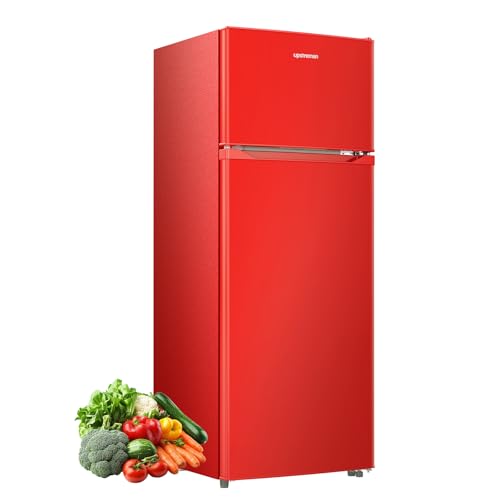
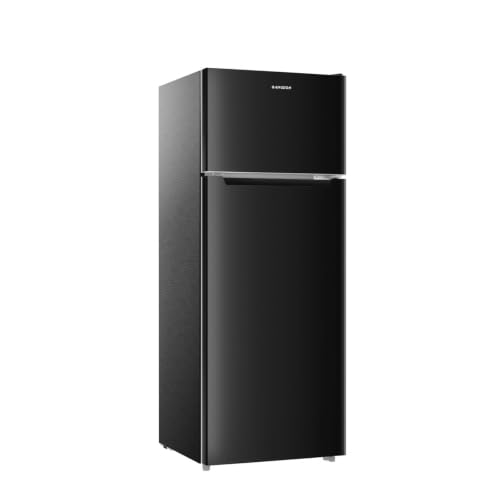
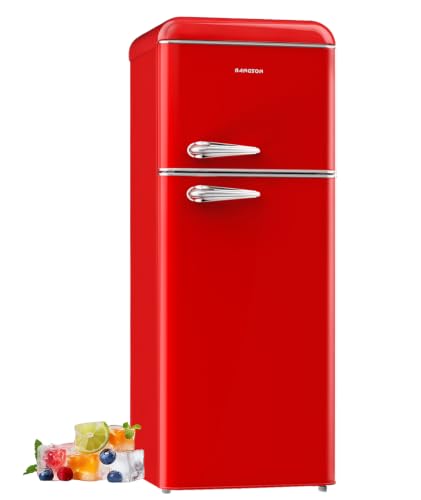
Prices for best affordable refrigerators vary so widely that two models can look similar in a photo yet differ sharply in storage, energy use, and build. The product table above shows a few budget-friendly options, and this guide lays out the main price levels side by side, so you can see what each level typically buys before you spend time on individual features.
The key question is not which refrigerator is cheapest, but where extra spending actually improves daily use. A larger freezer, a quieter compressor, or a better warranty may be worth paying for, while a fancy dispenser or a smart screen may not matter at all in a busy kitchen. This guide walks through each price level, then explains the features that are worth paying for and the ones you can safely skip.
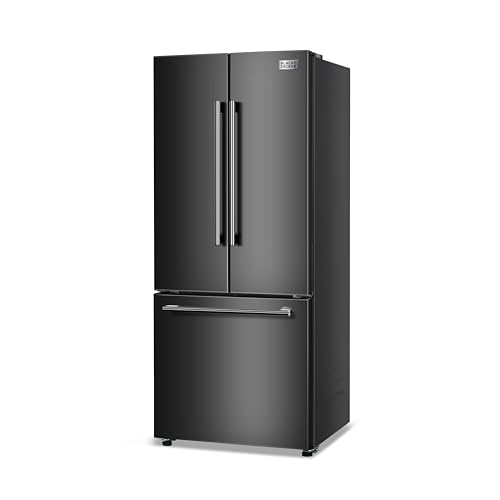
Best Affordable Refrigerators by Spending Level
Think of affordable refrigerators in three broad spending levels rather than as a single category. The lowest level covers basic, reliable storage. The middle level adds space, quieter running, and more flexible shelving. The higher level adds finish, layout choices, and features such as a through door dispenser.
A Modest Spend That Covers the Basics
At a modest spend, expect a top freezer or a compact bottom freezer design with simple glass shelves, basic automatic defrost, and a plain white or black finish. Storage is usually about 10 to 18 cubic feet, which suits one or two people or a smaller household. You will get adjustable door bins and a crisper drawer, but you may not get a deli drawer, a deep door shelf for gallon jugs, or a quiet inverter compressor. Our guide to top freezer refrigerators covers this layout in more detail.
The main trade off at this level is flexibility. Shelves may not adjust as freely, the freezer may be small for bulk shopping, and the finish may show fingerprints or dents more easily. If your kitchen is small or you shop often in small amounts, those limits may not matter. If you cook for a family or store large items, a modest model can feel cramped quickly, so measure your tallest items and your usual grocery load before you settle on this level.
A Comfortable Middle That Adds Room and Quiet
The middle level is where most buyers find the best balance. Expect about 18 to 25 cubic feet, a choice between top freezer, bottom freezer, and some side by side layouts, and features such as spill proof glass shelves, a humidity controlled crisper, and a quieter compressor. Stainless look finishes become more common here, and some models add an ice maker or a water dispenser. Energy use often improves at this level because newer compressors and better insulation are more common.
This level suits families who need flexible storage and a quieter kitchen without paying for premium extras. Look for adjustable shelves that move in small steps, door bins deep enough for tall bottles, and a freezer layout that matches how you shop. If you freeze a lot of food, a bottom freezer with a pull out drawer may work better than a small top freezer. If you use the refrigerator section most, a French door layout at the upper end of this level gives wide shelves and easy access to fresh food.
A Higher Spend With More Choice and Finish
At the higher end of the affordable range, you pay mainly for layout, finish, and convenience rather than for basic cooling. Expect French door or larger side by side models, counter depth options that sit flush with your cabinets, and features such as a through door ice and water dispenser or a fingerprint resistant finish. Capacity often reaches 25 cubic feet or more, and shelving becomes more flexible, with split shelves that fold back for tall items.
The question at this level is whether those extras will change how you use the kitchen. A dispenser is convenient if your household uses a lot of ice, but it needs a water line and adds a part that can need repair. A counter depth model looks built in, but it usually gives up some interior space for the same width. If you plan to stay in your home for many years, a higher spend can be good value, but if you may move soon, the middle level often gives you nearly the same daily benefit for less money.
What Your Money Gets You at Each Price Tier
Price tiers in refrigerators are best judged by what changes in daily use, not by a list of extras. At the lowest tier, you get reliable cooling and basic storage, and the main cost is convenience rather than performance. At the middle tier, you get more space, quieter running, and better organization, which most households notice every day. At the higher tier, you get appearance and layout choices, which matter most if your kitchen is a showpiece or if you need a specific fit.
Another way to judge tiers is by total cost over time. A cheaper model that uses more electricity can cost more across five or ten years than a slightly dearer efficient model. Check the yellow energy guide label for estimated yearly use, and compare it across models rather than trusting a brand claim. Include delivery and installation costs in your comparison, especially for larger models that need a water line.
Features Worth Paying For and Ones to Skip
What You Can Realistically Get on a Budget
On a budget, you can realistically expect solid cooling, a usable freezer, and a durable basic interior, but you should not expect a dispenser, a smart screen, or a premium finish. Features that are often cut at low prices include adjustable split shelves, a full width deli drawer, and a quiet inverter compressor. Do not save money by choosing a model that is too small for your household, because an overfilled refrigerator cools less evenly and wears out faster. Spend on size and efficiency first, and treat cosmetic extras as optional.
Energy Efficiency and ENERGY STAR
Energy efficiency is one of the few features that pays you back every month. An efficient model uses less electricity to keep the same temperature, which lowers your bill and reduces heat in the kitchen. Look for the estimated yearly kilowatt hour figure on the energy label, and compare models of a similar size, since a large model will naturally use more power than a small one. A garage ready rating matters if you plan to place the refrigerator in an unheated space, because ordinary models may struggle when the room gets very cold or very hot.
If you want a broader shortlist before you narrow by price, see our guide to the best recommended refrigerators for a wider comparison of efficient and well rated designs.
Ice Maker and Water Dispenser
An ice maker and water dispenser add daily convenience, but they also add cost, a water connection, and a part that can leak or need repair. If your household uses ice every day, a dispenser can be worth it, and our guide to refrigerators with an ice maker explains what to look for. If you rarely use ice, a simple ice tray in the freezer gives you the same result with less to maintain. Check whether the model needs a plumber for the water line, and whether your kitchen already has a connection nearby, because adding a line can add to the total cost.
Configuration: French Door, Side by Side, Top Freezer, Bottom Freezer
Configuration shapes how you reach food every day. A top freezer model is simple and affordable, with a wide refrigerator section and a freezer you reach by bending down less often. A bottom freezer model puts fresh food at eye level and is easier on your back if you cook often, but the freezer drawer can be harder to organize. A side by side model gives narrow doors that suit tight kitchens, yet the freezer and refrigerator sections are both narrow, which makes wide items hard to store.
A French door model combines wide refrigerator shelves with a bottom freezer, which suits larger households, but it usually costs more and needs more door clearance.
Choose by how you shop and cook rather than by appearance. If you buy in bulk, a bottom freezer or French door layout usually stores more frozen food neatly. If you mostly use fresh food and want the lowest price, a top freezer model is hard to beat. Measure door swing and walkways before you buy, because a French door model needs room for both doors to open, and a side by side model needs clearance on both sides.
Reliability and Warranty
Reliability is hard to judge from a photo, so focus on the warranty and the parts that matter most. A longer compressor warranty is a good sign, because the compressor is the heart of the cooling system and the most expensive part to replace. Check what the warranty covers for sealed system parts versus labor, since labor coverage is often shorter. Keep the condenser coils and door seals clean, since neglected seals let warm air in and force the compressor to work harder.
Long Term Costs to Factor In
Long term costs include electricity, filters, and repairs, and they can change which price level is truly cheapest. A water filter for a dispenser needs regular replacement, and a model with a complex ice maker may need service sooner than a simple design. Energy use is the largest ongoing cost, so compare yearly estimates across models of the same size. Delivery, haul away of your old model, and any plumbing work for a water line should also be counted, since those costs can erase the saving from the cheapest model.
Frequently Asked Questions
Can I put a refrigerator in the garage?
Yes, you can put a refrigerator in the garage, but only if the model is rated for that use and your garage temperature stays within its rated range. Ordinary models may stop cooling properly when the garage gets very cold in winter or very hot in summer, because the compressor and thermostat are designed for indoor temperatures. Check the door seal regularly in a garage, since dust and temperature swings can wear seals faster.
How long should a refrigerator last?
Most refrigerators last about 10 to 15 years with basic care, though simpler models often last longer than models with many electronic extras. Keeping the coils clean, keeping door seals in good shape, and avoiding overfilling all help the compressor run less often. A useful extra sign of trouble is rising noise or running time: if the compressor runs almost constantly, check the seals and the temperature setting before assuming the model has failed.
Are counter depth refrigerators worth it?
Counter depth refrigerators are worth it if a flush look matters to you and you are willing to trade some interior space for it. A counter depth model sits nearly level with your cabinets, which gives a built in appearance and keeps walkways clearer in a small kitchen. The trade off is capacity: for the same width, a counter depth model usually holds less than a standard depth model, and it may cost more. Our counter depth refrigerator sizing guide helps with fit. Door storage can partly make up for the lost depth if the bins are deep and adjustable.
What size refrigerator do I need for my family?
As a rough guide, allow about 4 to 6 cubic feet per person, then adjust for how you shop and cook. A household of two that shops often may manage well with 14 to 18 cubic feet, while a family of four that buys in bulk may need 20 to 25 cubic feet or more. Layout matters too: a well organized 20 cubic foot model can feel roomier than a poorly laid out 25 cubic foot model, so check shelf adjustment and door bins as well as the headline capacity.
How much electricity does a refrigerator use?
Most modern refrigerators use about 300 to 800 kilowatt hours per year, depending on size, age, and efficiency, which usually works out to a modest share of a household electricity bill. Larger models and models with through door dispensers tend to use more, while efficient inverter models use less. Placement matters as well: a refrigerator next to an oven or in direct sunlight will run more often than one in a cool spot with good air flow.
Wrapping Up
The best value in affordable refrigerators comes from matching size and layout to your household first, then spending extra only on features you will use weekly, such as quieter running or better shelving. Check the product table above once more, compare energy labels for models of the same size, and measure your kitchen before you order. Remember that best affordable refrigerators is a guide to comparing types and price levels, not a promise that one model will suit every kitchen, so choose the level that fits your space, your habits, and your budget.