Best Affordable Dishwashers Made Simple in 2026: A Clear Buying Guide
Disclosure: We may earn a commission when you buy through links on this page, at no extra cost to you. As an Amazon Associate I earn from qualifying purchases. Learn more

A plain first guide to the best affordable dishwashers: measure your opening, learn the size classes, running costs and install basics before you buy.
Buying a dishwasher for the first time can feel like learning a new language, because every listing talks about soil sensors, decibels and place settings as if everyone already knew them. The good news is that the best affordable dishwashers share a short list of things that actually matter, and none of them takes an engineering degree to judge.
This guide starts with the one measurement that decides everything, then explains the size classes and running costs in plain words, and finishes with install day and simple care. Follow the order, and use the comparison table below to see the classes side by side while you read.







The One Measurement That Comes First
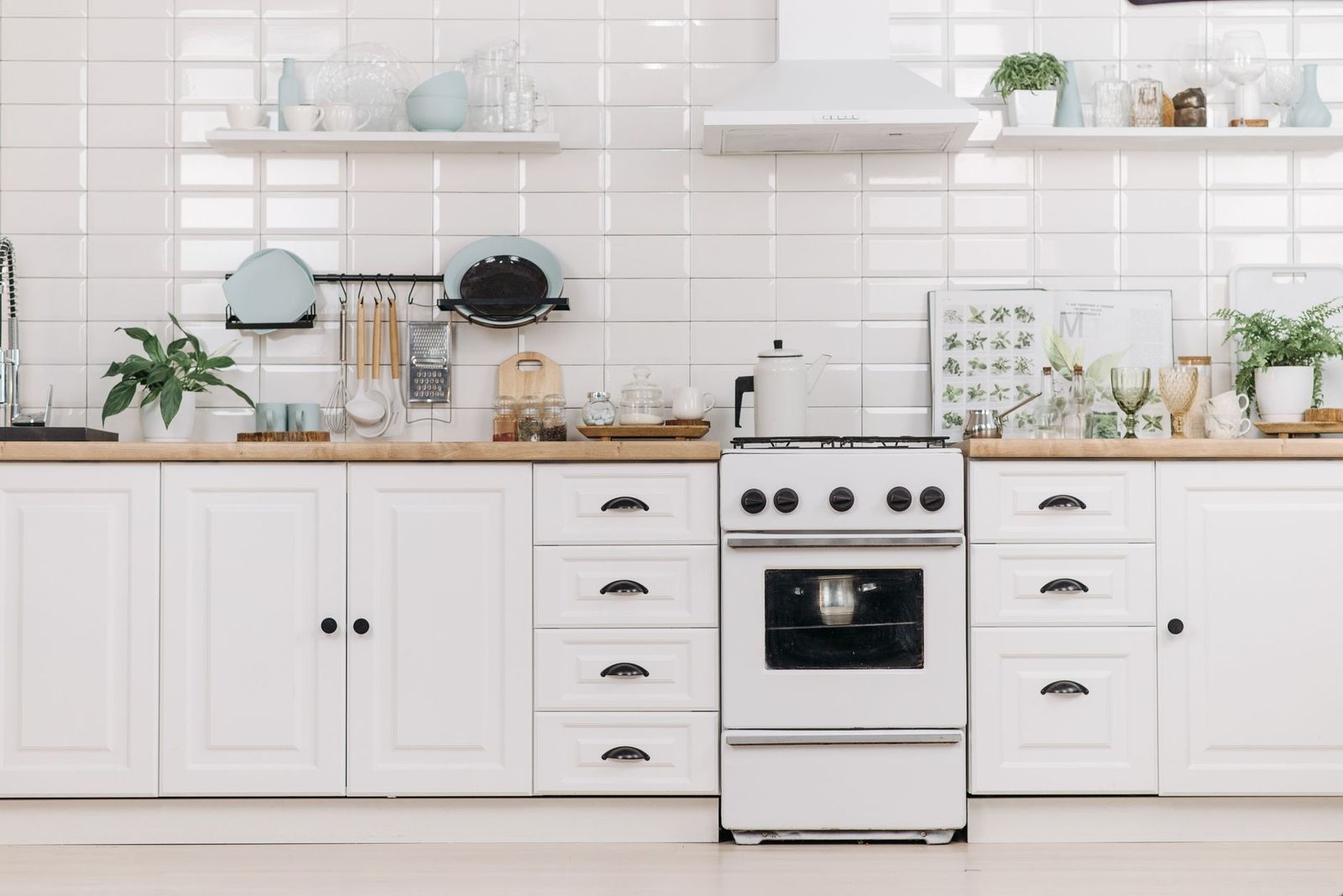
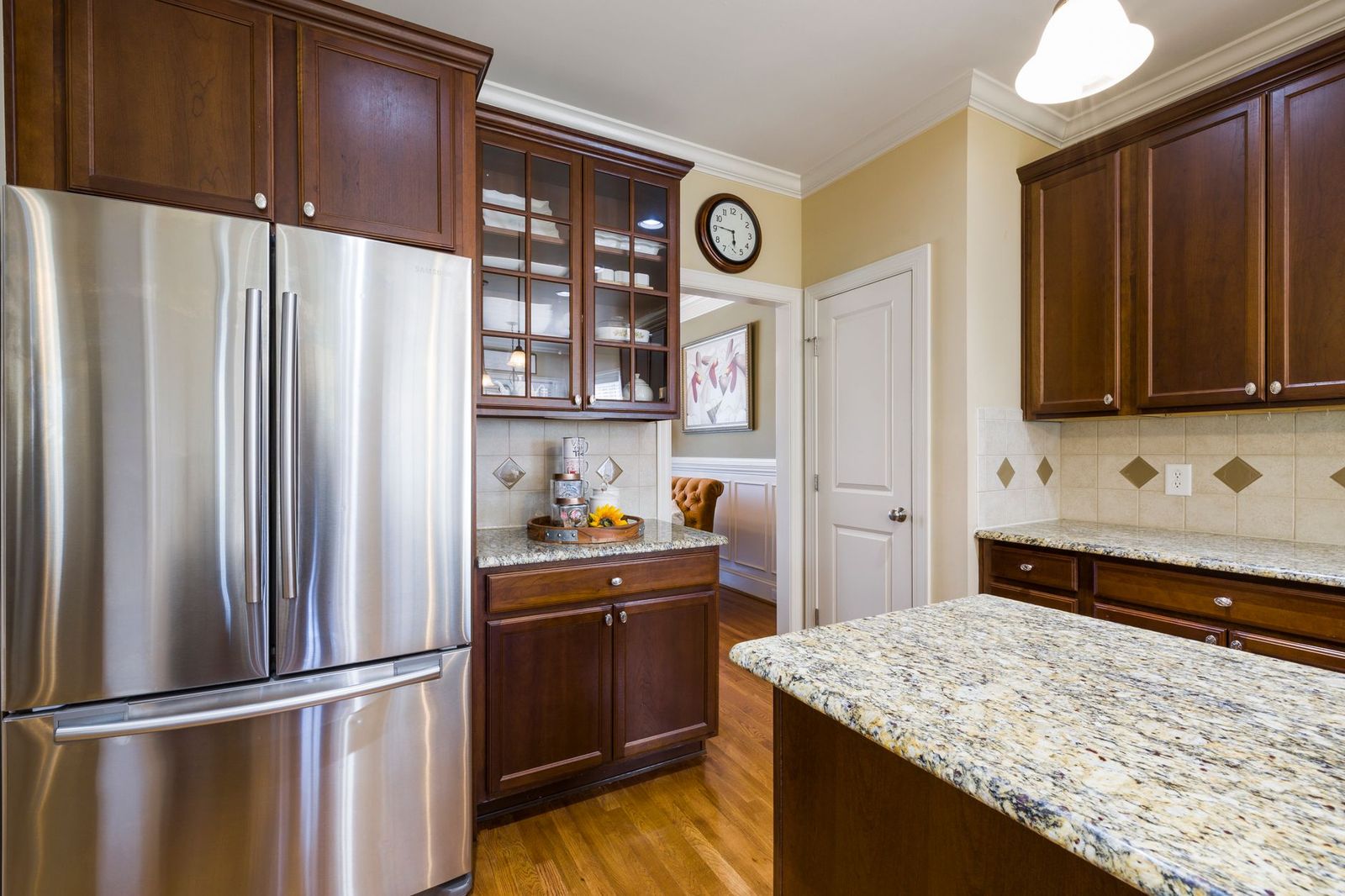
Before prices and before features, measure the hole the machine has to live in. A standard opening is about 24 inches wide, about 34 to 35 inches tall and about 24 inches deep, but older cabinets vary, so measure your own space at the front and the back, at the floor and at counter height. Write down the smallest number in each direction, because the tightest point is the one the machine must pass.
Check the floor as well: tile or wood added after the cabinets were fitted raises the floor and can trap a machine that once slid out freely. Leave room at the back for the water line, the drain hose and the power cord, and confirm that a shutoff valve and an outlet are within reach. Measure the doorways and tight turns on the route in as well, because a machine that fits the opening still has to reach it. Finally, open the drawers and doors nearby to be sure the dishwasher door can drop fully without a fight.
Every later decision hangs on these numbers.
Dishwasher Terms in Plain Words
A dishwasher fills with a small amount of water, heats it, and sprays it through rotating arms while a pump sends the dirty water out through a filter. Detergent does the cleaning work, rinse aid helps water sheet off so dishes dry with fewer spots, and a soil sensor simply watches how cloudy the wash water looks and adjusts the cycle to match. Place settings are a counting standard rather than a promise: one setting means a full set of plates, bowls, glasses and cutlery for one person, counted under standard rules, so treat the number as a size label.
Noise is rated in dBA, and the scale is not linear, so a drop of about 10 points sounds roughly half as loud to most ears. The tub is the inside box of the machine: plastic tubs cost less and can stain over the years, while stainless steel tubs resist stains and odors and help hot dishes dry faster. Heated dry uses an element or a fan, while air dry classes skip the element and lean on rinse aid and residual heat instead.
One more term decides your monthly chores. A manual filter is a mesh screen at the bottom of the tub that traps food scraps, and you rinse it under a tap to keep smells and weak washing away. The other class grinds soft food waste and flushes it out with the drain water, which saves the chore but usually makes the wash a little louder.
The Three Size Classes in Plain Words
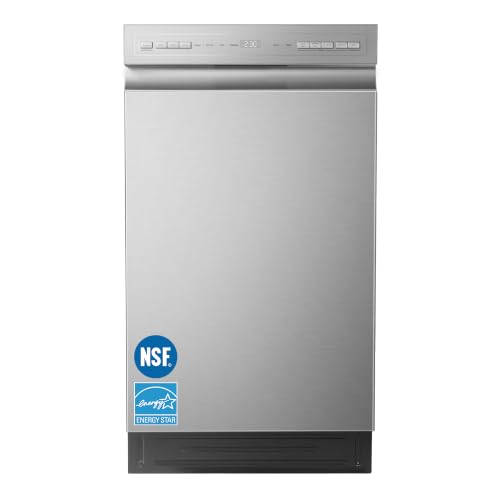
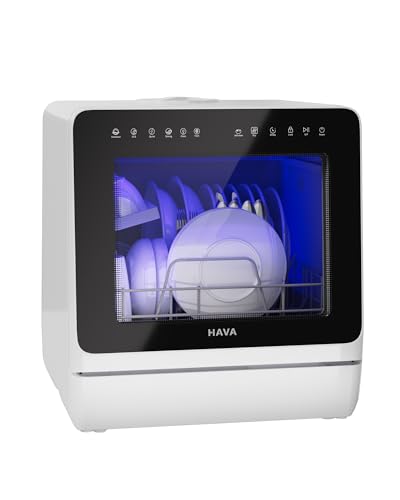
Standard built in models are the default class: about 24 inches wide, holding about 12 to 14 place settings, and built for family sized loads in a normal kitchen opening. Slimline models are about 18 inches wide, hold about 8 to 10 place settings, and suit small kitchens, couples and anyone who runs smaller loads more often. Drawer models pull out like a kitchen drawer and wash about half a standard load at a time; they suit small daily loads, but at this budget they are rare, because the drawer mechanism usually pushes the price up.
| Size class | Width | Typical capacity | Suits |
|---|---|---|---|
| Standard built in | About 24 inches | About 12 to 14 place settings | Family kitchens |
| Slimline | About 18 inches | About 8 to 10 place settings | Small kitchens, couples |
| Drawer | About 24 inches | About 6 to 7 place settings | Small daily loads |
Pick the class by your opening first and your habits second. A slimline machine in a standard opening leaves gaps that need filler strips, while a standard machine will never squeeze into a slimline hole. Households that cook daily fill a standard tub faster than they expect, and small households that choose the big class sometimes wait days for a full load while glasses sit and spot.
What the Best Affordable Dishwashers Honestly Buy
Entry models at about $350 to $500 usually bring a plastic tub, a louder wash in the low to mid 50s dBA class, basic racks and fewer wash cycles. The step up class at about $500 to $700 often adds a stainless tub, quieter running in the high 40s, an adjustable upper rack and a soil sensor that shortens light loads. None of that changes the basic job, which even the cheapest class does well with modern detergent: the extra money buys quiet, flexibility and finish, not cleaner plates.
Cycle names also stay simple at this price, and simple is fine. A normal cycle handles daily loads, an eco cycle trades time for lower water and energy use, and an intensive cycle throws hotter water and more time at baked on pans. A quick wash suits a load of glasses and lightly used plates before guests arrive. Long lists of extra programs look impressive on a listing, but most households settle on two cycles and never touch the rest.
Review scores and roundups of best ranked dishwashers can help you spot models whose owners report the same fault again and again, and that pattern spotting is the honest use of a ranking. What a ranking cannot do is measure your cabinet opening or count the tall pans you wash every Sunday. Treat scores as a background check, then decide with your tape measure and your dish shelf.
Signs of a Solid Build at a Fair Price
What to Look For in the Construction
On a budget the build cues are easy to read in a store or in a detailed listing. Look for a stainless tub, or at least a hybrid tub with a stainless door liner, because that surface sheds water and resists the grey film that plastic can develop. Run a hand along the rack tines: thickly coated tines with no bare metal at the tips will scratch less now and rust later. The door should latch with a firm click and no side play, the spray arms should spin freely when you flick them, and a parts warranty that runs longer than the basic labour cover is a fair sign the maker trusts its own pump and seals.
Running Costs in Plain Words
Running costs stay modest for the whole class. The energy label figures come from standard cycles, so your real use lands higher or lower with your habits, but a typical load uses only about 3 to 5 gallons of water, far less than washing the same load by hand under a running tap. Electricity per load costs roughly the same as running a bright bulb for an evening. Detergent choice moves the yearly total more than most buyers expect: powder usually costs the least per load, pods cost the most and buy convenience, and rinse aid is a small ongoing cost that pays for itself in fewer repeat washes.
Set a little aside for the extras around the machine itself. A fresh water hose and a fitting kit commonly run about $20 to $40, delivery and removal fees vary by seller, and a licensed installer, where one is needed, costs more than every other extra combined. Counting those costs before you order keeps the affordable machine affordable.
Install Day in Plain Words
Most machines connect to three things: a hot water supply, a drain, and power. Turn the water and the breaker off first, and check that the shutoff valve closes before the old machine comes out, because a valve that will not close turns a simple swap into a plumbing job.
Where local code requires a licensed installer, hire one; where a confident homeowner may do the work, the rules still matter, including an air gap or a high loop for the drain hose in many areas. Slide the machine in slowly, level it so the door seals evenly, then run one empty cycle while you check every connection with a dry hand and a flashlight. A slow drip found on day one is a nuisance; the same drip found in month three is floor damage.
Rookie Mistakes to Avoid
- Shopping by price before measuring, then paying return fees when the machine cannot enter the opening.
- Rinsing every dish out of habit, which wastes water and can fool a soil sensor into shortening the wash.
- Judging noise by the dBA number alone, without thinking about the room; an open plan kitchen hears a louder machine all evening.
- Forgetting the door swing, so the open door blocks the drawer that holds the cutlery.
- Skipping the leak check after install, because slow drips damage floors quietly for weeks.
Simple Care That Keeps It Washing Well
Care is short and cheap. Scrape plates into the bin and load without rinsing, clean the filter at the bottom of the tub about once a month under a tap, and top up the rinse aid when the indicator shows.
Hard water is the quiet enemy in many areas: it leaves a white film on glasses, coats the heating element, and shortens the life of seals and pumps. Households with hard water should use the salt or softener setting where one is fitted, and our guide to best dishwasher detergents explains which formulas suit hard water areas. Leave the door slightly open after a cycle on models without a fan, and wipe the door seal monthly so grit does not chew into the rubber.
Dishwashers: Your Questions Answered
How long does an affordable dishwasher usually last?
About 8 to 10 years is a fair expectation for this class with normal family use. In practice the electronic controls tend to fail before the wash pump does, which is why a power surge after a storm can end a machine that still washes well. The cheapest life extender is the monthly filter clean, because a clogged filter makes the pump work harder on every single load.
Do I need to rinse dishes before loading a dishwasher?
No, scraping off solid food is enough, and modern detergents actually need some soil on the dishes to work as designed. Tough exceptions exist: burnt cheese and baked on egg still benefit from a short soak in the sink first. Loading pattern matters more than rinsing, so face the dirty surfaces toward the spray arms and leave gaps for water to pass between plates.
How quiet should a dishwasher be for an open plan kitchen?
A rating under about 50 dBA is a sensible target when the sofa shares a room with the sink, because at that level normal conversation and television carry on comfortably. Keep in mind that maker figures come from controlled conditions, so a hard tiled floor will make any machine sound louder than the same model in a carpeted home. A delay start timer also helps, since the cycle can run after everyone has gone to bed.
Is a third rack worth it on an affordable dishwasher?
It is worth it for households that wash many utensils, lids and small items, because the flat top rack keeps them from nesting in the cutlery basket and coming out gritty. The trade off is height: on budget frames the third rack can steal room from the rack below, so tall glasses and stemware may stop fitting. Measure your tallest glass against the listed interior height before you pay for the feature.
Can I install an affordable dishwasher myself?
In many places a like for like swap is allowed for the homeowner, and the plumbing side is simple if the shutoff valve works and the fittings match. The electrical side is stricter: some areas require a licensed installer or an inspection for hardwired connections. Take photos of every hose and wire before you remove the old machine, because those pictures settle most questions when the new one goes in.
The Bottom Line
If you remember three things, make it these: measure the opening twice, pick the size class that matches your loads, and judge quiet and tub material before fancy cycles. The size class table earlier puts the classes side by side so you can match them to your kitchen and your budget. Chosen that way, the best affordable dishwashers are not a compromise at all, just the right machine bought with clear eyes.