Best 48 Inch Refrigerators Made Simple: A Clear Buying Guide for 2026
Disclosure: We may earn a commission when you buy through links on this page, at no extra cost to you. As an Amazon Associate I earn from qualifying purchases. Learn more

Best 48 inch refrigerators explained simply: fit, layout, cooling, and noise for first time buyers of very wide fridges.
Shopping for best 48 inch refrigerators for the first time can feel confusing, because the size alone does not tell you how the fridge will fit your kitchen or your daily routine. This guide starts with the basics and moves step by step toward a choice you can feel good about. The product table gives a quick side by side view, while the sections that follow explain what each detail really means in everyday use.
A 48 inch model is a very wide refrigerator, so measuring, door swing, delivery path, and storage layout matter just as much as the look. Once you understand configuration, depth, cooling, capacity, and noise, the rest of the decision gets much simpler. Read the basics first, then use the specs section to compare options on equal terms.




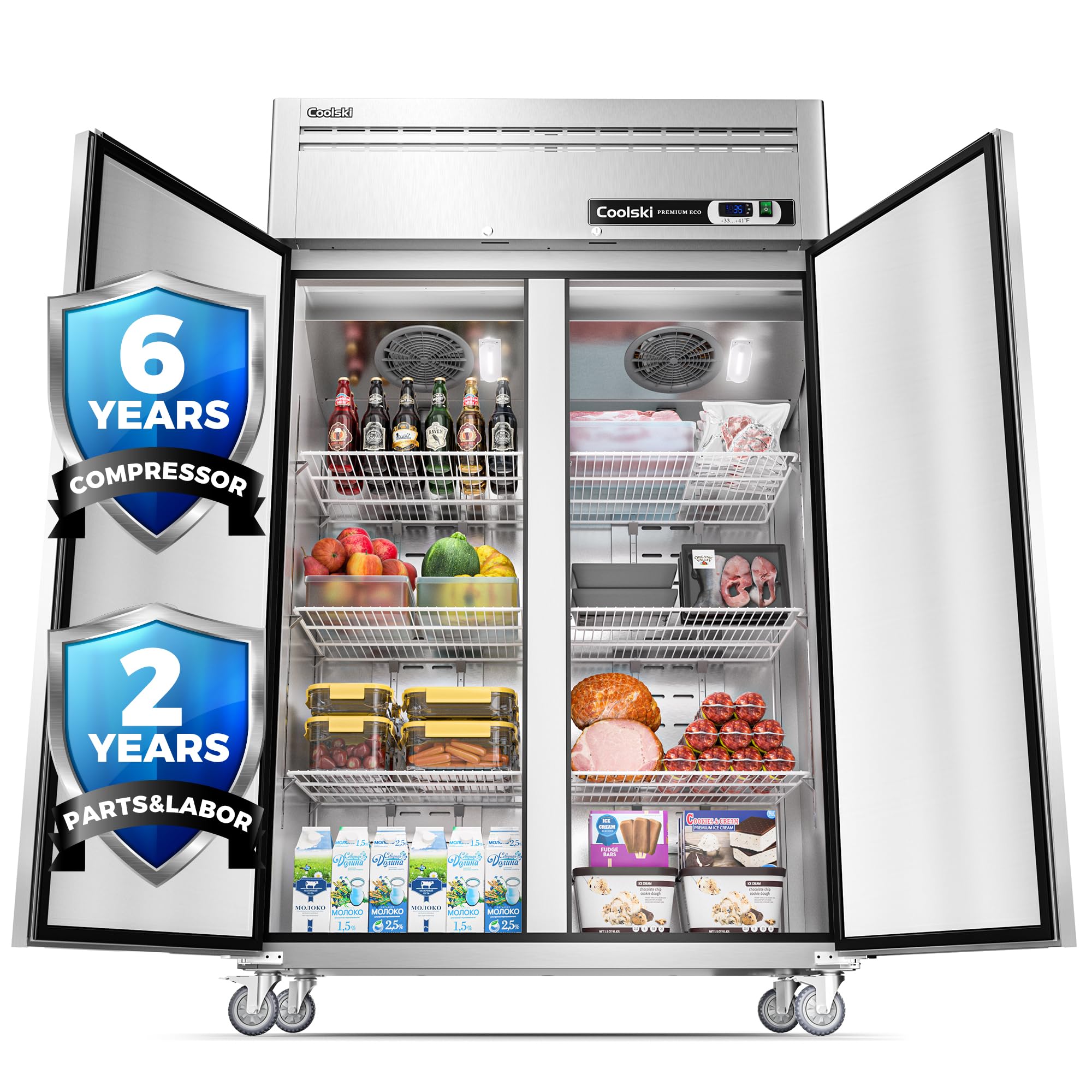

48 Inch Refrigerators 101: The Basics
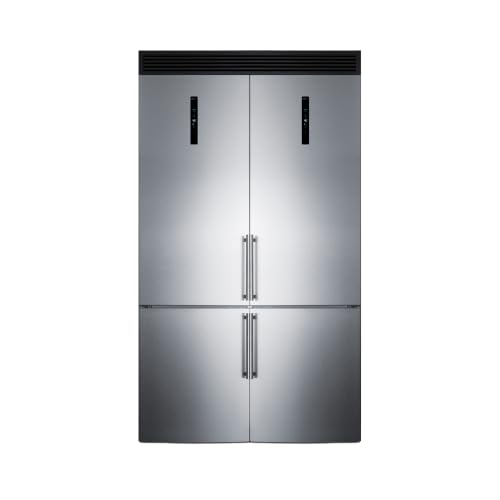
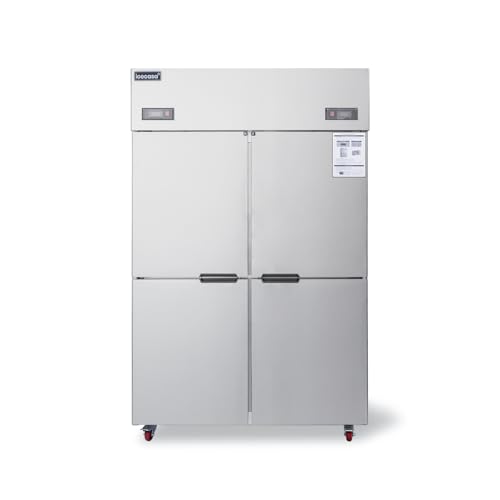
A 48 inch refrigerator measures about 48 inches across, which is much wider than the standard fridge found in most kitchens. That width usually brings a large fresh food section, a roomy freezer, and wide shelves that can hold party trays, sheet pans, and large platters without turning them sideways. It also means you need a wide opening, a clear delivery route, and enough room for both doors to open fully.
Inside, these models use a compressor, fans, and refrigerant to move heat out of the food compartments. Controls set the temperature, while vents and fans spread cold air around the shelves. Some models split cooling between sections, and some offer a flexible compartment that can switch between fridge and freezer use. The basic job stays the same, but the layout and controls decide how easy the fridge is to live with day to day.
Think about how you shop, cook, and store food before you fall in love with a finish or a handle style. A household that buys in bulk needs different shelf space than a household that eats out often and keeps only drinks and leftovers. A wide fridge rewards planning, because a poorly placed model can block a walkway, crowd a counter, or make the freezer hard to reach.
Key Specs Explained in Plain English
The specs below sound technical at first, but each one answers a simple question about fit, food storage, or daily comfort. Use them as a checklist rather than a list of numbers to memorize, and judge the best 48 inch refrigerators on the same points. When two models look similar, the detail that affects your kitchen layout or your shopping habits should win.
Configuration: French Door, Side by Side, Top Freezer, Bottom Freezer
French door models put two narrow fridge doors on top and a freezer drawer below, which works well in wide kitchens because each door needs less swing room. Side by side models split the width into a fridge column and a freezer column, so frozen food stays at eye level but wide items can be harder to fit. Top freezer models are simple and often cost less, while bottom freezer models keep fresh food at a comfortable height and put frozen items in a drawer below.
Choose by how you reach for food most often. If you cook from fresh ingredients daily, a French door or bottom freezer layout keeps produce within easy reach. If you use frozen meals and bulk frozen goods often, a side by side layout may feel more convenient. Consider who opens the fridge, how tall they are, and whether a low drawer will be hard to use.
Dimensions, Counter Depth, and Door Clearance
Measure the opening width, height, and depth, then measure the delivery path, including doorways, turns, and stairwells. Leave room for ventilation around the unit as the maker directs, and check whether the doors can open past 90 degrees without hitting a wall, island, or counter edge. A model that fits the opening but cannot open fully will frustrate you every day.
Counter depth models sit closer to the front of your counters and give a built in look, but they usually hold less than a standard depth model of the same width. Standard depth models offer more storage yet stick out further into the room. Decide which trade off matters more in your kitchen, and confirm the depth with the handles included, since handles can add several inches.
Temperature Control and Cooling Zones
Good temperature control keeps food safe and fresh without freezing lettuce or warming milk. Some wide models use separate cooling systems for the fridge and freezer, which can help control humidity and reduce odor transfer between sections. Others use one system with vents and dampers to direct cold air where it is needed.
Look for controls that are easy to read and adjust, plus a flexible compartment if you want extra fridge space for holidays and extra freezer space at other times. A convertible compartment adds flexibility, but only if you will actually change its setting. If you rarely need that flexibility, spend your attention on steady temperatures and simple controls instead.
Capacity and Household Size
A common planning guide is about 4 to 6 cubic feet per person, but your shopping style matters more than a simple rule. Bulk shoppers, large families, and people who entertain often need the higher end of that range, while smaller households may find a very large interior hard to organize. Wide shelves help, yet food can still get lost at the back if bins and drawers do not suit your habits.
Remember that counter depth models trade some capacity for a flush look, so compare usable storage rather than the headline number alone. Check shelf adjustability, drawer depth, and door bin size, because those details decide whether tall bottles, wide trays, and everyday items all have a sensible home. For related width and depth questions, see our guide to the best 33 inch wide refrigerators and our guide to the best 30 inch deep refrigerators.
Noise Level
Noise matters most in open plan homes, where the kitchen shares space with living and dining areas. An inverter compressor can run more smoothly and adjust its speed rather than cycling on and off loudly, which many buyers find less noticeable. Published decibel figures help, but they do not tell the whole story, since fan noise, ice making, and vibration can also contribute.
Listen for how often the unit runs, whether it hums at night, and whether it sits level on your floor. A level install, proper ventilation, and a firm floor reduce rattles and vibration. If quiet matters to you, place noise near the top of your checklist and treat a very low headline figure with care until you understand what it covers.
Rookie Mistakes to Avoid
- Measuring only the opening and forgetting the delivery path, door swing, and ventilation space, which can turn delivery day into a costly surprise.
- Choosing by finish first and layout second, then discovering that wide items, tall bottles, or frozen goods do not fit the shelves and drawers well.
- Assuming a larger headline capacity always means more usable space, when shelf layout and depth can matter more than the total number.
- Ignoring energy use and noise, which affect running costs and daily comfort for years after the purchase price is forgotten.
- Skipping the maker guidance on leveling, clearance, and first use, which can affect cooling performance and long term reliability.
Getting Started: Setup and First Use
After delivery, let the unit stand as the maker directs, level it carefully, and check that the doors seal evenly all the way around. Remove packing material from inside, wash shelves and bins as directed, and set the controls before loading food. Keep the fridge at 37 degrees Fahrenheit and the freezer at 0 degrees Fahrenheit as a starting point, then adjust only if food or drinks suggest a change is needed.
Load food gradually so cold air can circulate, and avoid blocking vents with large items pushed hard against the back wall. Vacuum condenser coils twice a year, or as often as the maker directs, to help the unit run efficiently. Follow maker electrical safety guidance, keep the power cord and outlet accessible and undamaged, and call a qualified installer if you are unsure about the electrical supply, water connection, or leveling. Keep small packing parts away from children during setup.
48 Inch Refrigerators: Your Questions Answered
How long should a 48 inch refrigerator last?
A well cared for wide refrigerator often lasts about 10 to 15 years, though use, maintenance, and build quality all affect that range. Regular coil cleaning, even door seals, and prompt attention to unusual noise or warming help the unit run well for longer. If repairs become frequent or cooling becomes uneven, compare repair costs with replacement before deciding. Keep the maker manual handy so you can follow its service guidance.
How much electricity does a 48 inch refrigerator use?
Electricity use depends on size, insulation, cooling design, room temperature, and how often the doors open. Larger and feature rich models generally use more energy, while efficient compressors and good seals can offset some of that demand. Look for the energy guide label and compare yearly cost estimates between models you are considering. In a hot garage or a sunny kitchen, use may rise, so placement matters too.
Can I put a 48 inch refrigerator in the garage?
Some models are rated for garage use and some are not, so check the maker guidance before moving one into an unheated or very hot space. Extreme cold can affect controls and extreme heat can make the compressor work much harder. A garage ready rating usually means the unit is designed for a wider temperature range, but it does not remove the need for ventilation and a stable electrical supply. Measure the space and confirm the rating first.
Are counter depth refrigerators worth it?
Counter depth models are worth it when a flush, built in look matters more than maximum storage in your kitchen. They sit closer to your counters, improve walkways, and can make a wide kitchen feel less crowded. The trade off is less interior volume and sometimes a higher price for the same width. If you need every cubic foot for bulk storage, a standard depth model may serve you better.
What size 48 inch refrigerator do I need for my family?
Start with household size and shopping habits, then check usable layout rather than headline capacity alone. A family that cooks at home and buys in bulk will use wide shelves and deep drawers well, while a smaller household may prefer adjustable shelves that keep everyday items visible. Consider entertaining, seasonal storage, and whether a flexible compartment would help. Measure first, then match the interior to real meals and real groceries.
Our Verdict
The right choice balances fit, layout, and cooling control, not just width or appearance. Measure carefully, choose a configuration that matches how you reach for food, and check capacity, noise, and energy use before you commit. A model that fits your kitchen and your habits will feel easy to use every day, while a poor fit will annoy you long after delivery day.
Use the product table to compare the options side by side, then return to the details that matter most in your home. When you find a model that fits the opening, suits your storage habits, and follows maker safety guidance, you have a strong shortlist. That careful match is what makes best 48 inch refrigerators a useful starting point rather than a guessing game.