Best 35mm Point and Shoot Film Cameras of 2026: Complete Buying Guide
Disclosure: We may earn a commission when you buy through links on this page, at no extra cost to you. As an Amazon Associate I earn from qualifying purchases. Learn more

Compare the best 35mm point and shoot film cameras by lens class, flash, film handling and price, with notes on film stock, lab costs and used condition.
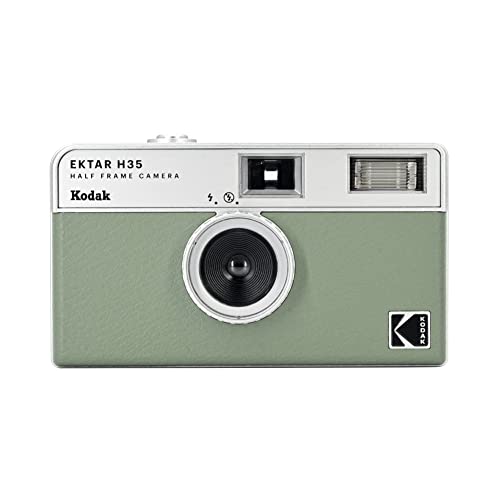
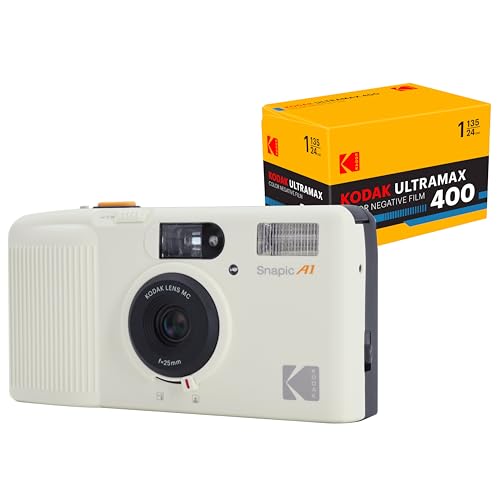
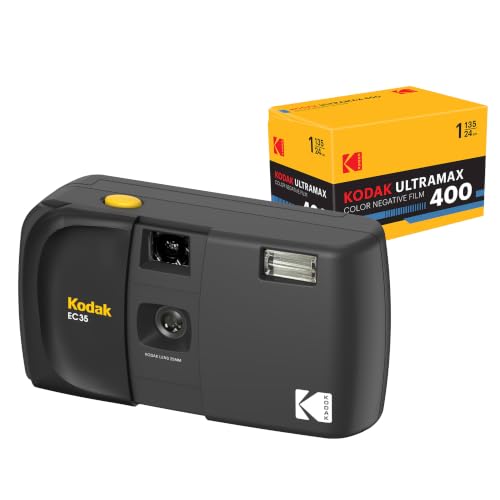
A film point and shoot asks almost nothing of you: load a roll, raise the camera, and press one button. Choosing among the best 35mm point and shoot film cameras still takes care, because lens class, flash strength, and film handling vary widely between models. This guide walks through the classes and the features that matter, and the product table sums up the main options side by side.
One fact shapes every purchase here: film is a living purchase, not a leftover novelty. Makers still produce fresh color and black and white stock in several speeds, so a camera bought today can be fed for years. That also means the per roll cost is the real price of the camera, because a cheap body with expensive habits costs more over a season than a pricier body.



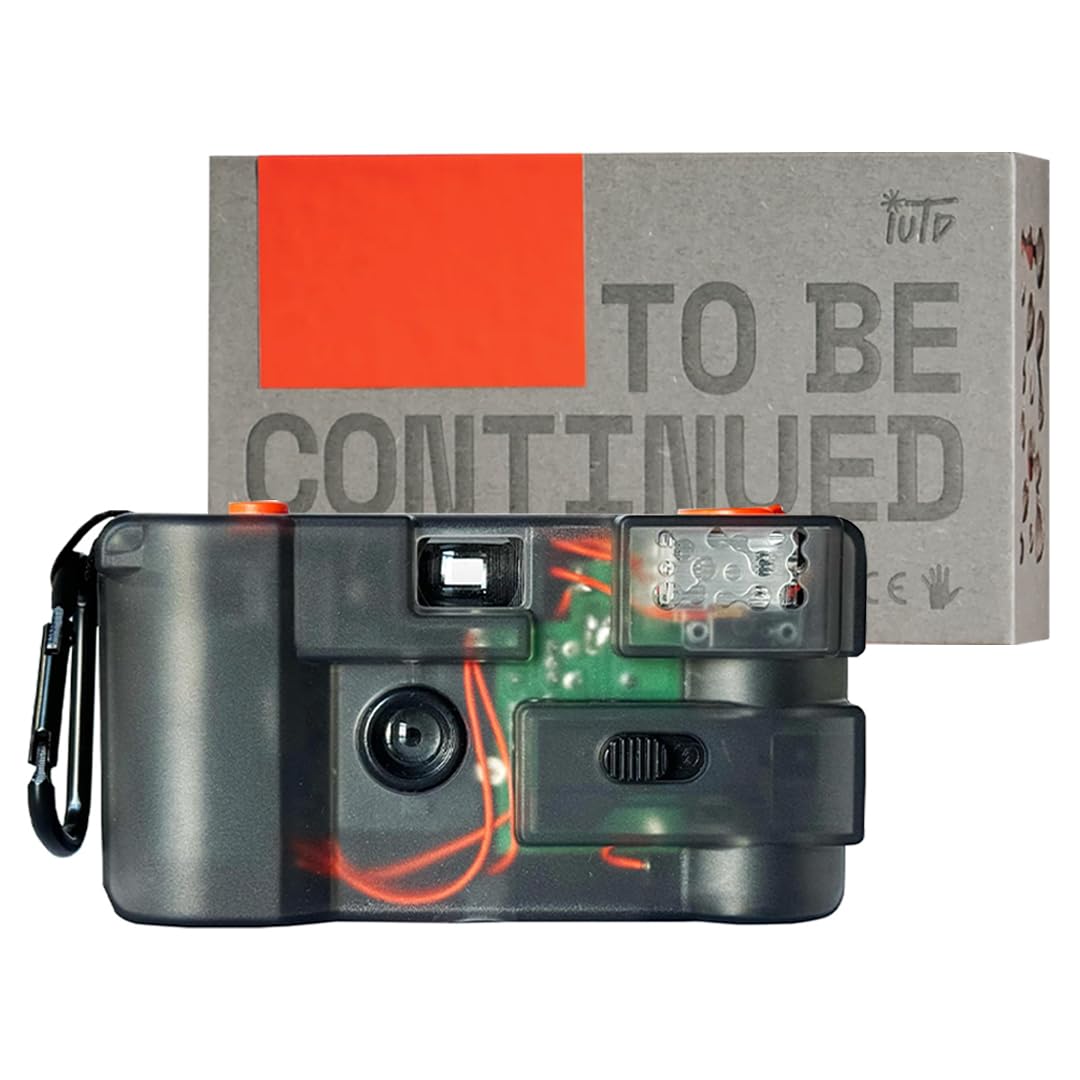

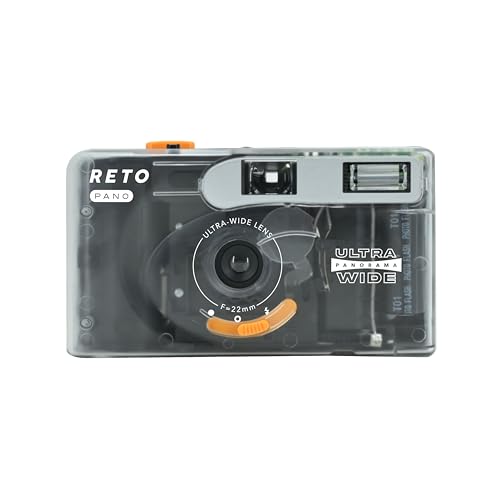
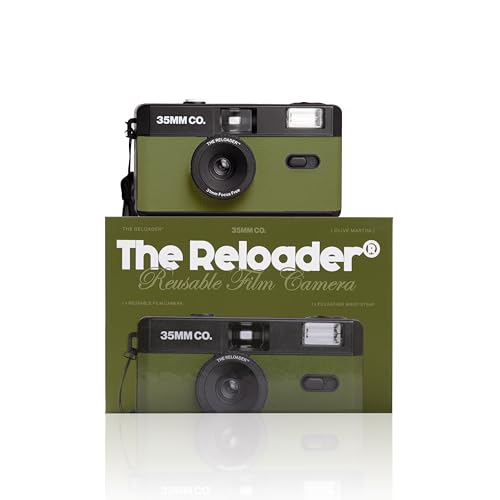
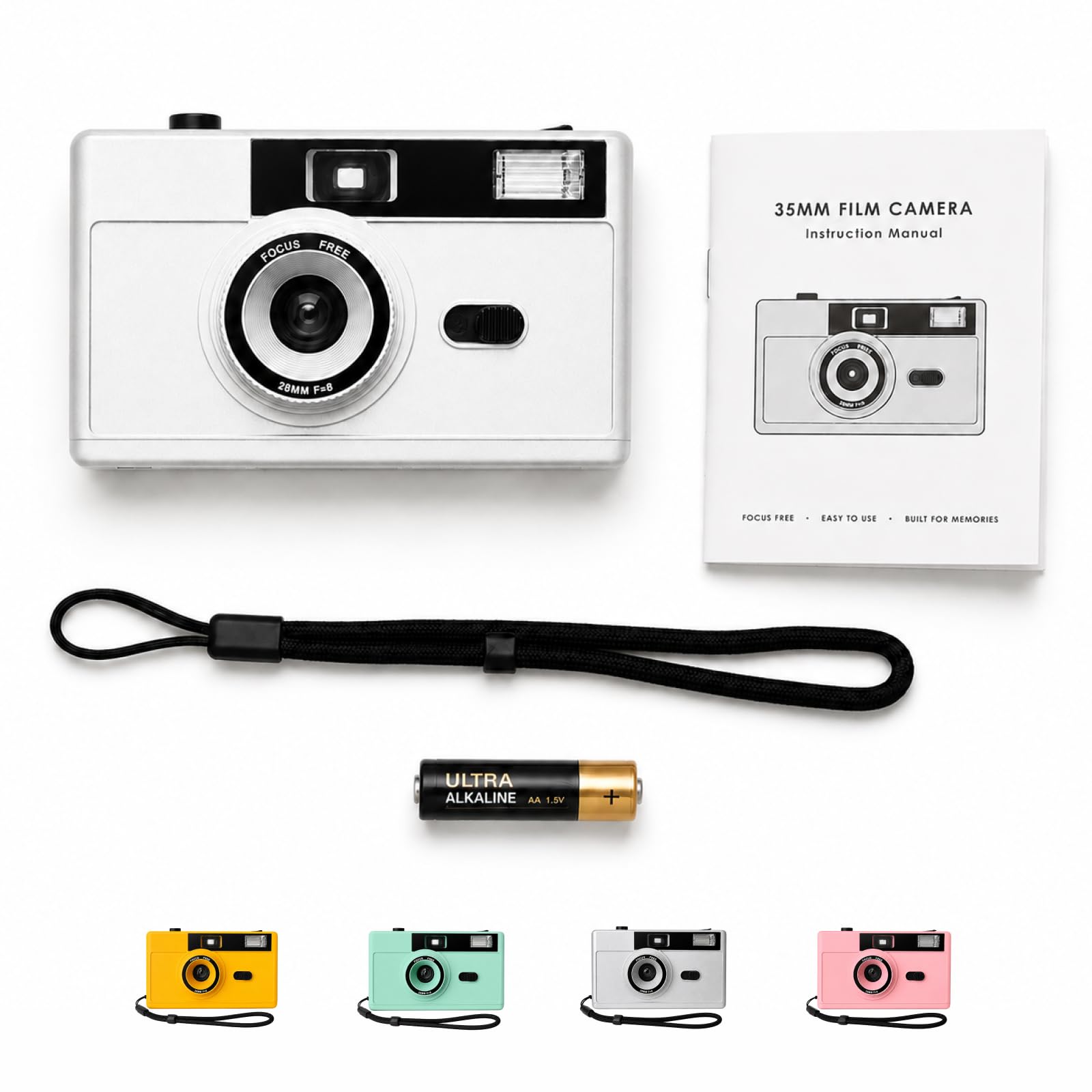
Three Classes Worth Knowing Before You Spend
Nearly every camera in this category now changes hands used, so treat the purchase as a condition class decision as much as a feature one. Light seals crumble with age and shutters slow down, and both faults ruin film quietly, so check the seals, the shutter action, and the lens glass before you fall for a clean looking shell. Shoppers comparing the wider category can also read the guide to best film cameras point and shoot models.
Simple Fixed Focus Cameras
The entry class pairs a fixed focus lens with simple automatic exposure and a small built in flash. Everything is decided for you, which suits party snapshots and anyone who wants film texture with zero learning curve. Sharpness is modest and close ups are off limits, since the lens is set for middle distances. Working examples change hands for about $25 to $60, and the class makes a sensible first trial roll.
Autofocus Zoom Cameras
The middle class adds real autofocus and a zoom lens, commonly covering wide group shots through short portrait lengths. Exposure programs get smarter, flashes reach farther, and many models add a self timer. This is the class most families shot with for years, so supply is deep and prices stay friendly at about $60 to $150. Buyers watching the budget can compare notes in the guide to best affordable point and shoot film cameras before settling on a zoom range.
Premium Fixed Lens Cameras
The top class returns to a single fixed lens, but a fast and genuinely sharp one, often in a metal shell with aperture control and a proper viewfinder. Photographers choose these for travel and daily carry where image quality matters more than zoom reach. Collector demand keeps prices high, roughly about $300 to $900 depending on condition. Buy the best condition you can find, because repairs cost real money.
How to Choose the Best 35mm Point and Shoot Film Cameras
Processing decides whether a film camera earns its keep. Developing is a service class you buy again and again, and the lab class near you, a local counter or a mail in service, decides turnaround, scan quality, and whether shooting film feels easy or burdensome. Confirm a workable lab route before you buy, then weigh the factors below. If you are still narrowing down your shooting style, the guide to best cameras for point and shoot photography may help.
Lens Class: Fixed Prime or Zoom
A fixed lens is usually sharper and faster than a zoom of the same era, gathers more light, and keeps the camera pocketable. A zoom trades some of that quality for framing freedom, which matters at events where you cannot move closer. Slow zooms also force the flash to fire more often indoors. Decide by subject: faces and street scenes favor a fast fixed lens, while family gatherings favor zoom reach.
Autofocus and Metering
Most models use infrared active autofocus, which works in the dark but can be fooled by glass, mirrors, and subjects at the frame edge. Better models add a focus lock, so you can focus on an off center subject and then recompose. Metering is simpler: the camera reads the scene and sets exposure, with better models weighting the center. A model with focus lock and exposure lock gives the most control without adding menus.
Built In Flash and Low Light Behavior
Every class carries a small flash, but reach differs: weak units light a subject about 8 to 10 feet away, while stronger ones manage 15 feet or more. Ask whether the flash can be switched fully off, because forced flash ruins evening scenes. For dim rooms, a faster lens beats a stronger flash, since it uses the light already there.
Film Loading, DX Coding and Rewind
Automatic loading is standard in this category: drop the roll in, close the back, and the camera winds to the first frame. DX coding reads the canister contacts and sets film speed automatically, which protects beginners from a wrong setting. Some models prewind the whole roll and shoot back into the canister, so exposed frames stay protected if the back opens by accident. Check that the rewind motor sounds smooth.
Size, Weight and Build
These cameras earn their keep by being carried, so size decides whether the camera comes along or stays home. Slim fixed lens models slip into a jacket pocket, while zoom models usually need a coat pocket or a small bag. Plastic shells shrug off small knocks but crack at the film door latch, a weak point worth pressing on any used example.
Ease of Use for New Shooters
The best first film camera is the one with the fewest ways to fail: automatic loading, DX coding, a clear frame counter, and a flash you can turn off. Avoid models with tiny mode dials, since a missed setting wastes a whole roll before you learn about it. Readers starting from zero will find the guide to best point and shoot film cameras for beginners a useful companion.
Types of 35mm Point and Shoot Film Cameras
The classes below split the category by design rather than by price, and each suits a different shooting day. The guide to best point and shoot cameras 35mm approaches the same ground from the format side, and the product table gathers the options in one place.
Fixed Focus Compacts
One aperture logic and a lens focused at middle distance define this type. Nothing can be set wrong, which makes these the most forgiving cameras for casual daylight snapshots. They struggle indoors and at close range.
Zoom Compacts for Travel
A motor driven zoom, autofocus, and a stronger flash make this type the general purpose traveler, covering landscapes, groups, and portraits in one body. The trade is speed: startup takes a moment while the lens extends, and battery drain runs higher than fixed lens types.
Weather Resistant Models
Sealed bodies and gasket protected controls define this type, built for beaches, boats, and wet trail days. Lenses are usually simple zooms or fixed focus units, so image quality sits mid pack. For shooters whose cameras live outdoors, survival beats sharpness.
Premium Compacts
Fast fixed lenses, metal bodies, and manual overrides mark this type as the enthusiast choice. They cost the most and reward the most, with lenses that hold up to large prints. Supply is limited, so budget for a service check.
Care and Handling Tips
- Wipe the lens with a clean microfiber cloth, never a shirt, because gritty fabric scratches the coating.
- Replace light seals when the foam around the film door turns sticky, since tired seals leak light onto every frame.
- Remove the batteries during long storage, because old cells leak and corrode the contacts.
- Store the camera unloaded in a dry padded bag, away from attic heat that ages the seals.
- Run a cheap trial roll through any newly bought used camera before an important trip.
35mm Point and Shoot Film Cameras: Your Questions Answered
Is a smartphone enough instead of a film point and shoot camera?
A smartphone is enough for sharing photos today, and it wins on cost per shot. A film camera answers a different want: a fixed number of frames, no screen review, and prints or scans with a look phones imitate through filters. Many buyers keep both, using the phone for records and the film camera for days out. Choose film when the slower process itself is part of the pleasure.
How much does developing and scanning a roll of 35mm film cost?
Developing with scans typically costs about $12 to $20 per roll at a local lab, with mail in services sometimes lower per roll once you batch several together. Prints add a few dollars more, and high resolution scans sit at the top of the range. Budget the lab bill alongside the film price every time you load a roll.
What happens if the camera back opens before the roll is rewound?
Light fogs the exposed film still sitting outside the canister, and the frames nearest the back suffer most. Frames already wound into the canister usually survive untouched, which is why prewind models protect finished shots. If the back pops open, close it at once in the dimmest place you can find and finish the roll. Tell the lab what happened, so they can judge which frames still scan well.
How long can exposed film wait before it is developed?
Exposed film holds its images well for a few weeks at room temperature, and months in a refrigerator. Heat is the enemy: a roll left in a hot car over a summer weekend can shift colors and lose contrast. Professional stock ages faster once exposed, so develop your best rolls first. When in doubt, finish and process the roll rather than saving the last frames.
Why do night photos from a film point and shoot camera look blurry?
Blur at night usually comes from slow shutter speeds once the camera stops relying on flash, and any hand movement smears the frame. The flash only helps within its reach, about 10 to 15 feet on most models, so distant scenes get neither flash light nor a steady exposure. Brace the camera on a wall or railing and press the shutter gently. Faster film, rated at ISO 800, also buys shutter speed after dark.
Wrapping Up
Pick the class first, the condition second, and the badge last. A serviced zoom compact covers most family and travel shooting, a fast fixed lens model rewards enthusiasts, and any choice only pays off if a lab route and a film budget are in place. Keep the product table in mind as you compare listings, and the best 35mm point and shoot film cameras for your habits are the ones whose automation matches how you shoot.