
Best Affordable Outdoor Projectors: A First Time Buyer's Guide for 2026
Disclosure: We may earn a commission when you buy through links on this page, at no extra cost to you. As an Amazon Associate I earn from qualifying purchases. Learn more

The best affordable outdoor projectors for backyard movies: what brightness, screen size, throw distance, and sound to check on a budget.
Shopping for best affordable outdoor projectors for the first time can feel confusing, because outdoor viewing adds challenges that indoor viewing does not. Sunlight, wind, uneven ground, and open air sound all change what matters, so a projector that looks fine in a living room may struggle in a backyard. This guide explains the basics in plain language, so you can compare options with confidence and use the product table to see the picks side by side before you decide.
The good news is that you do not need a huge budget to enjoy movies under the stars. You need the right balance of brightness, screen size, sound, and simple setup for your space. The sections below walk through who these projectors suit, the specs that matter most outdoors, and the mistakes first time buyers often make.


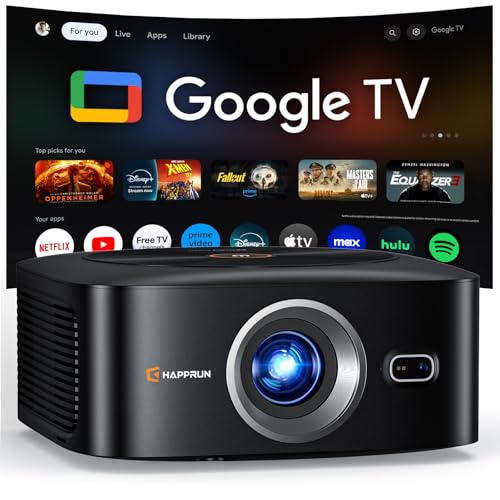
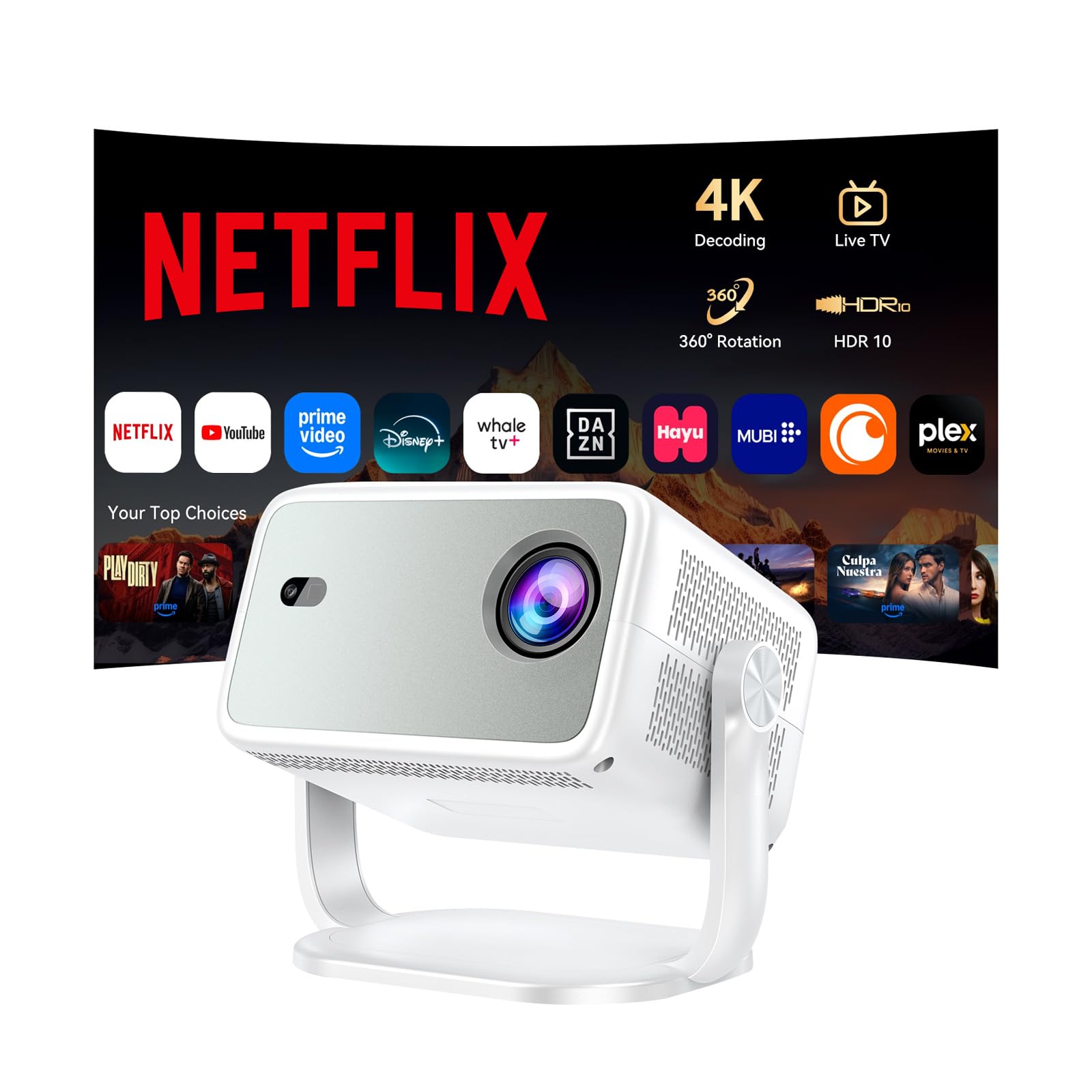


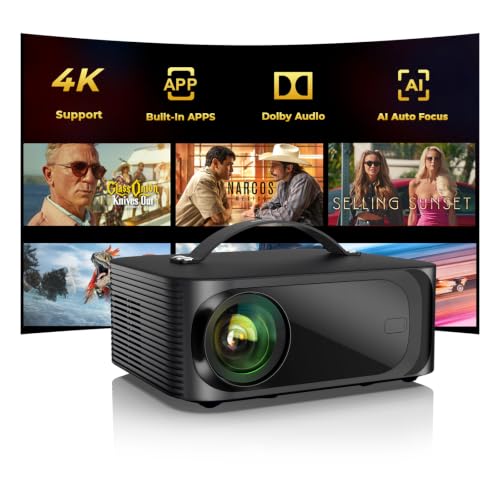
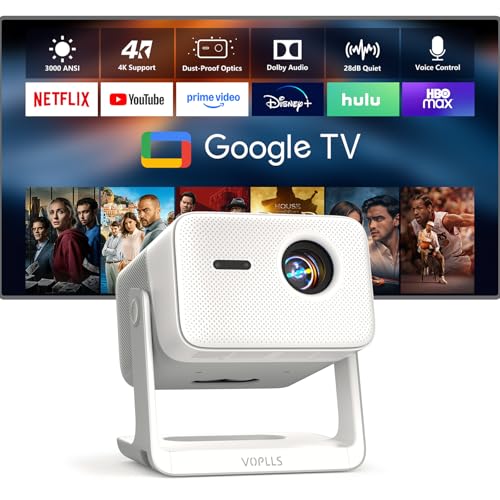

Who Should Buy Which Outdoor Projector?
Outdoor projectors suit different kinds of viewers, and the best match depends on where and how often you plan to watch. Think about your yard, your audience, and how much gear you want to carry before you compare specs.
Backyard Movie Night Hosts
If you host friends and family in your own yard, look for a bright projector with a large image and speakers loud enough for a group spread across lawn chairs. A sturdy stand or tripod matters here, because the projector must sit level on grass or a patio. You will also want simple connections for a streaming stick or laptop, so movie night starts fast and stays relaxed.
Campers and Travelers
If you take your projector to campsites, parks, or a friend's house, weight and power matter more than a huge image. A compact model with a built in battery or a simple power bank setup travels well and sets up in minutes. Travelers who want a lighter kit can compare best portable outdoor projectors for battery and weight trade offs. Look for a tough case, a short setup routine, and a design that tolerates dust and light bumps during transport.
Patios and Small Yards
If your space is small, throw distance becomes the key question, because you may only have a few feet between the projector and the screen. A short throw model can fill a screen from close range, which suits patios, balconies where rules allow projectors, and narrow yards. Check your available distance first, then choose a screen size that fits that distance.
Key Specs for the Best Affordable Outdoor Projectors
Projector specs can sound technical, but only a few of them decide whether an outdoor movie looks good. The sections below translate each one into what you will actually notice on movie night.
What You Can Realistically Get on a Budget
At a budget price, expect a clear 1080p image, decent brightness for dusk viewing, and basic built in speakers, usually for about $150 to $400. You may give up very high brightness, advanced color tuning, and long battery life, and that trade off is normal at this price. Spend your money on brightness and a good screen first, because those two choices affect outdoor picture quality more than extra smart features.
Brightness and Contrast
Brightness, measured in lumens, decides how well the picture holds up when some daylight or porch light remains. For viewing after sunset, a model rated around 2,000 to 3,000 lumens usually works well with a proper screen. Contrast decides how deep dark scenes look, so a projector with weak contrast can make night scenes look washed out even when the image is bright enough.
Resolution and Image Sharpness
Resolution decides how sharp the picture looks, and 1080p is a solid target for budget outdoor viewing. Lower resolution models cost less, but text and fine detail can look soft on a large screen. If you plan to show sports or detailed nature films, sharper resolution matters more than it does for casual cartoons or family comedies.
Throw Distance and Screen Size
Throw distance is the space between the projector lens and the screen, and it decides how large the image becomes. Measure your yard or patio before you buy, then check the throw ratio in the specs to see which screen sizes fit that distance. Pairing the projector with a matched screen helps, and our guide to best outdoor projectors and screens explains screen materials and sizes. A screen of about 100 to 120 inches suits most backyards, while smaller patios often work better with 80 to 100 inches.
Sound for Open Air
Sound spreads and fades outdoors, so built in speakers that sound fine indoors can seem quiet in a yard. Many buyers pair the projector with a portable speaker through Bluetooth or a wired connection, which fills a seating area far better. For a full evening setup, see our guide to best projectors for outdoor theater for seating and layout ideas. If you prefer a simple setup, choose a projector with a clear speaker and an easy audio output, and check the volume from the back row of seats.
Power, Ports, and Smart Features
Power options shape where you can watch, since some projectors plug into a wall outlet while others run on a battery for a couple of hours. Check for HDMI ports for streaming sticks and laptops, plus USB ports for media drives and charging. Smart features can help, but a basic streaming stick often gives a smoother experience than a slow built in system, so do not pay extra for apps you may not use.
Outdoor Setup Basics
Good setup makes a bigger difference outdoors than any single spec. Place the projector on a level surface, aim it squarely at the screen, and use keystone correction only as a last resort, since heavy correction can soften the image. Hang or stand your screen taut, because wrinkles and sag show up clearly in the projected picture. If you are planning a regular series, our guide to best projectors for outdoor movies covers planning and seating for repeat nights.
Start your movie after sunset when possible, dim nearby porch lights, and seat viewers so no one blocks the light path. Keep the projector vents clear and never look directly into the lens while it is on, and keep the unit dry if rain threatens, since most budget models are not built for wet weather.
Rookie Mistakes to Avoid
- Buying for brightness alone and ignoring throw distance, which can leave you with an image too large or too small for your yard.
- Starting the movie before dark, which washes out even a bright picture and disappoints first time viewers.
- Forgetting sound, so a lovely picture plays to an audience that can barely hear dialogue from the back seats.
- Placing the projector on soft or uneven ground, which tilts the image and forces heavy keystone correction.
- Skipping a screen and projecting onto a wrinkled sheet, which dulls colors and softens the picture.
Care and Maintenance
Outdoor projectors need a little care to last, and most of it is simple. Let the lamp cool before you pack the unit away, and wipe the lens gently with a soft cloth made for optics, since a dusty lens dims the picture. Keep vents clear of leaves, dust, and fabric, because blocked vents can cause overheating and shorten lamp life. Store the projector indoors in a dry place between uses, and check cables and mounts before each season so a loose connection does not spoil movie night.
Frequently Asked Questions
Does brightness matter more outdoors than indoors?
Yes, brightness matters more outdoors, because even small amounts of daylight, porch light, or moonlight compete with the projected image. A projector that looks fine in a dark room can look faded in a yard at dusk. Choose a brighter model if you often start before full darkness, and pair it with a screen that reflects light well. A darker viewing area helps too, so dim nearby lights and face the screen away from streetlights when you can.
What screen size works best for a backyard?
A screen of about 100 to 120 inches suits most backyards, because it feels cinematic without demanding a huge throw distance. Measure the space between your projector spot and the screen first, then use the throw ratio to confirm which sizes fit. Smaller patios often work better with 80 to 100 inches, while very large yards can support bigger screens if the projector is bright enough. Bigger is not always better, since an oversized image can look dim and soft.
Can affordable outdoor projectors handle wind and dust?
Budget outdoor projectors handle light wind and dust reasonably well, but they are not rugged outdoor gear, so shelter and care matter. A light breeze may sway a freestanding screen, so stake or weight the screen frame and keep the projector on a stable stand. Dust can settle on the lens and in vents, so wipe the lens gently before use and keep vents clear. Bring the projector indoors after the movie, rather than leaving it outside overnight.
Do I need separate speakers for outdoor movies?
Separate speakers help in most yards, because built in projector speakers are small and sound fades quickly in open air. A portable speaker connected by Bluetooth or cable usually fills a seating area far better and makes dialogue easier to follow. If your group is small and sits close to the projector, built in sound may be enough for a casual night. Check the volume from the farthest seat before guests arrive, so you can adjust early.
How long do projector lamps last?
Projector lamps and light sources often last several thousand hours, which covers many years of occasional movie nights, but life varies by model and use. Running the projector in a bright eco mode can extend lamp life, while frequent on and off cycles and blocked vents can shorten it. Keep vents clear, let the projector cool before packing away, and check the maker guidance for replacement timing. When the image grows noticeably dim, a replacement lamp usually restores brightness on models that allow it.
Final Thoughts
Choosing best affordable outdoor projectors comes down to three questions: how bright is your viewing area, how far can the projector sit from the screen, and how will you handle sound. Answer those first, then compare resolution, power, and portability within your budget. Use the product table above to compare the options side by side, and pick the model that fits your yard and your movie night habits, not just the brightest or cheapest one on the list.


