Best Affordable Movie Projectors in 2026: Which Type Is Right for You?
Disclosure: We may earn a commission when you buy through links on this page, at no extra cost to you. As an Amazon Associate I earn from qualifying purchases. Learn more
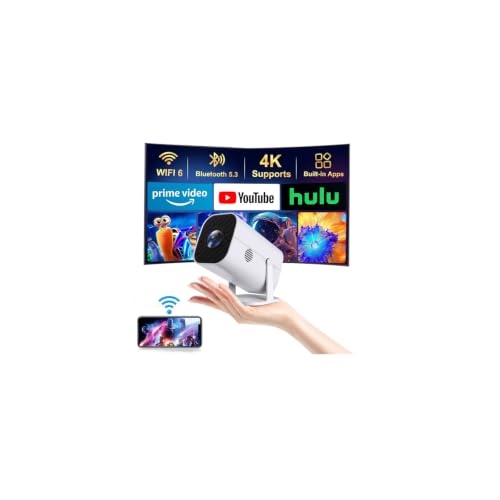
Compare the best affordable movie projectors by type, brightness, throw distance and light source life, and learn which style fits your room and budget.
Shopping for a first projector gets confusing fast, because four different light technologies sit side by side at similar prices and each one suits a different room. The best affordable movie projectors are not the brightest or the cheapest in absolute terms; they are the ones whose type matches your light, your space, and how often you watch. This guide compares the types plainly, then walks through the specs that decide the picture.
The comparison table below puts the main types side by side with their strengths, trade offs, and typical prices.

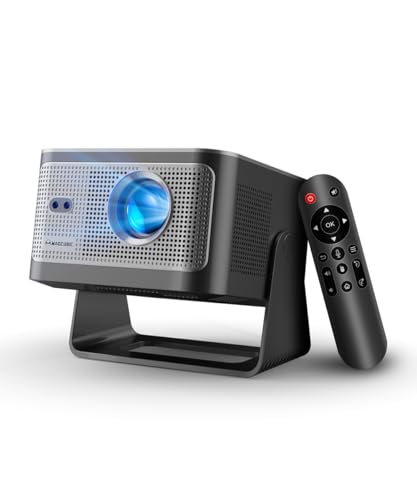
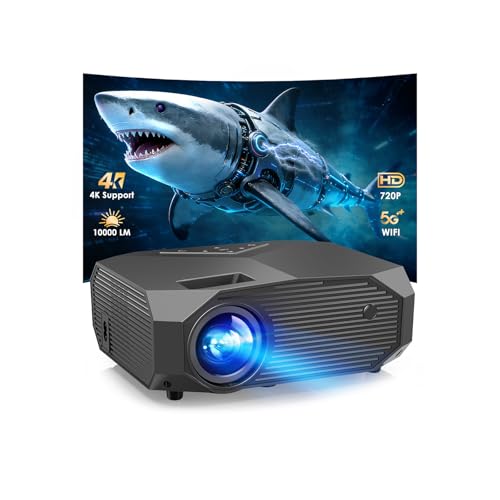
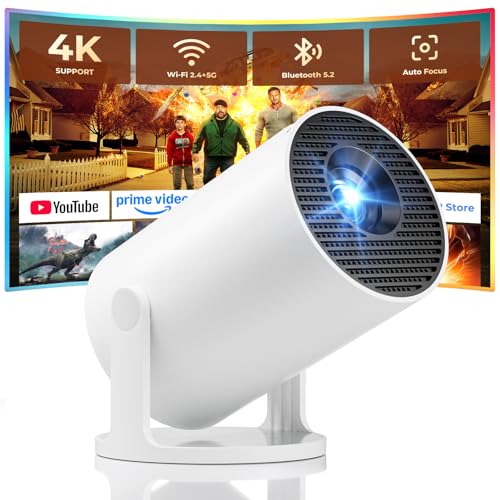

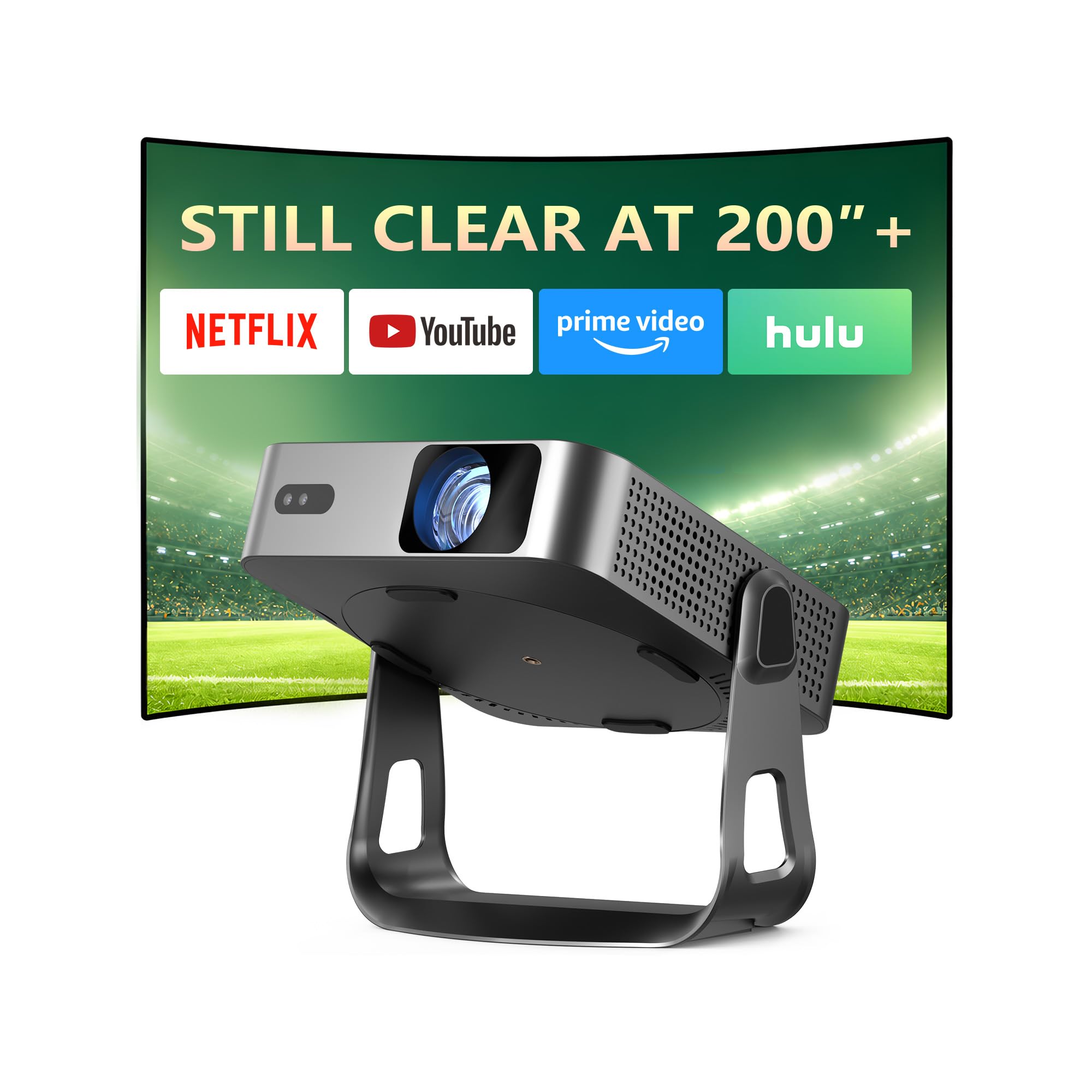
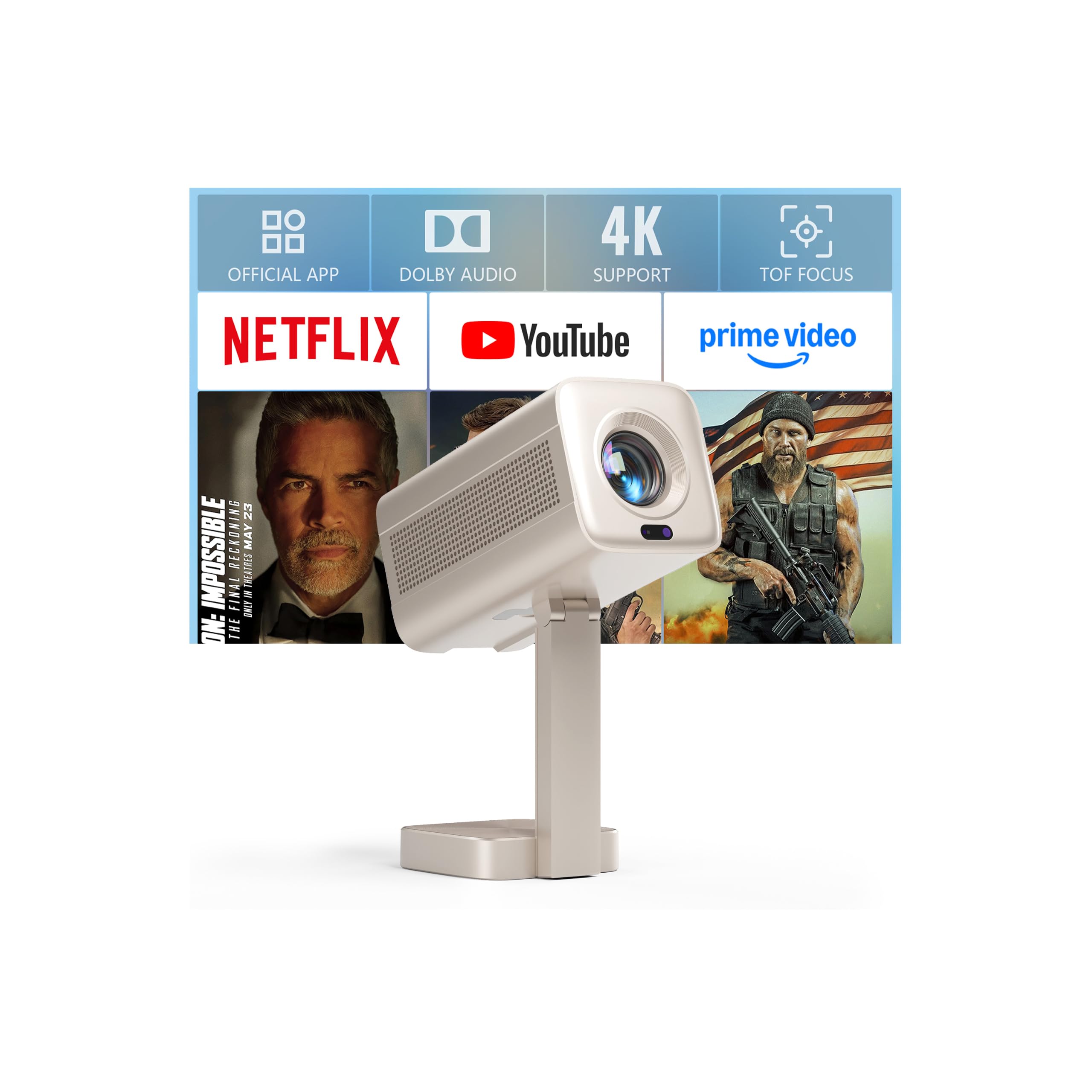
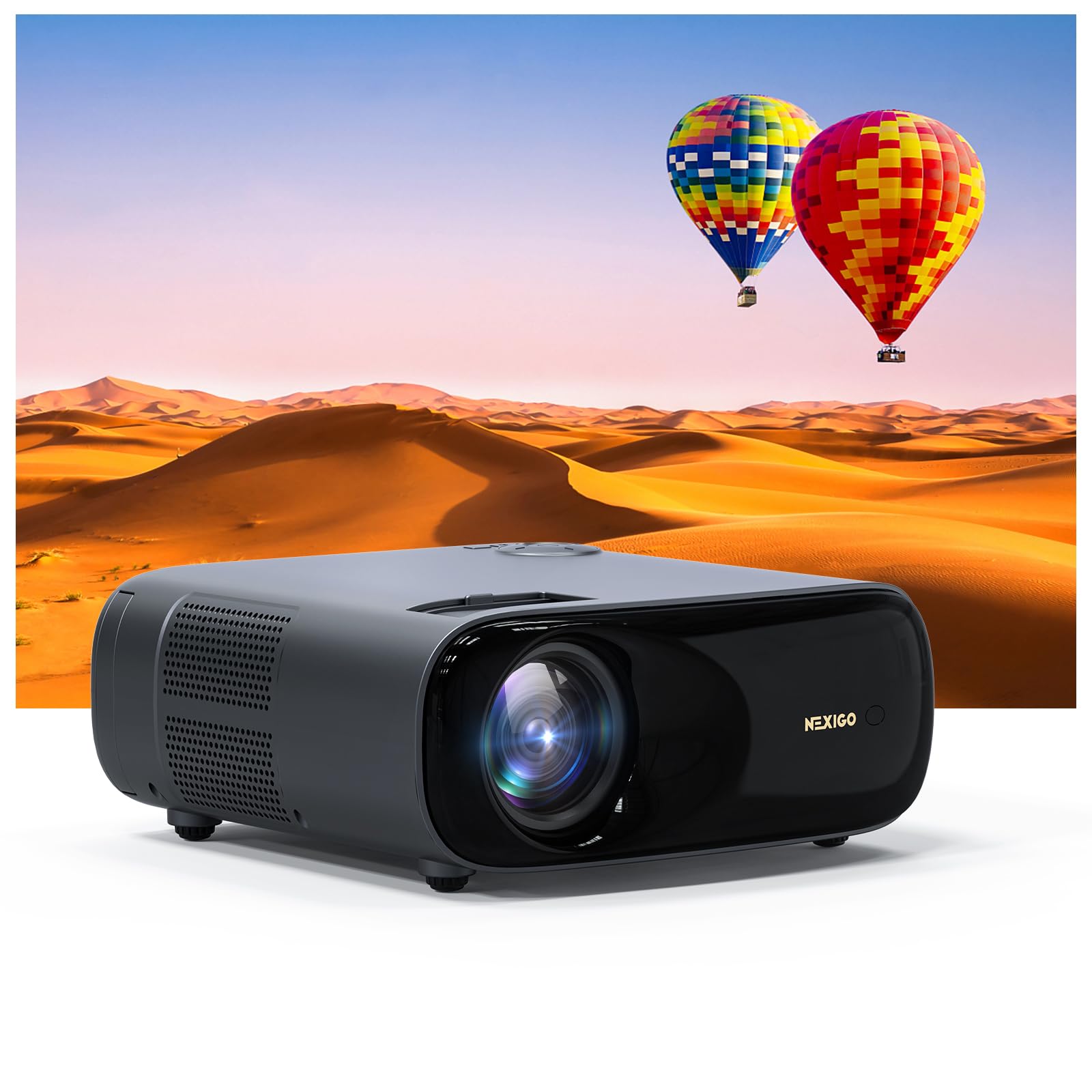
Types of Movie Projectors Compared
Every affordable projector belongs to one of four families, split mainly by light source and placement style. Shoppers who want the wider picture can also browse our guide to the best home movie projectors across all budgets, but the four types below cover what most first time buyers actually choose between.
| Type | Best For | Strengths | Trade Offs | Typical Price |
|---|---|---|---|---|
| Lamp Based | Movie nights in a dark room | Bright, sharp, low entry price | Lamp swaps, fan noise | about $300 to $600 |
| LED | Casual viewing in small rooms | Long light life, compact bodies | Lower brightness | about $150 to $400 |
| Laser | Brighter rooms and heavy use | High brightness, very long light life | Highest prices of the group | about $600 to $1,000 |
| Portable and Short Throw | Renters and tight spaces | Big image from a short distance | Modest brightness and sound | about $200 to $500 |
Lamp Based Projectors: The Traditional Route
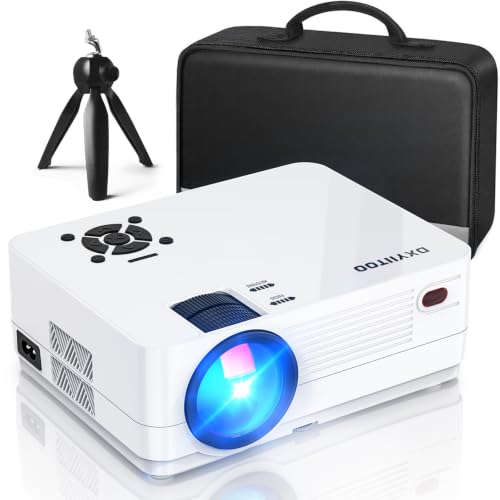
Lamp based models, built on DLP or LCD chips, remain the value benchmark for a darkened room. They deliver strong brightness and sharp focus for the money. The trade off is upkeep: the lamp dims over time and needs replacement after about 4,000 to 6,000 hours, and cooling fans are usually the loudest of any type. If you watch films a few nights a week in a controlled room, this type gives the most picture per dollar.
LED Projectors: Long Life at Modest Brightness
LED models replace the lamp with light emitting diodes that last about 20,000 hours, effectively the life of the projector. They start fast, run cool and quiet, and often come in compact bodies that move easily between rooms. Their weakness is brightness, which limits them to smaller images and darker spaces.
For casual streaming, kids rooms, and occasional big screen nights, that trade is often worth it. For a living room with daylight, it usually is not.
Laser Projectors: Bright and Built for Heavy Use
Laser models use a laser light source that holds its brightness for about 20,000 hours with very slow fade. They are the brightest affordable type and the easiest to live with day to day, since there is no lamp to buy or swap. Households that watch daily, or that cannot fully darken the room, get the most from paying the premium.
Portable and Short Throw Models: Big Pictures in Small Rooms
Short throw projectors make a large image from just a few feet away, and portable models add batteries, handles, and simple setup for renters and dorm rooms. This family solves the placement problem that stops many buyers, since no ceiling mount or long room is required. Brightness and built in sound are modest, so expectations should match. Our guide to the best affordable portable projectors looks closer at the models built to move from room to room.
Lamp Based vs Laser: Which Should You Choose?
These two types compete for the same buyer, so compare them on the costs that unfold over years. A lamp based model costs less up front but asks for a replacement lamp, usually about $50 to $150, every few years of regular use. A laser model costs more on day one and then asks for almost nothing, holding brightness far longer.
Noise also differs: lamp models run their fans harder as the lamp ages, while laser models stay steadier. Choose the lamp route for a dark room and a tight budget, and the laser route for daily viewing or a room with windows you cannot cover.
How to Choose the Right Movie Projector
Type is only the first decision. The four factors below decide whether the projector you bring home actually suits your room, and permanent setups can cross check their shortlist against our guide to the best affordable home projectors for dedicated spaces.
Brightness and Room Light Come First
Brightness governs how watchable a movie projector is once it is in your room, and it should be settled before any other spec. In a dark room with covered windows, about 1,000 to 2,000 ANSI lumens gives a rich, contrasty image at typical sizes. In a lit room with lamps on or daylight leaking in, plan on about 3,000 to 4,000 ANSI lumens or the picture will look washed out.
Only trust the ANSI figure, because many low cost listings advertise inflated lumen numbers that cannot be compared across brands. The same daylight logic applies outside, which is why our guide to the best affordable outdoor projectors starts from brightness too.
Throw Distance and Room Size
Throw distance reads best as a room measurement: it tells you how far the projector must sit from the screen for a given image size. A standard throw model needs about 8 to 12 feet to fill a 100 inch screen, while a short throw model does the same from about 3 to 6 feet, and ultra short throw designs sit inches from the wall. Measure your room before ordering, and favor a model with some zoom range, because it forgives imperfect placement.
Native Resolution: Read the Chip, Not the Box
The native chip governs the resolution you actually see, no matter what the box advertises. Many budget models accept a 4K signal yet display a 1080p picture, which is fine for films but should be priced as 1080p. Native 720p looks soft once the image passes about 80 inches, so treat native 1080p as the realistic floor for a movie setup. Buyers set on true 4K should start with our guide to the best affordable 4k projectors and expect to pay near the top of the affordable range.
Sound: Plan for External Audio
Built in projector speakers are a convenience, not a solution, since most are small drivers of about 3 to 10 watts that leave dialogue thin and quiet. Plan about $50 to $150 for a soundbar or a pair of powered speakers as part of the real budget. Check that the projector has an audio output or an HDMI port with audio return so the connection stays simple. Bluetooth audio works in a pinch, though it can add a slight delay between picture and sound on some models.
Tips to Get the Most From Your Movie Projector
- Use the cinema or movie picture preset instead of the vivid mode, which pushes color and brightness past accurate levels.
- Project onto a smooth, light colored wall or an inexpensive matte screen, and keep the surface free of texture where possible.
- Control the light you can: curtains, a dimmer on room lamps, and seating that does not face a bright window all raise perceived contrast.
- Keep vents unobstructed and clean the air filter on lamp models as the manual directs, since dust and heat shorten light source life.
- Lock in alignment once, using keystone correction sparingly, because heavy digital correction softens the picture.
Frequently Asked Questions
How many lumens does a movie projector need for a living room?
A living room projector needs about 2,000 to 3,000 ANSI lumens if some light stays on, and less if the room darkens fully. Screen size changes the answer too, because the same output spread over a 120 inch image looks dimmer than on a 90 inch image. A screen with modest gain can help a dimmer projector, since it reflects more light back toward the seating. When in doubt, buy brightness before extra features.
Can a movie projector replace a TV for daily viewing?
A laser or bright LED projector can replace a TV for daily viewing, but a lamp based model is a poor fit for all day use. Lamp hours are a consumable budget, and a household watching six hours a day can burn through a lamp in about two years. Daily viewers should also weigh fan noise during quiet daytime programs. For mixed use, many households keep a modest TV for news and use the projector for films and sport.
How far should a movie projector sit from the screen?
Most standard throw projectors sit about 8 to 12 feet from the screen for a 100 inch image, but the exact distance depends on the throw ratio printed in the spec sheet. Divide your available distance by the image width you want to confirm a model fits before ordering. Ceiling mounting adds cable length to the shopping list, so measure the power and HDMI runs as well. A rear shelf at head height behind the couch is the easiest placement in most rooms.
Do budget movie projectors need a screen, or is a wall enough?
A smooth white wall is enough to start, and many owners never buy a screen at all. Walls with texture, strong color, or a glossy finish will tint and soften the picture, though, and a pale gray wall can actually help perceived contrast in a bright room. An entry level matte screen costs about $50 to $120 and gives a flatter, brighter surface with a defined border. Try the wall first, then upgrade only if you can see a problem.
How long does a projector lamp last before replacement?
A typical projector lamp lasts about 4,000 to 6,000 hours in normal mode, and eco mode can stretch that figure considerably by trading some brightness. The lamp does not fail all at once; it dims gradually, so colors and contrast fade before the bulb gives out. Keep the model number noted somewhere, because replacement lamps are specific to each projector family. Once a spare lamp costs a large share of a new projector, upgrading usually makes more sense.
Final Thoughts
Match the type to your room first, then check brightness against your light, throw distance against your space, and the native chip against the resolution on the box. The best affordable movie projectors are simply the ones that pass those four checks at a price you are comfortable with. Use the product table above to compare the current options type by type, and add a modest sound budget so the audio keeps up with the picture.