Best Affordable Home Projectors: A Buyer Checklist for 2026
Disclosure: We may earn a commission when you buy through links on this page, at no extra cost to you. As an Amazon Associate I earn from qualifying purchases. Learn more
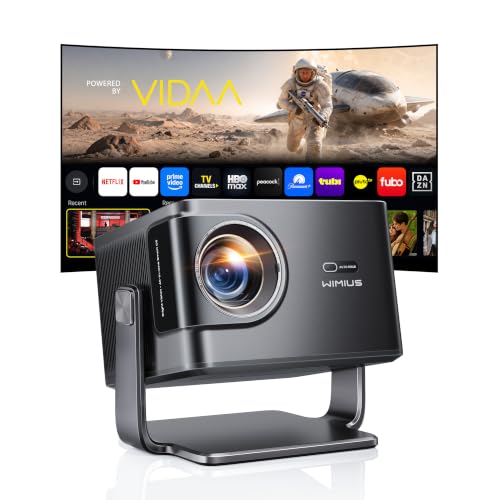
Use this checklist to choose affordable home projectors, covering brightness, throw distance, resolution, light source, sound, and setup for movie nights.
A good home projector turns an ordinary wall into a movie screen, but the cheapest option is not always the best value once room light, throw distance, and sound enter the picture. The best affordable home projectors give enough brightness for your room, a sharp image at your seating distance, and connections that fit your streaming devices and speakers. Use the checklist in this guide to compare models on the points that matter, and the product table will help you shortlist options before you buy.
Start with your room, not with a spec sheet. Measure the distance from the projector to the screen wall, note how much daylight the room gets in the evening, and decide whether you want a permanent mount or a projector you can move between rooms. Those three answers narrow the field faster than any single brightness or resolution number.

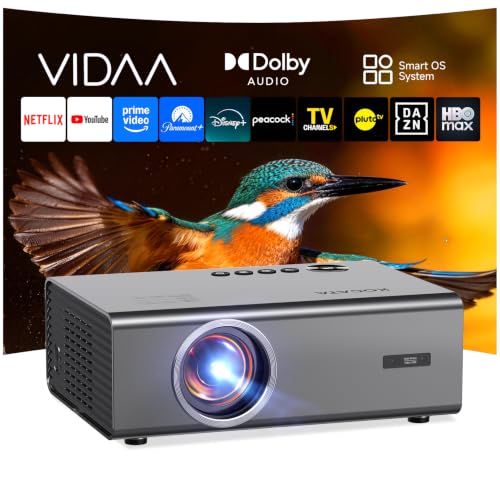

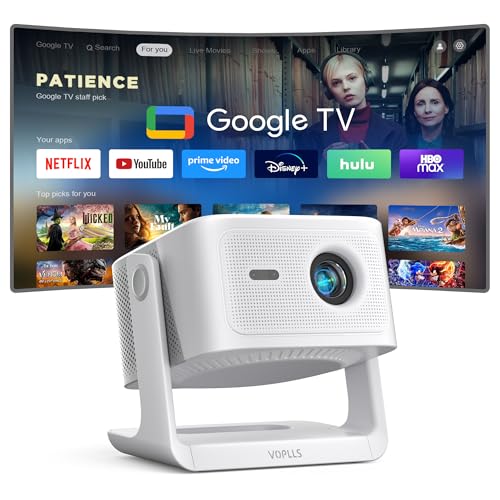

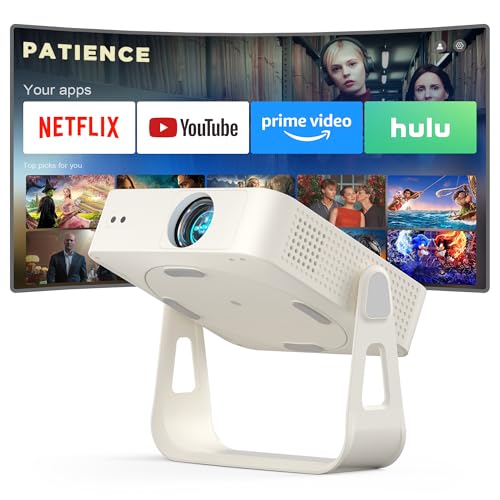
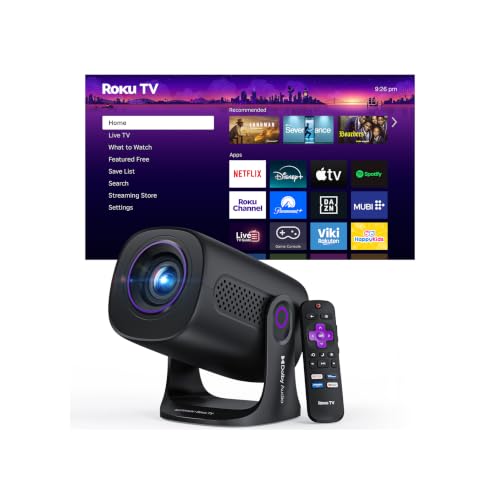

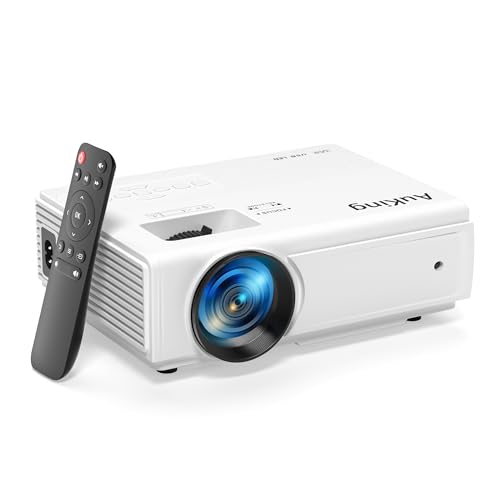
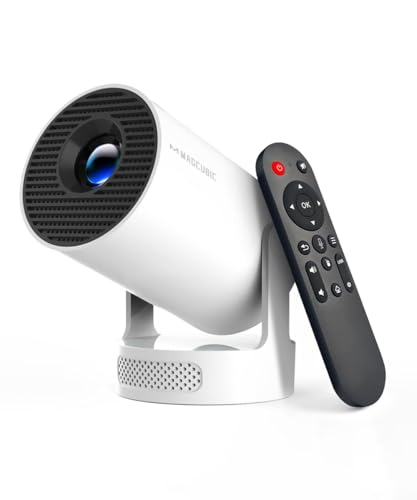
Best Affordable Home Projectors: A Buyer Checklist
What You Can Realistically Get on a Budget
At about $200 to $600, you can expect a bright enough image for a darkened room, full HD resolution, built in speakers for casual viewing, and wireless or wired streaming from a stick or laptop. You may give up true 4K resolution, the highest contrast, automatic lens shift, and the quietest fans found on costlier models. Spend first on brightness and lens quality, because a dim or soft image cannot be fixed later, while sound can improve with an external speaker. For a related option built around movie rooms, see our guide to the best affordable projectors for home theater and compare its room requirements with yours.
Brightness and Room Light
Brightness, measured in lumens, decides whether the picture survives lamps, windows, and light colored walls. A dark room with blackout curtains works well at lower brightness, while a living room with evening daylight needs substantially more output and benefits from an ambient light rejecting screen. Be wary of inflated lumen claims, since makers measure differently, so compare contrast and real world reports alongside the headline number. If your room stays bright, put brightness and screen choice ahead of resolution, because a sharp but washed out image disappoints faster than a slightly softer but punchy one.
Throw Distance and Screen Size
Throw distance is the space between the projector lens and the screen, and throw ratio decides how large the image grows at a given distance. A standard throw projector suits rooms with about 8 to 12 feet of space, while a short throw projector suits smaller rooms by producing a large image from just a few feet away. Measure your room carefully, including mount depth and seating position, before choosing a screen size, because an image that is too large forces constant head movement. Keystone correction and lens shift help square the image, but optical adjustment preserves sharpness better than heavy digital correction.
Light Source and Lamp Life
Home projectors use lamps, LEDs, or lasers as light sources, and each choice affects brightness, color, noise, and running costs. Traditional lamps cost less upfront but dim over time and need replacement after a few thousand hours, while LED and laser sources last far longer and hold color better. Check replacement lamp prices and availability before buying a lamp based model, and note that fan noise grows as brightness rises, which matters in quiet dramas. Keep vents clear so heat escapes freely, and never look directly into the lens while the projector is on.
Resolution and Contrast
Resolution decides fine detail, while contrast decides how deep blacks look and how much texture survives in dark scenes. Full HD resolution suits most affordable setups, especially at typical living room seating distances, while 4K input support does not always mean a true 4K projected image, so read the fine print. Contrast matters more than many buyers expect, because a projector with weak contrast turns night scenes gray even when resolution is high. For sharper detail on a budget, see our guide to the best 4k home projectors and check whether true resolution or pixel shifting sits behind the claim.
Sound and Connections
Built in speakers suit casual viewing in small rooms, but most affordable projectors sound thin at movie volume, so plan for a soundbar or speakers if films matter to you. Check for HDMI ports, audio output, and wireless casting support, and confirm your streaming stick, console, and laptop all connect without adapters you did not budget for. A projector with Bluetooth audio can simplify speaker placement, while a wired audio output avoids lip sync problems in some setups. For a setup built around streaming and shows, see our guide to the best projectors for home entertainment and match its connection advice to your devices.
Spending Levels That Fit Different Rooms
A modest setup for dark rooms centers on a full HD projector, a plain white wall or basic screen, and built in sound, keeping total cost low while still delivering a true big screen feel. A brighter setup for living rooms steps up brightness, adds an ambient light rejecting screen, and pairs the projector with a soundbar, because room light and everyday viewing demand more output. A larger screen setup for dedicated rooms adds higher resolution, better contrast, and a fixed screen with proper mounting, which suits viewers who watch films often and want a theater feel at home. Match the level to your room and viewing habits, not to the largest screen you can imagine.
Quick Buyer Checklist
- Have you measured throw distance, screen wall width, and seating distance?
- Does the projector stay bright enough for your room at your usual viewing time?
- Can your streaming devices, console, and speakers all connect without extra adapters?
- Is the fan noise acceptable at your seating position during quiet scenes?
- Have you budgeted for a screen, mount, cables, and sound beyond the projector itself?
- Does the light source life and replacement cost fit how often you watch?
- Can you keep vents clear and the lens clean in your planned placement?
Red Flags to Watch For
- Vague brightness claims with no standard stated, or contrast figures that look far above rivals at the same price.
- Resolution wording that hides pixel shifting behind a 4K label without explaining the true projected detail.
- Missing warranty terms, unclear return policy, or no named support channel for lamp and fan problems.
- Reviews that read as identical praise with no mention of fan noise, focus drift, or room light limits.
- A projector with too few ports for your devices, forcing adapters that add cost and connection trouble.
Tips to Get the Most From Your Home Projector
Calibrate picture settings after setup, starting by turning off vivid mode, which oversaturates color and crushes detail. Clean the lens gently with a microfiber cloth only, keep vents clear of dust and curtains, and let the projector cool before moving it. Use a fixed screen or a smooth, evenly painted wall for the sharpest image, and darken the room as much as practical for evening films. For a cinema focused alternative, see our guide to the best home cinema projectors and compare its screen and seating advice with your room.
Frequently Asked Questions
Is 4K worth it on an affordable home projector?
True 4K helps on very large screens viewed from close seating, but full HD usually looks excellent at typical living room distances. Many affordable models accept a 4K signal yet project a lower native resolution through pixel shifting, so check the true projected detail before paying extra. Brightness, contrast, and lens sharpness affect perceived quality more than resolution alone at this price. Spend on those factors first, and treat 4K as a bonus rather than a requirement for enjoyable movie nights.
How long does a projector light source last?
Lamp based projectors typically last a few thousand hours before brightness fades noticeably, and replacement lamps add a real running cost. LED and laser sources usually last far longer, often tens of thousands of hours, with steadier color over time. Actual life depends on brightness mode, ventilation, and usage patterns, so keep vents clear and avoid running maximum brightness when a lower mode looks fine. Check replacement part prices before buying, and factor them into the total cost of ownership.
What screen size fits a small room?
Screen size depends on throw distance and seating distance, not on the largest image the projector can produce. In a small room, a short throw projector can fill a 100 inch screen from just a few feet away, while a standard throw model needs more depth. Sit far enough back that you can take in the whole image without turning your head, usually about 1.5 times the screen width or more. Measure both distances first, then choose a screen that fits comfortably within them.
What matters more for movie nights, brightness or contrast?
Contrast matters more in a dark room, because deep blacks and shadow detail create the cinematic look that brightness alone cannot deliver. Brightness matters more in a room with lamps or daylight, because a dim image washes out no matter how good its contrast rating sounds. The right affordable choice balances both for your actual room, rather than chasing one extreme number. Check how the picture looks in similar lighting when possible, and remember that screen choice shifts the balance in either direction.
Can an affordable projector work in a bright room?
An affordable projector can work in a bright room, but only with enough lumens, a suitable screen, and realistic expectations about daytime viewing. An ambient light rejecting screen, curtains, and seating away from windows all help more than a small brightness bump. Very bright rooms still favor a television for daytime sports, while projectors shine for evening films and weekend movie nights. If daytime viewing dominates your use, prioritize brightness and screen choice over resolution and extra features.
Our Verdict
Choose the projector that fits your room first: enough brightness for your light levels, a throw distance that matches your space, and connections for the devices you already own. Resolution and sound can improve later, but a dim image or an awkward placement will frustrate you every night. Run through the checklist above, compare options in the product table, and pick the setup that suits your viewing habits. With the right match, the best affordable home projectors deliver a big screen experience without a big screen budget.