
Best Affordable Monitors for PS5 at Every Price: What Your Money Really Gets You in 2026
Disclosure: We may earn a commission when you buy through links on this page, at no extra cost to you. As an Amazon Associate I earn from qualifying purchases. Learn more

Compare the best affordable monitors for ps5 by price tier, pixel density, refresh rate and ports, and see which upgrades are worth paying for.
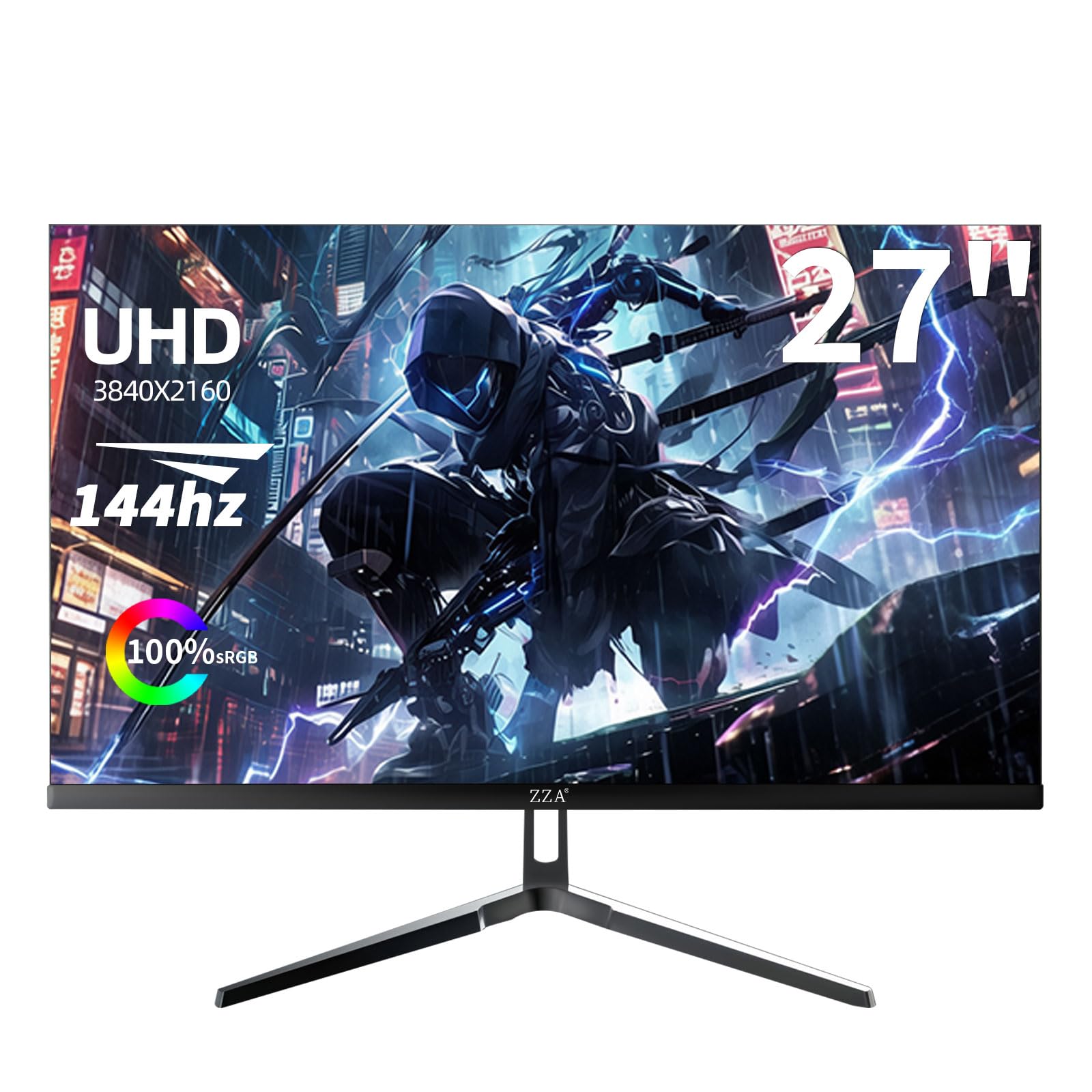
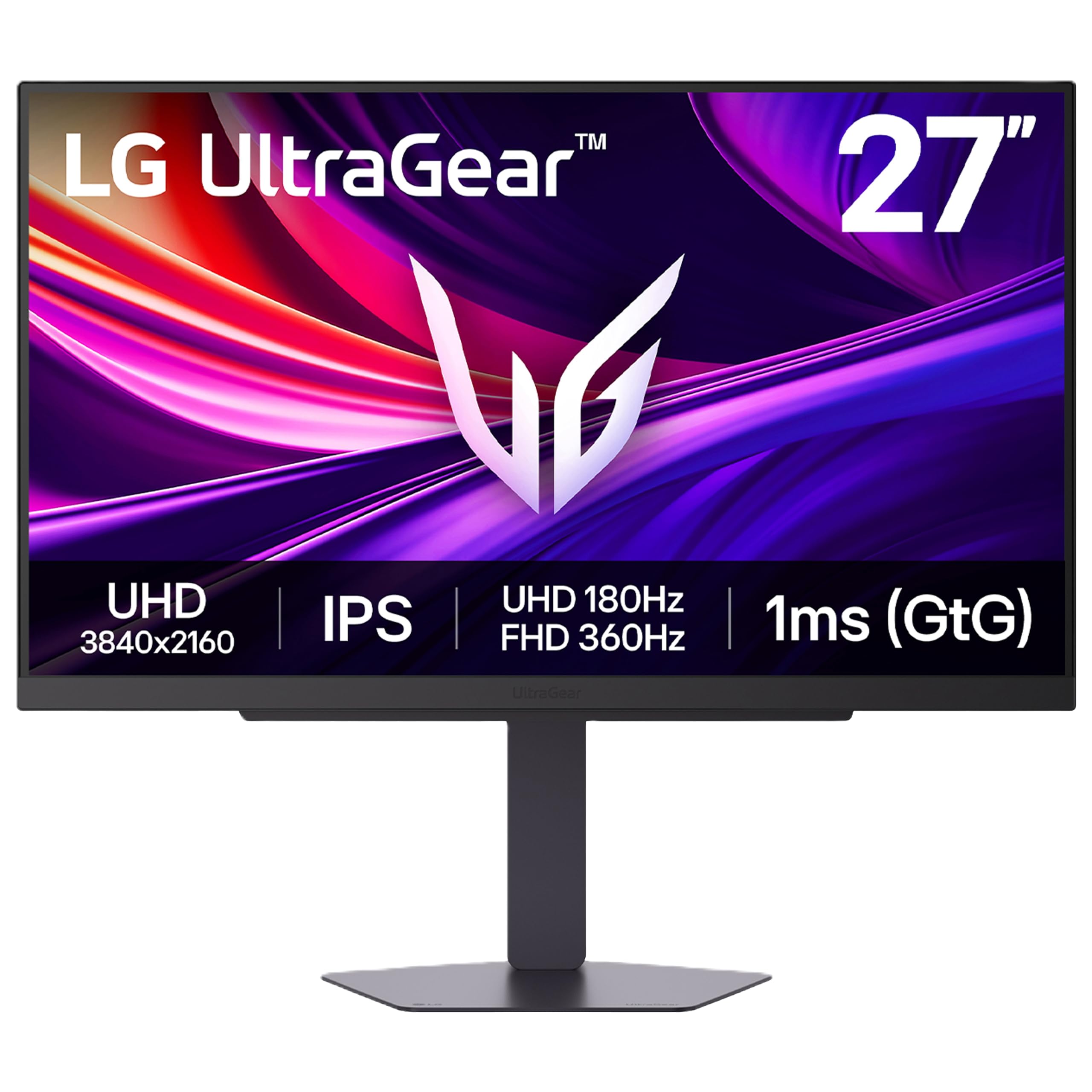
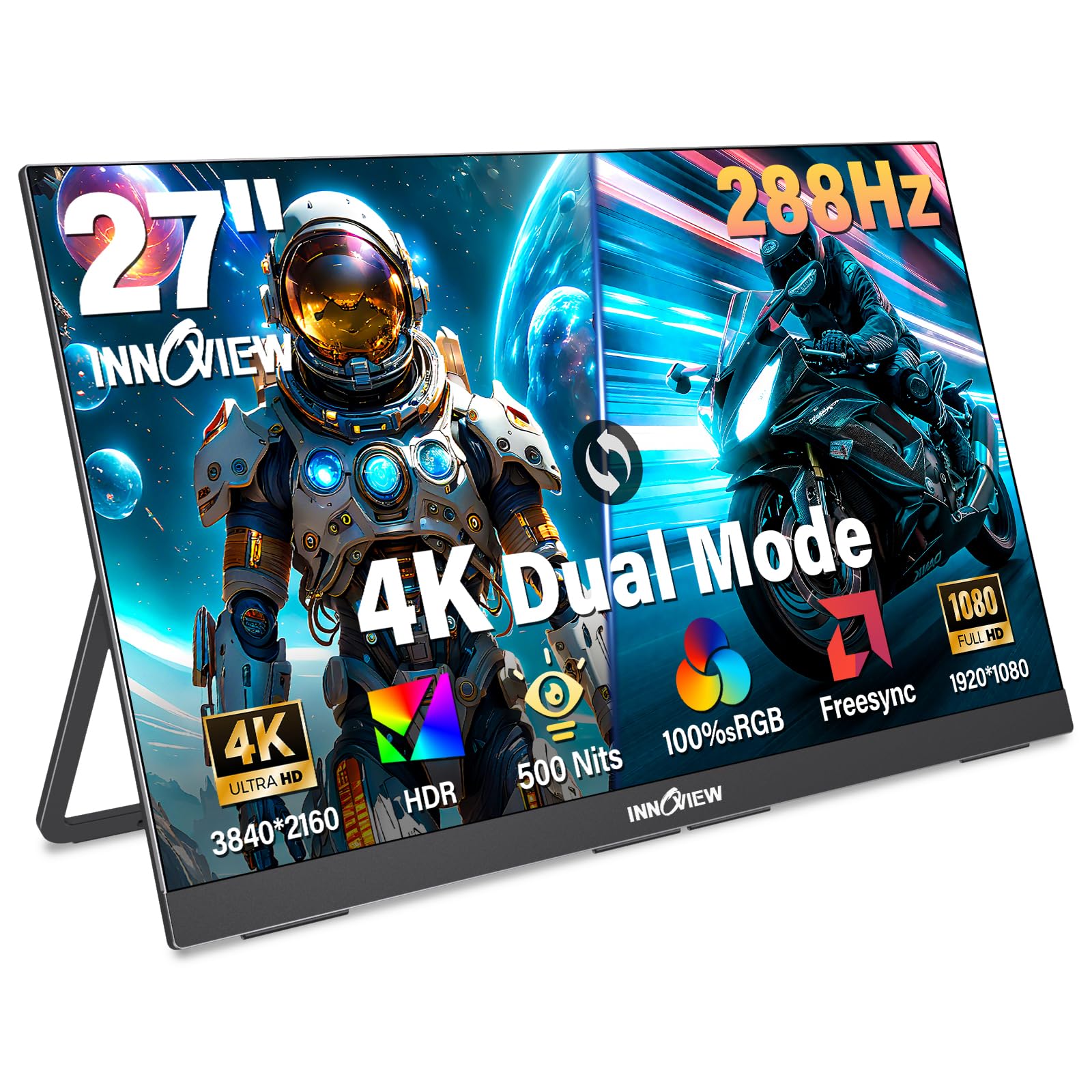
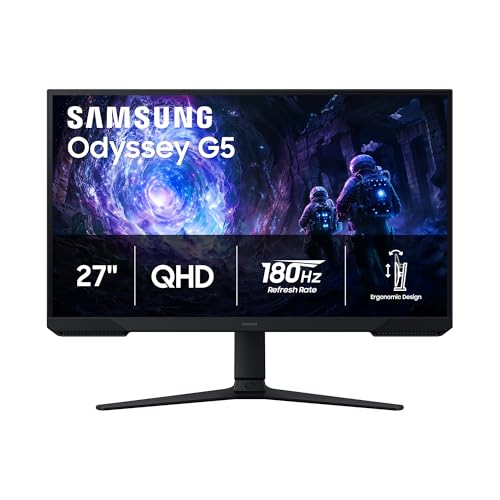
Console gaming monitors span a wide price range, from basic screens under $200 to near flagship panels that cost several times more. The gap in picture quality has narrowed a lot, and the best affordable monitors for ps5 now cover the features that matter most for console play. This guide breaks down what each price tier really delivers, so you can put money into the upgrades you will actually see on screen.
The comparison table below lines up the main options side by side, and the sections after it explain how to read the specs behind the prices. Three things decide most purchases at this level: how sharp the picture looks at your screen size, whether the panel can keep up with the console output, and whether the ports pass the full signal without limits.
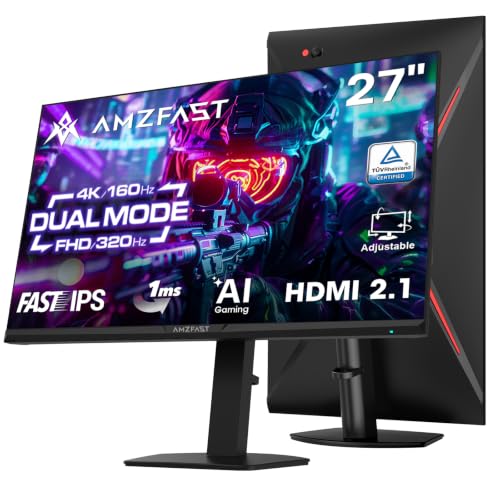
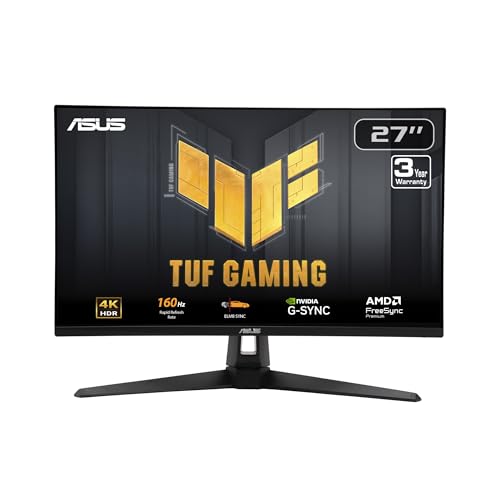
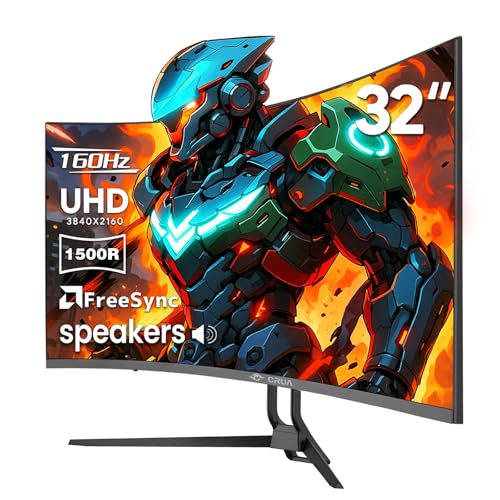
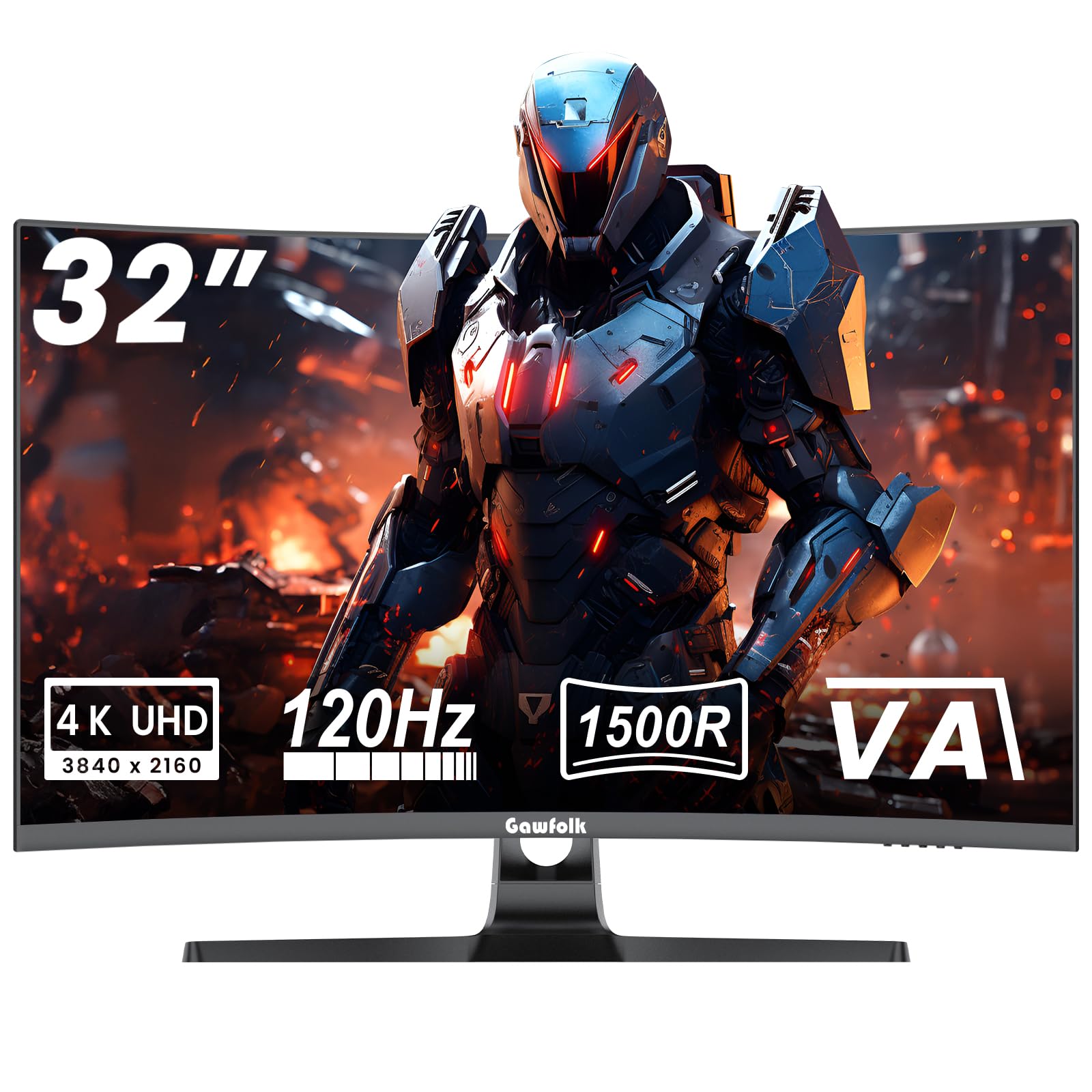

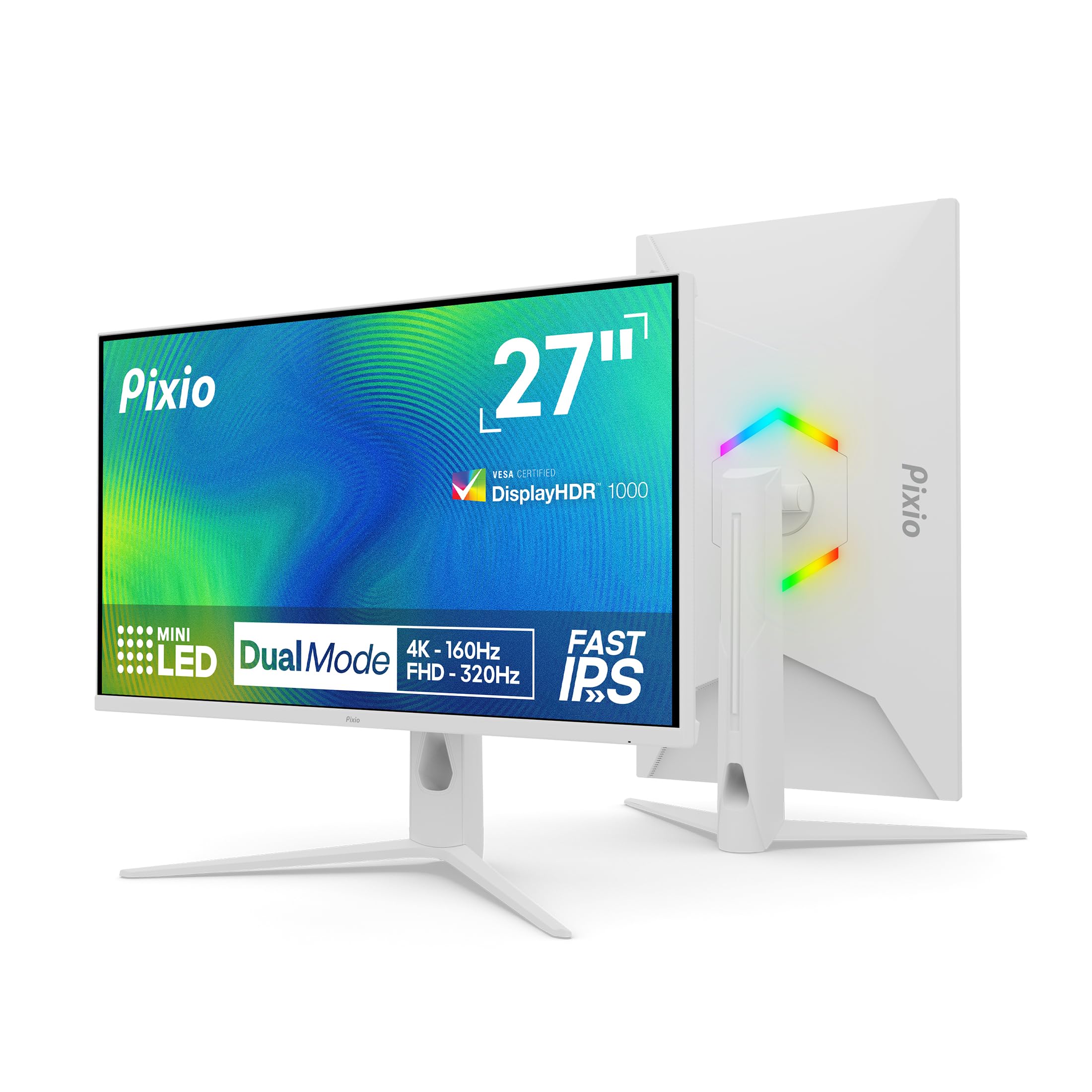
What Your Money Gets You at Each Price Tier
Prices for console friendly monitors cluster into three broad bands on US retail sites. The bands below describe typical feature sets rather than specific models, and readers comparing best affordable monitors for general use will notice many of the same panels, because console needs and desk needs overlap heavily at these prices.
Entry Band, About $150 to $250: Solid Play Without the Extras
This band buys 1080p panels at 24 to 27 inches, with 1440p appearing near the top of the range during sales. Expect refresh rates of 60 to 144 Hz, basic HDR labels with modest brightness, one or two HDMI ports, and tilt only stands. Picture quality is perfectly enjoyable for story games and casual online play, and the money saved can go toward storage or a second controller. This band suits a desk setup, a spare room screen, or a first dedicated gaming display.
Middle Band, About $250 to $450: The 4K Step Up
The middle band is where 4K resolution at 27 to 28 inches becomes realistic, along with the full bandwidth ports that high frame rate modes need. Brightness rises to about 350 to 400 nits, stands usually add height adjustment, and some models include USB ports for charging accessories. Players who split time between cinematic titles and competitive shooters get the most from this tier, and it is also the point where guides to the best gaming monitors start to overlap with console shopping, since PC and console features converge here.
Upper Band, About $450 to $700: Premium Panels at Sensible Prices
Spending into this band brings OLED and Mini LED panels into reach, with true local dimming, much deeper contrast, and wider color coverage. Motion clarity improves as well, which fast paced games show clearly. These screens cost more than the console itself in some cases, so they make sense mainly for players who game daily and watch films on the same display. If you play a few hours a week, the middle band delivers most of the experience for far less money.
Key Features to Compare
Spec sheets at this price level mix the numbers that matter with marketing labels that do not. The five factors below, in this order, decide how the screen will actually look and feel with a console connected.
Pixel Density: The Sharpness Number That Matters Most
Pixel density, measured in pixels per inch, governs how sharp an affordable console monitor looks from a normal seating distance. A 27 inch 4K screen reaches about 163 ppi and shows fine detail with almost no visible pixel structure. A 27 inch 1440p screen sits at about 109 ppi, which still looks crisp at a desk, while a 32 inch 1440p screen drops to about 92 ppi and suits a slightly farther seat.
A 32 inch 4K screen lands near 140 ppi and balances size with sharpness. The general rule is simple: as the screen grows, resolution has to grow with it, or the picture turns soft. Our companion guide to the best monitors for ps5 at all price levels applies the same density math to larger and premium screens.
Refresh Rate: Match the Panel to the Console Limit
The console itself sets the ceiling here, because its fastest game modes output 120 frames per second. A 120 Hz or 144 Hz panel can display every one of those frames, so paying extra for a 240 Hz screen buys headroom the console cannot use. Variable refresh rate support matters more for most players, since it smooths the frame drops that open world games produce.
Many titles still run at 60 frames per second, so treat 120 support as a welcome bonus rather than a requirement. Shoppers cross shopping PC displays will find the same logic in guides to the best affordable gaming monitors, where the source device decides the useful refresh ceiling.
Ports and Bandwidth: The HDMI Version Sets the Ceiling
Port bandwidth decides whether the panel ever sees the best signal the console can send. An HDMI 2.1 port carries 4K at 120 frames per second, while an HDMI 2.0 port tops out at 4K at 60 frames per second, so check the version on at least one port before buying. Two HDMI ports are worth having if a second console, a streaming stick, or a laptop shares the screen. A headphone jack or audio output also matters, because the console has no optical audio port and monitor speakers are rarely good enough for dialogue heavy games.
Panel Type and HDR: What the Labels Really Mean
IPS panels offer the widest viewing angles and steady color, which helps when two people watch or play from a couch angle. VA panels deliver deeper contrast for dark scenes but can smear dark motion, and OLED panels give the strongest contrast of all at upper band prices. HDR labels need skepticism at this level: convincing HDR needs peak brightness around 600 nits or more plus local dimming, and most budget screens simply accept an HDR signal without showing its range. Judge these monitors by their standard picture quality first and treat HDR as a minor extra.
Eye Comfort: Helpful Features, Honest Limits
Low blue light modes and flicker free backlights can make long evening sessions feel easier, and a matte coating cuts reflections from windows and lamps. These are comfort features, though, and no monitor treats eye strain or fixes tired eyes on its own. Regular breaks, sensible brightness for the room, and a screen placed at a comfortable distance do more than any panel feature.
If headaches or eye pain keep happening during play, book an eye exam rather than shopping for a new screen. If the same display doubles as a work screen, our guide to the best affordable pc monitors covers the office side of the same purchase.
Long Term Costs to Factor In
The sticker price is not the whole cost of the setup. Many affordable monitors ship with basic stands, so budget about $30 to $80 for a monitor arm if you need real height and tilt adjustment. A certified high bandwidth HDMI cable runs about $15 to $25 if the cable in the box is too short for your layout.
Power use is minor, roughly 30 to 50 watts during play, and warranty length plus the dead pixel policy matter more than small price differences between similar models. If you plan to add a soundbar for better dialogue, set aside about $50 to $150 more.
Monitors: Your Questions Answered
What features matter most on a console gaming monitor?
The port version, the resolution for the screen size, and refresh support matter most, in that order. A full bandwidth HDMI port guarantees the console can send its best signal, and density matched to size keeps the image sharp. Input lag on current gaming panels is low enough, usually a few milliseconds in game mode, that it rarely decides a purchase. Spend remaining budget on brightness and stand adjustment before chasing extra gaming labels.
Is 4K or 1440p the smarter buy on a budget?
At 27 inches, 1440p is the smarter budget buy for most desks, because it looks sharp up close and costs far less than 4K. Many console games also render below native 4K in their performance modes and upscale the result, which narrows the visible gap further. Choose 4K if you sit close to a 28 inch or larger screen, or if you watch a lot of 4K film and streaming content on the same display.
What screen size works best at a desk?
A 27 inch screen suits most desks, filling your view at a typical seating distance of about an arm and a half without forcing head turns. Measure the distance from your chair to the screen position before ordering, since a deep desk makes a 32 inch screen comfortable while a shallow desk can make even 27 inches feel crowded. Wall mounting or an arm reclaims depth and can make a larger screen work in a small room.
How long does a gaming monitor usually last?
A well kept gaming monitor usually serves about five to eight years before brightness fade or aging backlights become noticeable. Most models carry warranties of about three years, which covers the period when early failures are most likely. Longevity improves when brightness is not run at maximum all day and the screen sleeps when idle. Because console generations last many years, a good monitor often outlives the console it was bought for and carries over to the next one.
Can one monitor serve console gaming and office work?
Yes, one monitor can handle both jobs well, and this is a common reason to pick 1440p or 4K over 1080p. Text at those resolutions is noticeably cleaner for documents and spreadsheets, and multiple inputs let you switch between the console and a work laptop in seconds. Some models add a KVM switch so one keyboard and mouse control both machines. Just confirm the stand adjusts high enough for desk work, since gaming only models sometimes skip height adjustment.
Final Thoughts
Start with the room and the budget, then match pixel density to screen size, insist on at least one full bandwidth port, and treat HDR labels at low prices with healthy doubt. The best affordable monitors for ps5 are the ones that get those three basics right for the way you play. Use the product table above to compare the current options against each tier, and let the feature sections here guide where your money goes.


