
Best Affordable Mixers of 2026: Complete Buying Guide
Disclosure: We may earn a commission when you buy through links on this page, at no extra cost to you. As an Amazon Associate I earn from qualifying purchases. Learn more

Learn how to choose the best affordable mixers with guidance on types, bowl size, power, attachments, and care for everyday baking and cooking at home.
A good mixer saves your arms, your time, and more than a few lumpy batters, and the best affordable mixers do that without straining your budget. The confusing part is choosing between hand and stand styles, bowl sizes, and power claims that all sound alike. This guide sorts the tiers and specs into plain decisions.
You will learn what each price level really delivers, which specs matter for your recipes, and how to care for the machine so it lasts. Start with the comparison table below, then match the sections to your kitchen habits.


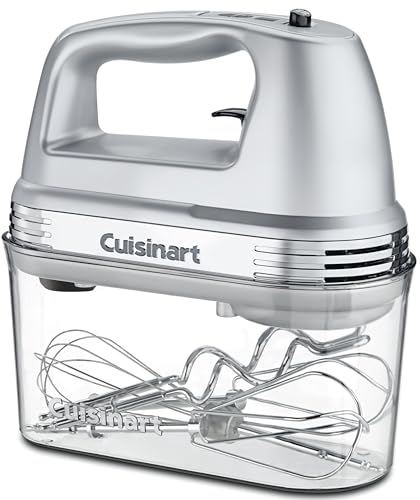
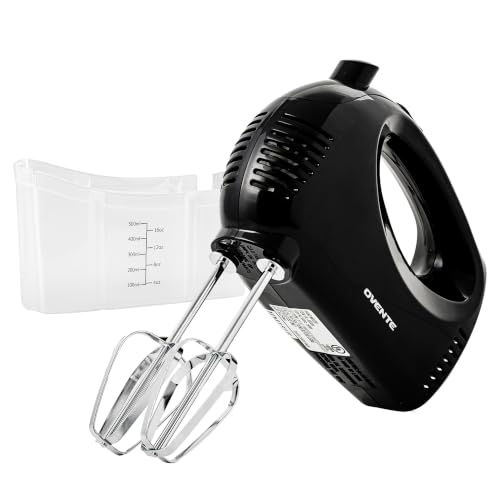


Three Budget Tiers at a Glance
Think in tiers rather than chasing one winner. Each tier below describes what that money generally buys, who it suits, and where it falls short. Your recipes, batch sizes, and counter space should pick the tier for you.
Best Overall
The overall tier, usually about $150 to $300 for a stand mixer or about $60 to $100 for a strong hand mixer, balances power, bowl size, and build. Expect steady speed control, metal gears or reinforced parts, and attachments that lock in firmly. These machines handle bread dough, thick cookie dough, and big frosting batches without begging for mercy.
This tier suits regular bakers who cook weekly and want one machine for years. The limit is counter space and weight for stand models. If your kitchen allows it, this is the tier where affordable stops feeling like a compromise.
Best Value
The value tier, around $80 to $150 for stand models and about $35 to $60 for hand mixers, covers everyday baking well. You get several speeds, a medium bowl, and basic beaters, whisks, and dough hooks. Bodies use more plastic, and motors work harder on stiff dough.
This tier fits weekend bakers, small households, and anyone upgrading from mixing by hand. The trade off appears with double batches and dense dough, where you may need to split loads. Used within its limits, a value mixer is the smartest money in this whole guide.
Best Upgrade Pick
The upgrade tier, about $300 to $450, buys stronger motors, larger bowls, and quieter running. Planetary mixing action reaches ingredients at the bowl edges better, and extra attachment hubs open doors to pasta, grinding, and more. Build quality feels closer to equipment than appliance.
This tier suits serious home bakers, bread makers, and cooks who entertain often. It is an upgrade in stamina and capacity, not in basic results, since a value mixer still whips cream beautifully. Buy it when your recipes regularly push a cheaper machine to its limit.
How to Choose the Best Mixers: Buying Guide
The right best affordable mixers choice depends on six checks: realistic budget expectations, your actual recipes, warranty cover, build quality, performance specs, and long term costs. Work through them once and listings become easy to read.
What You Can Realistically Get on a Budget
Under $100, expect a capable hand mixer or a compact stand mixer for cakes, cookies, and whipped toppings. Speeds will be fewer, bowls smaller, and dough capacity limited. That is fine for most home baking, as long as you respect the limits.
Do not save money by accepting a motor that strains and smells hot on normal dough. Spend first on motor strength and solid attachments. A pretty color or extra storage case adds nothing to your baking, while a weak motor ends every heavy recipe early.
Intended Use and Who It's For
Match the mixer to your top three recipes. Cake and frosting bakers need smooth low speeds and good whisks. Bread bakers need torque at low speed and a dough hook that actually kneads. Occasional bakers who mostly whip cream and mix batter can happily choose a hand mixer and save counter space.
Batch size matters as much as recipe type. A mixer for a family of six needs a bigger bowl than one for a couple. If baking is your main goal, the focused advice in the best affordable mixers for baking guide goes deeper on dough and bowl choices.
Warranty and Customer Support
Look for at least a one year warranty, with longer cover on stand mixers a welcome sign of confidence. Check that replacement beaters, bowls, and attachments are easy to buy in the United States, because a lost beater should not retire a whole machine. Keep your receipt and register the product soon after buying.
Support quality shows in clear manuals and reachable help lines. Before buying, glance at the maker support page for your model type. If manuals and parts lists are missing there, expect the same neglect when something breaks.
Build Quality and Materials
Metal gears and a sturdy body handle years of thick dough better than all plastic builds. Bowls in stainless steel resist stains and dents, while glass bowls look nice but add weight and break risk. Attachments should feel solid, with coated or stainless finishes that survive the dishwasher as the manual allows.
Check the hinge and head lock on tilt head stand mixers, since wobble grows with age on weak designs. Practical know how: run the mixer empty at each speed in the store or on day one at home. Grinding noises or burning smells are return it now problems, not break in quirks.
Key Performance Specs
Power ratings in watts can mislead, because design matters as much as the number. More useful signs are steady speed under load, a slow start that keeps flour in the bowl, and enough speeds to fold gently or whip fast. For stand mixers, planetary action, where the beater circles the bowl while spinning, mixes more evenly.
Bowl capacity of about 4 to 5 quarts suits most homes. Dough capacity, often listed as flour power or cups of flour, tells bread bakers the real limit. For hand mixers, a resting heel and swivel cord sound minor but make long sessions far less tiring.
Maintenance and Long Term Costs
Long term costs include replacement attachments, bowls, and the odd repair after warranty ends. Popular models keep parts cheap and available for years, which quietly makes them better value. Hand washing attachments extends coating life, even when listings call them dishwasher safe.
Budget a few dollars a year for care and the occasional part, and the machine stays cheap to own. If you lean toward a counter model, compare ownership notes in the best affordable stand mixers guide before you commit counter space.
Types of Mixers
Mixer listings sort into four rough groups by price and size. Knowing the group tells you what jobs the machine can honestly do. Shoppers who want the full counter model picture can also read the best stand mixers overview for larger options.
Budget Options
Budget options are mostly hand mixers and small stand mixers under about $100. They shine at batters, frostings, mashed potatoes, and whipped cream. They struggle with stiff bread dough and double batches. For light weekly use and small kitchens, they deliver honest value and store in a drawer or cabinet.
Compact Options
Compact options shrink the footprint for apartments, dorms, and crowded counters. Small stand mixers and strong hand mixers lead this group. Bowls run about 3 to 3.5 quarts, which suits couples and small families. You trade batch size for a machine you will actually leave out and use, which is a trade many cooks win.
Premium Options
Premium options cost more but bring stronger motors, bigger bowls, and quieter, steadier running. They suit bread bakers, big families, and sellers of home baked goods. Attachments and parts ecosystems are widest here. Buy premium when your recipe volume proves you need it, not as a first guess.
Mid Range Options
Mid range options sit between value and premium, with better motors and bowls than budget models at moderate prices. For many households this is the sweet spot, and the best affordable hand mixers category shows how far a well chosen mid range hand model can go. Expect comfortable weekly baking, moderate dough ability, and parts that stay available.
How to Make Your Mixer Last Longer
- Read the manual before first use: dough limits and attachment rules differ by model, and the manual states the loads your motor can truly handle.
- Clean and inspect regularly: wipe the body, wash attachments promptly, and check cords and beater shafts for damage before each big baking day.
- Store in a dry place: moisture under cabinets near sinks can corrode parts, so keep the mixer and its attachments dry.
- Register the product for warranty: registration takes minutes and speeds up any claim, especially when paired with a saved receipt.
- Respect batch limits: splitting one huge dough into two loads is always cheaper than replacing a burnt out motor.
Frequently Asked Questions
How much should I spend on a mixer?
Spend about $35 to $60 for a good hand mixer or about $100 to $250 for a stand mixer that covers most home baking. Below those ranges, motors and attachments usually disappoint within a year. Above them, you pay for capacity, quieter running, and durability rather than better cakes. Match the spend to how often you bake each month.
What features matter most when buying mixers?
Steady speed under load, a slow gentle start, and solid attachments matter most when buying mixers. Bowl size should fit your usual batch with room to spare, since overfilled bowls mix poorly and spray ingredients. For stand models, planetary mixing action improves evenness. Extra speed settings beyond about six add little, while a good dough hook adds a whole recipe category.
Are expensive mixers worth it?
Expensive mixers are worth it for frequent bakers who make bread, double batches, or food to sell. Stronger motors, larger bowls, and longer warranties repay the cost over years of heavy use. For monthly cake and cookie baking, a mid range machine gives the same results for far less money. Let your recipe diary, not advertising, make this call.
How do I maintain a mixer?
Maintain a mixer by washing attachments after use, wiping the body with a damp cloth, and keeping vents free of flour dust. Check that beaters lock in tightly and spin without wobble. Store the cord loosely coiled rather than wrapped tight around the body. Once a year, review the manual service notes and inspect the plug and cord for wear.
How long does a mixer last?
A mixer lasts about five to ten years for a stand model and three to six years for a hand mixer with normal home use. Lifespan drops when owners overload dough batches or skip cleaning, which lets residue harden around moving parts. Lifespan grows when you respect capacity and store the machine dry. Parts availability for popular models often decides the true end of life.
Wrapping Up
Choose the tier by your recipes, then protect motor strength, bowl size, and attachment quality above colors and extras. Hand mixers win on storage and price, stand mixers win on dough and batch size, and mid range models win for most weekly bakers. Compare your finalists in the product table above before ordering.
The best affordable mixers are simply the ones sized right for your kitchen and honest about their limits. Buy that machine, respect its batch sizes, and it will quietly handle years of birthday cakes, holiday cookies, and weeknight mashed potatoes.


