
Best Affordable Mixers for Baking: The Buyer Checklist for 2026
Disclosure: We may earn a commission when you buy through links on this page, at no extra cost to you. As an Amazon Associate I earn from qualifying purchases. Learn more

Use this buyer checklist to compare the best affordable mixers for baking by motor power, bowl size, speed control, and build quality before you buy.
A cheap mixer that stalls on bread dough or flings flour across the counter is no bargain, yet plenty of affordable models bake beautifully when you know which specs actually matter. This checklist first guide walks you through the best affordable mixers for baking by the criteria that decide real results: motor strength under load, bowl size, speed control at the low end, and the attachments included in the box.
Work through each criterion, check your kitchen space and your usual recipes, and then compare the finalists in the comparison table below. By the end you will know whether a hand mixer, a compact stand mixer, or a larger stand mixer fits your baking life.


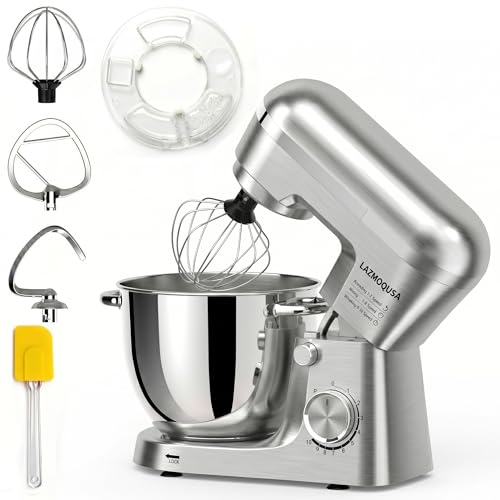
How to Evaluate Mixers
Score each mixer against the criteria below rather than trusting headline wattage or a long list of speed numbers. A strong budget mixer starts slowly without spraying ingredients, holds a steady pace on thick dough, and covers the bowl so you scrape less often. If you are still deciding between categories, our broader guide to the best mixers for baking explains how hand and stand models divide the work.
What You Can Realistically Get on a Budget
Around $30 to $60 buys a capable hand mixer for cakes, cookies, whipped cream, and soft doughs, with a few speeds and basic beaters. Around $80 to $180 is the stand mixer sweet spot, where you can expect a 4 to 5 quart bowl, a dough hook, and a motor that handles enriched dough in moderate batches. Above about $200, budget lines add stronger motors, metal gears on some models, and larger bowls.
Expect compromises in body materials, shorter cords, and fewer included attachments at the lowest prices. Do not compromise on a true slow first speed or a dough hook if bread and pizza dough are weekly projects.
Features That Matter for Baking
Baking asks for controlled low speeds more than raw top speed, because folding batter, starting flour into butter, and kneading dough all punish a jumpy start. Look for a slow start function or a genuinely gentle first setting, plus a pulse style burst option for cutting butter into flour. A dough hook, flat beater, and wire whip should come in the box, since buying them later erases the savings.
Planetary mixing action, where the beater orbits the bowl while spinning, covers more of the bowl per pass and reduces scraping. A splash guard with a pour opening is a small feature that saves real cleanup on flour heavy recipes.
Motor Power and Wattage
Wattage alone misleads, because a well geared 300 watt stand mixer can knead dough that stalls a loosely geared model with a higher number on the box. Use wattage as a rough screen: hand mixers around 200 to 300 watts suit light to medium batters, while stand mixers around 300 to 575 watts cover most home baking, including sandwich loaves.
Judge power by behavior instead. The motor note should stay steady on thick dough, the body should not grow hot quickly, and the mixer should not slow dramatically when the bowl fills. Variable speed control that holds a setting under load matters more than a peak power claim.
Footprint, Storage, and Cord Length
Measure before you buy. Many stand mixers stand about 14 to 17 inches tall, which can clash with upper cabinets that sit roughly 18 inches above the counter, especially once the head tilts open. Check the depth with the bowl fitted, and confirm the machine fits the shelf or cupboard where it will actually live, because a mixer stored in a garage gets used far less.
Cord length of about 3 to 4 feet suits most counters, and cord storage in the base keeps things tidy. Hand mixers win on storage, since they fit in a deep drawer, which is why they remain the smart buy for small kitchens.
Speed Settings and Presets
Five to ten speeds cover baking well when the steps between them are even. What matters most is the bottom of the range: the lowest setting should stir without splashing, and the second should cream butter and sugar without forcing the motor. Top speed only needs to whip cream and egg whites to firm peaks, which most models manage easily.
Presets are nice extras, yet manual control with a clear dial beats a confusing touch panel when your hands are floury. Our overview of the best affordable mixers shows how these speed ranges look across categories.
Capacity and Bowl Size
Match bowl size to your real batches. A 3 to 4 quart bowl handles single cake layers, small cookie batches, and one loaf at a time. A 4.5 to 5 quart bowl is the versatile middle, covering double cookie batches and standard bread dough made with about 4 to 5 cups of flour. Bowls of 6 quarts and up suit bakers who regularly double recipes or knead stiff dough for several loaves.
Oversizing has a cost: small amounts of cream or egg white can hide under the beater in a big bowl and refuse to whip.
Bowl Material (Stainless Steel, Glass, Plastic)
Stainless steel bowls are light, tough, and chill well for whipped cream, and they shrug off drops that would end a glass bowl. Glass bowls let you watch mixing progress and often carry measurement marks, but they are heavy and can chip at the rim. Plastic bowls cost the least and feel light, though they can hold odors and scratch over time, so check that any plastic is BPA free.
Handles matter too: a sturdy side handle makes lifting a full bowl safer. Whatever the material, confirm that replacement bowls are sold for the model.
What Each Price Tier Delivers
Instead of chasing named products, use the tiers below as profiles. Any model you consider should match the profile for its tier on motor behavior, bowl size, and included attachments; if it charges a higher tier price while delivering a lower tier profile, skip it. Shoppers focused on stand models in particular can cross check with our guide to the best affordable stand mixers as they compare.
The Best Overall Tier
This tier, usually around $120 to $200, pairs a 4.5 to 5 quart stainless bowl with a motor that kneads standard dough without drama, a slow start, and all three core attachments in the box. It suits weekly bakers who move between cakes, cookies, and bread without wanting a second machine. Expect a plastic body on many models at this level, a warranty of about 1 to 3 years, and enough weight to stay planted on the counter during kneading.
The Best Value Tier
Value tier machines, around $60 to $120, include both strong hand mixers and entry stand mixers. You give up bowl size, top end power, and some fit and finish, yet you keep the essentials: even low speeds, a dough hook on stand models, and attachments that clean up easily. This tier suits bakers who make cakes and cookies weekly but bread only occasionally, and it is where careful spec reading pays off most.
The Best Compact Tier
Compact options, around $40 to $100, favor small counters and small batches: hand mixers with storage cases and slim stand mixers with 3 to 3.5 quart bowls. They whip, cream, and mix beautifully at modest scale and store in drawers or narrow cupboards. The limit is batch size and stiff dough, so plan to split large recipes.
Quick Buyer Checklist
- Does the lowest speed stir gently without splashing flour or liquid?
- Are a flat beater, dough hook, and wire whip included in the box?
- Does the bowl size match your usual batch, from single cakes to double cookie dough?
- Will the mixer fit under your cabinets and in its storage spot with the head open?
- Does the motor rating and gearing suit dough, or only batters and cream?
- Are replacement bowls and attachments easy to buy for this model?
- Is the warranty at least 1 year, with clear support contact details?
Red Flags to Watch For
Walk away from listings that quote only peak wattage with no steady power figure, since that number says little about dough performance. Be wary of vague capacity claims with no bowl size in quarts, and of speed counts that sound huge while the lowest setting still spins fast. Very short warranties, missing safety certification marks, and attachment sets sold entirely as extras are further warning signs.
Review patterns matter too. A cluster of complaints about burned out motors or cracked plastic gears points to design weakness rather than bad luck, and prices far below every comparable model usually mean corners cut in the motor or gears.
Setup and Care Tips
Set the bowl firmly and start every recipe on the lowest speed, adding flour in stages so the motor loads gradually and the kitchen stays clean. Scrape the bowl once midway with the machine off, and let thick dough rest if the body feels hot. Wash beaters and bowls right after use with warm water and a drop of soap, dry attachments fully, and store the dough hook with the mixer so it is never missing on bread day.
Mixers: Your Questions Answered
What features matter most in mixers for baking?
A gentle low speed, a dough hook, and a bowl sized to your batches matter most. Together they cover the full baking range, from folding batter to kneading loaf dough, without splashing or stalling. Planetary action and a splash guard help, but they rank below those three basics, so fund the basics first if your budget forces a choice.
Is a more expensive mixer worth it?
It is worth it when the extra money buys motor strength under load, metal gearing, a larger usable bowl, and a longer warranty. It is not worth it when the price only adds colors, preset programs, or styling. Bakers who knead dough weekly feel the upgrade daily, while occasional cake bakers often get equal results from a solid midrange model.
What's the difference between a blender and a food processor?
A blender uses a tall jar and fast blades to turn ingredients into smooth liquids like smoothies and soups. A food processor uses a wide bowl and discs or blades to chop, slice, and shred, and many can knead small dough batches. Neither replaces a mixer for creaming butter, whipping whites, or kneading full size bread dough, which is why bakers keep all three roles separate.
How do I clean a mixer quickly?
Clean it right away, before batter dries. Fill the bowl partway with warm water and a drop of soap, run the mixer on low for about 20 seconds, then rinse and dry. Wipe the body and head with a damp cloth, never submerge the motor housing, and wash attachments by hand if the manual warns against the dishwasher for coated parts.
How many watts does a good mixer need?
Most home bakers are covered by about 250 to 350 watts in a hand mixer and about 300 to 575 watts in a stand mixer. Judge the number alongside gearing and behavior, since a steady motor at a lower rating can outwork a strained motor at a higher one. If you knead stiff dough often, choose the upper end of those ranges.
Can a mixer crush ice?
No, a baking mixer is not built to crush ice, and trying can chip beaters and strain the motor. Ice crushing belongs to blenders with strong blades and jars designed for impact, sometimes helped by a tamper. If frozen drinks are part of your routine, buy that capability in a blender rather than expecting one machine to cover both jobs, and see our guide to the best food mixers for baking for how multi role machines compare.
The Bottom Line
Judge by low speed control, included attachments, and honest bowl size, and the right choice usually becomes obvious. Hand mixers win on price and storage, stand mixers win on dough and hands free mixing, and the middle price tier serves most home bakers best. Compare your finalists in the product table above, and if you prefer power in your hand rather than on the counter, our guide to the best handheld mixers for baking is a good next read. Picked by checklist rather than by headline claims, the best affordable mixers for baking will handle years of cakes, cookies, and loaves without straining your budget.


