
Best Affordable Stand Mixers 2026: A Practical Buying Guide
Disclosure: We may earn a commission when you buy through links on this page, at no extra cost to you. As an Amazon Associate I earn from qualifying purchases. Learn more

Learn how to choose affordable stand mixers that suit your baking routine, kitchen space and budget, with clear checks for power, bowl size and build quality.
Shopping for best affordable stand mixers can feel confusing because prices vary widely and every model claims to do everything. The truth is simpler: the right mixer is the one that matches how often you bake, what you mix, and how much counter space you can spare. This guide walks through those choices step by step, so you can spend where it matters and skip features you will never use.
Start with your routine. A household that bakes bread every weekend needs different strength and capacity than a household that whips cream once a month. The product table above shows the main types side by side, and the sections below explain who each type suits, which features deserve your money, and which mistakes lead to returns.


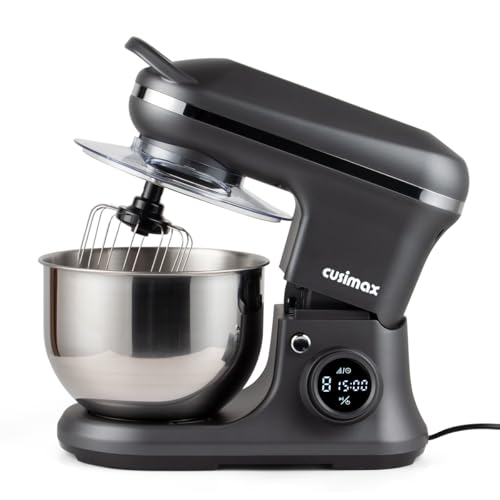

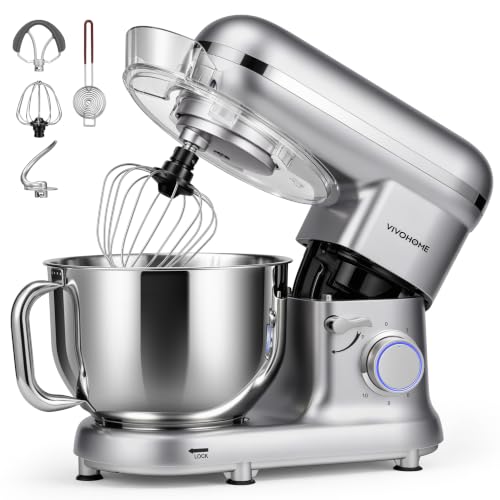


The comparison table below gives a quick side by side view of the main types covered in this guide, so you can shortlist options before reading the detail.
Who Should Buy Which Type
For Busy Families Cooking Every Day
Families that bake or cook daily should prioritize a sturdy base, a bowl of about 4 to 5 quarts, and a motor that stays steady under thick dough. A tilt head design makes it easy to add ingredients and swap attachments, while a bowl lift design suits heavier loads. Look for a splash guard if you often mix at higher speeds, and check that the bowl and tools fit your dishwasher routine.
For Occasional Bakers on a Budget
If you bake a few times a month, a compact model with a smaller bowl is often enough, and it leaves more counter space free. Focus on the whisk and flat beater quality rather than extra attachments you may never open. A simple speed dial is easier to live with than a long list of presets, and a lighter body is easier to lift in and out of a cabinet.
For Bread and Dough Enthusiasts
Bread makers need power and patience from a mixer. A stronger motor, metal gears, and a dough hook that reaches the bottom of the bowl matter far more than color or extra speeds. Choose a bowl large enough for your usual batch, and remember that very stiff dough should be mixed in smaller amounts, with rest breaks, to protect the motor over time.
Key Features Explained in Plain English
Motor Power and Build
Motor power tells you how hard the mixer can work, but the build tells you how long it will last. Metal gears and a heavy base reduce wobble during thick mixes, while a light plastic body may walk across the counter. Read the rated capacity for dough rather than the bowl size alone, because a large bowl filled with stiff dough can still strain a modest motor.
Bowl Size and Material
Bowl size should match your usual batch, not your largest ever batch. A bowl that is too large makes small amounts hard to mix, because the beater cannot reach the ingredients well. Stainless steel bowls resist stains and chill well for cream, while glass bowls let you watch progress but add weight. A handle and a pouring spout make everyday use much easier.
Attachments You Will Actually Use
Most buyers use three tools: a flat beater for batters, a whisk for cream and egg whites, and a dough hook for bread. Extra attachments sound exciting, but they add cost and storage needs. Buy the core tools first, use the mixer for a month, and only then decide whether a grinder or pasta tool earns its place in your kitchen.
Speed Control and Stability
Good speed control starts slow, so flour does not cloud the kitchen, and rises smoothly without jumping. A mixer that stays planted at medium speed is safer and quieter than one that shakes. Suction feet or a heavy base help, and a slow start setting is worth more than a top speed you will rarely reach.
How to Compare Options and Set a Budget
Budget tiers help you judge value honestly. Entry models at about $50 to $120 suit light, occasional use and smaller batches. Mid range models at about $120 to $250 usually add stronger motors, larger bowls, and better build, which suits weekly baking. Above that range you pay for capacity, durability, and brand support rather than basic mixing ability, so check warranty length and parts availability before stretching your budget.
Compare options by your three most common jobs, not by the longest feature list. Write down your usual batch size, your toughest dough, and your storage space, then test each model against those three points. A model that wins on all three is a better buy than a model with ten extras that fails on your main job.
Related guides can help you narrow the choice further. Read our guide to best stand mixers if that angle matters more to you. Read our guide to best affordable mixers if that angle matters more to you. Read our guide to best stand mixers for dough if that angle matters more to you. Read our guide to best kitchen stand mixers if that angle matters more to you. Read our guide to best stand mixers for bread if that angle matters more to you.
Care, Safety and Common Mistakes
Clean the bowl and tools soon after use, because dried batter is harder to remove and can dull finishes over time. Wipe the body with a damp cloth and never immerse the motor head in water. Check the beater height now and then, since a beater that sits too high leaves unmixed ingredients at the bottom, and one that sits too low can scrape the bowl.
A common mistake is running thick dough at high speed for a long time, which overheats the motor and shortens its life. Use low to medium speed for dough, give the motor short rests on very stiff batches, and stop if you smell overheating or hear strain. Another mistake is buying the largest bowl available, which makes small batches harder to mix well.
A Final Check Before You Buy
Before you buy, picture your busiest baking week and test each shortlisted mixer against it. A model that handles your largest dough batch, fits under your cabinets, and leaves room for the bowl to lift or tilt will serve you far better than a model chosen for color alone. Write down your three most common recipes and check bowl size, motor strength, and attachment needs against each one.
Visit a shop if you can and lift the mixer, tilt the head, and feel the controls. Weight tells you about stability, while a smooth tilt mechanism tells you about daily ease. If shopping online, read the dimensions carefully and compare them with your counter height and storage space, because a mixer that cannot fit its usual spot quickly becomes a cupboard item.
Check warranty length, parts availability, and the cost of spare bowls and beaters before committing. Affordable mixers vary widely in support, and a model with available spare parts lasts longer than a cheaper model with no spares. A clear warranty and a responsive maker support line add real value over years of weekly baking.
Watch for seasonal sales, but do not let a discount override fit. A sale model with the wrong bowl size or weak motor is still a poor buy, however low the price. Compare sale prices across similar capacity models, and remember that a well chosen mixer at full price beats a mismatched bargain that frustrates every bake.
Finally, think about how the mixer will age with your cooking. Households that start baking more often outgrow small bowls quickly, while households that bake less may regret a huge model. Choose a size slightly above your current routine if you expect to bake more, and keep the box and manual until you are sure the mixer suits your kitchen.
Think about storage and daily handling as well as performance, because a mixer you dread lifting will not get used. A model that lives on the counter suits daily bakers, while a lighter model suits those who store it in a cabinet. Check the weight, the grip points for lifting, and whether the bowl and tools store neatly together without a separate box.
Ask yourself what would make you recommend the mixer to a friend after six months. Usually the answer is reliability on your toughest recipe, easy cleanup, and a bowl size that fits everyday batches. If a shortlisted model fails any of those three tests, keep looking, because daily frustration outweighs a small saving on purchase day.
Frequently Asked Questions
How much power do I need for bread dough?
You need a motor and gear set rated for dough, not just a high wattage number on the box. Check the maker dough capacity in pounds, choose a metal gear design for regular bread baking, and mix stiff dough at low to medium speed. Smaller batches and rest breaks protect the motor and give more even kneading.
Is a tilt head or bowl lift design better?
A tilt head is easier for adding ingredients and changing tools, which suits everyday baking and smaller kitchens. A bowl lift design holds heavier bowls more steadily and suits large, stiff batches. Choose tilt head for convenience and bowl lift for capacity, and check that the design fits under your cabinets.
What bowl size suits a family of four?
A bowl of about 4 to 5 quarts suits most family baking, from cake batter to a standard bread batch. Smaller bowls struggle with large batches, while very large bowls mix small amounts poorly. If you often double recipes, step up one size, but keep your usual batch in mind as the main guide.
Do I need many attachments?
No, most households need only a flat beater, a whisk, and a dough hook to cover cakes, cream, and bread. Extra attachments are useful only when you already do that job often, such as grinding meat or rolling pasta. Buy the core set first and add tools later based on real use.
How do I keep an affordable mixer lasting longer?
Use the right speed for each job, avoid overfilling the bowl, and clean tools promptly after use. Let the motor rest during very stiff dough, store the mixer where it stays dry, and check screws and beater height once in a while. These simple habits matter more than price for long service life.
Final Thoughts
The best choice is the mixer that fits your routine, your batch size, and your counter, not the model with the longest feature list. Compare power, bowl size, and build first, then weigh attachments and warranty. With those checks done, best affordable stand mixers become a straightforward purchase rather than a gamble, and the product table above is a useful final check before you buy.


