
Best All Purpose Blenders 2026: What to Know First
Disclosure: We may earn a commission when you buy through links on this page, at no extra cost to you. As an Amazon Associate I earn from qualifying purchases. Learn more

One blender should handle smoothies, soups, and sauces. Compare power, jar size, controls, and cleaning in this practical guide before you buy.
A blender that only makes smoothies leaves a lot of kitchen jobs undone. The best all purpose blenders handle frozen fruit, hot soup, nut butter and sauces with equal ease, so one machine on the counter replaces several gadgets.
This guide explains how to judge power, jar design, controls and cleaning, and what price ranges to expect. Use the product table above to compare current models once you know which features matter for your kitchen.


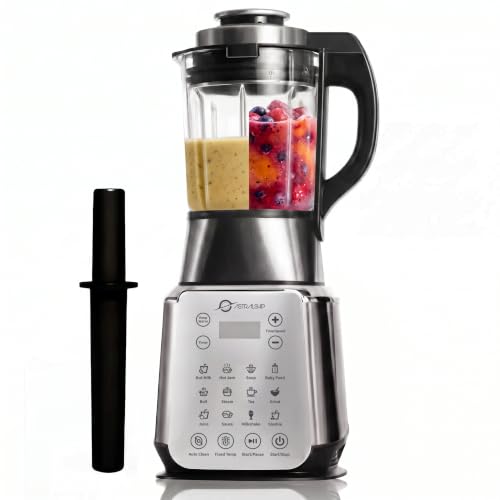

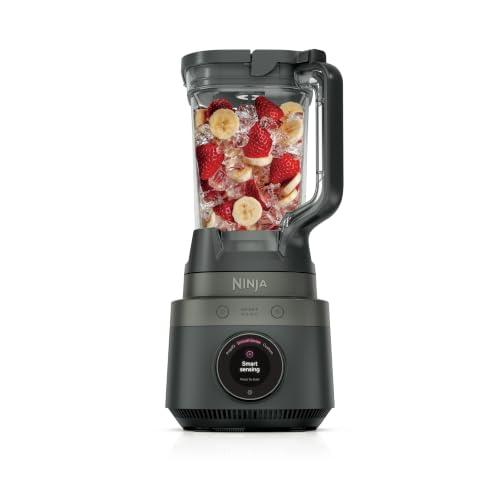


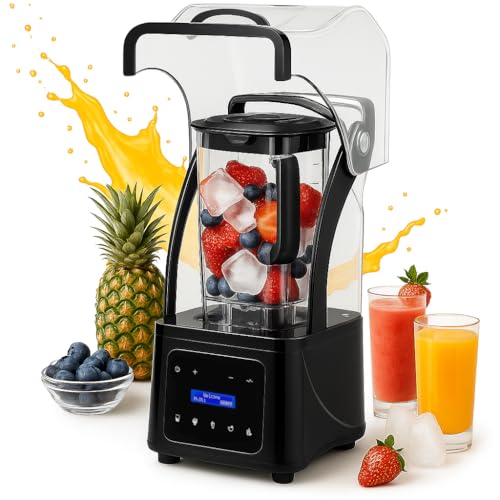
What Makes a Blender All Purpose
A true all purpose blender combines a strong motor, a sharp blade assembly that pulls food down into the vortex, and a jar built to take heat, ice and thick mixtures. Weak motors stall on frozen fruit or thick batters, and thin jars crack or stain. Look for a motor in the range of about 1000 to 1800 watts, a jar of 48 to 72 ounces, and controls that go beyond a single speed.
Key Features to Compare
Power and Blade Design
Strong power and a well shaped blade turn frozen fruit and ice into a smooth drink without long blending times. Stacked or angled blades reach food near the top of the jar, which reduces the need to stop and stir. Higher power also makes nut butters and hot soups possible, though it adds noise.
Jar Size and Material
A 64 ounce jar suits family batches, while a smaller jar blends small servings better because the blades can reach everything. Tritan plastic is light and shatter resistant, and glass resists stains and odors but weighs more. Clear markings help with recipes, and a wide opening makes cleaning easier.
Speeds, Programs and Pulse Control
Variable speeds and a pulse button give control for chunky salsa, smooth soup and thick smoothie bowls. Preset programs for smoothies, ice crushing or soup are convenient, but a dial that lets you adjust manually is what makes a blender truly flexible.
Cleaning and Storage
A jar that rinses clean and a base that wipes down quickly will be used far more often than a powerful but fiddly model. Many jars are dishwasher safe, but check the blade assembly instructions. Measure your counter and cabinet height, because tall jars often do not fit under wall cabinets.
Choosing the Right Size and Type
Households of three or more usually do best with a full size jar and a motor of at least 1200 watts. Singles and couples can choose a smaller jar, which blends small amounts more smoothly. If you often make hot soup, check that the lid and jar are rated for heat and that the lid vents safely. Related options include the best multi purpose blenders and the best blenders for smoothies.
Think about who will use it most. A household with children or shared use needs simple controls and parts that are easy to clean, while a single enthusiast can accept a more complex setup.
Everyday Uses That Show the Difference
Smoothies are the easy test. The harder jobs are where a good all purpose blender shows its value: pureeing soup without lumps, grinding oats into flour, making nut butter, crushing ice for cocktails, and mixing pancake batter or sauces. A model that handles all of these without stalling or overheating is a real kitchen tool rather than a drink maker.
Tamper tools help with thick mixtures, because they push food into the blades without lifting the lid. If you plan to make nut butter or frozen desserts, look for a model that includes one, or at least a jar design that circulates thick mixtures well. Check how the machine behaves under load: a good one slows slightly and recovers, while a weak one stalls and trips its thermal protection.
Sound level is another real difference. Powerful blenders are loud, and enclosed or sound dampened designs cost more. If you blend early in the morning, that quiet may be worth paying for.
Mistakes to Avoid
- Choosing by wattage alone, without checking blade shape and jar design.
- Buying a huge jar for small servings, which blends poorly.
- Ignoring noise, which can be loud in a small kitchen.
- Paying for preset programs you will never use.
- Forgetting to check the warranty length and what it covers.
Price, Care and Everyday Value
Prices for this kind of product usually span about $80 to $250 for good home models, and professional style machines cost more. A budget model can serve well for light use, while a midrange one adds durability and easier controls. Premium machines pay off only for heavy daily use.
Rinse the jar right after blending, run a drop of dish soap and warm water for a quick clean cycle, and dry the blade base fully. Check the seal ring for wear every few months. Keep the manual handy for the first month, and never blend hot liquids beyond the maker limit. For other blending jobs, see our guides to the best quality blenders, best stick blenders and best hand blenders.
Safety and Setup Tips
Place the blender on a dry, stable surface and make sure the lid is locked before you start. Begin on a low speed and ramp up, and never put your hand or a utensil in the jar while it is running. When blending hot liquids, fill no more than half way and hold the lid down with a towel. Unplug the machine before you clean the blade assembly, since the blades are sharp even when still.
Frequently Asked Questions
How do I choose the right size for an all purpose blender?
Start with your space and usual batch size. A jar of about 48 to 64 ounces suits family smoothies, while a smaller jar suits single servings. If you sit between two sizes, choose the larger only when your storage still feels easy.
What feature matters most in an all purpose blender?
Power and blade design shape results every time, followed by jar size and cleaning. Extra programs help only after the core experience feels right.
How much should I expect to spend?
Most buyers find a workable option at about $80 to $250. Simpler models sit at the lower end and more durable or powerful models at the higher end. Check warranty length before paying more.
Can an all purpose blender make hot soup?
Many can, either through friction heating in high powered models or by blending hot ingredients with a vented lid. Check that your model is rated for hot liquids and fill the jar no more than half way.
How do I care for my blender?
Rinse the jar right after use, dry the blade base fully and check the seal ring for wear. Follow the maker guide for cleaning intervals and replace worn parts early.
Final Thoughts
Choose a motor and jar that match your usual batch size, insist on speed control and easy cleaning, and compare running costs and warranty. The product table above gives a quick comparison, and your counter space and routine should make the final call. Picked on those terms, the best all purpose blenders will handle smoothies, soups and sauces for years.


