Best Affordable Hand Mixers: Buying Guide for 2026
Disclosure: We may earn a commission when you buy through links on this page, at no extra cost to you. As an Amazon Associate I earn from qualifying purchases. Learn more

A plain guide to the best affordable hand mixers: speeds, attachments, power, and what each price level buys.
Hand mixers look simple, yet prices range from under $20 to well over $100, and the gap is not always obvious from a photo. This guide to best affordable hand mixers shows you what each price level usually delivers, which features change how a mixer feels in daily use, and where a little more money genuinely helps. Use the comparison table below to scan speeds, attachments, and prices side by side, then read on for the reasoning behind each tier.
A hand mixer earns its place when it handles the jobs you actually do, from whipped cream to thick cookie dough, without straining your wrist or your budget. Matching the tool to your baking habits matters far more than chasing the longest feature list.


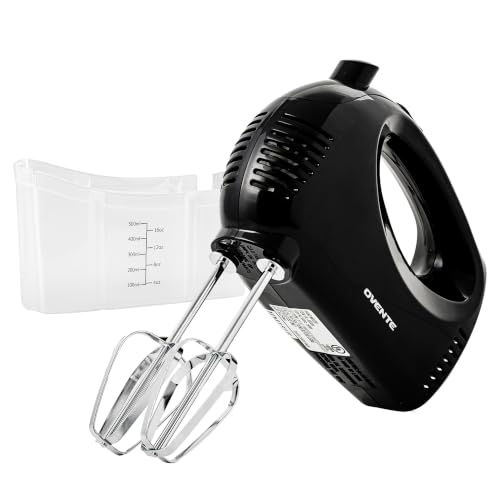


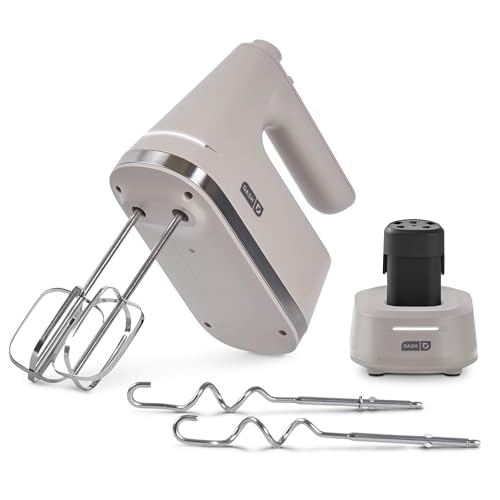
Three Budget Levels for Affordable Hand Mixers
Instead of treating price as a quality score, think of each tier as a different set of trade offs. The descriptions below explain what a strong choice at each level should offer, so you can judge any model in the product table above against clear criteria rather than brand claims.
Budget Level
A good budget choice, usually around $20 to $35, should give you at least five speeds, a pair of standard beaters, and an eject button that works with one hand. Expect a plastic body and a basic storage approach, perhaps a snap on case or no case at all. This tier suits occasional bakers who mix cake batter, pancake batter, and soft frostings a few times a month. The main limit is stamina. Long sessions with stiff dough can overheat a small motor, so short bursts and pauses between batches keep it working well.
Midrange Level
The midrange, around $40 to $70, is where most buyers should focus. Look for a dough hook pair and a whisk in the box, a slow start feature that keeps flour in the bowl, and a swivel cord that moves out of your way. Motors feel stronger here, not because wattage numbers soar, but because gearing and speed control improve. If you bake weekly, this tier offers the best balance of power, attachment choice, and storage, often with a case that keeps every piece in one drawer.
Premium Level
Premium hand mixers, around $80 to $120, add polish rather than a new category of baking. You may get nine or more speeds, a soft grip handle, a digital display, and quieter operation at low settings. Some include a blending rod or extra whisks. Pay this much only if you bake often, knead small dough batches regularly, or value a lighter, quieter tool you will keep for many years. For light use, the extra cost rarely changes your results in the bowl.
What Your Money Gets You at Each Price Tier
Budget Tier: What to Expect
At the budget level you get the core job done. Five to seven speeds cover most recipes, and standard beaters handle batters and frostings well. What you give up is finesse. The lowest speed may still spin fast enough to puff flour out of the bowl, and top speeds can feel coarse rather than smooth. Attachments beyond beaters are uncommon, cords are shorter, and warranties tend to run one year. For a first apartment or a backup mixer, those limits are easy to live with.
Midrange Tier: The Sweet Spot for Most Buyers
Midrange models add control, and control is what baking rewards. A true slow speed lets you fold in chocolate chips without splatter, while a pulse like burst helps you check consistency. You also gain useful attachments, better balance in the hand, and cases that prevent drawer clutter. This is also the tier where a best quality hand mixers guide becomes useful if durability matters more to you than the lowest price, because build details start to separate models clearly here.
Premium Tier: When Spending More Pays Off
Spending more pays off in comfort and longevity, not in magic. Premium motors hold speed under load, so meringue reaches stiff peaks without the pitch of the motor sagging. Handles fit the hand better during ten minute jobs, and storage cases feel sturdy rather than flimsy. If you often make bread dough in small batches, the stronger dough hook performance alone can justify the step up. If your baking is mostly boxed mixes, it cannot, and the midrange will serve you just as well.
Features Worth Paying For (and Ones to Skip)
Motor Power and Wattage
Wattage on a hand mixer is peak power, not a promise of mixing strength. Many capable models list around 250 to 300 watts, yet two mixers with the same number can behave very differently in thick dough. What matters is how steadily the motor holds speed when the beaters meet resistance. Read the tier descriptions, check that low speeds stay slow, and treat wattage as a rough guide only. A mixer that bogs down and smells hot is working too hard, whatever the box claims.
Ease of Cleaning
Cleaning decides whether you reach for the mixer or avoid it. Beaters, whisks, and a dough hook set should release with one button and go straight into the dishwasher when the maker allows it. Smooth bodies without deep seams wipe clean in seconds, while ridged housings trap batter. A practical tip is to rinse attachments right after use in warm soapy water, before frosting dries into the wires. Models with BPA free plastic parts and stainless steel attachments also tend to resist staining from berries and turmeric.
Speed Settings and Presets
More speeds help only when each speed feels distinct. Five well spaced settings beat nine settings that cluster together. You need a genuinely slow start for dry ingredients, mid speeds for creaming butter and sugar, and high speeds with a burst or pulse option for whipped cream. Dough presets are rare on hand mixers and rarely needed, since steady low speed does the job. If you also shop for countertop appliances, our guide to the best affordable mixers explains how hand and stand models divide these tasks.
What You Can Realistically Get on a Budget
For around $25 you can realistically get reliable mixing for batters, frostings, and whipped toppings, plus beaters that survive the dishwasher. You cannot expect quiet operation, a storage case that lasts, or confident dough kneading. Do not save money by accepting a mixer with only two or three speeds, because speed control is the feature you feel in every recipe. Spend the small step up for a slow start instead. That single upgrade prevents more mess than any attachment you could add later.
Long Term Costs to Factor In
The purchase price is only part of what you will spend. Replacement beaters or a lost whisk can cost around $10 to $20, and cheap models sometimes lack spare parts entirely, which turns a small loss into a full replacement. Electricity costs are tiny, a few cents per baking session, so they should not drive your choice. Warranty length matters more. A two or three year warranty on a midrange model can be worth more than a lower price with one year of cover. Finally, consider storage. A case you pay a little more for now saves buying organizers later and keeps attachments from bending in a crowded drawer.
If your baking grows toward large bread batches, compare the total cost against a countertop option in our guide to the best affordable stand mixers, because one right sized tool can cost less than replacing an overworked hand mixer twice. For cake focused bakers, the advice in our guide to the best hand mixers for cakes covers layer cakes and delicate sponges in more depth. Shoppers comparing grip styles and weights may also like our overview of the best hand held mixers, which looks at comfort during longer jobs.
Hand Mixers: Your Questions Answered
How do I clean a hand mixer quickly?
Eject the beaters straight into warm soapy water as soon as you finish, and most batter rinses away without scrubbing. Wipe the body with a damp cloth, never submerge it, and keep water away from the vents. A small brush clears dried mix from the eject button area. Let attachments dry fully before storing them in a closed case, because trapped moisture can dull stainless steel over time and leave odors.
Is a more expensive hand mixer worth it?
It is worth it if you bake weekly, knead dough, or hate splatter from fast low speeds. Premium and midrange models add control, quieter motors, and better storage, which you notice in every session. If you mix a few boxed cakes a year, a budget model gives the same result in the bowl. Match the spend to your baking frequency, not to the longest feature list you can find.
Can a hand mixer crush ice?
No, a hand mixer should not crush ice, and trying can bend beaters or strain the motor. Ice crushing belongs to blenders with strong blades and jars built for impact, sometimes paired with a tamper to push ingredients down. A few premium hand mixers include a blending rod for soups and smoothies in a tall cup, which is a different job from crushing ice. Keep ice in the blender and your mixer will last far longer.
How many watts does a good hand mixer need?
Around 250 watts is enough for most home baking, including cookie dough in moderate batches. Higher numbers, up to about 400 watts peak, can help with dense mixes, but gearing and speed stability matter more than the headline figure. If a mixer slows sharply in thick batter, split the batch or soften your butter more. Those habits protect any motor better than chasing the largest wattage number on the shelf.
Should I buy a hand mixer or a stand mixer?
A hand mixer is cheaper, lighter, and easier to store, and it handles batters, frostings, and whipped cream well. A stand mixer frees your hands and copes with large batches of bread dough, but it costs more and takes counter space. For occasional baking in a small kitchen, a good hand mixer is usually enough.
Final Thoughts
Choose by tier first, then by control. Decide whether you are a budget, midrange, or premium buyer, insist on a true slow speed, and check that attachments clean easily and store neatly. Those three points will lead you to best affordable hand mixers that fit your kitchen and your habits. Compare your shortlist in the product table above, and pick the model whose trade offs you will notice least in daily baking.