
Best Affordable Mattresses for Side Sleepers: Matching the Right Type to Your Routine 2026
Disclosure: We may earn a commission when you buy through links on this page, at no extra cost to you. As an Amazon Associate I earn from qualifying purchases. Learn more

Best affordable mattresses for side sleepers: shoulder and hip pressure relief, firmness by weight, cooling and trial advice.
There is no single mattress that suits every side sleeper. Your weight, your usual sleep temperature, whether you share the bed, and whether you wake with shoulder or hip aches all point to different designs. A very soft bed that cradles a light sleeper can leave a heavier sleeper sinking out of alignment.
The best affordable mattresses for side sleepers share one job: they cushion the shoulder and hip while keeping the spine level, at a price that does not require a premium label. Use the comparison table below to compare types, then match your routine to the guidance that follows.


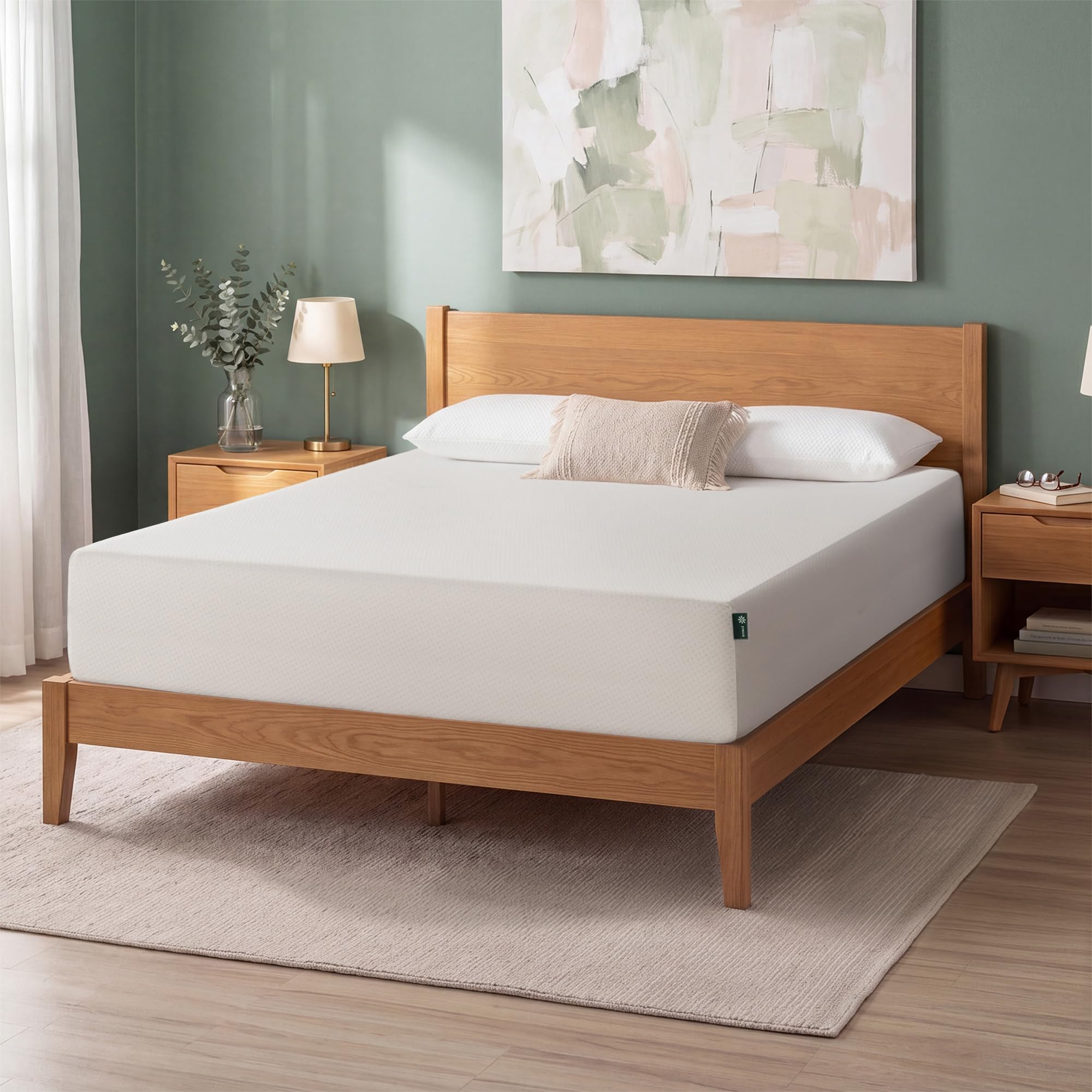
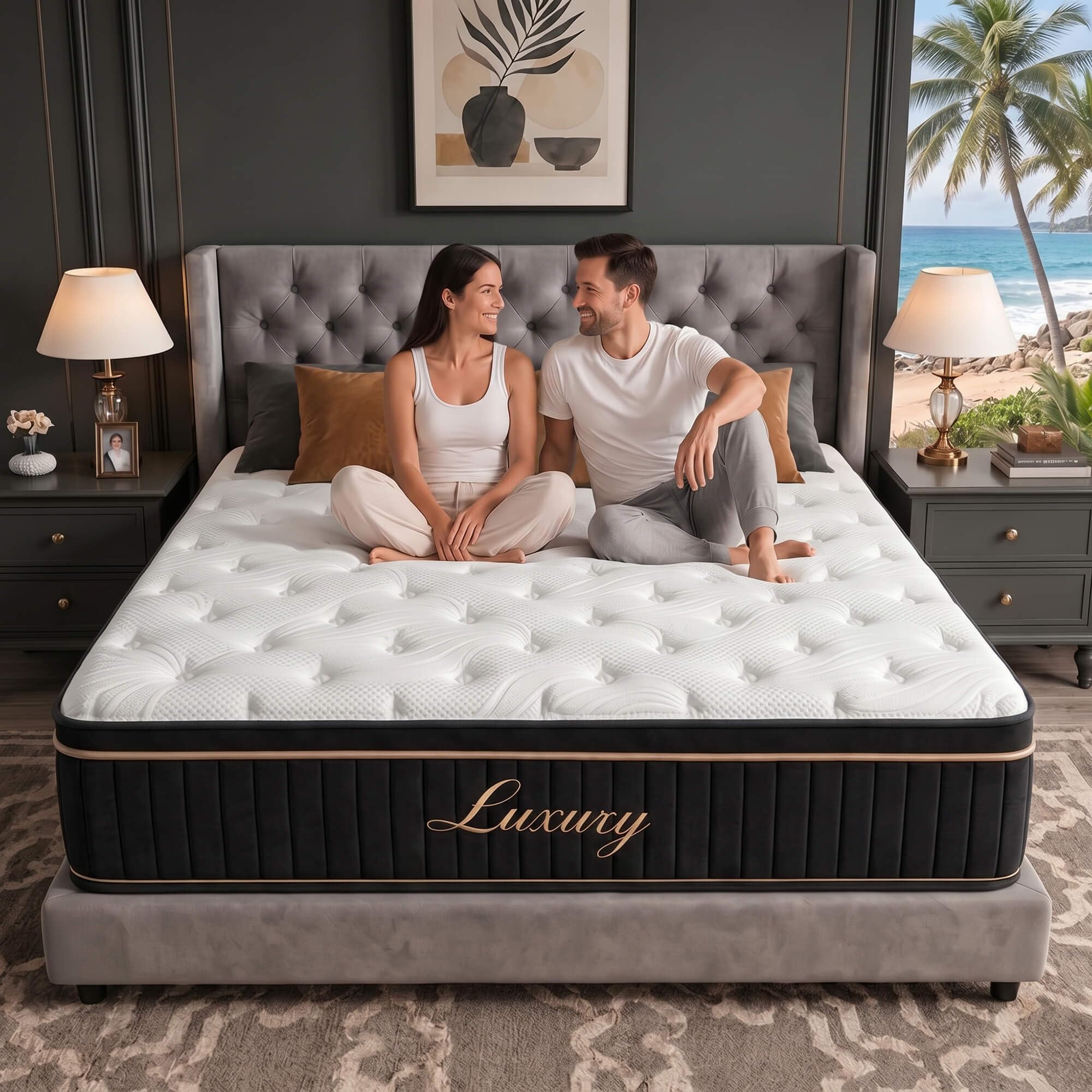
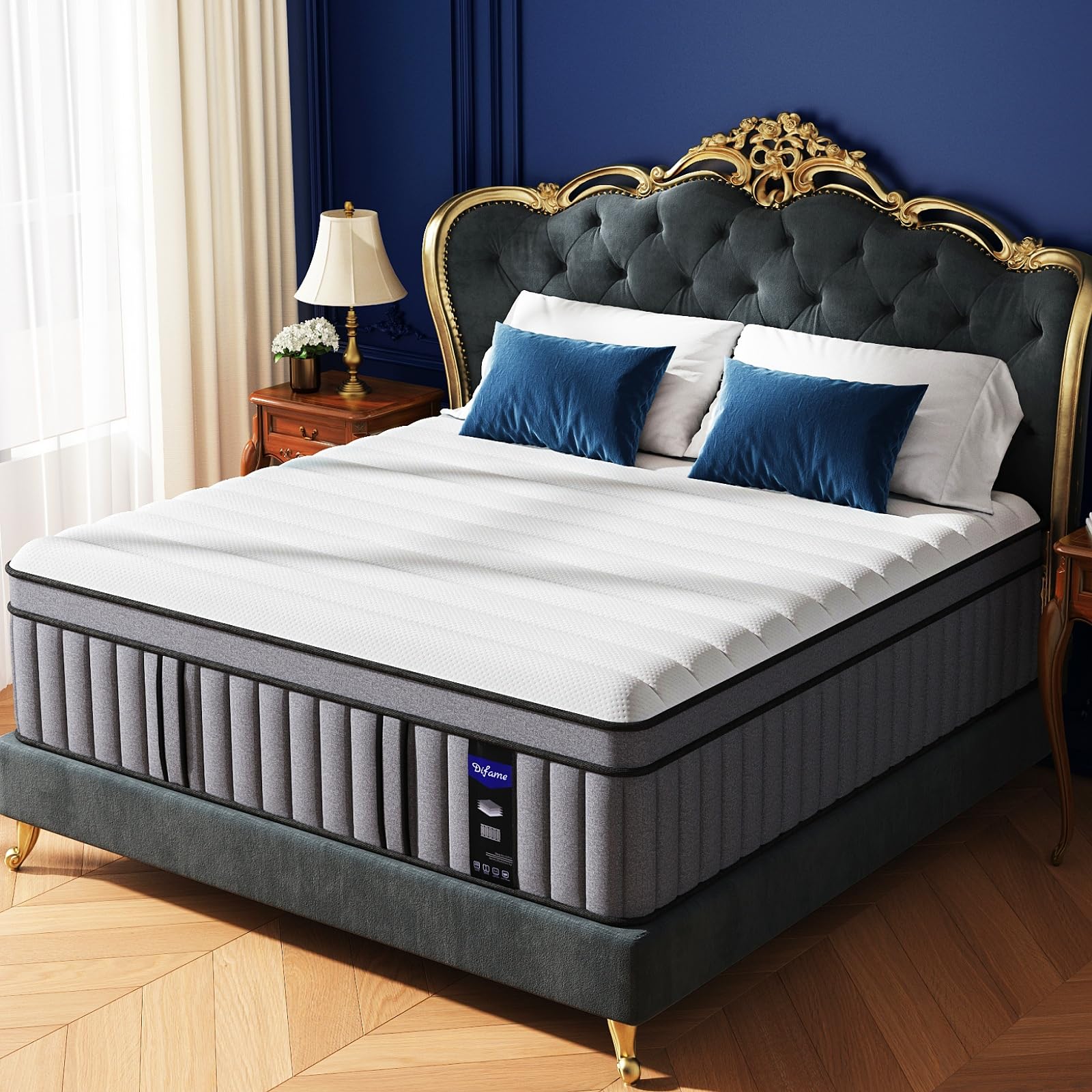
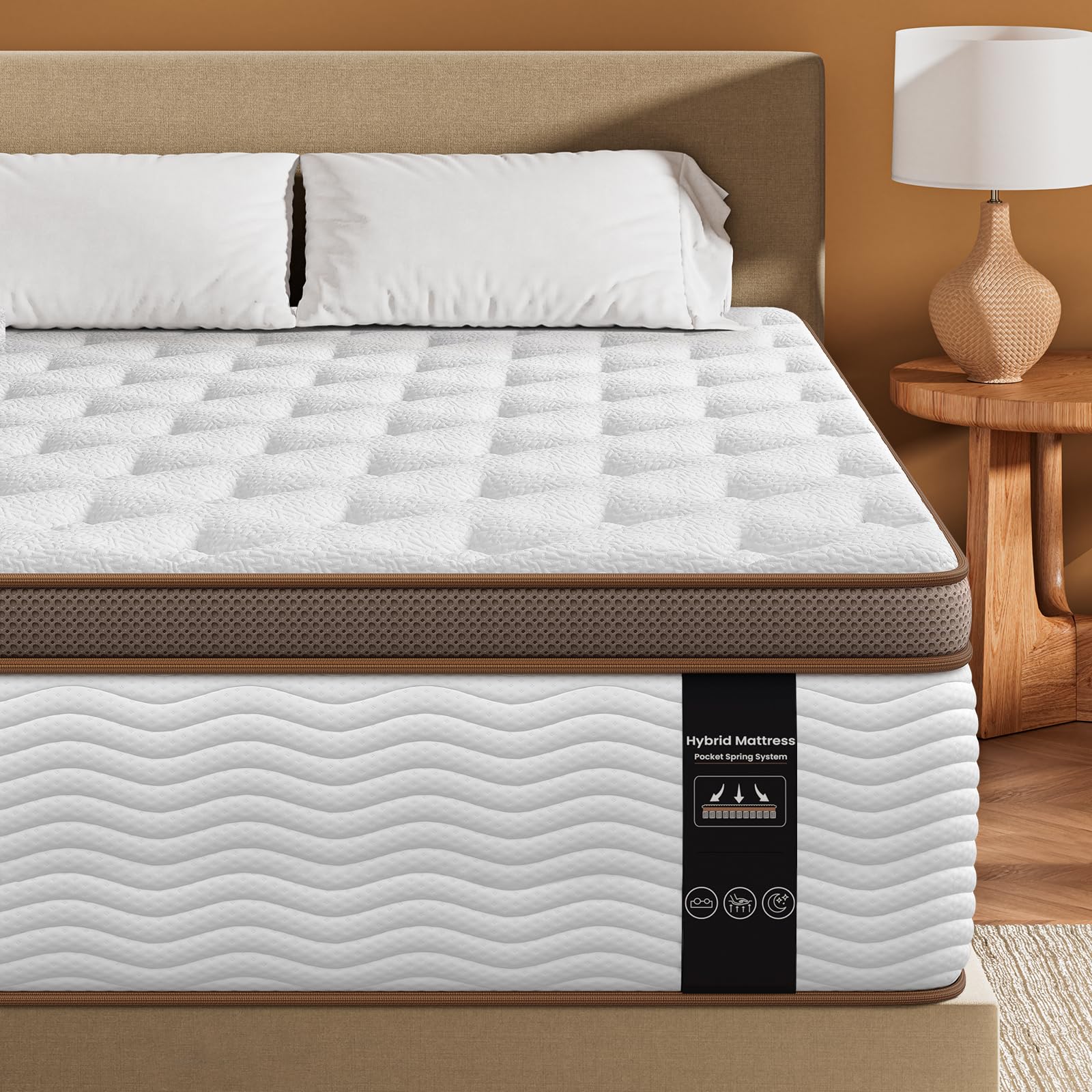
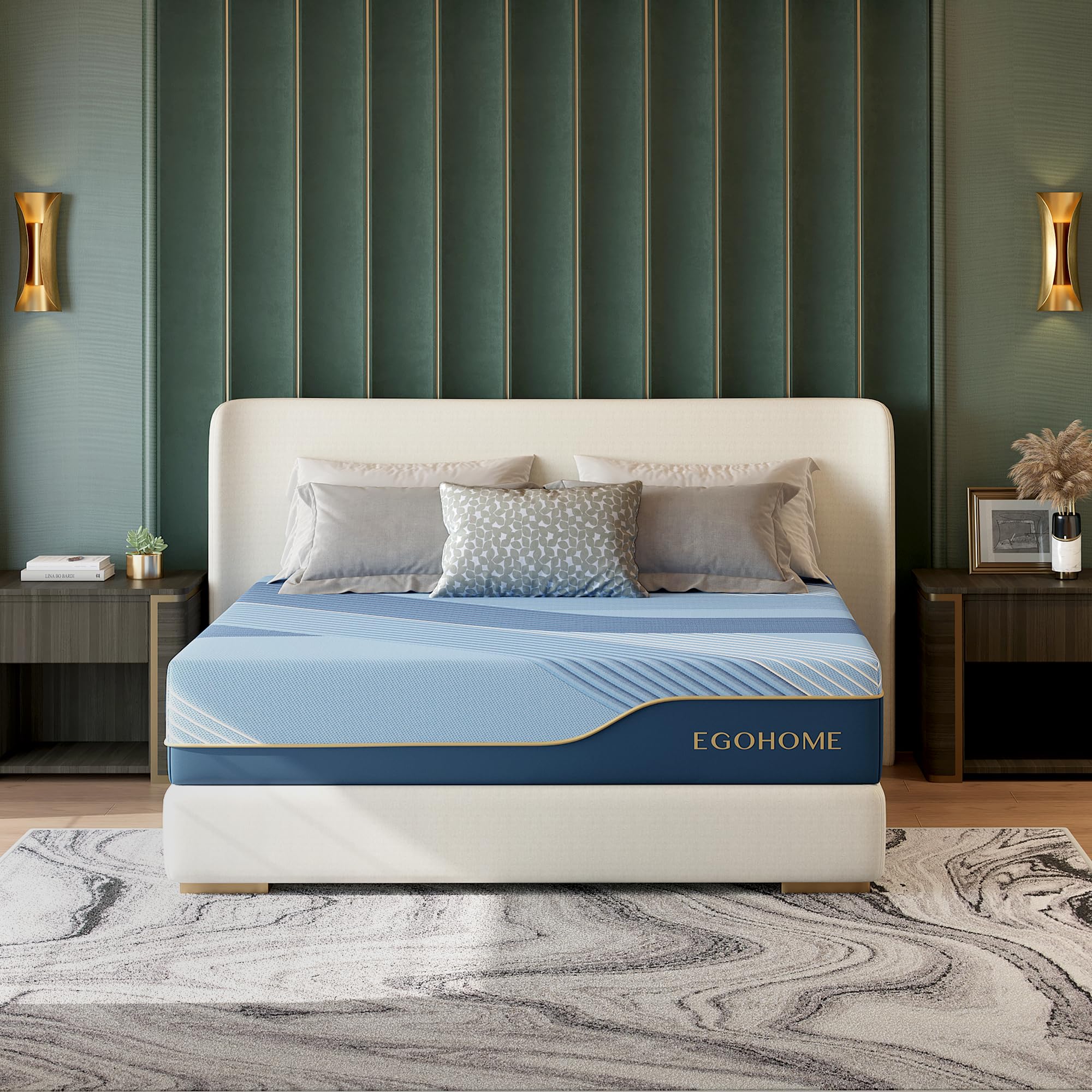
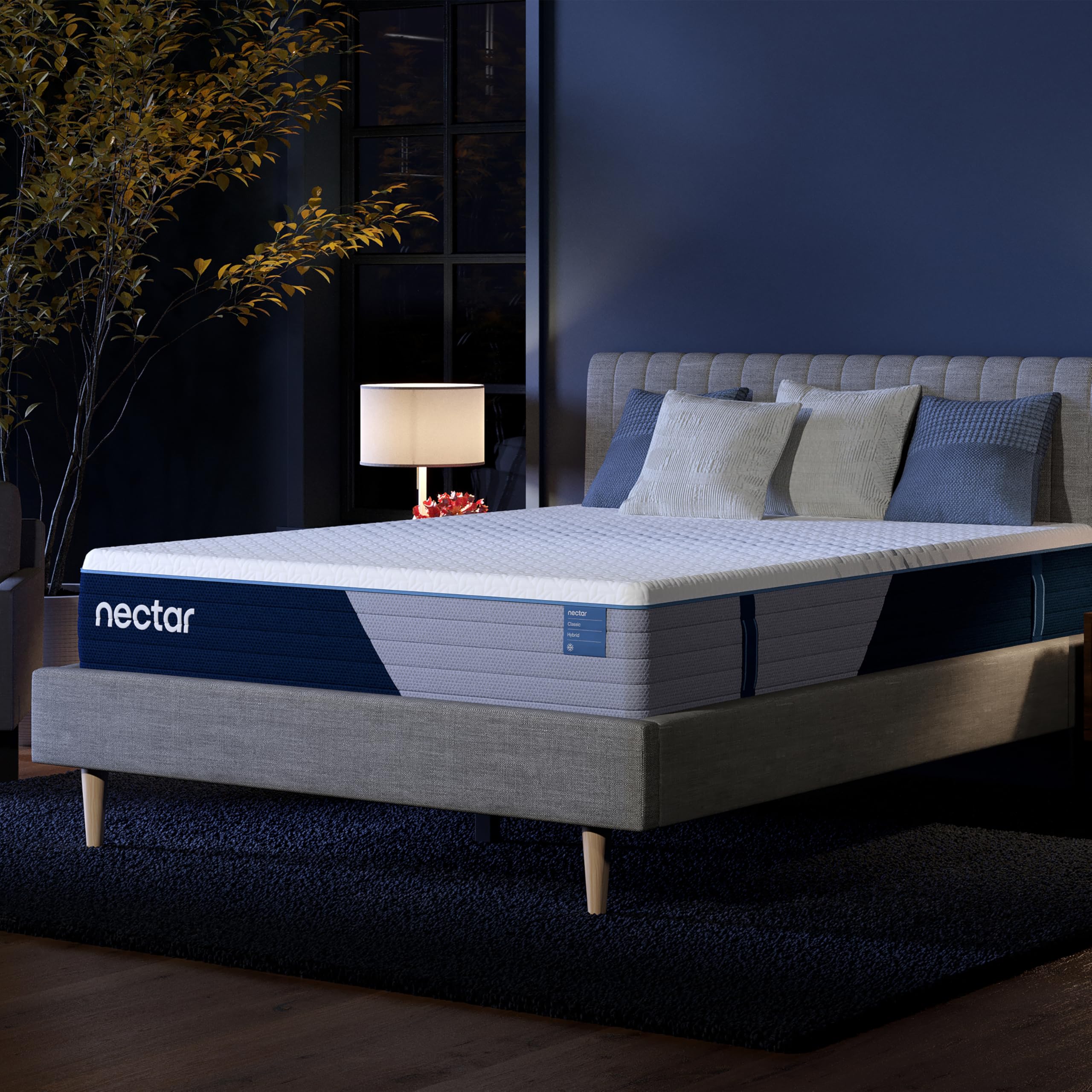
Who Should Buy Which Mattresses?
For People Who Want the Best Performance
If performance means waking without pressure aches and staying asleep longer, spend on the comfort layer and the support core rather than on decorative extras. A hybrid design with a plush top and responsive coils usually gives side sleepers the best mix of cushioning and alignment at this price level. A longer sleep trial matters to you, because pressure relief only proves itself over several nights. Expect to pay toward the top of the affordable range, around $600 to $1,000 for a queen, and treat strong edge support as part of performance if you sit or sleep near the side.
For Gift Shoppers
Buying a mattress for someone else, such as a guest room or a young adult moving out, calls for the safest middle ground. Choose a medium firm feel, a common size, and a design that suits both side and back sleeping, because you cannot test the recipients preference yourself. A generous sleep trial and a clear warranty protect you if the feel misses the mark. Avoid extremes of softness or firmness, avoid unusual thickness that complicates sheet fitting, and keep the packaging simple to move.
For First Time Buyers
First time buyers should keep the decision simple and low risk. Pick a widely sold medium or medium soft model with a trial of at least 100 nights, free returns if possible, and clear firmness labeling. Your first goal is learning your own preference, so write down how your shoulders, hips, and lower back feel each morning during the trial. Do not judge a new mattress in the first week, because both the foam and your body need time to adjust.
For Value Seekers
Value seekers should balance price against durability, because the cheapest foam beds often soften fast at the shoulder and hip. Look for denser support foam or a coil base, a trial that covers the break in period, and a warranty that spells out sagging limits. Around $400 to $700 for a queen is the sweet spot where affordable beds still use durable materials. If you share with a partner, motion isolation at this price usually comes from foam or individually wrapped coils. Combination sleepers may also compare our guide to the best mattresses for side and back sleepers.
Key Features of the Best Affordable Mattresses for Side Sleepers
Features That Matter for Side Sleepers
Side sleeping concentrates your weight on two narrow points, the shoulder and the hip, so pressure relief is the defining feature. The comfort layer must let those points sink in while the support core stops the midsection from sagging, keeping the spine straight when viewed from behind. Most side sleepers do best in the medium soft to medium firm range, roughly 4 to 7 on a ten point firmness scale, adjusted for body weight. Lighter sleepers usually need the softer end, heavier sleepers the firmer end.
What You Can Realistically Get on a Budget
Around $300 to $500 for a queen, expect an all foam bed with a decent trial and basic cooling claims. Around $500 to $900, you can add a hybrid coil base, better edge support, and more durable foams. What gets cut at the lowest prices is foam density, trial length, and edge reinforcement. Do not save money by giving up the sleep trial, because firmness labels vary so much between brands that only nights on the bed tell the truth. Certifications such as CertiPUR US for foams and OEKO TEX for fabrics are realistic to find even at this level.
Support, Pressure Relief, and Edge Support
Support and softness are different things: support keeps your spine level, while the comfort layer relieves pressure at the surface. A bed can feel plush on top and still support well if its core is firm and resilient. Edge support matters if you sleep near the side or sit on the edge to dress, and foam beds vary widely here, while coil bases with reinforced edges usually feel steadier. If you wake with new or worsening back, neck, or joint pain, numbness, or tingling that does not ease within a few weeks of adjusting, see a doctor or a qualified clinician rather than assuming a new mattress is the answer. Sleepers who split time on side and stomach can compare our guide to the best mattresses for side and stomach sleepers.
Material and Fill
Memory foam gives the deepest contouring and the strongest pressure relief, but it can sleep warm and feel slow to respond when you change position. Latex feels bouncier, sleeps cooler, and resists sagging, at a higher price. Hybrids pair a foam or latex comfort layer with coils for airflow and support, and they suit many side sleepers well, as our guide to the best hybrid mattresses for side sleepers explains. Bedding materials play a supporting role: cotton percale feels crisp and cool, cotton sateen feels smoother and warmer, and down or down alternative fill in a topper or duvet changes surface softness without changing support.
Cooling and Breathability
Side sleepers sink deeper into the comfort layer, so more of the body contacts foam and heat builds up faster than for back sleepers. Gel infusions and open cell foams help somewhat, but the biggest cooling gains come from coil airflow in hybrids and from breathable covers. Thread count on sheets is not the whole story, since weave matters more: percale breathes better than dense sateen at the same count. If you sleep hot, your pillow loft matters too, and our guide to the best sleeping pillows for side sleepers covers the shoulder gap that a mattress alone cannot fix.
Common Mistakes to Avoid When Buying Mattresses
- Choosing on price alone and ignoring foam density, which decides how fast the bed softens.
- Ignoring the features that matter for side sleepers, especially shoulder and hip pressure relief.
- Buying too firm because it felt supportive in a showroom for five minutes.
- Picking a thickness or size that makes your existing sheets and frame fit badly.
- Skipping the warranty and trial details, including what counts as a defect.
- Forgetting your body weight, which shifts the right firmness by a full step or more. Heavier readers can compare our guide to the best mattresses for overweight side sleepers.
Setup and Care Tips
Let a boxed mattress expand fully before judging it, which can take a day or two for foam to reach full height. Rotate the mattress every 3 to 6 months to even out wear at the shoulder and hip zones, unless the maker says the design is one sided in a way that rotation would upset. Use a mattress protector from the first night, because stains can void warranties and a protector is far cheaper than a replacement. Wash sheets weekly in warm water, air the bed in the morning before making it, and support the mattress with a firm, closely spaced base so the core does not sag between slats.
FAQs
What features matter most in mattresses for side sleepers?
Pressure relief at the shoulder and hip, a support core that keeps the spine level, and a firmness matched to your weight matter most. Cooling and edge support come next. One point the main sections only touch briefly: your pillow loft changes neck alignment as much as the mattress changes hip alignment, so judge the two together during the trial rather than blaming the bed alone.
How often should I replace my mattress?
Most affordable mattresses serve well for about seven to ten years, with foam models often at the shorter end. Replace sooner if you see visible sagging, feel the support layer through the comfort foam, or start waking with aches that vanish when you sleep elsewhere. Rotating on schedule and using a proper base stretches that lifespan, while very low density foam shortens it.
How do I wash mattresses safely?
You do not wash a mattress itself; you protect and spot clean it. Vacuum the surface with an upholstery tool, treat spots with a small amount of mild cleaner, and let the area dry fully before remaking the bed, because trapped moisture invites mildew. The washable parts are the protector and sheets, which handle weekly washing. For foam, keep water minimal and never soak the core.
What firmness is best for back pain?
For side sleepers with back discomfort, a medium firm feel that still cushions the shoulder usually supports the spine best, but pain has many causes and no firmness suits everyone. Treat persistent, severe, or radiating pain, numbness, or weakness as a medical question, not a shopping question, and see a doctor or physiotherapist. Use the sleep trial to test a beds effect on your symptoms, and keep notes your clinician can actually use.
Can a mattress topper help a side sleeper?
A topper can soften a mattress that feels too firm at the shoulder and hip, and it is a cheaper fix than replacing the bed. A topper cannot repair a sagging core or poor support, so use it only on a mattress that is otherwise sound. Choose a medium thickness of about two to three inches and check that it stays in place.
Are cooling mattresses worth it for hot sleepers?
They can be, if the cooling comes from real airflow and breathable materials rather than a surface treatment that fades. Hybrid coil designs and latex tend to deliver the most lasting temperature relief at this price. Set expectations honestly: a cooler mattress reduces heat buildup, but room temperature, bedding, and a fan still do much of the work, so judge the whole sleep setup during warmer nights of the trial.
Our Verdict
Match firmness to your weight, insist on real pressure relief at the shoulder and hip, and protect the purchase with a long trial. Compare your shortlist with the product table above, and choose the best affordable mattresses for side sleepers that keep your spine level night after night. If pain, numbness, or poor sleep persist, talk with your clinician about your personal needs rather than relying on any mattress alone.


