Best Affordable Pillows for Side Sleepers in 2026: Which Type Is Right for You?
Disclosure: We may earn a commission when you buy through links on this page, at no extra cost to you. As an Amazon Associate I earn from qualifying purchases. Learn more
Best affordable pillows for side sleepers: compare loft, firmness, and fill type to find a supportive pillow that fits your budget.
Shopping for best affordable pillows for side sleepers can feel confusing because every fill claims to be the most comfortable, and prices vary widely. The comparison table below gives you a quick way to compare the main types before you read the detail, so you can focus on options that match your shoulder width, your sleep habits, and your budget.
A good pillow for a side sleeper does one job well: it fills the gap between your head and the mattress so your neck stays close to a straight line while you sleep. Loft and firmness matter more than a brand name here.

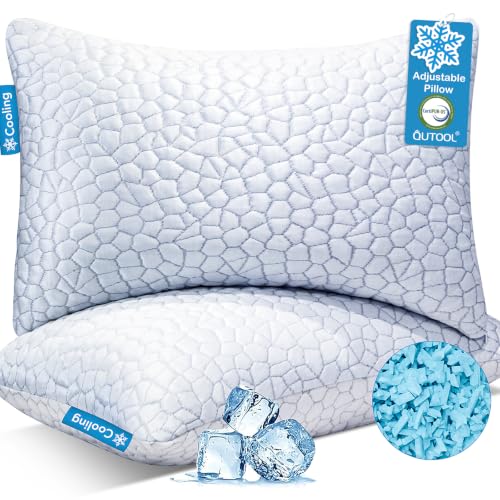
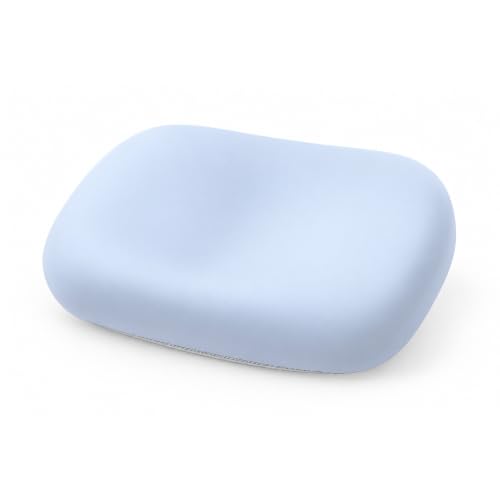


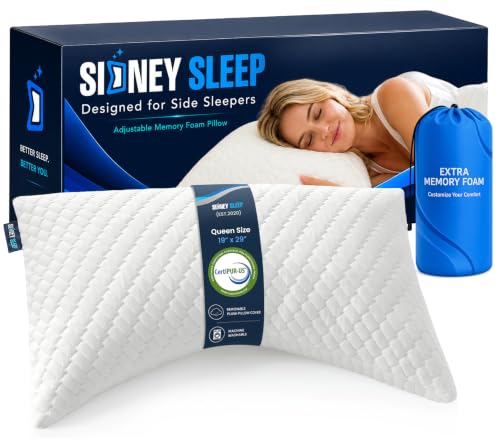
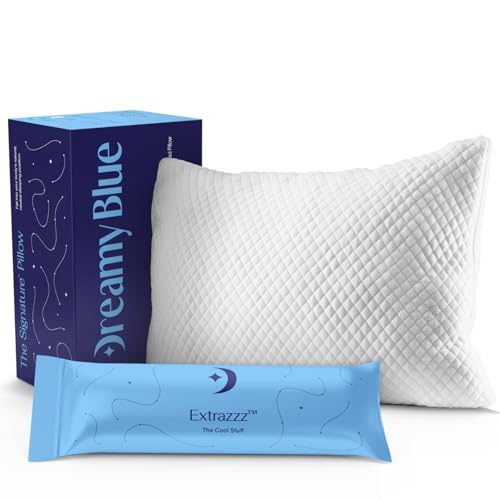

Best Affordable Pillows for Side Sleepers Compared by Type
Use this table as a starting point, then read the type sections for the detail that matters to your situation.
| Type | Best For | Pros | Cons | Typical Price |
|---|---|---|---|---|
| Memory foam | Steady support | Holds its shape all night | Can sleep warm | About $25 to $60 |
| Down and down alternative | Softness | Light and easy to shape | May flatten overnight | About $20 to $55 |
| Hybrid | Support plus softness | Balances contour and cushion | Quality varies widely | About $30 to $70 |
Memory Foam
Memory foam softens in response to warmth and pressure, then slowly returns to shape when the pressure is removed. For a side sleeper, that slow response can help because the foam molds around the head and neck and then stays put, which means less shifting during the night. A solid memory foam pillow usually gives a more consistent loft than a shredded fill, so it suits sleepers who want the same height every night.
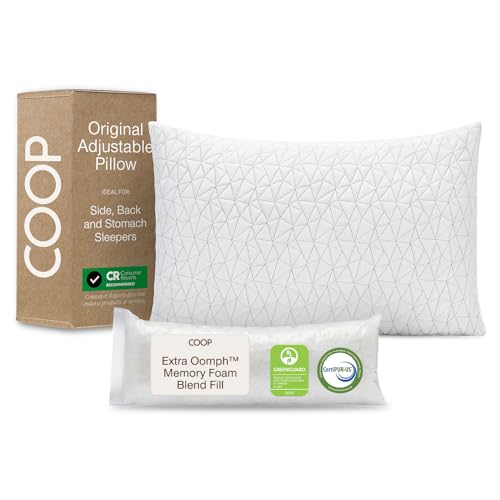
Shredded memory foam works differently from a solid block. The small pieces can be moved around inside the cover, so you can add height on one side or thin the pillow out where you need less lift. That adjustability is useful at a low price because it lets you fine tune the loft after a few nights. The drawback is that shredded fill can clump over time, so you may need to shake and redistribute it often.
Down and Down Alternative
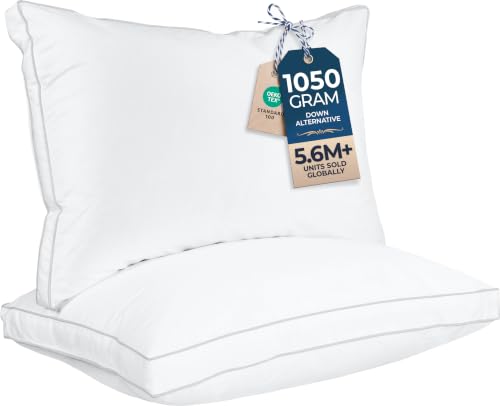
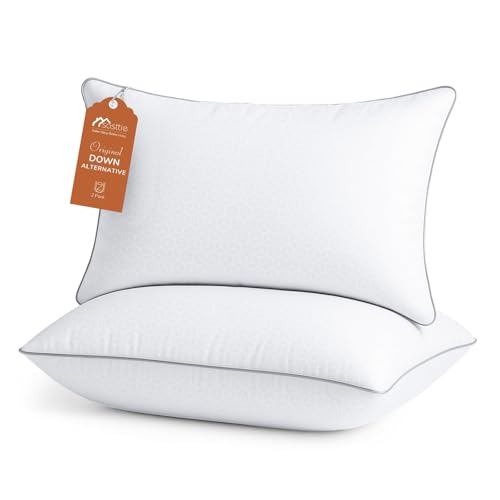
Down is the soft plumage found under the outer feathers of ducks and geese, and it gives a pillow a light, airy feel that many sleepers love. A down pillow can be squeezed and shaped easily, so you can build up height under your neck or flatten the center for your head. Down alternative fills, usually made from polyester fibers, aim for a similar softness at a lower price and with easier washing.
Care is another difference worth noting. Down needs gentle washing and thorough drying, while most down alternative pillows can go through a home machine with less fuss. People with allergies often prefer down alternative for that reason, and it also tends to cost less. If you choose down, look for a tightly woven cover that keeps small fibers inside, and plan to fluff the pillow each morning to restore its shape.
Hybrid
A hybrid pillow combines two or more fills, often a foam core with a softer fiber layer around it. The idea is to give you the steady support of foam plus the soft surface of fiber, without the full cost of a high end design. For a side sleeper, that combination can work well when the foam layer is thick enough to hold the loft and the outer layer is thin enough not to collapse under your head.
Price is where hybrids vary most. Some affordable hybrids use a modest foam core and a simple fiber wrap, which keeps the cost down while still giving a balanced feel. At a budget price, judge a hybrid by its core first: if the core cannot hold your head at the right height, the soft outer layer will not fix that.
Memory Foam Versus Down and Down Alternative: Which Should You Choose?
The choice comes down to whether you value steady support or soft moldability more. Memory foam holds its height and shape, which helps a side sleeper keep the neck aligned through the night, but it can feel warm and slow. Down and down alternative feel lighter and softer, and they can be shaped by hand, but they need fluffing and may lose height as the night goes on.
Budget also shapes this decision. Foam pillows at a low price can still give consistent support, while very cheap down alternative pillows often use a small amount of fill and flatten quickly. A mid priced down alternative pillow with a generous fill weight will usually last longer than the cheapest option. A pillow replaced every year may cost more over time than a slightly dearer pillow that holds its shape longer.
How to Choose the Right Pillow
What You Can Realistically Get on a Budget
At a budget price, you can expect a solid basic pillow with a washable cover and a clear loft rating, but you may not get adjustable inserts, a cooling cover, or a long sleep trial. That is a fair trade if the core support is right, because those extras do not fix a pillow that is too low or too soft. Do not cut corners on fill amount and cover quality.
Features That Matter for Side Sleepers
For a side sleeper, the most important features are loft, firmness, and edge support. Loft is the height of the pillow when it is not compressed, and it should roughly match the distance from your ear to the outer edge of your shoulder. Firmness controls how much that loft drops under your head, so a medium firm to firm pillow usually works better for side sleeping than a very soft one. See our guide to the best sleeping pillows for side sleepers for a broader comparison.
Cooling is a secondary feature, but it matters if you sleep warm. A breathable cotton cover or a ventilated foam design can help, while a dense foam pillow with a heavy cover may trap heat. Do not let a cooling claim override loft and firmness. Talk with your clinician if you have persistent or worsening neck pain, numbness, or weakness, since those signs need medical attention rather than a new pillow.
Size and Fit
Pillow size affects more than how much room the pillow takes on the bed. A standard pillow is usually enough for one sleeper, while a queen or king pillow gives more room to move and can help if you change sides often during the night. For side sleepers, width matters: a wider pillow lets you keep your head supported when you roll from one side to the other without sliding off the edge.
Your mattress also affects fit, because a soft mattress lets your shoulder sink in and reduces the height you need, while a firm mattress keeps your shoulder higher and calls for a taller pillow. For sleepers who move between side and back sleeping, our guide to the best sleeping pillows sleeping on side covers how loft choices change across the night.
Material and Fill
Fill material sets the feel, the durability, and the care routine of a pillow. Memory foam gives steady contouring, latex gives a springier and more responsive feel, and fiber fills give softness and easy washing. Latex can be a good middle ground for side sleepers who find foam too slow and fiber too soft, but it usually costs more, so it may sit above a strict budget. Cover material matters too: cotton percale feels crisp and breathable, sateen feels smoother, and bamboo derived fabrics often feel soft and moisture wicking.
Firmness and Loft and Sleep Position
Firmness and loft work together, and neither one alone tells you whether a pillow will suit you. A high loft pillow that is very soft may compress to the same height as a medium loft pillow that is firm, so read both ratings together. Side sleepers usually need a medium firm to firm feel with a medium to high loft, while back sleepers need less height and stomach sleepers need the least. Heavier sleepers often need a firmer pillow, since a heavier head compresses a soft pillow further.
If you switch between side and stomach sleeping, look at our guide to the best pillows for side stomach sleepers for ideas on balancing those two very different needs, and consider a pillow with an adjustable fill so you can change the loft as your habits change. People who sleep on both their side and their back face a similar compromise, and our guide to the best pillows for back sleepers and side sleepers explains how to judge that middle ground without buying two separate pillows.
Tips to Get the Most From Your Pillow
Fluff a fiber pillow each morning to restore its loft, and rotate a foam pillow regularly so it wears evenly. Wash the cover often, and follow the care label for the fill itself, since machine washing a foam pillow can damage it. Use a pillow protector if you want to keep sweat and dust out of the fill, and replace the pillow when it no longer springs back or when it stays flat after fluffing.
Pillows: Your Questions Answered
What features matter most in pillows for side sleepers?
Loft, firmness, and edge support matter most for side sleepers, because together they decide whether your neck stays aligned through the night. Start by matching loft to your shoulder width, then choose a firmness that holds that height under your head without feeling hard. A further point is shape: a contoured or gusseted design can keep height at the edges, which helps if your head rests near the side of the pillow.
How often should I replace my pillow?
Most pillows need replacing every one to two years, with fiber pillows at the shorter end and foam pillows often lasting longer. Replace your pillow sooner if it stays flat after fluffing, if it has lumps that will not smooth out, or if it smells even after washing. A useful extra check is the fold test for fiber pillows: fold the pillow in half, and if it does not spring back on its own, the fill has lost its resilience.
Are cooling pillows worth it for hot sleepers?
Cooling pillows can be worth it if you regularly wake feeling warm, but they work best as a secondary feature rather than the main reason to buy. A breathable cover, ventilated foam, or a moisture wicking fabric can reduce heat buildup, yet none of these will help if the pillow is too low or too soft for side sleeping. Room temperature matters too: a cooler bedroom and lighter bedding often do more for sleep comfort than a cooling cover alone.
What firmness is best for back pain?
No pillow firmness can treat back pain, and firmness alone is not a reliable guide for people with back problems. In general, a medium firm pillow that keeps the neck aligned is a sensible starting point for side sleepers, because poor neck alignment can add to morning stiffness. Your mattress also changes how much loft you need, so a pillow that felt right on a firm bed may feel wrong on a softer one. See a doctor if pain persists, worsens, or comes with numbness or weakness.
How do I wash pillows safely?
Always follow the care label first, because washing methods differ sharply by fill. Most fiber pillows can be machine washed on a gentle cycle and dried thoroughly on low heat, sometimes with dryer balls to break up clumps. Foam pillows usually should not go in a washing machine; instead, wash the removable cover and spot clean the foam. Make sure a washed pillow is fully dry before you put a cover back on, since a pillow that stays damp inside can develop an odor.
Is a higher thread count always better?
A higher thread count is not always better for a pillow cover, because thread count alone does not measure breathability or durability. A very high thread count cover can feel smooth, but it may also trap heat if the weave is dense, which matters for warm sleepers. A more useful point is the fiber itself: a well made cotton cover with a moderate thread count often breathes better and lasts longer than a cheap cover with an inflated count.
Wrapping Up
For side sleepers on a budget, the best value comes from matching loft and firmness to your shoulder width and sleep habits, then choosing a fill you can live with for daily care. Memory foam suits sleepers who want steady support, down alternative suits those who want softness and easy washing, and hybrids suit those who want a bit of both. Check the product table above before you order, and remember that best affordable pillows for side sleepers is a starting point for comparison, not a promise that one pillow will suit every sleeper.