
Best Affordable Laptops for Uni Students: Buying Guide for 2026
Disclosure: We may earn a commission when you buy through links on this page, at no extra cost to you. As an Amazon Associate I earn from qualifying purchases. Learn more

Learn how to choose the best affordable laptops for uni students with clear guidance on specs, battery life, weight, and value for everyday campus use.
University life asks a lot from one machine. You write essays in the library, join video calls from a dorm room, run research tabs all afternoon, and carry the laptop between lectures every single day. The best affordable laptops for uni students balance all of that without draining a student budget.
This guide explains what actually matters for coursework, what you can safely skip, and how the product table below is organized so you can match each model to your degree and your daily routine.


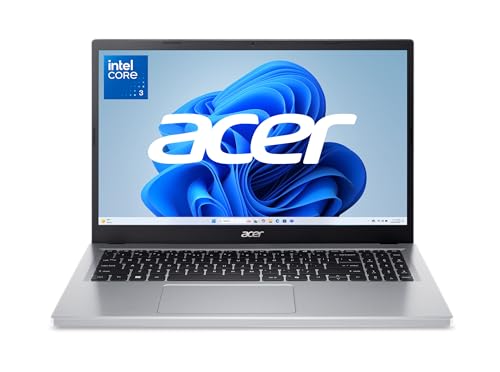
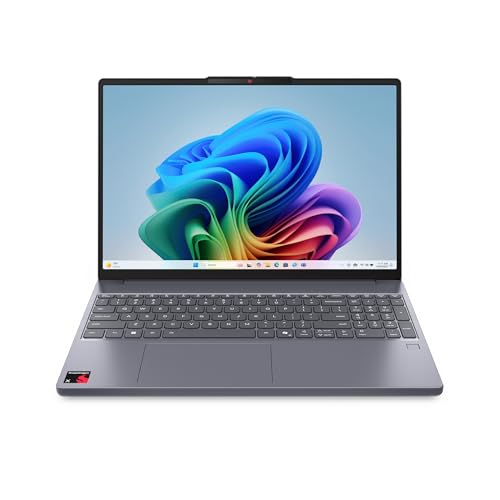


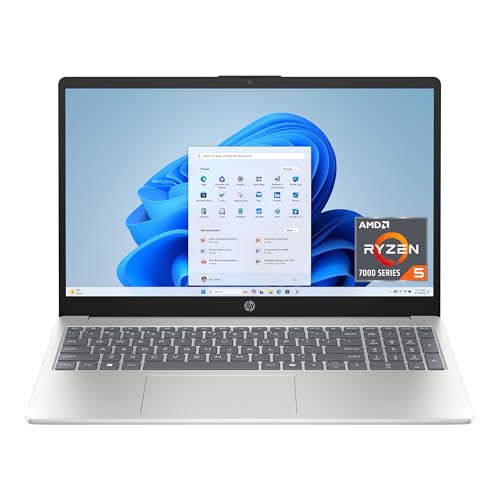
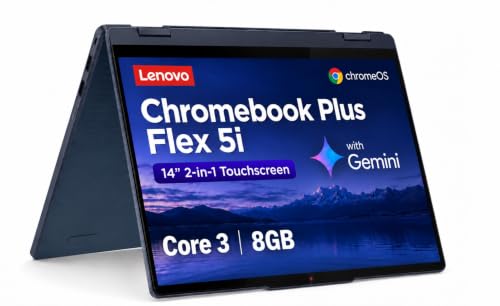

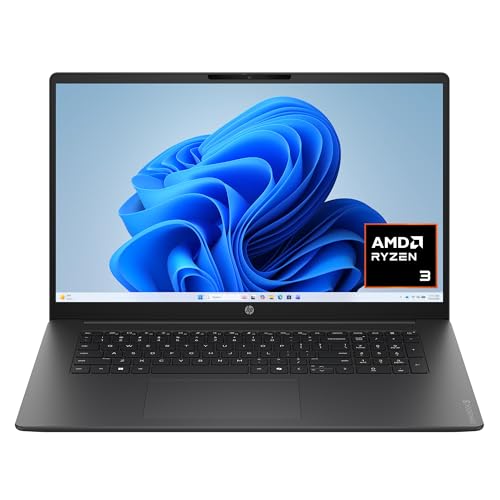
Three Budget Profiles Worth Comparing
Instead of chasing a single winner, think in profiles. One of these three shapes fits nearly every student, and the product table above lists models that follow each pattern.
Balanced Profile
The all round profile suits most degrees. Look for a current midrange processor, 16 GB of RAM, a 512 GB SSD, and a bright 14 inch display. Battery life should reach a full day of classes, and weight should stay near or below 3.5 lb.
Expect to pay about $550 to $800. The trade off is plain styling and speakers that are fine for calls but modest for music.
Budget Profile
The value profile targets essay writing, browsing, and streaming on a tight budget. A slightly older processor, 8 GB of RAM, and a 256 GB SSD still handle documents and video calls well. Prices often land around $350 to $550.
You give up storage headroom and screen brightness, so check the display rating carefully before you buy. Students who mostly work in cloud apps feel these limits the least.
Premium Profile
The premium profile, around $800 to $1,000, buys a metal body, a sharper and brighter screen, faster charging, and quieter fans. It suits students who edit photos, code for long sessions, or simply want one machine for a whole degree and beyond. The extra money does not change how an essay gets written, so buy this tier for comfort and longevity rather than raw necessity.
How to Choose the Best Affordable Laptops for Uni Students: Buying Guide
The sections below walk through the specs in the order they affect your day. If you are still weighing a broader shortlist, our guide to the best affordable laptops for students covers similar ground for school students as well as university students.
What You Can Realistically Get on a Budget
Under about $600, expect a plastic or part metal body, a full HD display, and integrated graphics. That is enough for writing, research, spreadsheets, and video calls. What gets cut is usually screen brightness, speaker quality, and port selection. Never save money by dropping below 8 GB of RAM or accepting a slow spinning hard drive instead of an SSD, because those two cuts make a laptop feel old within a year.
What Students Should Look For
Students need a comfortable keyboard for long essays, a webcam and microphone that sound clear in seminars, and a charger that is small enough to carry daily. A 13 or 14 inch screen hits the sweet spot between desk space in lectures and room for two windows side by side. Touchscreens are optional. Durability matters too, since the laptop will be opened, closed, and packed dozens of times each week.
Processor and Performance Tier
For general degrees, a recent Intel Core or Core Ultra 5 class chip or an AMD Ryzen 5 handles everything comfortably. Apple M series chips add strong battery life for students in that ecosystem. Step up to a 7 class processor only if your course involves compiling large code projects, data analysis, or 3D work. Clock speeds on a specification sheet mean little alone, so prioritize a current generation chip over an older high tier one.
Course demands differ a lot. If your degree involves CAD or simulation, read our guide to the best affordable laptops for engineering students for the higher performance floor those programs need.
Weight and Portability
Aim for under 3 lb if you walk across campus all day, and treat 3.5 lb as a sensible ceiling. Remember the charger adds weight too, and a compact USB C charger can save real space in your bag. A practical check: load your bag with books equal to the laptop weight and carry it for ten minutes. If your shoulder complains, choose the lighter model, because you will repeat that walk for years.
Operating System
Windows offers the widest software compatibility and the most choice under $800. macOS suits students already using an iPhone and those in design courses, though entry prices are higher. ChromeOS is simple, secure, and cheap, and it works well when your university runs on Google or Microsoft web apps. Check your course software list first, since a few specialist programs still require Windows and will not run properly in a browser.
Battery Life in Real World Use
Manufacturer claims assume dim screens and light tasks, so expect about 70 percent of the quoted figure in mixed use. For a day of lectures, note taking, and browsing, look for models rated at 10 hours or more so you land near 7 to 8 real hours. Fast charging over USB C is genuinely useful: a 30 minute top up between lectures can add several hours. Carry the charger anyway during exam weeks.
Ports and Connectivity
Two USB C ports, one USB A port, HDMI, and a headphone jack cover nearly every campus situation, from lab equipment to dorm TVs. WiFi 6E or WiFi 7 helps in crowded lecture halls where hundreds of devices share one network. If a slim model drops HDMI, budget about $20 to $40 for a USB C hub. Bluetooth 5.3 or newer keeps wireless earbuds and mice stable during calls.
Health related degrees have their own software and placement needs, and our guide to the best affordable laptops for nursing students explains those specifics in detail.
Types of Laptops
Tablets
Tablets shine for reading, annotating slides, and handwritten notes, and they are the lightest option you can carry. With a keyboard case they handle short writing tasks, but long essays and complex spreadsheets feel cramped. A tablet works best as a companion device or for students whose courses are mostly reading and discussion based.
2 in 1 Convertibles
A 2 in 1 convertible folds into a tablet shape and supports a stylus, which helps for diagrams, maths, and marking up PDFs. You pay a small premium over a similar standard laptop and add a little weight from the stronger hinge. For students who sketch or annotate often, that flexibility earns its cost. If you never use the stylus, the standard shape is better value.
Budget Laptops
A conventional budget laptop gives you the most performance per dollar, a full keyboard, and the easiest path to repairs and upgrades. It lacks the flair of a convertible, but for essays, research, and streaming it is the sensible default. Many students pair one with a cheap tablet later rather than paying for both functions in a single device on day one.
Still undecided on the overall shape of your shortlist? Our wider roundup of the best laptops for uni students compares premium and budget routes side by side.
Care and Maintenance Tips
- Keep the operating system and firmware updated, since updates fix battery drain bugs and security flaws that matter on shared campus networks.
- Avoid leaving the battery at 100 percent charge all the time. If you work plugged in at a desk for weeks, enable the battery limit setting most brands offer, often capped at 80 percent.
- Use a padded sleeve when commuting. Most student laptop damage happens in bags, not on desks.
- Clean the vents with short bursts of compressed air every few months so fans stay quiet during lectures.
- Back up coursework to cloud storage weekly. A failed drive should never mean a lost dissertation draft.
Frequently Asked Questions
What makes laptops for students different?
Student laptops prioritize portability, battery life, and price over raw power. They need to survive daily carrying, run quietly in lectures, and handle writing, browsing, and video calls for several years. A clear webcam and a comfortable keyboard matter more here than the gaming grade graphics or giant screens that drive up cost on other machines.
What features matter most in laptops for uni?
RAM, storage, battery life, and weight matter most. Choose 16 GB of RAM if you can, a 512 GB SSD, a battery rated for 10 hours or more, and a body under 3.5 lb. One feature students overlook is keyboard backlighting, which helps during late library sessions and in dim shared housing.
Should I buy a laptop or a tablet?
Buy a laptop if you must pick one device. It handles every course task, from long essays to specialist software, while a tablet alone struggles with file management and long writing sessions. A tablet makes sense as a second device for reading and notes, or as your main device only if your course is almost entirely reading based.
How much RAM do I need?
Sixteen gigabytes is the comfortable target for a degree that lasts three or four years. Eight gigabytes still works for writing and browsing, but heavy multitasking with many tabs, video calls, and documents open at once will slow it down. Some budget models let you add RAM later, so check whether the memory is upgradeable before you settle for 8 GB.
Is a dedicated GPU worth it?
For most students, no. Integrated graphics handle coursework, streaming, and light photo editing without trouble. A dedicated GPU earns its cost only for engineering simulation, 3D design, serious video production, or gaming. It also adds weight, heat, and price, and it shortens battery life, which cuts against the things students use every day.
The Bottom Line
Start with weight, battery life, and 16 GB of RAM, then pick the operating system your course software expects. The product table above groups models by those priorities so you can shortlist quickly. Chosen well, the best affordable laptops for uni students will carry you from your first lecture to graduation without a costly mid degree replacement.


