
Best Affordable Laptops for Nursing Students by Budget: Smart Choices for 2026
Disclosure: We may earn a commission when you buy through links on this page, at no extra cost to you. As an Amazon Associate I earn from qualifying purchases. Learn more

Compare the best affordable laptops for nursing students by budget, with guidance on battery life, weight, screens, and ports for clinical days.
Laptop prices range from under $300 to well over $1,500, and nursing school adds demands that a basic home laptop never faces. Long clinical days, simulation software, video lectures, and care plan writing all compete for your money, so this guide shows where spending helps and where it does not for best affordable laptops for nursing students.
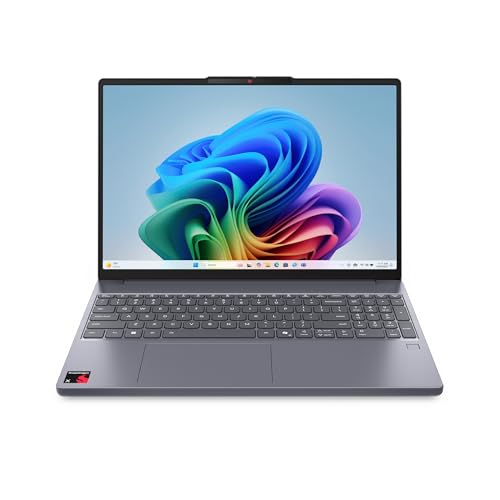
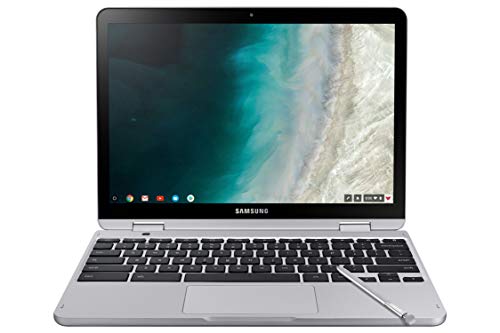
Use the budget sections below to set a realistic tier first, then check details like weight and battery life. The product table below lets you compare the key specs once you know your tier.

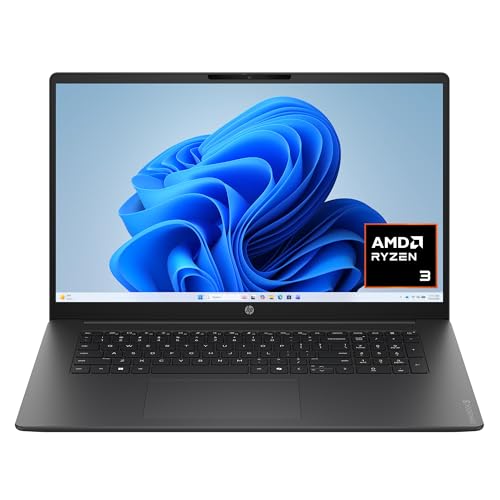
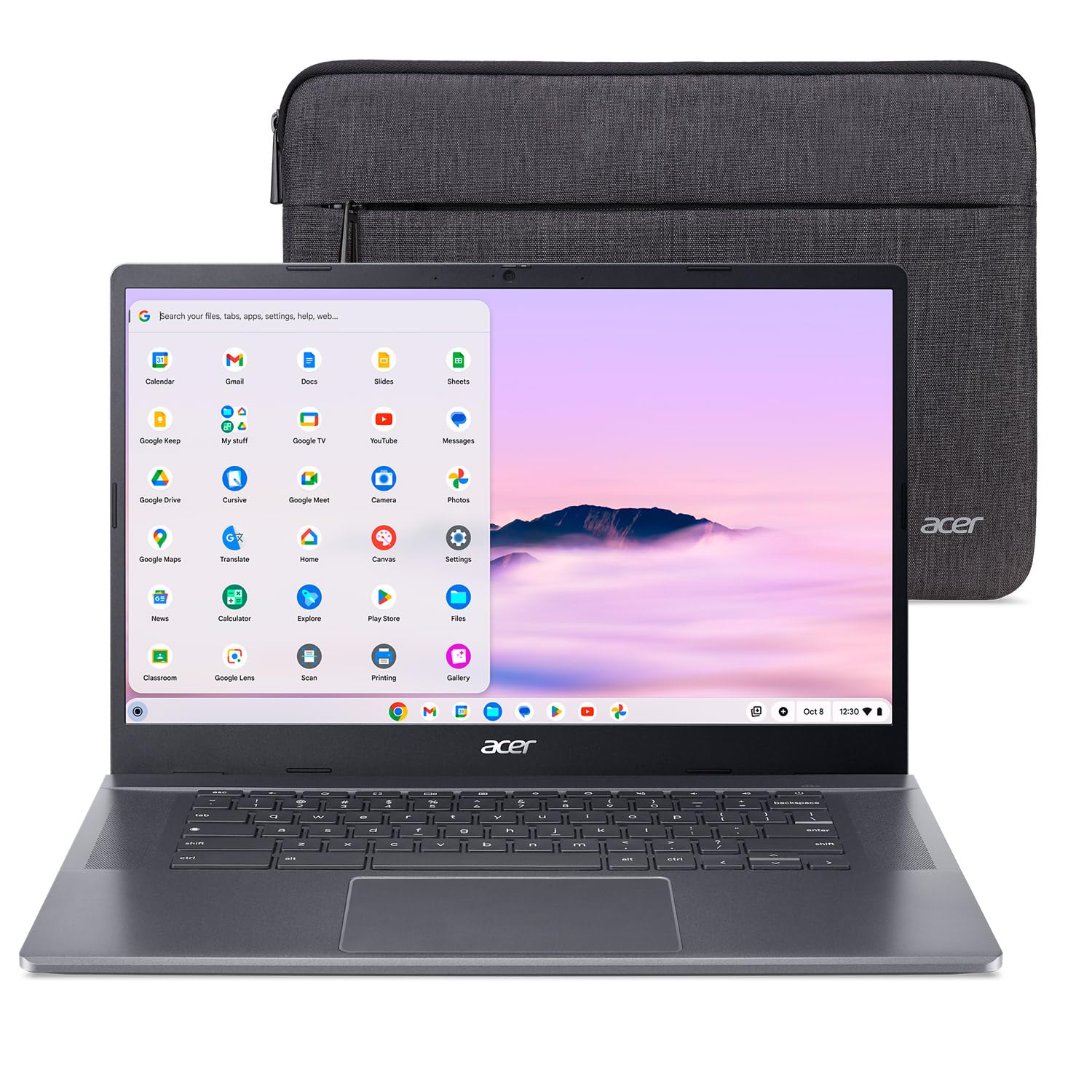

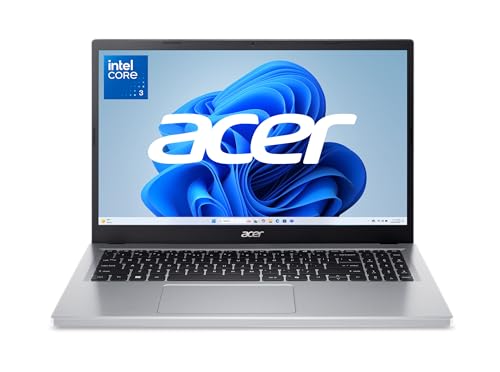
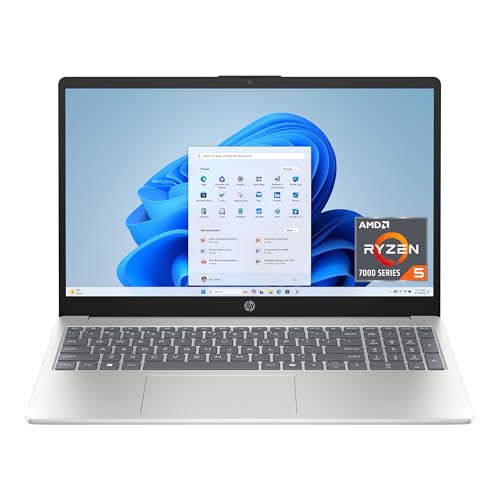


Choosing by Budget Tier Instead of by Hype
Budget Tier Choice: Around $400 to $600
A budget tier laptop in this range suits lectures, note taking, online quizzes, and writing care plans. Look for a solid state drive, at least 8 GB of RAM, and a full HD screen. Expect a plastic case, a standard webcam, and battery life that covers a class day but may not cover a full clinical shift plus evening study without a charge.
Midrange Tier Choice: Around $600 to $900
This tier is the sweet spot for most nursing students. You typically get 16 GB of RAM, a roomier 512 GB drive, a brighter screen, and a lighter metal or partly metal case. Battery life improves, WiFi gets faster, and the laptop feels responsive even with simulation software, a browser, and a word processor open together.
Premium Tier Choice: Around $900 to $1,200
Paying more mainly buys comfort and longevity. Expect a sharper and brighter display, a very light case, longer battery life, and better speakers and webcam for remote classes. Performance for everyday nursing coursework is not dramatically higher than the midrange tier, so choose this level for portability and screen quality, not because coursework requires it.
What Your Money Gets You at Each Price Tier
Budget Tier: What to Expect
At the budget level, makers save money on the case, screen brightness, and extra ports. The laptop will still run learning platforms, electronic health record training systems, and office software well if RAM and storage are adequate. The main trade off is weight and battery life, so check both numbers carefully before you buy.
Midrange Tier: The Sweet Spot for Most Buyers
Midrange models balance price with the features nursing students feel daily. A backlit keyboard helps during evening study, a fingerprint reader speeds up secure sign in, and USB C charging means one charger can travel with you. If you will keep the laptop through graduation and into your first job search, this tier usually offers the best value over time.
Premium Tier: When Spending More Pays Off
Spending more pays off if you commute far, study in bright spaces, or want the lightest possible bag. Premium screens are easier on your eyes during long reading, and premium batteries more often last a full day. If your budget is tight, though, a midrange laptop plus a good backpack and a backup charger is the smarter spend. Students comparing general options can also see our guide to the best affordable laptops for students for wider budget context.
Features Worth Paying For in the Best Affordable Laptops for Nursing Students
Security, Privacy, and School Requirements
Nursing programs handle sensitive training material, so basic security matters. Look for a fingerprint reader or face sign in, a webcam privacy cover, and support for the latest operating system updates. Check your program handbook for required software, a required operating system, and any rules about encryption or exam proctoring tools before you buy, because a laptop that cannot run a required exam program is no bargain.
What You Can Realistically Get on a Budget
Around $500 to $700 can buy a genuinely capable nursing school laptop if you prioritize RAM, storage, and battery over style. You will likely give up an OLED screen, premium speakers, and the thinnest case. Do not give up a full HD screen or drop to a tiny 128 GB drive, because lecture videos, offline notes, and program files will fill small storage quickly.
What Students Should Look For
Nursing students need a laptop that moves between classroom, library, skills lab, and home without fuss. Aim for under about 3.5 pounds, a screen of 13 to 14 inches, and a keyboard you can type on for a full care plan session. A touchscreen can help with diagrams and marking up slides, but it is optional. Our guide to the best laptops for nursing students goes deeper on program specific needs.
Battery Life and Charging on Clinical Days
Battery claims are measured under light use, so treat them as a ceiling rather than a promise. Look for a rating of at least 10 hours and fast charging if you have short breaks between classes. Carry the charger on clinical days anyway, and learn where outlets are in your study spaces. A laptop that dies during a simulation debrief helps no one.
Portability and Size
You will carry this laptop with scrubs, shoes, and often a stethoscope case, so every pound counts. A 13 or 14 inch model fits most clinical bags and small lockers better than a 16 inch model. Use a padded sleeve, keep liquids away from the laptop pocket, and wipe the case with a soft cloth after clinical days while following your program rules for equipment in patient areas.
Long Term Costs to Factor In
The purchase price is only part of the cost. Budget for a padded sleeve or bag, a wireless mouse if you prefer one, and possibly an extended warranty if your program lasts three or four years. Software is often provided by the school, but check costs for exam preparation apps and any required exam tools.
Also plan for small replacements. Chargers get lost, batteries lose capacity after a few years, and cloud backup may carry a yearly fee. A midrange laptop that lasts through graduation usually costs less in total than a very cheap laptop that needs replacement in year two. If price is your main filter across brands, our guide to the best affordable hp laptops for students shows how one brand tiers its student models.
FAQs
What makes laptops for students different?
Student laptops focus on weight, battery life, durability, and price rather than maximum power. Nursing students also need reliable WiFi for learning platforms, a clear webcam for remote sessions, and enough storage for lecture recordings and study guides. Those daily needs matter more than gaming graphics or very high refresh rate screens for this degree.
What features matter most in laptops for nursing students?
Battery life, weight, RAM, and screen quality matter most for nursing students. Choose 16 GB of RAM if you can, a 512 GB solid state drive, and a bright full HD screen for long reading. A comfortable keyboard matters too, because care plans, reflective journals, and exam study notes add up to many hours of typing each week.
How long should a nursing student laptop last?
A nursing student laptop should last the full program, typically three to five years. Midrange models with 16 GB of RAM have the best chance of staying responsive as learning software grows heavier. Battery capacity will fade over time, so a model with widely available replacement chargers and a solid warranty gives you useful peace of mind.
When should I buy a laptop for nursing school?
Buy four to six weeks before your program starts if you can. That timing lets you install required software, try exam and proctoring tools, set up school email and cloud storage, and solve small problems before classes begin. It also gives you time to exchange the laptop if the keyboard, size, or screen does not suit you.
Is a premium laptop really necessary for nursing school?
No, a premium laptop is not necessary for nursing school coursework. Midrange models run learning platforms, simulation tools, and office software well. Premium models mainly add a lighter case, a better screen, and longer battery life. Spend extra only if those comforts fit your budget after you have covered RAM, storage, and a good warranty.
How do I clean and care for a laptop used around clinical training?
Clean the laptop at home, away from patient care areas, and follow your program rules for personal devices. Power it down, wipe the case and keyboard gently with a slightly damp microfiber cloth, and avoid spraying liquid directly on the machine. Never use harsh chemicals on the screen, and wash your hands before study sessions at home.
Will my nursing program or financial aid help pay for a laptop?
Many schools include a laptop in the estimated cost of attendance, which can affect financial aid, and some programs offer grants or loaner machines. Ask your financial aid office and program coordinator what applies to you, because policies vary widely. Keep your receipt and program requirement letter in case you need them for aid or tax records.
The Verdict
For most readers, the midrange tier offers the best balance. Prioritize 16 GB of RAM, a 512 GB drive, strong battery life, and a weight you can carry all day, then let price decide between close options.
Check those points against the product table above, and the best affordable laptops for nursing students for your budget and program should be easy to spot. Buy early enough to set everything up calmly before your first class.


