
Best Affordable Laptops for Graduate Students: A First Time Buyer's Guide for 2026
Disclosure: We may earn a commission when you buy through links on this page, at no extra cost to you. As an Amazon Associate I earn from qualifying purchases. Learn more

Compare the best affordable laptops for graduate students with this plain English guide to specs, ports, battery life, and smart budget choices.
Buying your first laptop for graduate school can feel confusing, because every listing throws numbers at you before it explains what those numbers mean. This guide starts with the basics and builds up step by step, so you can choose best affordable laptops for graduate students with a clear head and a realistic budget.
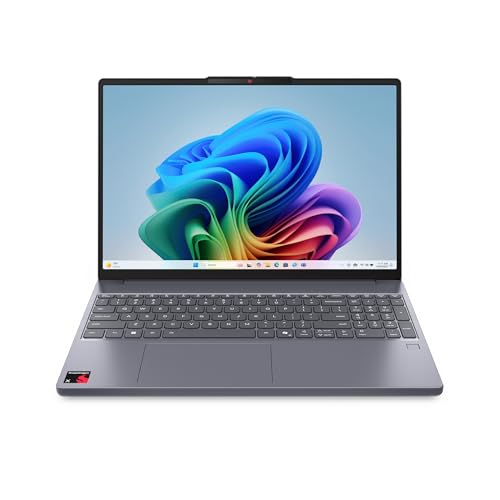
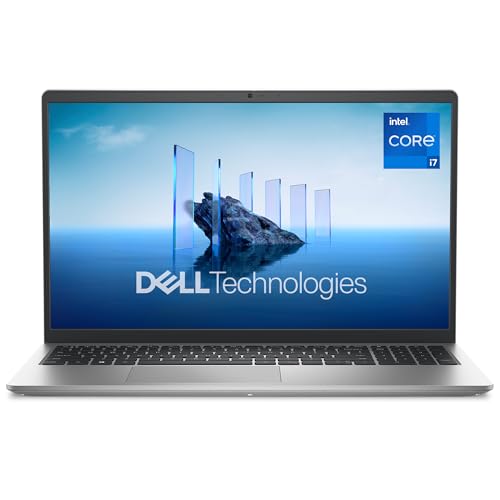
You do not need the most powerful machine in the store. You need one that handles long documents, research tabs, video calls, and data work without slowing you down, and the product table below gives you a quick way to check the options side by side.





Laptops 101: The Basics
A laptop is a complete computer in one folding case. The screen, keyboard, battery, storage, and processing parts all live together, so you can work in a library, a lab, a seminar room, or at home without a separate monitor or tower.
Three ideas explain most of what you will see in listings. The processor is the brain that does the thinking. RAM is the short term workspace that holds the apps and files you have open right now. Storage is the long term shelf where your papers, photos, and programs stay when the machine is off.
When a laptop feels slow, the cause is often too little RAM for the number of tabs and apps open, or an old mechanical drive instead of a solid state drive. A modern solid state drive makes even a modest processor feel quick, because files and programs load in seconds rather than minutes.
Graduate work also adds its own demands. You may keep a literature review, a statistics program, a reference manager, and twenty browser tabs open at once. You may also carry the machine every day for two to six years, so weight and battery life matter as much as raw speed.
Key Specs for the Best Affordable Laptops for Graduate Students
What You Can Realistically Get on a Budget
Around $500 to $800 is the realistic range for a capable new graduate laptop, and sale prices sometimes dip lower. At this level you can expect a bright full HD screen, a solid state drive, and enough power for writing, browsing, and everyday analysis.
What gets cut is usually the extras. Expect a plastic or partly metal case instead of an all metal one, a standard refresh rate screen instead of an OLED panel, and fewer ports. Do not cut corners on RAM or storage to save a small amount, because those two parts decide how the laptop feels every day.
What Students Should Look For
Start with your program. A humanities student who writes and reads all day needs battery life and a comfortable keyboard most. A student in a data heavy field needs more RAM and a stronger processor. If your work differs, our guide to the best laptops for graduate students walks through program by program needs in more detail.
Weight deserves real attention. A machine under about 3.5 pounds is easy to carry between classes and the library. A larger 15 or 16 inch model gives you more screen room for spreadsheets and side by side documents, but you will feel the extra weight on a long walk across campus.
Processor and Performance Tier
The processor decides how smoothly the laptop handles demanding tasks. Current midrange chips from the Intel Core Ultra, AMD Ryzen, and Apple M families all handle writing, browsing, video calls, and light data work with ease. You do not need a top tier chip for most graduate programs.
Choose a step up if you run statistical models, compile code, edit video, or work with large image sets. Those tasks use all the processor power they can get, and a stronger chip can cut waiting time in a real way. For plain document work, put the money into RAM and a better screen instead.
Ports and Connectivity
Ports decide what you can plug in without carrying a bag of adapters. Look for at least two USB C ports, at least one full size USB port if you use older drives, and an HDMI port if you present in classrooms or meeting rooms. USB C charging is a plus, because one charger can then serve your laptop and phone.
Wireless speed matters too. WiFi 6 or WiFi 6E handles crowded campus networks better than older standards, and Bluetooth support lets you use a wireless mouse and headphones. If you compare options for other degree paths, see our guide to the best affordable laptops for engineering students for a look at heavier computing needs.
Display Size, Resolution, and Brightness
A 13 or 14 inch screen is the sweet spot for most graduate students. It fits in a backpack, leaves room for a notebook on a small desk, and still shows two documents side by side when you raise the resolution setting. A 15 or 16 inch screen helps if you rarely carry the laptop or work with wide tables often.
Look for full HD resolution at a minimum, and brightness of about 300 nits or more so the screen stays readable near windows. A standard 60 Hz refresh rate is fine for writing and research. Higher refresh rates and OLED panels look smoother and richer, but they raise the price and can use more battery.
Rookie Mistakes to Avoid
- Buying on processor name alone. A strong chip paired with only 8 GB of RAM and a small drive will still feel cramped when you open many tabs and apps at once.
- Choosing the cheapest storage. A 256 GB drive fills fast once you add photos, data sets, and program files. Aim for 512 GB if your budget allows it.
- Ignoring weight and battery claims. A heavy laptop with a short battery life becomes a daily burden, even if the specification sheet looks impressive.
- Skipping the keyboard check. You will type thousands of pages. If you can, try the keyboard in a store and check key feel and layout.
- Forgetting software costs. Check whether your university provides office software, statistics tools, and cloud storage for free before you pay for them yourself.
If you are also helping a younger student shop, our guide to the best affordable laptops for students covers simpler needs and lower budgets. Readers in the United Kingdom and similar systems may also find our guide to the best affordable laptops for uni students useful for comparing terms and course demands.
Getting Started: Setup and First Use
Start by charging the laptop fully, then run the setup steps your operating system shows on first start. Connect to a trusted home network, create your account, and turn on automatic updates before you install anything else. Keeping the operating system and firmware updated protects you from security flaws and fixes small bugs early.
Next, sign in to the accounts you use for school email, cloud storage, and your reference manager, and set up a backup routine on day one. An external drive or a cloud folder that syncs automatically will save you if the laptop is lost near a deadline.
Finally, learn the battery settings. Avoid running at 100 percent charge all the time if the laptop stays plugged in at a desk, because many machines offer a charge limit setting that helps the battery age more slowly. Use sleep mode for short breaks and shut down fully once a week.
Frequently Asked Questions
What makes laptops for students different?
Student laptops favor low weight, long battery life, and a fair price over raw power. Graduate students also need more storage and RAM than most undergraduates, because research files, reference libraries, and data sets grow over several years. A durable case and a good keyboard matter more than gaming graphics for this kind of daily academic work.
What features matter most in laptops for graduate work?
RAM, storage, battery life, and screen quality matter most for graduate work. Aim for 16 GB of RAM and a 512 GB solid state drive if you can. A bright screen reduces eye strain during long reading sessions, and a webcam that looks clear on video calls helps for remote seminars, teaching, and advisor meetings.
How long should a laptop last?
A well chosen midrange laptop should last four to six years with normal care. Battery capacity will fade first, often after three or four years of daily charging. Choosing 16 GB of RAM and a roomy drive at purchase extends useful life, because those parts are hard or impossible to upgrade on many thin models later.
Is a dedicated GPU worth it?
A dedicated graphics card is worth it only if your field uses it. Machine learning, 3D modeling, video editing, and some engineering and design tools gain real speed from a separate GPU. For writing, browsing, presentations, and most statistics work, integrated graphics are enough, and skipping the GPU saves money and battery life.
How much RAM do I need?
Most graduate students should aim for 16 GB of RAM. That amount handles a reference manager, a statistics program, a word processor, and many browser tabs at once without slowdowns. Eight GB can work for light writing and browsing on a tight budget, but it leaves little headroom as software grows heavier over your degree.
Should I buy a laptop or a tablet?
Buy a laptop if you write long papers, run desktop software, or manage data. Tablets are great for reading and marking up articles, and 2 in 1 convertibles can do both jobs, but a tablet alone often struggles with file management and specialized programs. Many students use a laptop as the main tool and a tablet as a reading companion.
Is a Chromebook enough for school?
A Chromebook is enough only if all your work lives in a browser and your program allows it. Many graduate programs require desktop software for statistics, references, or lab work that Chromebooks cannot run. Check your department software list before you buy, because a low price is no saving if you must replace the machine in your first term.
The Bottom Line
Focus on three things and the rest becomes easier. Get 16 GB of RAM and a 512 GB solid state drive if your budget allows, pick a weight and screen size you can live with every day, and choose a processor tier that matches your field rather than the most impressive name.
When you compare the product table above with those points in mind, the best affordable laptops for graduate students for your program should stand out clearly. Take your time, check your department requirements once more, and buy the machine that fits your actual daily work.


