
Best Affordable Laptops for Architecture Students: A First Time Buyer's Guide for 2026
Disclosure: We may earn a commission when you buy through links on this page, at no extra cost to you. As an Amazon Associate I earn from qualifying purchases. Learn more

Choose the best affordable laptops for architecture students with this guide to displays, graphics, memory, and the software your studio work needs.
Architecture school asks a lot of one laptop. You will draw in CAD, build 3D models, render views for reviews, and still write essays and carry the machine across campus all day. Buying your first one on a student budget feels daunting, but the priorities are clear once you know the software. This guide explains the best affordable laptops for architecture students in plain terms, from the basics up.
This guide translates each specification into what it means for studio work, flag the mistakes new students make, and show where a tight budget can safely bend. Start with the product table below, then work through the sections in order.


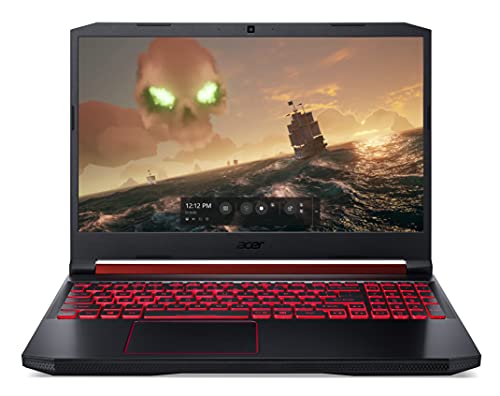





Laptops 101: The Basics
A laptop balances four things: processing power for calculations, graphics power for 3D views, memory for holding large files open, and a screen that shows your drawings accurately. Architecture software leans on all four at once, which is why a general bargain laptop can feel fine for essays yet stall the moment a model grows detailed.
A few terms will recur. RAM is short term memory that holds open programs and files. The SSD is long term storage where your projects live. The GPU, or graphics processor, draws the 3D model on screen.
The CPU, or main processor, handles calculations and rendering. Understanding which part does which job stops you paying for the wrong strength. A balanced machine with no weak link beats a lopsided one with a flashy processor and too little memory every time, especially in studio courses where deadlines do not move.
Key Specs for the Best Affordable Laptops for Architecture Students
These are the specifications that decide whether your laptop keeps up from first year exercises to a final year thesis project. Note the level suggested for each one, because together they form your minimum checklist. Students comparing best affordable laptops for architecture students should protect memory, graphics, and screen quality first, since those three are hardest to upgrade later.
What You Can Realistically Get on a Budget
For about $700 to $1,100 you can get a laptop that handles typical undergraduate architecture work well. Expect a strong mid range processor, 16 GB of RAM, a 512 GB SSD, and on many models a dedicated entry level GPU. What you give up versus pricier machines is rendering speed on very large scenes, the brightest and most accurate screens, and slim metal builds.
Do not save money by dropping to 8 GB of RAM, because design software will punish that choice within a semester. A slightly heavier machine with the right internals serves you far better than a slim one that stalls in studio.
What Students Should Look For
Students need a balance that office buyers do not. Your laptop must be light enough for a full day of classes, tough enough for daily bag travel, and powerful enough for evening project work. A 14 or 15 inch screen is the practical range, since smaller screens cramp detailed drawings and larger ones grow heavy.
Battery life of seven hours or more for light tasks keeps you untethered during lectures. Also check your school's software list before buying, because some programs run only on Windows. Our guide to the best affordable laptops for students covers general student needs if you want the wider picture alongside this specialist advice.
Processor and Performance Tier
The processor drives CAD responsiveness and much of your rendering. Look for a current mid range or upper mid range chip with at least six cores, from the Intel Core Ultra, AMD Ryzen, or Apple M series families. Higher sustained power matters more than short burst speed, because renders run for minutes at a time and a hot, throttling chip slows down mid task.
Single core speed still counts for everyday CAD work, which is mostly a one thread job. In plain terms, choose the strongest processor your budget allows after memory and graphics are covered, and favor models known for good cooling.
Graphics (Integrated vs Dedicated GPU)
Graphics decide how smoothly you can orbit, zoom, and shade a 3D model. Integrated graphics handle 2D drafting and small models, but a busy scene with textures and shadows will stutter. A dedicated GPU with at least 6 GB of its own memory is the safer choice for students who will model in 3D every week, and many rendering tools use the GPU to finish images far faster.
This is also why machines aimed at gamers often suit architecture so well, a link explored in our guide to the best gaming laptops for architecture students. If your course is mostly 2D in the first year, you can start integrated and still choose a model with strong memory and storage.
Keyboard, Trackpad, and Build
You will type reports, label drawings, and enter dimensions all day, so a firm keyboard with a clear layout matters, and a number pad helps on 15 inch models if you enter measurements often. A large, accurate trackpad reduces your need to carry a mouse, though most students end up using a mouse for CAD precision anyway. For build, a metal lid and a base that does not flex protect the screen in a crowded bag. Check port selection too: USB C, HDMI for studio screens and review projectors, and a card reader if your site surveys involve camera photos.
Rookie Mistakes to Avoid
- Buying 8 GB of RAM to save money. Design software plus a browser plus chat apps will exceed it quickly, and many laptops cannot be upgraded later.
- Choosing a dim or dull screen. You judge color and line weight on that screen daily, so low brightness and poor color coverage make studio work harder than it needs to be.
- Ignoring the school software list. Some required programs run only on Windows, and discovering that after buying a different system is an expensive lesson.
- Paying for thinness over cooling. Slim designs often throttle during renders, so a slightly thicker model can finish the same job much sooner.
- Skipping storage headroom. Project files, textures, and backups grow fast, so 512 GB is the sensible floor and an external drive plan helps.
One more mistake is assuming the laptop alone is the whole cost. A mouse suited to CAD, a padded bag, and an external drive for backups belong in the same budget conversation. If brand pricing matters to your shortlist, our guide to the best affordable hp laptops for students shows what one major maker offers at student prices.
Getting Started: Setup and First Use
On your first day, run all system updates, then install your school software while you are on fast campus WiFi rather than the night before a deadline. Set up your backup routine immediately, saving projects to the laptop and a second copy to cloud storage or an external drive, because a failed drive during review week is a crisis you can prevent in ten minutes today.
Learn two battery habits early. Keep the OS and firmware updated, since updates often improve power and fan behavior during long renders. Avoid running at 100% charge all the time if the laptop lives at your desk, using the battery care setting to cap the charge and slow long term wear.
Finally, organize project folders by course and date from the start. Future you, hunting for a model version at midnight before a review, will be grateful. Students in related fields can also compare notes with our guide to the best affordable laptops for engineering students, since the two workloads overlap a lot.
Laptops: Your Questions Answered
What makes laptops for students different?
Student laptops must survive daily travel, run for most of a class day, and stay affordable on a tight budget, all at once. That mix pushes weight, battery, and durability higher up the list than they sit for a desk bound office buyer. Students also rely on campus WiFi and borrowed projectors, so modern wireless and an HDMI port matter more. Finally, a student machine must last a whole degree, which favors balanced specifications over one standout feature.
What features matter most in laptops for architecture?
Memory, graphics, and screen quality matter most, in that order for most students. Sixteen gigabytes of RAM keeps large models and several programs open together. A dedicated GPU keeps 3D views smooth and speeds rendering tools.
A bright screen with good color coverage lets you judge materials and line weights honestly. After those three, storage of 512 GB or more and a processor with strong sustained performance complete the picture. Ports and weight shape daily comfort but rarely block a project.
How much RAM do I need?
Sixteen gigabytes is the realistic minimum for architecture study, because CAD, a 3D modeler, a browser, and reference PDFs often run at the same time. Thirty two gigabytes helps in later years when models grow and rendering scenes get heavier, and it extends the life of the machine if your budget allows it now. Avoid 8 GB entirely for this field. If a model lets you upgrade memory later, confirm that before buying, since many slim laptops have memory fixed in place forever.
Is a dedicated GPU worth it?
Yes for most architecture students, because 3D modeling is core coursework rather than an occasional hobby. A dedicated GPU keeps complex models responsive and unlocks GPU rendering that can cut image times from hours to minutes. The exception is a first year course built almost entirely on 2D drafting, where integrated graphics cope well.
Even then, choose strong memory and storage so the machine has a path through later years. Check your course software requirements, since some rendering tools list a dedicated GPU as required.
Should I buy a laptop or a tablet?
Buy the laptop first, because your core software for CAD, modeling, and rendering needs a full operating system, a keyboard, and real graphics power. A tablet is a lovely second device for sketching ideas, marking up drawings, and reading on site visits. It cannot replace the laptop for project production.
If money is tight, put the full budget into the laptop and borrow or share a tablet when a course asks for one. A stylus friendly laptop is a middle path some students enjoy for early design sketches.
How long should a laptop last?
A well chosen architecture laptop should last your full degree, about four to five years. Specifications decide that lifespan more than brand does, which is why memory and storage headroom matter so much at purchase. Batteries fade first and can often be replaced.
By the final year, the largest models may render slowly, but campus labs can absorb the heaviest jobs. Buying balanced specifications today, rather than the cheapest machine that runs first year software, is what makes the four year plan realistic.
Is a Chromebook enough for school?
No, a Chromebook is not enough for architecture study, because the main CAD, modeling, and rendering programs do not run on ChromeOS. A Chromebook can handle essays, email, and research, and it makes a fine cheap second machine. As your only computer it will block coursework from the first studio project onward. Check the software list for your program to confirm, since requirements do vary, but plan on a Windows laptop or, where your school confirms support, a machine from the Apple M series with the needed programs available.
Wrapping Up
Protect three things first: 16 GB of RAM or more, graphics strong enough for your 3D work, and a screen you can judge drawings on. Then balance weight and battery against your campus routine, and confirm the software list before paying. Readers who want a second specialist opinion can browse our guide to the best laptops architecture students use for demanding programs. Compare your finalists in the product table above and choose the best affordable laptops for architecture students option that will still feel capable in your final year.


