Best Affordable Hiking Shoes: Buying Guide for 2026
Disclosure: We may earn a commission when you buy through links on this page, at no extra cost to you. As an Amazon Associate I earn from qualifying purchases. Learn more

A plain guide to the best affordable hiking shoes: grip, fit, waterproofing, and comfort on the trail.
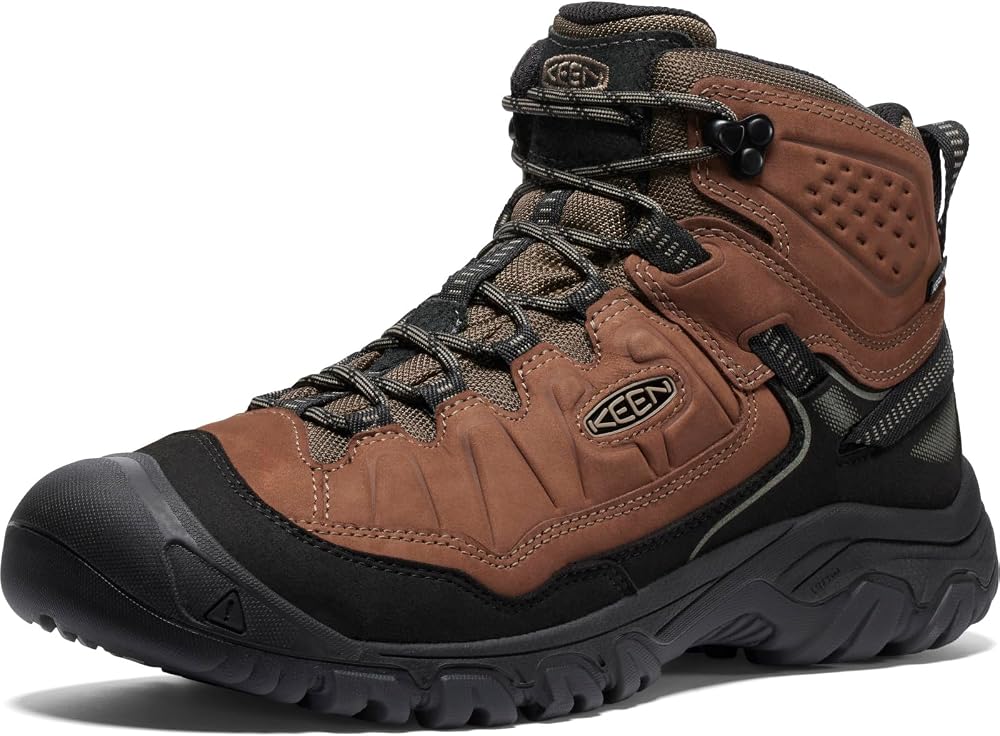
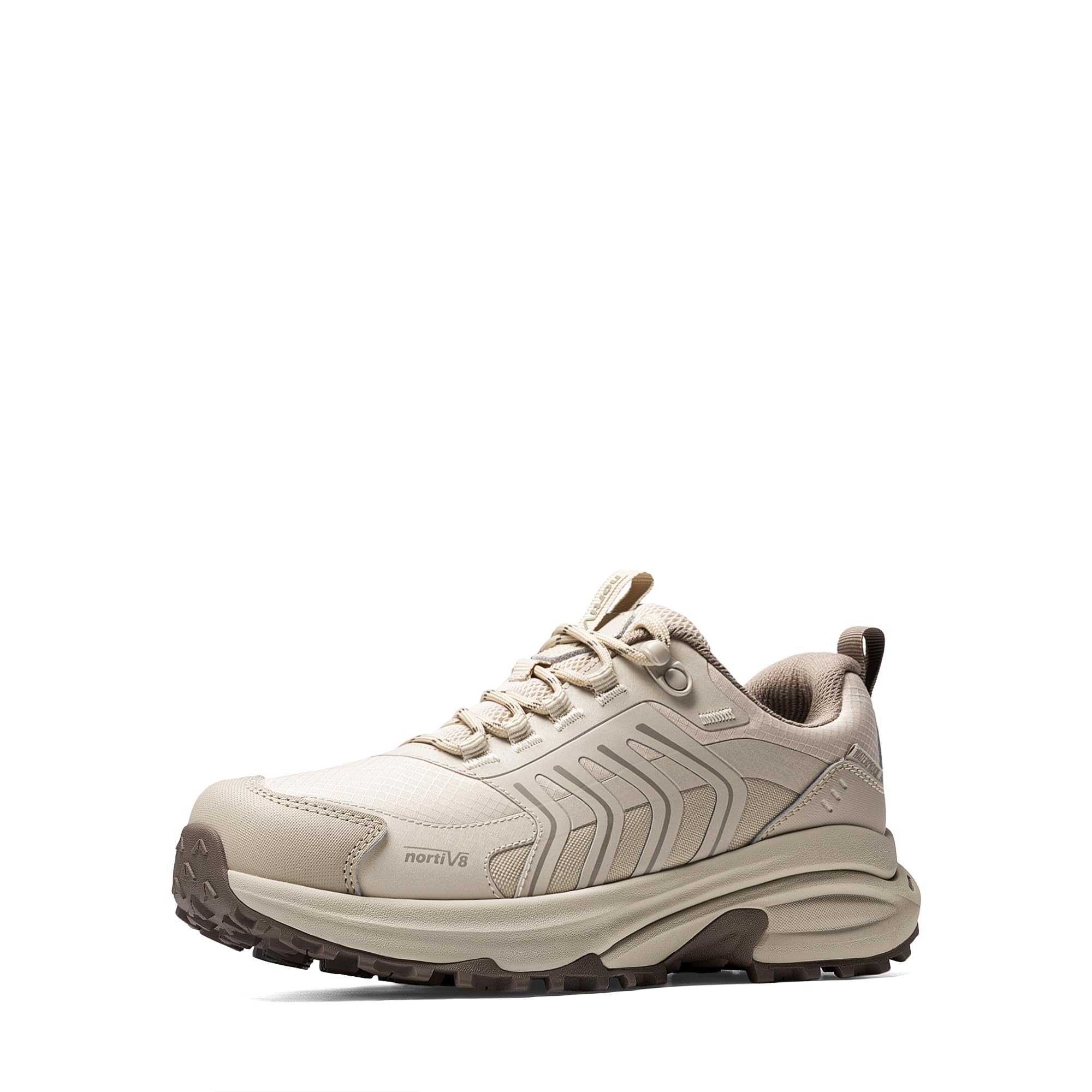
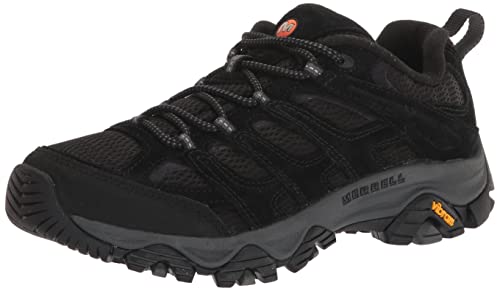
Finding best affordable hiking shoes is about spending where it counts: grip, fit, and comfort on the trail, not on premium branding. A well fitting budget shoe with a grippy outsole will serve a day hiker far better than an expensive boot that pinches. The comparison table below compares the main options, so you can weigh waterproofing, weight, and ankle support.
Think about the trails you actually walk: smooth park paths, muddy woodland, rocky hills, or wet moorland each demand different grip and protection. A shoe that suits gentle paths may struggle on steep wet rock, while a heavy boot may feel like overkill for a flat lakeside walk. Match the shoe to your usual terrain first.



Who Should Buy Affordable Hiking Shoes
Affordable hiking shoes suit day walkers, beginners building a hiking habit, families on weekend trails, and walkers who hike occasionally rather than weekly. They also suit travellers who need one pair for walking and everyday use. If you hike steep mountains weekly or carry heavy packs, a sturdier mid or high cut boot may be a better investment.
- Day walkers
- Hiking beginners
- Weekend trail families
- Occasional hikers
Key Features That Matter Most
Outsole grip is the top priority: look for deep lugs and rubber that grips wet rock and mud, not just a fashionable tread pattern. Water resistance matters on wet trails, but fully waterproof membranes can feel hot in summer, so choose by climate. Ankle support helps on uneven ground, while a low cut shoe feels freer and cooler on easy paths.
Cushioning and fit decide comfort over miles: a roomy toe box prevents black toenails on descents, and a secure heel prevents blisters. Check weight, since heavy shoes tire legs faster on long walks. A gusseted tongue keeps grit out, and a protective toe cap helps on rocky trails.
Fit and Breaking In
Try hiking shoes with the socks you will walk in, and leave space for toes to spread on descents. Walk around the store on an incline board if available, checking for heel slip and toe pressure. Break in new shoes with short walks before a long hike, and tape hot spots early rather than hoping they toughen up.
If you develop persistent foot pain, swelling, numbness, or blisters that do not heal, talk with a clinician, since fit or foot health may need attention. Good socks matter as much as shoes: moisture wicking hiking socks reduce blisters far more than cotton socks. Carry a spare pair on long wet walks.
Budget and Long Term Value
Affordable hiking shoes often cost from about $45 to $180, with the best value around $60 to $100 for a grippy, well made shoe. Last season models and outlet sales can cut that further without losing performance. Budget for good socks and possibly aftermarket insoles, which can transform a decent shoe into a comfortable one.
Durability at this price varies, so check outsole wear and upper stitching after the first months. A shoe that lasts two seasons of regular day walks offers good value, while a very cheap shoe that falls apart in weeks does not. Keep shoes clean and dry between walks to extend their life.
Common Mistakes to Avoid
A common mistake is buying waterproof shoes for hot summer walks, then suffering sweaty feet and blisters. Another is choosing a fashion sneaker with smooth soles for muddy trails. A third is skipping the break in period and starting a long hike in brand new shoes. Test shoes on a short local walk first, in the conditions you expect.
Planning for Everyday Use
Clean mud off after walks, remove insoles to dry, and store shoes in a ventilated spot away from radiators. Reproof waterproofing when water stops beading, following the maker instructions. Check laces and eyelets before a hike, since a broken lace miles from home is an avoidable nuisance.
Related Guides Worth Reading Next
For more options, see our guides to the best affordable women's hiking shoes, the best hiking shoes, the best affordable waterproof hiking boots, and the best affordable men's hiking boots. If you want an open option for warm trails, see the best affordable hiking sandals.
A Final Check Before You Order
Before you order, think about your wettest likely walk, not just your sunniest one, since waterproofing decisions should match real conditions. If your trails stay muddy through winter, waterproof shoes earn their warmth penalty. If you walk mainly in dry summer, breathable shoes will feel far better and dry faster after stream crossings.
Check the outsole rubber compound and lug depth in photos and reviews, since those details decide grip on wet rock far more than brand claims. Deep widely spaced lugs shed mud, while shallow dense lugs suit hard dry trails. Match the tread to your usual surface, and accept that no single tread excels everywhere.
Finally, plan socks and insoles as part of the purchase, since good hiking socks reduce blisters more than any shoe feature alone. Try shoes with those socks, and consider aftermarket insoles if you need arch support. A complete foot system beats a shoe bought in isolation.
Caring for Your Hiking Shoes Over Time
Clean mud off after every walk, since dried mud stiffens uppers and hides damage. Remove insoles and laces to dry, and stuff shoes loosely with paper to hold their shape. Reproof waterproof membranes when water stops beading, following the maker instructions for spray or wash in treatments.
Inspect soles and stitching before a long walk, and replace shoes when grip wears smooth or the midsole compresses unevenly. Worn grip on wet descents is a safety issue, not just a comfort one. With regular cleaning and timely replacement, affordable hiking shoes can cover many happy miles.
Frequently Asked Questions
Do I need waterproof hiking shoes?
Waterproof shoes help on wet, muddy, or snowy trails, but they feel hotter in summer and take longer to dry once water gets in over the cuff. For dry summer paths, breathable non waterproof shoes are more comfortable. Choose by your usual climate and season, not by a blanket rule.
Are hiking shoes or boots better?
Low cut hiking shoes suit easy to moderate trails and feel lighter and cooler. Mid cut boots add ankle support and protection for rough, steep, or heavy pack walks. If you have weak ankles or carry heavy loads, boots are usually the safer choice, and a clinician can advise if you have ongoing ankle issues.
How should hiking shoes fit?
Hiking shoes should fit snugly at the heel and midfoot with room for toes to move, especially on descents. Try them with hiking socks and walk downhill in the store if possible. Toes hitting the front on descents usually means the size or lacing needs adjusting.
How do I avoid blisters?
Wear moisture wicking socks, break in shoes gradually, tape hot spots early, and keep feet dry where possible. Well fitting shoes matter more than any blister product. If blisters keep recurring in the same spot, check fit and sock choice before your next long walk.
How long do affordable hiking shoes last?
Affordable hiking shoes typically last one to three seasons of regular day walking, depending on terrain and care. Rocky trails wear soles faster, while gentle paths are kinder. Replace them when grip wears smooth, cushioning flattens, or the upper splits.
Should I buy hiking shoes a size larger?
Many walkers buy hiking shoes a half size larger than street shoes to allow for thick socks and foot swelling on long walks. Try shoes with your hiking socks and check toe room on a downhill slope. A half size up usually helps, but too large a shoe causes heel slip and blisters, so test carefully.
Are hiking shoes good for everyday walking?
Hiking shoes work well for everyday walking, especially on uneven ground, but their stiff soles and rugged tread can feel heavy on sidewalks. For mainly urban walking, a walking shoe may feel lighter and more flexible. Keep hiking shoes for trails and rough ground to extend their life.
Should I waterproof my hiking shoes myself?
You can reproof hiking shoes with spray or wash in treatments matched to the material, following maker instructions. Reproofing restores water beading but cannot repair a damaged membrane. Clean shoes first, apply treatment evenly, and allow full drying before your next walk.
Final Thoughts
The best affordable hiking shoes prove that a sensible budget can still buy grip, fit, and comfort for real trails. Prioritize outsole and fit over branding, break them in properly, and they will carry you happily through many day walks. The product table above is a good place to start comparing.