
Best Affordable Women's Hiking Shoes: Types Compared and How to Choose for 2026
Disclosure: We may earn a commission when you buy through links on this page, at no extra cost to you. As an Amazon Associate I earn from qualifying purchases. Learn more

Compare the best affordable women's hiking shoes by type, ideal users and price range to choose a pair that suits your trails.
Walk into any outdoor shop and the wall of hiking footwear can stop you cold. Low shoes, mid boots, waterproof models, airy trail shoes, and sandals all promise comfort, and the prices at the budget end look similar. The trick is that best affordable women's hiking shoes is not one product type at all. It is four different tools for four different kinds of trails.
This guide compares each type by what it does well, where it falls short, who it suits, and what it usually costs. Once you know your type, the comparison table below and the fit advice that follows will narrow the choice quickly.

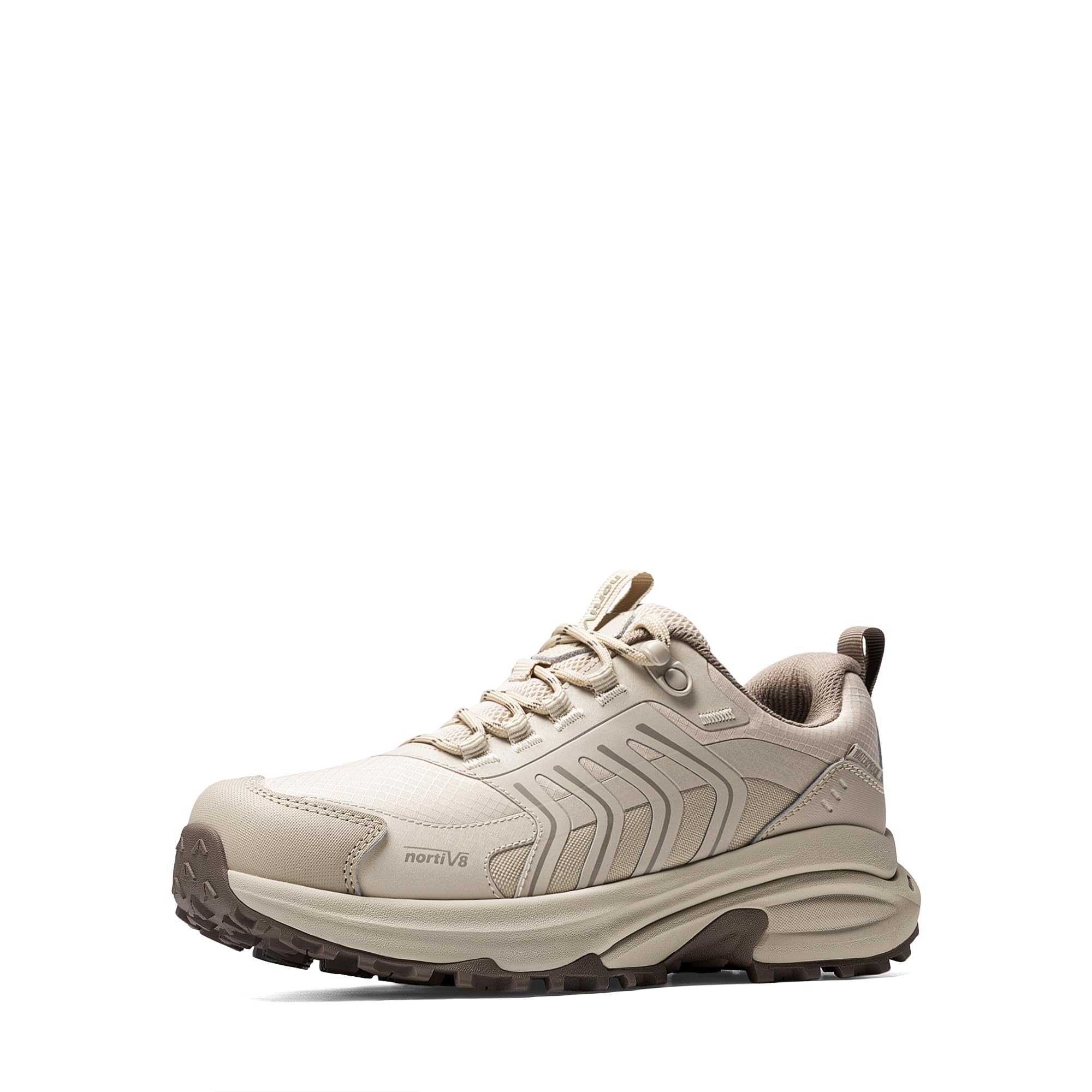
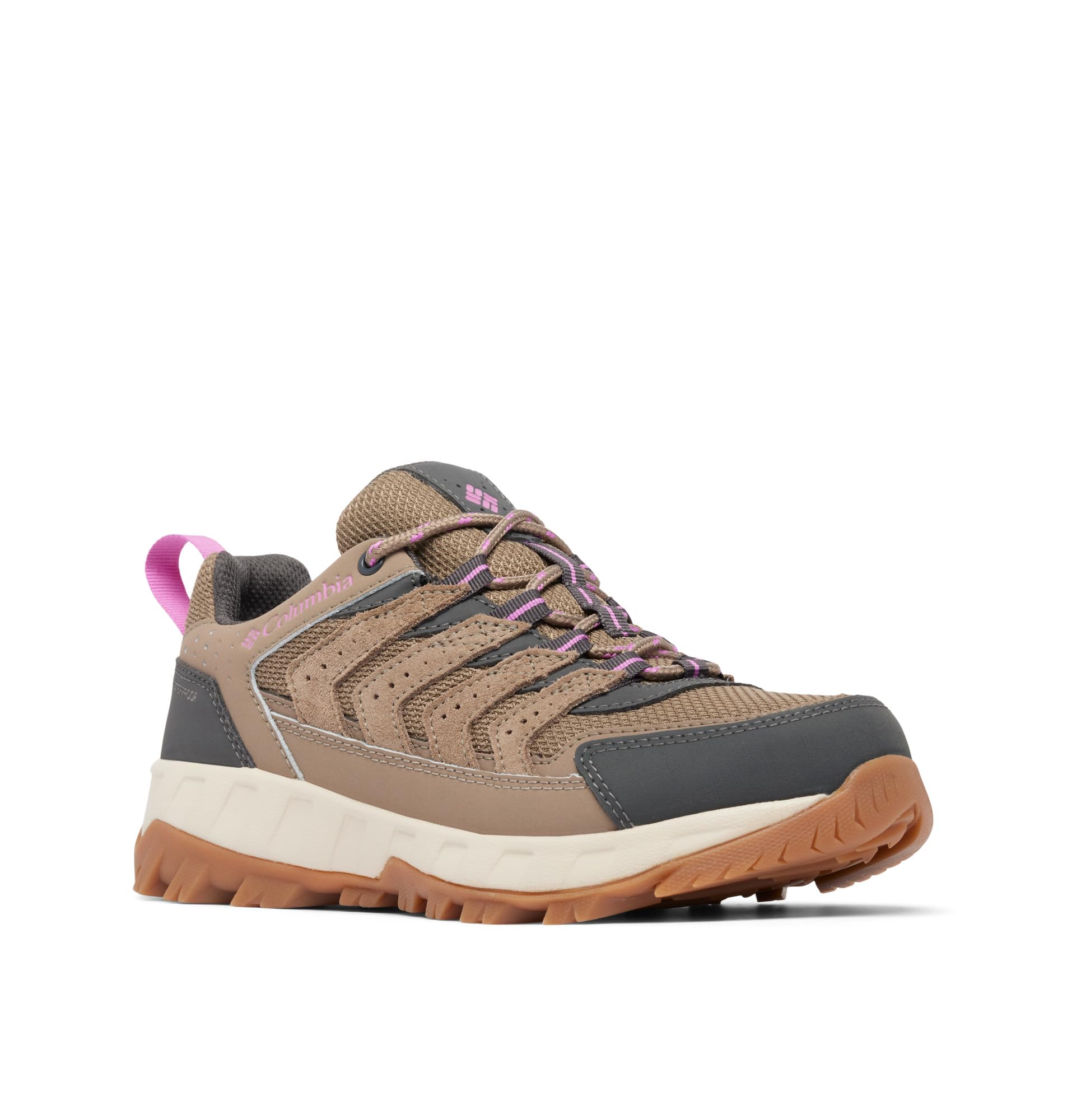

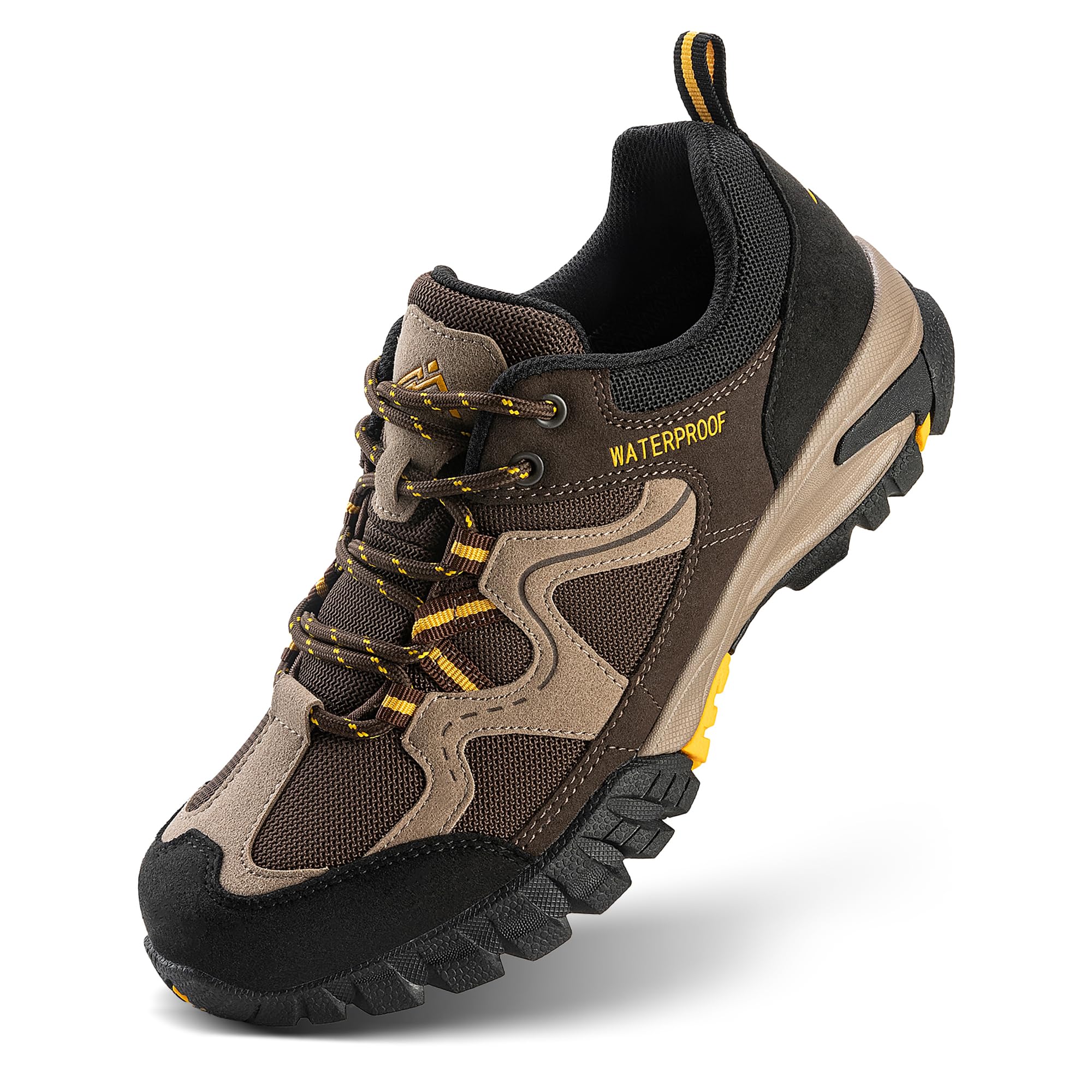
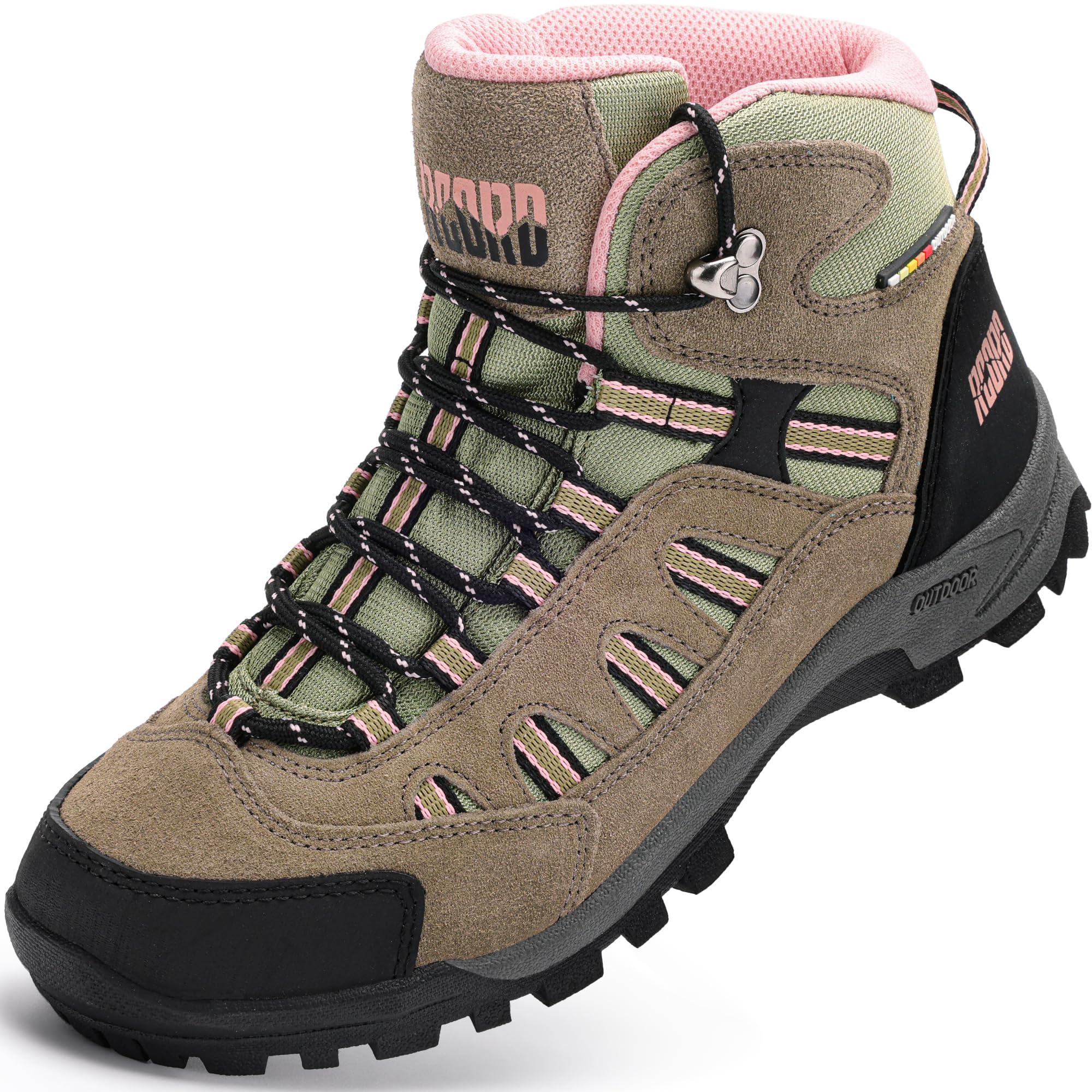


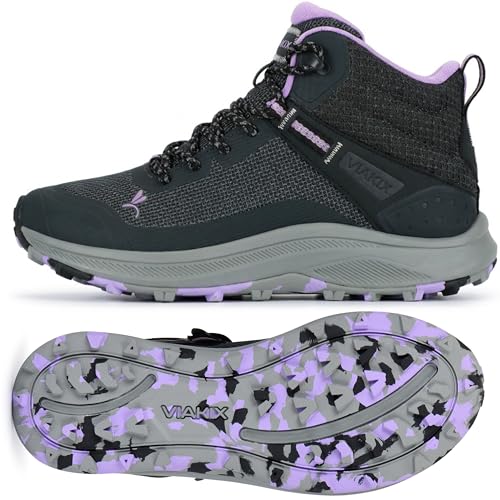
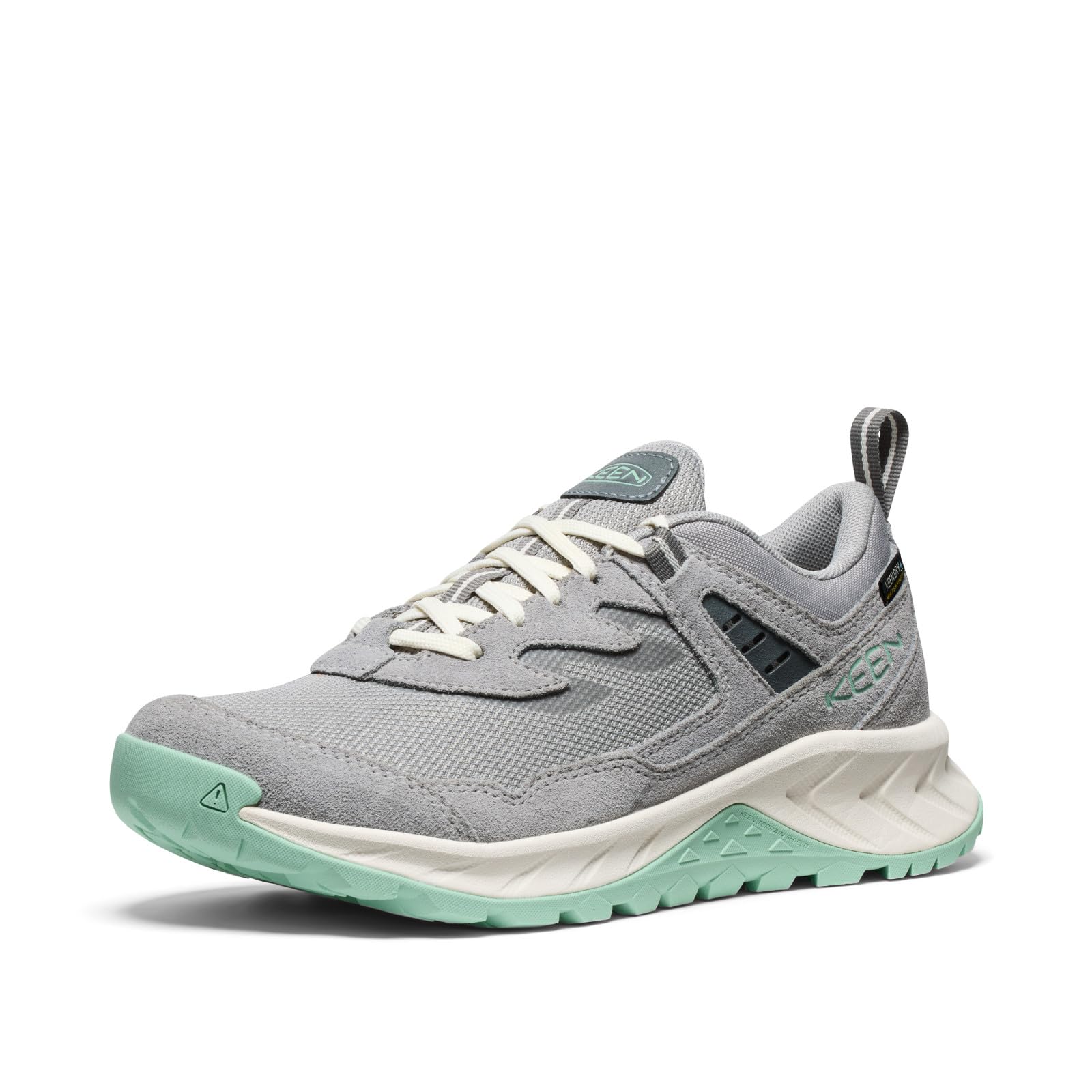
Types of Hiking Shoes Compared
As a quick orientation before the details, stability shoes usually cost around $60 to $110 and suit most day hikers, waterproof boots run around $70 to $130 and suit wet climates, lightweight shoes cost around $50 to $100 and suit fast dry trail days, and hiking sandals run around $40 to $90 for warm weather and water crossings. Our broader guide to the best affordable hiking shoes covers unisex and family options if you are shopping for more than one person.
Stability and Support Shoes
Stability shoes are built around a firmer midsole, a structured heel cup, and often a mild arch support profile that guides your foot as it lands. The benefit is control on uneven ground, less ankle roll on rocky descents, and less foot fatigue on long days, which is why they suit new hikers, anyone carrying a heavier pack, and walkers who know their ankles tire easily. The trade off is weight and stiffness, so they feel clunky on smooth flat paths. If your trails mix roots, gravel, and hills, this is the safest default type to start with.
Waterproof Boots
Waterproof boots pair a higher collar with a membrane such as Gore Tex or a house brand equivalent that blocks water from entering while letting some vapor escape. They shine in rain, mud, wet grass, and shallow stream crossings, and the taller collar adds ankle support and keeps grit out. The downsides are warmth in summer, a slower drying time once water gets in over the top, and a higher price. Choose them if you hike in a wet climate, walk through morning dew on grass, or plan shoulder season trips where puddles and slush are guaranteed.
Lightweight Shoes
Lightweight shoes borrow their shape from running footwear, with soft cushioning, flexible soles, and breathable mesh uppers. They feel comfortable from the first step, need almost no break in time, and dry fast after a splash, which makes them ideal for dry trails, warm weather, and hikers who move quickly and pack light. The compromise is protection, because thin uppers and soft midsoles transmit sharp rocks and offer less support under a heavy pack. Many experienced hikers who log big mileage on maintained trails prefer exactly this trade, and our guide to the best women's trail hiking shoes focuses on this style.
Sandals and Recovery Footwear
Closed toe hiking sandals protect your toes while letting water drain and air flow freely, so they excel at beach walks, river crossings, camp evenings, and hot lowland trails. Recovery sandals with thick cushioning are not for the trail itself but feel wonderful at the car or campsite after a long day. The limits are obvious, since open footwear offers little warmth, no ankle support, and poor protection from thorns and stubbed toes. Treat sandals as a specialist second pair rather than your only hiking footwear, unless your walking is entirely warm, flat, and near water. For trips built around streams and lakes, see our guide to the best women's water shoes for hiking as well.
Stability and Support Shoes vs Waterproof Boots: Which Should You Choose?
These two types get confused most often, so compare them on five points. For ankle support, the boot wins because of its collar, though a stability shoe with a firm heel cup is closer than most people expect. For wet weather, the boot wins clearly. For breathability and summer comfort, the shoe wins, because mesh and a low collar shed heat. For weight, the shoe wins by a wide margin, and your legs notice that difference by mile eight. For price, the shoe usually costs less at the same quality level. So choose the boot for wet, cold, or rough trips, and the stability shoe for dry trails, warm seasons, and everyday versatility. Readers comparing every style at once can also start from our guide to the best hiking shoes and then narrow down.
How to Choose the Right Hiking Shoe
Weight and Flexibility
Every ounce on your feet costs more energy than the same ounce in your pack, because your legs lift your shoes thousands of times a day. Flexible shoes feel nimble and natural on smooth trails but let your feet work harder on rock. Stiffer shoes shield your soles and spread pressure, at the cost of a slower, heavier feel. Match flexibility to terrain, choosing softer shoes for groomed paths and stiffer shoes as rocks, roots, and pack weight increase.
What Women Should Look For
Women specific models are not just smaller men shoes. They usually have a narrower heel, a lower collar that clears the ankle bone, and a last shaped for a higher instep, which reduces heel slip and blisters. Check that the sizing run includes half sizes, because many women sit between whole sizes in hiking footwear. Weight matters too, since a lighter shoe in your size reduces fatigue more than any single feature. If standard widths pinch, look for a wide option in the same model before you change brands.
Fit, Sizing, and Toe Box
Shop and measure your feet in the afternoon, when they are at their largest after a day of standing. You want about a thumb width of space in front of your longest toe, because feet swell on descents and toes that hit the front will bruise. The toe box should let your toes spread without the shoe feeling sloppy at the heel. Wear your real hiking socks during fitting, walk downhill on a slope or ramp if the shop has one, and remember that hikers commonly go up half a size from their street shoes. Women with bunions need that width even more, and our guide to the best hiking shoes for bunions women's explains the fit details.
Outsole Traction and Terrain
The outsole is your contact with the ground, so read its pattern like a tire tread. Deep lugs around 4 to 5 mm bite into mud and loose dirt, while shallower lugs grip rock and hardpack better and wear slower on pavement. Sticky rubber compounds, including Vibram soles, hold on wet stone but can wear faster. Widely spaced lugs shed mud instead of packing it in. Match the pattern to your usual trail surface, and be honest about it, because the grippiest mud shoe is a poor choice for slick rock slabs.
What You Can Realistically Get on a Budget
Around $50 to $110 covers most budget hiking shoes, and at that level you can expect decent cushioning, a grippy rubber outsole, and uppers that last a few seasons of weekend use. What gets trimmed is usually the membrane quality on waterproof models, the durability of mesh panels, and refinements such as metal eyelets. Do not save money on fit or outsole rubber, because both decide safety on the trail. A plainer shoe that fits your foot perfectly will outperform a feature packed shoe that rubs from mile two.
Care and Maintenance Tips
Care starts the moment you get home. Knock dried mud off the soles, loosen the laces, and air dry wet shoes at room temperature away from direct heat, since radiators and hair dryers crack adhesives and warp cushioning. Remove the insoles to speed drying and reduce odor. If you hike several days a week, rotate two pairs so each one fully dries between outings, which extends the life of both. Expect to replace hiking shoes every 300 to 500 miles, sooner if the midsole feels flat, the lugs wear smooth, or new aches appear after familiar walks.
FAQs
What makes hiking shoes for women different?
Women models use a last shaped around a narrower heel, a different instep volume, and a lower ankle collar, rather than simply shrinking a men shoe. That shape reduces heel lift, which is a leading cause of blisters on descents. Some brands also tune cushioning for a lighter average body weight. If you have wide feet, a women wide fitting or a men model in a small size can still be the better personal fit.
How often should I replace my hiking shoes?
Most hiking shoes last about 300 to 500 miles before the cushioning packs down and the outsole lugs lose their bite. Sand, grit, and pavement shorten that span, while soft forest trails extend it. Replace them when descents start to feel slippery, your feet ache after walks that used to feel easy, or the upper splits at the flex point. Keeping a rough mileage note in your phone makes the timing easy to judge.
Are expensive hiking shoes worth it?
They can be, but only for specific gains. Higher prices usually buy better membrane waterproofing, longer lasting outsole rubber, and lighter materials, which matter if you hike weekly or in harsh weather. For a few gentle hikes a month, a budget shoe delivers most of the comfort at half the cost. Spend more when your mileage is high, and spend on fit first at any price.
How long is the break in period?
Most modern hiking shoes need only a few short walks, totaling about five to ten miles, before a long hike. Stiff boots and stability models sit at the longer end, while soft lightweight shoes often feel ready almost at once. Wear new shoes around the house, then on a one hour walk, and check for hot spots. Never debut any shoe on your biggest hike of the season.
Can I wear them all day?
Yes, most hiking shoes are comfortable enough for all day wear, travel days, and standing work on hard floors. The cushioning and support that help on trails also help in airports and cities. Just remember that daily pavement use wears the lugs down, which shortens the trail life of the shoe. If you love a model, consider one pair for town and one reserved for the trail.
Final Thoughts
Pick your type first, by climate and terrain, then insist on a proper afternoon fitting with room in the toe box. Those two steps decide almost everything about how the shoes feel in month three. The product table above lines up the options by type so the comparison is quick. Choose the best affordable women's hiking shoes for the trails you actually walk, and your feet will thank you on every descent.


