
Best All Purpose Hiking Boots Made Simple: A Clear Buying Guide for 2026
Disclosure: We may earn a commission when you buy through links on this page, at no extra cost to you. As an Amazon Associate I earn from qualifying purchases. Learn more
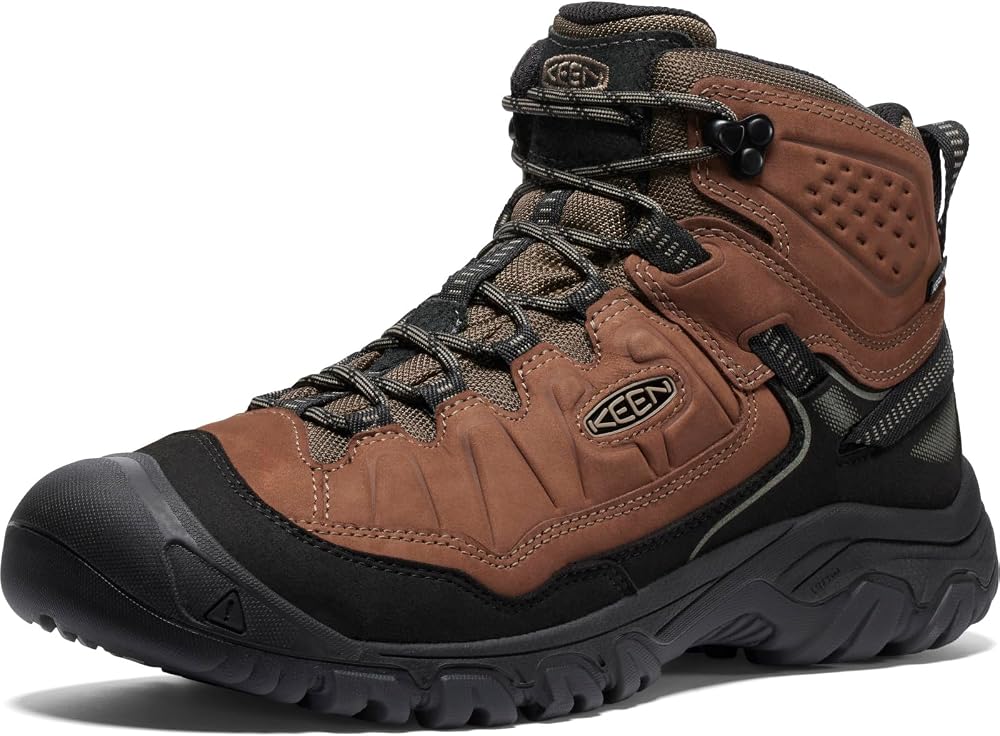
Shopping for the best all purpose hiking boots for the first time? Learn the terms, compare options, and avoid rookie mistakes with this easy guide.
Buying your first trail boots can feel confusing, because every pair promises grip, comfort, and support. The best all purpose hiking boots are the middle ground most new hikers actually need: sturdy enough for rocky paths and light backpacking, yet comfortable enough for day hikes on groomed trails. This guide starts with the basics and explains each spec in plain English.
You do not need the heaviest pair in the shop. You need the right fit, the right waterproofing for your climate, and traction that suits your usual ground. Note the factors that matter most, then use the comparison table below to check real options against them.

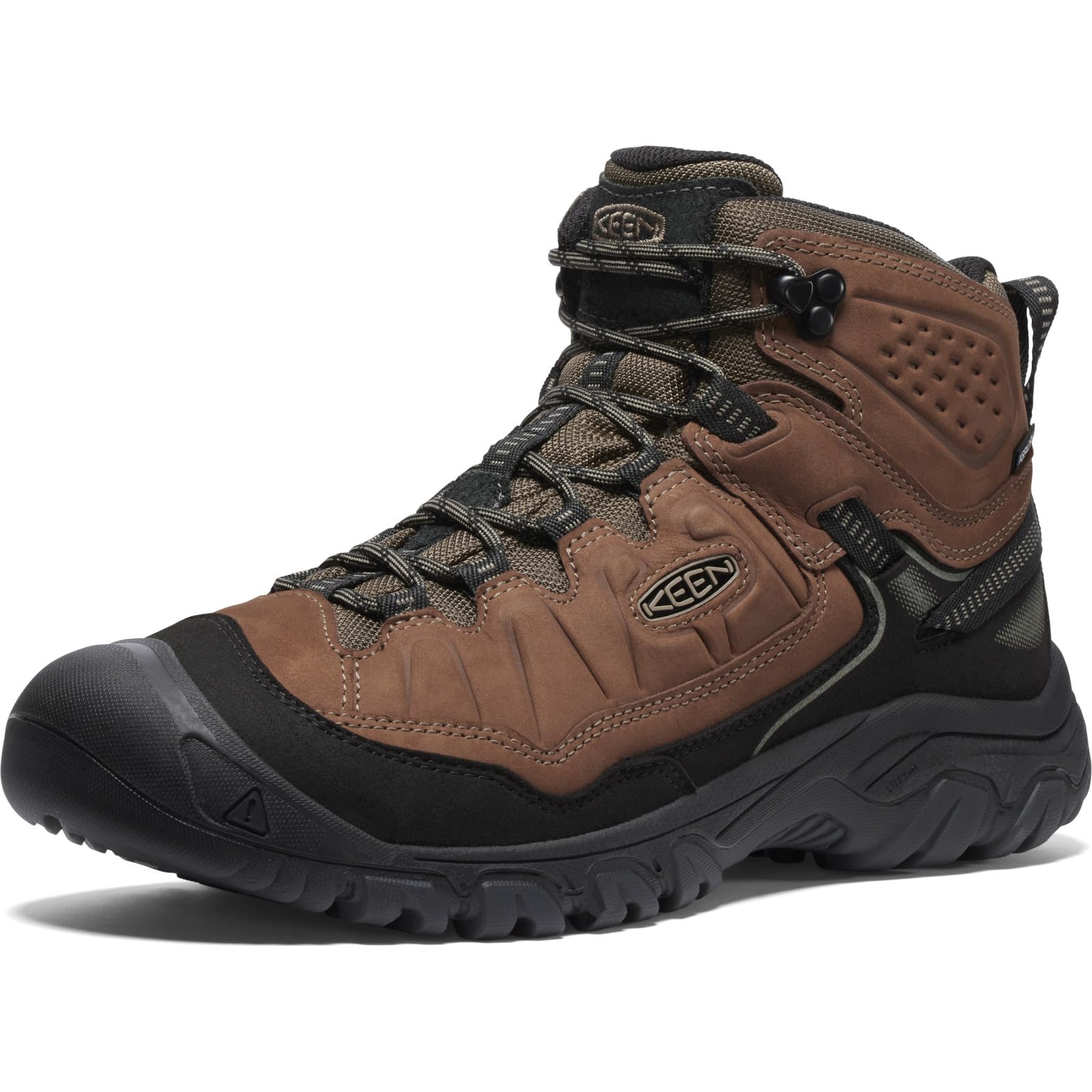
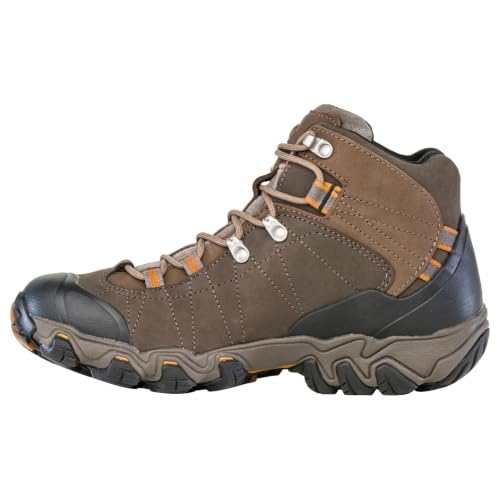


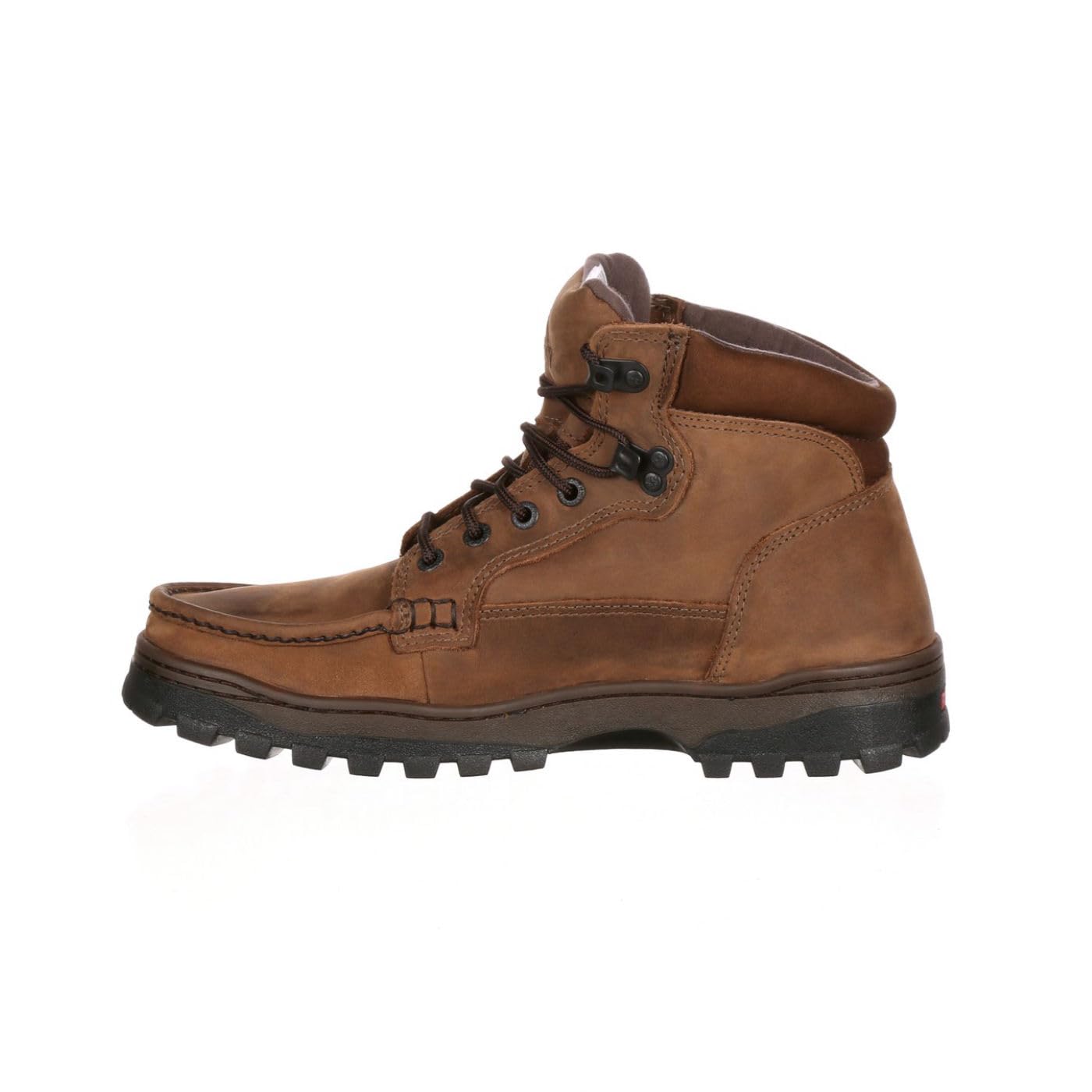

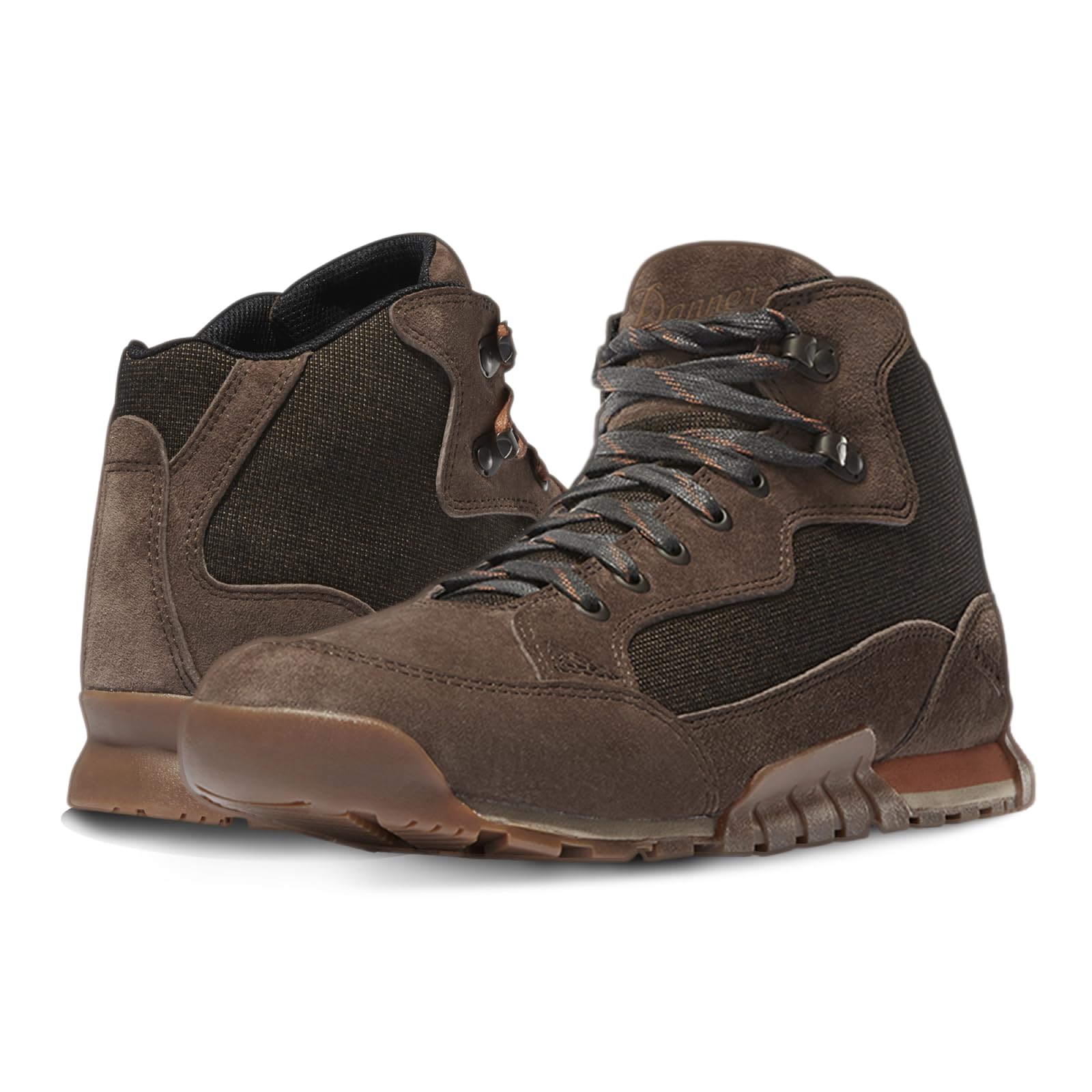

All Purpose Hiking Boots 101: The Basics for New Buyers
An all purpose hiking boot is a mid height or high cut boot built for a wide mix of trails, not one extreme job. The raised collar supports your ankle, the cushioned midsole softens each step, and the lugged outsole grips dirt and wet rock. It sits between light, nimble hiking shoes and stiff mountaineering boots built for snow.
Think of it as the one pair answer for general hiking. Readers who walk flat, well kept paths may prefer something lighter, and our guide to the best hiking shoes explains when a shoe is the smarter buy.
Who Should Buy All Purpose Hiking Boots?
The best all purpose hiking boots suit hikers who want one dependable pair instead of a shelf of special purpose footwear.
Day Hikers Who Mix Easy Paths and Rocky Trails
If your routes change weekly, smooth forest soil one walk and loose stone the next, one versatile boot covers both. The ankle collar helps when a foot lands on a tilted rock, and the firmer sole blocks sharp edges that would poke through a soft shoe. Choose a lighter, flexible model for groomed trails, and a sturdier one for rocky descents.
New Backpackers Carrying Light to Moderate Loads
A loaded pack makes each misstep harder to correct. All purpose boots give new backpackers enough stiffness for overnight loads of up to 30 pounds without the punishing feel of a heavy expedition boot. For much heavier packs, look for a firmer shank and a higher collar instead.
Travelers Who Want One Pair for Trails and Town
When luggage space is tight, one pair that hikes in the morning and walks cobbled streets in the afternoon earns its place. Boots in muted colors with leather uppers look at home in town, while the outsole handles park paths and viewpoint trails. Pick a breathable, non waterproof version for warm destinations, since it dries faster and feels cooler during long sightseeing days.
The Boot Specs That Matter Most on Mixed Trails
Six factors decide whether a boot feels right, so decide where you stand on each before price enters the picture.
Fit, Sizing, and the Toe Box
Fit matters more than any single feature, so try boots in the afternoon, when your feet are swollen, and wear your hiking socks. Aim for about a thumb width of space before your longest toe, a heel that stays put, and room for toes to spread on descents. Compare also our guide to the best hiking boots for men and our guide to the best ladies hiking boots for the width options in each range.
Waterproofing, Gore Tex, and Breathable Membranes
A waterproof membrane such as Gore Tex blocks water while letting some sweat vapor escape. Choose it if you hike in rain, cross shallow streams, or walk wet grass often. The trade off is heat, so in hot, dry climates a non waterproof boot with mesh panels breathes better and dries faster. Our guide to the best waterproofing for hiking boots explains how membranes and treatments work together.
Cushioning, Stability, and Arch Support
The midsole foam absorbs impact, and its firmness shapes how fresh your legs feel. Softer cushioning suits lighter hikers and smoother trails, while firmer foam and a supportive shank stabilize heavier loads on rocks. Heel to toe drop, the height difference between heel and forefoot, is often about 8 to 12 mm in hiking boots. If your arches ache in everyday shoes, choose a shaped footbed with real arch support.
Lug Depth and Grip on Mud, Dirt and Wet Rock
The outsole is the rubber sole, and its lug pattern is your grip. Lugs about 4 to 5 mm deep bite into mud and loose dirt, while shallower lugs feel smoother on rock. Softer rubber grips wet stone better but wears down faster, so match the compound to your usual ground. Wide lug spacing sheds mud instead of clogging, which matters on clay trails.
Boot Weight and Flex for Long Trail Days
A pair of all purpose boots weighs about 2 to 3 pounds, and every extra ounce is lifted thousands of times, so extra weight tires legs late in the day. Flexible boots bend easily and feel friendly straight from the box, suiting new hikers and smooth trails. Stiffer boots protect feet on sharp rock and support heavier packs, but demand stronger legs and more patience. When in doubt, choose the lighter boot that still feels stable.
Durability and Expected Lifespan
Uppers of full grain leather or tough synthetic panels with few seams tend to outlast heavily stitched designs, because seams are where boots fail first. A rubber rand wrapping the toe and sides guards against rock scrapes. Sharp rock, heat, and stored dampness shorten lifespan faster than gentle forest miles.
Getting Started: First Walks and a Simple Break In Plan
New boots should earn your trust gradually, not on the longest hike of the season. Follow this order over the first two weeks, while returns are still easy.
- Wear the boots indoors for an hour, noting any pressure on toes, ankle bones, or heel.
- Take a flat walk of about 30 to 45 minutes in hiking socks, then check for red spots.
- Add gentle hills and uneven ground next, since descents reveal toe bang and heel lift.
- Carry your loaded day pack on the final test walk, since extra weight changes how the boot flexes.
If one spot rubs on every walk, adjust sock thickness or lacing before blaming the boot, since firmer lacing at the top hooks solves most heel lift.
Rookie Mistakes to Avoid When Buying Your First Pair
Most first pair regrets come from a handful of avoidable errors, including these.
- Buying boots tried on in the morning, so the fit feels tight once your feet swell on the trail.
- Choosing waterproof boots for hot, dry trails, so feet overheat and sweat soaked skin blisters faster.
- Wearing brand new boots on a long hike first, so a small hot spot becomes a hike ending blister.
- Trying boots on with thin everyday socks, so the size you pick feels loose with proper hiking socks.
- Picking the stiffest, heaviest boot for easy paths, so your legs tire early and the boots sit unused.
Care and Maintenance for All Purpose Hiking Boots
A few minutes of care protects the fit and grip you paid for. After each hike, knock the soles together to clear packed mud, remove the insoles, and loosen the laces. Brush dried dirt off the uppers, and wash heavy grime away with lukewarm water and a mild footwear cleaner. Stuff wet boots with newspaper to draw out moisture, and swap the paper once it feels damp.
Always air dry wet boots at room temperature away from direct heat, because radiators and campfires can crack leather and weaken sole glue. When leather uppers look dry and pale, work in a conditioner, and refresh the water repellent finish on synthetic uppers once water stops beading. Store boots clean and dry in a ventilated spot, and replace frayed laces early.
All Purpose Hiking Boots: Your Questions Answered
Can I wear all purpose hiking boots all day?
Yes, most people can wear all purpose hiking boots all day once they are broken in and fit right. Plan on rotation, though: wearing sandals or recovery footwear on rest days lets calf muscles and foot skin recover. If you stand on hard floors for hours, a cushioned replacement insole matters more than boot height.
Do I need waterproof all purpose hiking boots?
You need waterproof all purpose hiking boots only if wet ground is a regular part of your hiking, not as a default. One factor new buyers miss is depth: a membrane only helps while water stays below the collar, so a deep crossing soaks any mid height boot. In rainy regions, pairing waterproof boots with gaiters keeps splashes and debris out of the collar opening, where most water enters.
How often should I replace all purpose hiking boots?
Replace all purpose hiking boots when the midsole feels flat and unresponsive, which for many hikers happens after about 500 to 800 miles. Mileage is only a guide, so also watch for lugs worn smooth at the heel, upper cracks that flex open, and new aches after familiar walks. A boot that grips and supports evenly can stay in service beyond that range with fresh insoles.
How long is the break in period for all purpose hiking boots?
The break in period for all purpose hiking boots is usually a few short walks over about 1 to 2 weeks for synthetic models. Full leather boots often need several weeks of gradual use, as the upper softens slowly. Work backward from any big trip date and finish your longest test walk at least a week before it, leaving time to exchange sizes if a problem shows up.
Are expensive all purpose hiking boots worth the extra cost?
Expensive all purpose hiking boots are worth it when the extra money buys a better fit and tougher materials, not style. Many capable pairs sell for about $120 to $250, and paying more adds lighter construction, grippier rubber, and more wide and narrow fit options. Think in cost per season: a durable pair used for four seasons costs less per trip than a cheap pair replaced after one.
Wrapping Up
Start with fit, because no feature rescues a boot that pinches or slips. Then match waterproofing to your climate and traction to your usual ground, and let weight settle the final choice. Do that, and the best all purpose hiking boots for your trails become a straightforward decision. Compare your shortlist against the product table above, and break your chosen pair in patiently before a long hike.


