
Best Affordable Men's Hiking Boots: Every Type Explained Side by Side 2026
Disclosure: We may earn a commission when you buy through links on this page, at no extra cost to you. As an Amazon Associate I earn from qualifying purchases. Learn more

Best affordable men's hiking boots: Low, mid and high cut boots compared by fit, grip, cushioning and waterproofing for day hikes.
Choosing a trail boot on a budget gets confusing fast, because low cut shoes, mid cut boots and high cut boots all promise comfort and grip. The best affordable men's hiking boots for you depend on your trails, your pack and the shape of your feet. Use the comparison table below to see the main types side by side first.
Men often need a roomier forefoot, solid support under a heavier load and wide sizes without a big price jump. This guide compares each type, explains what a sensible budget can buy and shows you how to check fit at home.

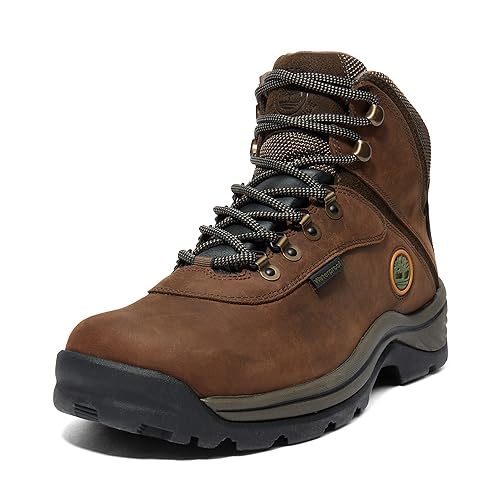
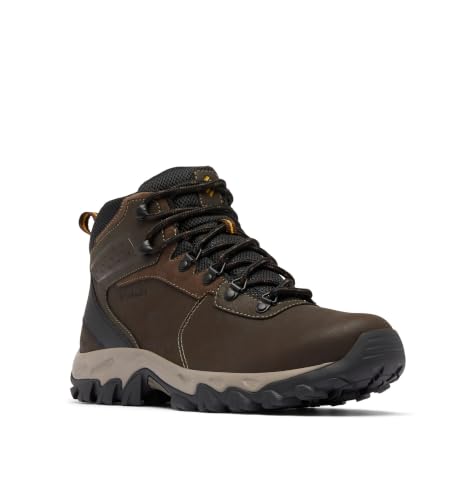


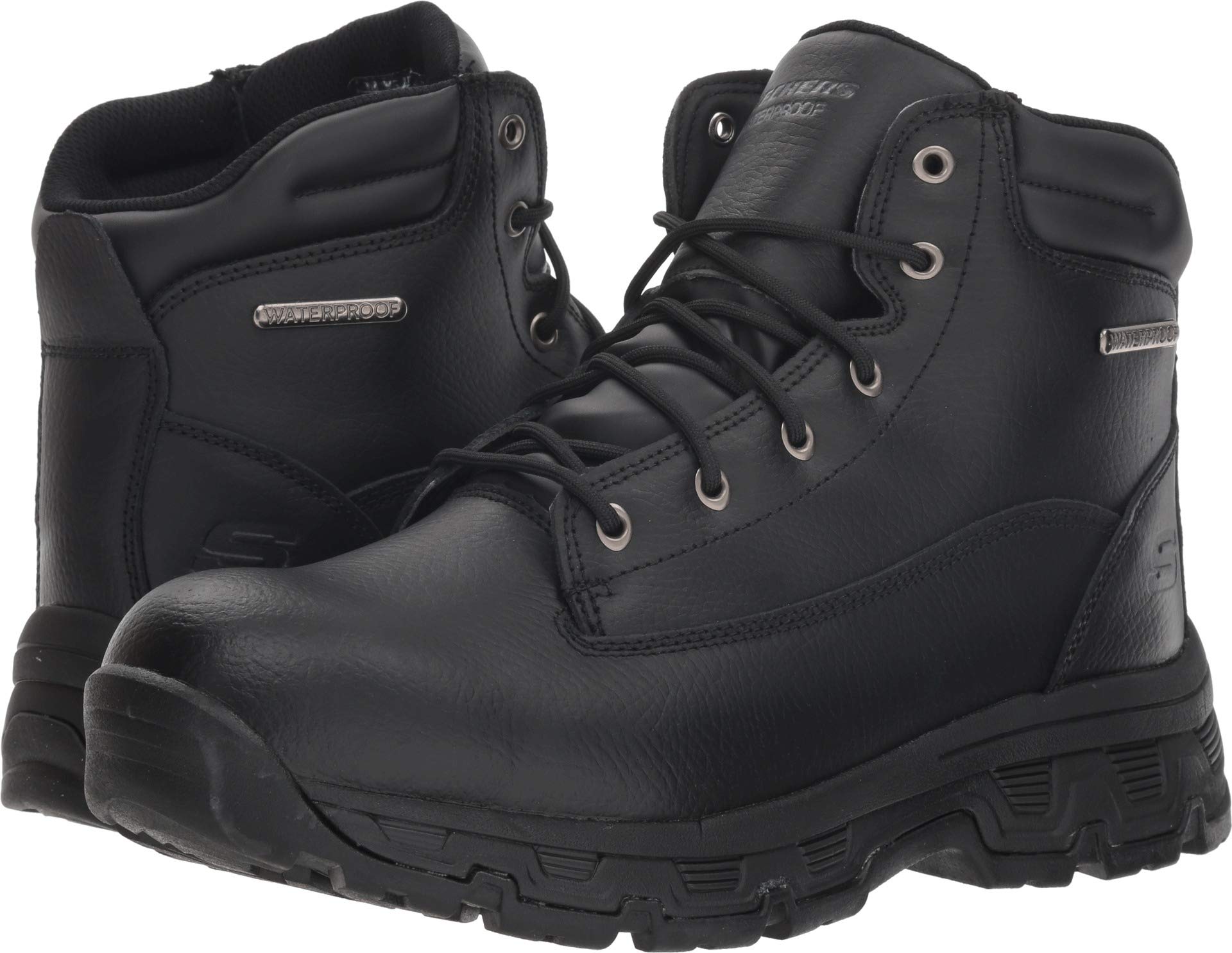

Who Should Buy Which Affordable Men's Hiking Boots?
Start with the hiking you actually do most months. Your distance, pack weight and ground decide how much boot you need far more than an occasional hard trip does.
Men Who Walk Short and Moderate Trails
You hike a few miles at a time on park paths, forest tracks and dry hills, usually with a light day pack. A low cut shoe or a light mid cut boot gives you enough grip and cushioning without extra weight. Pay for a secure fit and a sound outsole rather than tall collars you will rarely use.
Men Who Carry Heavier Packs on Weekend Routes
You walk longer days with a loaded pack over roots, loose stone and steep descents. A mid cut or high cut boot supports your ankle when your legs tire and the ground tips your foot sideways. Look for a stiffer midsole and a collar that closes snugly above the ankle. Spend first on support and durability.
Men With Wide Feet or a High Volume Fit
Your forefoot spreads under load and narrow lasts pinch your toes by midday. Look for brands that offer true wide sizes in men's ranges, not just a larger length. A roomy toe box and lacing that locks the heel while leaving the front loose will matter more than waterproofing. You may need to order two sizes and keep the better pair.
Types of Men's Hiking Boots Compared
Boot types differ mainly in height, stiffness and how they handle water. Compare the three cuts below first, then decide on waterproofing.
Low Cut Hiking Shoes for Dry and Maintained Trails
Low cut models feel light and flexible, and they suit groomed paths, dry rock and fast day walks where ankle roll risk is low. Their limit is support, since the open ankle offers no help on loose descents or under a heavy pack. Choose this type for clear trails in fair weather.
Mid Cut Boots for All Round Day Hiking
Mid cut boots cover the ankle bone and add stability without the stiff feel of a tall boot, which makes them the most versatile choice for most men. They handle mud and uneven side slopes better than low cut shoes. This middle ground is where the best affordable men's hiking boots most often sit, because makers can offer real support and grip at a moderate price.
High Cut Boots for Backpacking and Uneven Ground
High cut boots rise well above the ankle and pair a stiff sole with a firm collar, so they suit multi day loads, rough off trail ground and cold conditions. They take longer to break in and usually cost the most of the three cuts. Choose this type when pack weight and terrain are the hard part.
Waterproof and Breathable Versions of Each Cut
A waterproof boot uses a membrane such as Gore Tex inside the upper to keep rain and puddle water out while letting some sweat vapor escape. That helps in wet grass and cold rain, and for snow travel see our guide to the best men's winter hiking boots. In hot weather the same membrane feels warmer and dries slowly once wet inside, so plain breathable mesh often serves summer hikers better.
Key Features to Compare
Compare these five factors in order, because fit and grip decide safety and comfort long before small extras do.
Fit, Men's Sizing and Toe Box Room
Measure both feet late in the day, when they are at their largest, and shop using the longer measurement. Your toes need about a thumb width of space in front when you stand, and your heel should stay put while the front feels roomy, not tight. Men's lasts are generally built with more volume than women's lasts, and wide sizes add width without adding length. Wear your hiking socks for every try on, and test them on stairs if you can.
Outsole Lugs and Grip on Wet Rock and Mud
The outsole is the rubber sole under the boot, and its lug pattern decides how you grip. Lugs of about 3 to 5 mm with wide spacing shed mud and bite into soft ground, while closer and flatter lugs feel steadier on smooth rock. Softer rubber grips wet stone better but wears faster. Look at the heel edge too, since a defined heel helps you brake on loose descents.
Cushioning, Arch Support and Stability Under Load
Cushioning in the midsole softens step impact, and firmer foam gives more stability when you carry weight. Arch support should match the shape of your foot, so a flat foot and a high arch rarely feel best in the same boot. A nylon or plastic shank between the midsole layers limits twisting on rough ground. Heel to toe drop often sits around 8 to 10 mm, with a lower drop feeling flatter and steadier underfoot.
Upper Materials, Boot Weight and Break In Time
Synthetic uppers with mesh panels weigh less, dry faster and usually feel comfortable sooner, while leather uppers resist scrapes and hold their shape longer but need more break in walks. Most mid cut pairs in a men's size 9 weigh about 2 to 3 pounds, and extra weight counts late in a long day. If low weight matters more than tall support, see our guide to the best lightweight men's hiking boots.
What a Budget Price Can and Cannot Buy
Affordable men's boots often cost about $70 to $130, and at that level you can expect a sound fit range, decent rubber and a basic waterproof option. What usually gets cut is premium leather and the longest lasting foams, and most budget boots cannot be resoled. Do not save money by accepting a poor fit or a smooth outsole, because those faults cannot be fixed later. For a broader view across men's and women's ranges, see our guide to the best affordable hiking boots.
Common Mistakes to Avoid
These errors cost men comfort and money on otherwise sound boots.
- Buying your street shoe size without measuring leaves toes striking the front on descents and causes blackened nails.
- Choosing a waterproof version for hot and dry trails traps heat and sweat and leaves feet prone to blisters.
- Picking a tall and stiff boot for short park walks adds weight and ankle heat on every step.
- Ignoring wide sizes when your forefoot spreads forces you to size up in length and lets your heel slip.
- Testing boots with thin everyday socks gives a false fit that turns tight with proper hiking socks.
Care and Maintenance for Affordable Hiking Boots
Brush mud off after each hike and pull the insoles out so the inside can dry. Air dry wet boots at room temperature away from direct heat, because strong heat can crack leather and weaken glues. Once dry, treat leather with a suitable conditioner and refresh water repellent coatings on fabric uppers when water stops beading.
Store boots clean in a dry place out of direct sun. Many affordable pairs last about 500 to 800 miles, and worn smooth lugs, a midsole that feels flat or an upper splitting at the flex point all signal that replacement time is near.
FAQ
What makes hiking boots for men different from hiking boots for women?
Hiking boots for men are built on a men's last, which usually gives more overall volume, a broader fit through the midfoot and a larger size range. The difference is shape, not just length, so a man with narrow feet may still prefer a snug men's model.
Can men wear affordable hiking boots all day on a trip?
Yes, men can wear affordable hiking boots all day if the fit is right and the boots are broken in before the trip. Change into dry socks at midday on long and wet days, since dry socks reduce friction and blister risk. Around camp, loosening the laces fully lets your feet recover without pressure from a tight collar.
How long is the break in period for affordable men's hiking boots?
The break in period for affordable men's hiking boots is often about one to two weeks of short walks for synthetic models and longer for leather models. Start with walks near home, then add distance and a loaded pack only when no hot spots remain. This shows fit problems while returns are still easy.
Do men need waterproof hiking boots for summer trails?
Men need waterproof hiking boots for summer only when routes cross streams often, start in heavy dew or face regular rain. On dry summer trails a breathable pair dries faster after sweat and feels cooler through the afternoon. Consider drying time at camp too, because a soaked membrane boot can stay damp for a second day.
Are more expensive men's hiking boots worth paying for over affordable pairs?
More expensive men's hiking boots can be worth it if you hike weekly, carry heavy loads or need leather that lasts several seasons. The extra money mainly buys longer lasting materials and soles that keep grip for more miles. If you hike a few times a month on moderate trails, an affordable pair that fits well usually gives better value.
Final Thoughts
Choose the cut that matches your usual ground and pack first, then check fit with hiking socks, then judge grip and waterproofing for your climate. That order keeps a low price from hiding a boot that hurts or slides. Use the product table above to compare weight, cut and price.
When you judge best affordable men's hiking boots by fit, support and outsole rather than by extras, a modest budget buys a dependable trail partner. Pick the pair you would trust on your longest regular walk and break it in gradually.


