Best All Mountain Full Suspension Bike Made Simple: A Clear Buying Guide for 2026
Disclosure: We may earn a commission when you buy through links on this page, at no extra cost to you. As an Amazon Associate I earn from qualifying purchases. Learn more

Shopping for the best all mountain full suspension bike for the first time? Learn the terms, compare options, and avoid rookie mistakes with this easy guide.
A bike with suspension at both wheels sounds simple until the listings start talking about pivot designs, shock tunes, and travel numbers. If this is your first full suspension purchase, take a breath: the ideas underneath the jargon are few and friendly. This guide explains each one in plain words, shows you the ranges worth choosing, and helps you spot the best all mountain full suspension bike for your trails without needing an engineering degree.
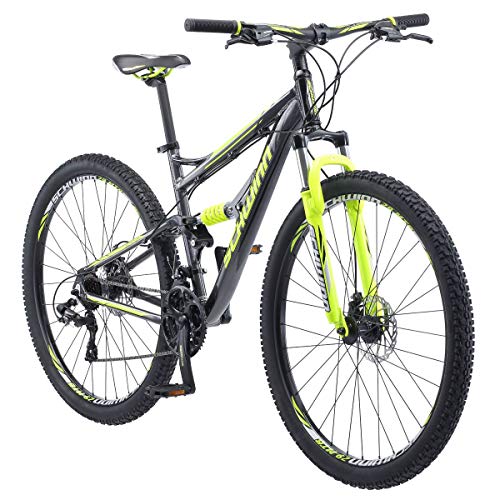
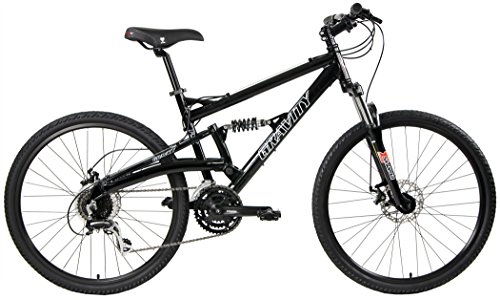
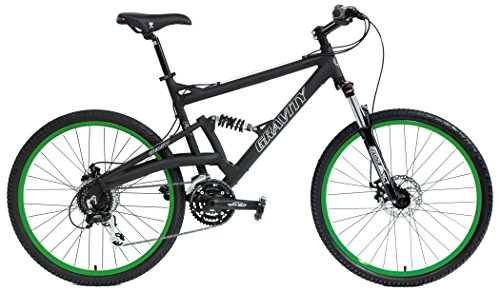
The comparison table below collects current models with their travel, frame sizes, and brake specs in one place. Learn the terms first, then return to the table and read each row like a story about how that bike will climb, descend, and fit your body.
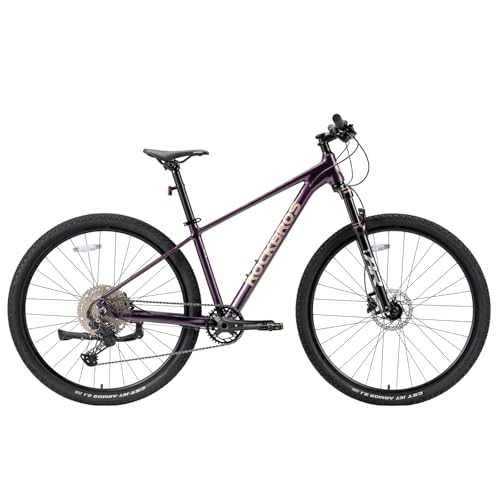


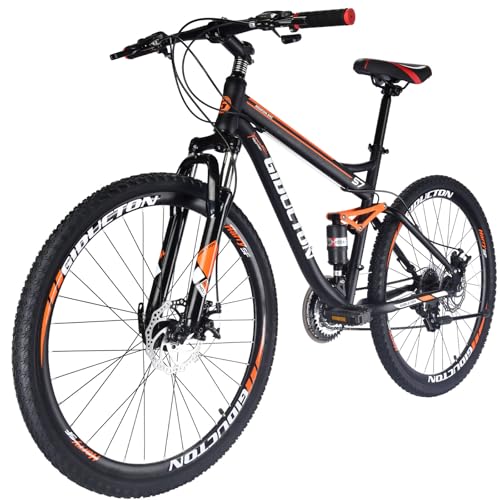


Mountain Full Suspension Bikes 101: The Basics
A full suspension bike cushions both wheels. A fork absorbs hits at the front, and a rear shock, linked to the frame through pivots and arms, lets the back wheel move up and over obstacles too. The payoff is traction and comfort: tires stay planted on loose climbs, and your body takes less punishment on rocky descents. The cost is weight, price, and a few moving parts that need occasional service.
All mountain models usually carry about 130 to 150 mm of travel, the distance each wheel can move. That range suits riders who climb under their own power and then descend real mountain trails. Two numbers explain most of the feel. Sag is how much the suspension settles under your weight, and rebound is how quickly it extends after a hit. Set sag near 25 to 30 percent and rebound so the wheel returns quickly without bouncing, and even an entry build feels composed. Riders coming from hardtail mountain bikes, which suspend only the front wheel, notice the rear traction first, especially on wet roots and loose corners.
Key Specs Explained in Plain English
Bike Type and Riding Style
Full suspension covers several families, and choosing the family matters more than choosing parts. Cross country bikes use about 100 to 120 mm of travel and prize light weight for racing and fast climbs. Trail and all mountain bikes add travel, stronger brakes, and calmer geometry for general mountain riding. Enduro bikes reach 160 mm or more and aim at steep descents. If your riding is mostly smooth and fast, the lighter builds in our guide to the best xc full suspension mountain bike may suit you better. Road and gravel bikes have no place on rocky trails, and a commuter e bike is transport, not a trail tool. Pick the family that matches your hardest regular ride, not your most ambitious imagined one.
Frame Material and Geometry
Aluminum frames dominate sensible budgets because they are stiff, tough, and affordable, and modern designs hide most of the old harshness through smart tube shaping. Carbon frames save roughly one to two pounds and can feel smoother, but they cost far more and demand care after crashes. Geometry shapes handling: a head angle near 64 to 66 degrees feels stable when trails tilt down, a steep seat angle near 76 to 78 degrees puts you over the pedals for climbing, and reach grows with each frame size. Choose size by reach and standover together. One check helps: stand over the bike in your riding shoes, because shoe soles and tire height change the clearance a chart assumes.
Weight and Components Upgrade Path
A complete all mountain build usually weighs about 30 to 35 lb, and that is fine. Weight on the wheels and tires feels twice as heavy as weight on the frame, because spinning parts must accelerate with every pedal stroke. So the smart upgrade path runs from tires to wheels, then to the fork or shock, and only later to small parts. Confirm the frame uses current standards like boost hub spacing, a tapered head tube, and common shock sizes, so upgrades remain available for years. Riders planning a slow build over seasons should also keep the stock parts safe in a box, since a complete spare set helps if an upgrade part needs warranty service mid season.
Brakes (Hydraulic vs Mechanical Disc)
Choose hydraulic disc brakes, full stop. Fluid pressure gives strong braking with one or two fingers, self adjusts for pad wear, and keeps working in rain and mud. Mechanical disc brakes rely on a cable that stretches, and they feel weak on the long descents where all mountain bikes live. Rotor size is the second decision: about 200 mm in front and 180 mm in back suits most riders, while heavier riders or steeper terrain justify 200 mm at both ends. Four piston calipers spread force across bigger pads and resist heat fade. Bedding in matters with any setup: ride to a moderate speed and brake firmly about ten times per wheel without stopping fully, so pad material coats the rotor evenly.
Drivetrain and Gearing
Modern trail bikes use a 1x drivetrain, one chainring in front and a wide range cassette in back, often spanning 10 to 51 teeth. You shift with one lever, the chain stays put thanks to a clutch in the rear derailleur, and the low gears let you spin up steep climbs seated. Older 2x setups add a front shifter and save little on trail bikes, so skip them. Groupsets from the two big makers work well at mid level and up; the practical difference is lever feel and local parts stock. What matters most is the lowest gear. If your climbs are steep and long, favor the widest cassette range offered, because walking a bike uphill is the slowest gear of all.
Wheel Size and Tires
Wheels of 29 inches roll over rocks and roots with less drama and hold speed on rough ground, which is why most all mountain bikes use them. The 27.5 inch size turns a little quicker and fits shorter riders more easily, and mixed setups pair a 29 inch front with a 27.5 inch rear. Tires around 2.4 to 2.6 inches wide, run tubeless with sealant, let you use lower pressure for grip without pinch flats. Tread should match your soil: open knobs for loose and muddy trails, closer knobs for hard packed dirt. Frame size and wheel size interact, so smaller frames sometimes ship with smaller wheels to keep handling balanced, which is a thoughtful touch rather than a downgrade.
Rookie Mistakes to Avoid
- Judging suspension by travel alone. A well tuned 140 mm bike outrides a poorly damped 160 mm bike on most trails. Setup beats spec sheet numbers.
- Skipping the sag setup. Riding with factory air pressure made for an average stranger wastes the suspension you paid for. A shock pump costs little and changes everything.
- Buying a size by height alone. Two riders of equal height can need different reach. Check inseam, standover, and the size chart together.
- Ignoring pivot service. Bearings and bushings wear. Ask how they are replaced and what it costs before you buy, especially on budget frames.
- Overspending past your needs. New riders often buy enduro travel for trail riding. If your budget is tight, compare the value focused options in our guide to the best inexpensive full suspension mountain bike before stretching.
Getting Started: Setup and First Use
Unbox slowly and keep every manual. Fit the wheels, confirm the rotors sit centered in the calipers, and torque the stem and handlebar bolts evenly. Set tire pressure as a starting point near the middle of the range printed on the sidewall, then set suspension sag with a shock pump while wearing your riding gear and pack, since that weight counts. Adjust the dropper post height so your knee keeps a slight bend at the bottom of the stroke.
Your first rides should be short and familiar. Check tire pressure before every ride, because tubeless tires lose air slowly and pressure quietly decides your grip. Clean and lube the chain every 100 to 200 miles, and glance at brake pads monthly for wear. Beginners who want a gentler entry point, with simpler geometry and friendlier sizing, can also read our guide to the best beginner full suspension mountain bike. Wear a helmet every ride, and after the first few outings, recheck the main bolts, since new parts settle in.
Frequently Asked Questions
Hardtail or full suspension for beginners?
Full suspension is the easier teacher on real mountain trails, because the rear wheel follows the ground and small mistakes stay recoverable. A hardtail is cheaper, lighter, and simpler to maintain, and it shines on smooth trails. Beginners with rough local terrain should choose full suspension even at a modest spec, since traction builds confidence faster than any other trait. Beginners on gentle paths can start on a hardtail and move up later, selling the first bike while it still holds good value.
What size bike do I need?
Match your height and inseam to the brand chart, then verify two things in person when possible: standover clearance over the top tube, and reach that lets your elbows stay bent with relaxed shoulders. Frame size labels like medium are not standard across brands, so compare the reach number in millimeters between models instead. Between sizes, calmer descending favors the larger frame, and tight technical trails favor the smaller one. A shop fit or demo ride is worth a short trip before a purchase this size.
How much should I spend on my first bike?
A sensible first full suspension budget is about $2000 to $3500, which buys an air fork and shock, hydraulic brakes, a clutch drivetrain, and usually a dropper post. Spending less often means coil parts and brakes you will replace within a year. Spending more mainly trims weight. Reserve about $200 to $300 for a helmet, a shock pump, a floor pump, and basic tools, because setup gear is part of the purchase whether you plan for it or not.
Our Verdict
For a first purchase, rank your priorities in this order: correct frame size, suspension you will actually set up with proper sag, and hydraulic brakes with generous rotors. Drivetrain range, wheel size, and tire tread then tune the bike to your home trails. Compare your shortlist in the product table above with those priorities in hand, and treat any bike that fails the first three tests as the wrong bike at any price. Judged that way, the best all mountain full suspension bike is simply the one that fits your body, your terrain, and your budget at the same time, and it will reward you on every climb and descent that follows.