
Best Affordable High Performance Laptops: Buying Guide for 2026
Disclosure: We may earn a commission when you buy through links on this page, at no extra cost to you. As an Amazon Associate I earn from qualifying purchases. Learn more

A plain guide to the best affordable high performance laptops: processor, memory, graphics, cooling, and battery.
A high performance laptop gives you the speed for heavy multitasking, video editing, programming, and modern games, but it does not have to cost a fortune. If you are comparing best affordable high performance laptops, the processor, memory, storage, graphics, and cooling decide how fast the laptop feels and how long it stays useful. This guide explains what to look for and how to read the comparison table below.
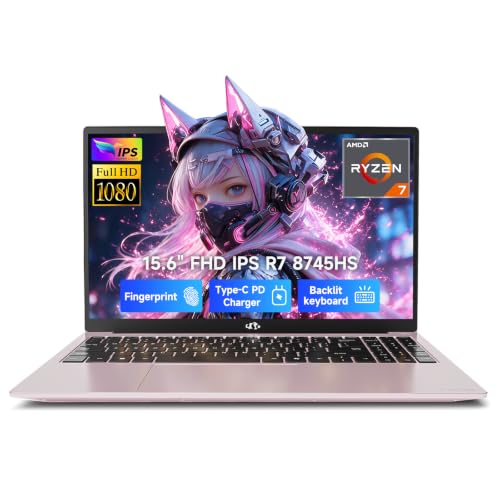
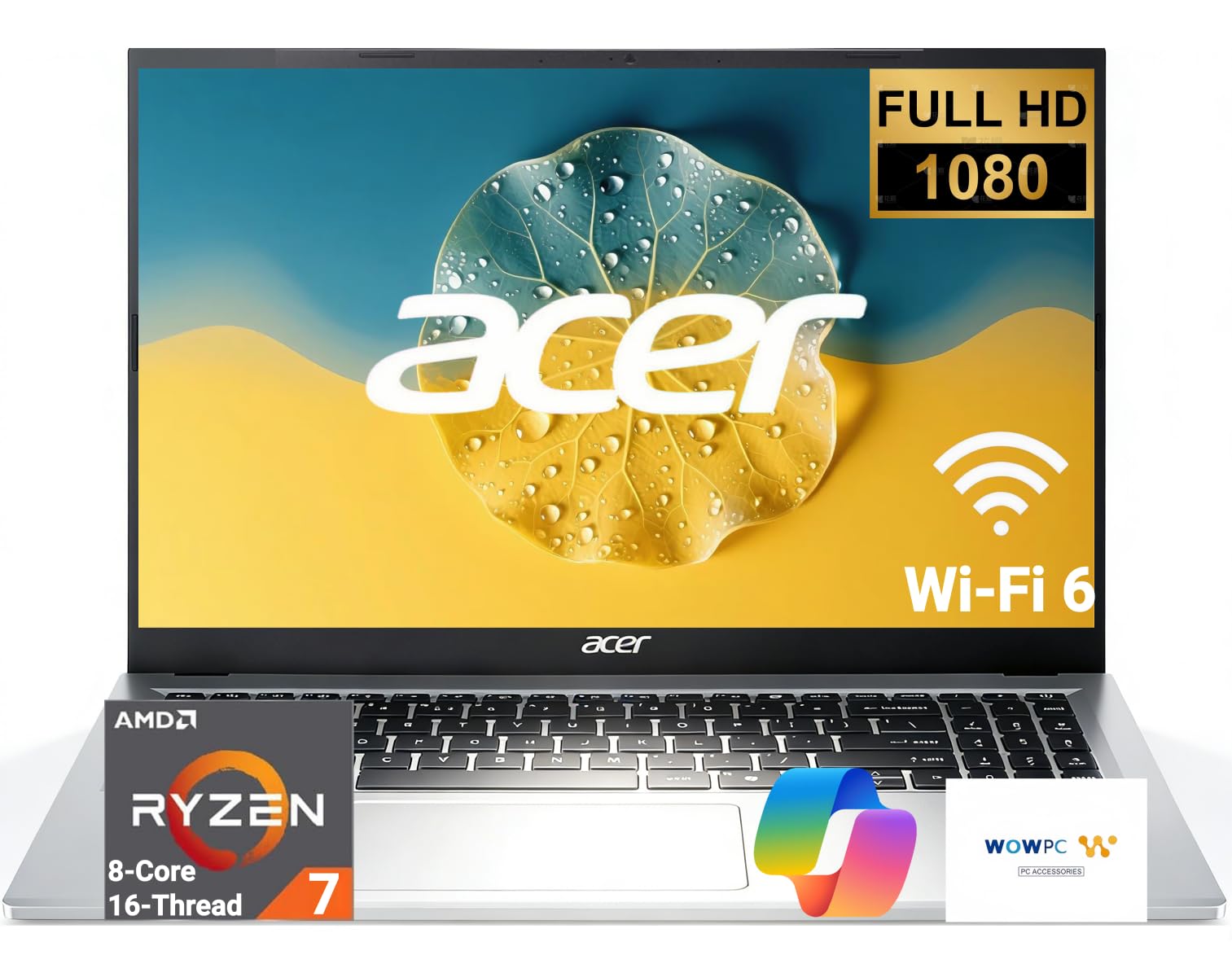
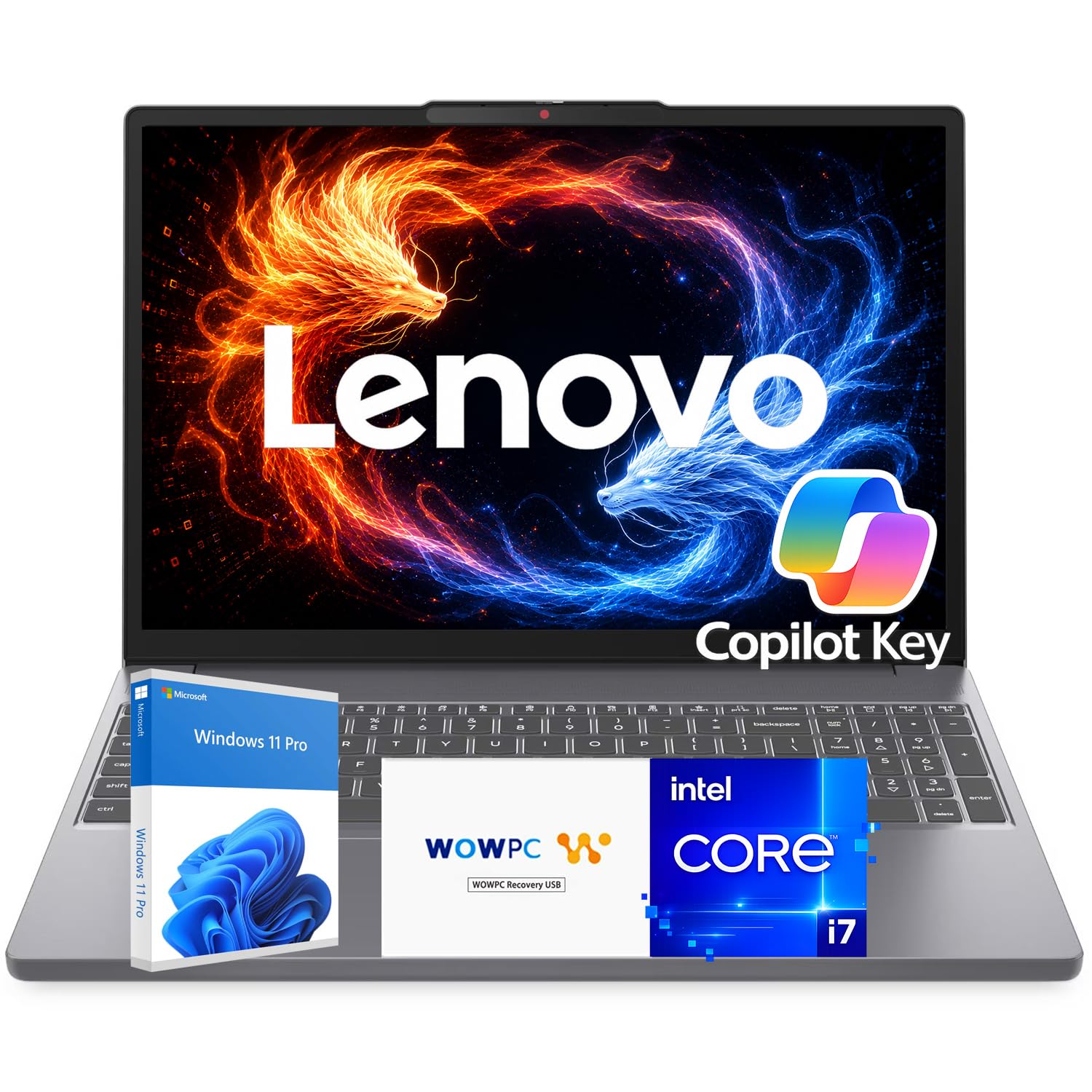
Affordable high performance laptops cost from around $600 for Ryzen 7 office machines to about $1,500 for gaming laptops with strong graphics. Where you land depends on whether you need a powerful graphics card.



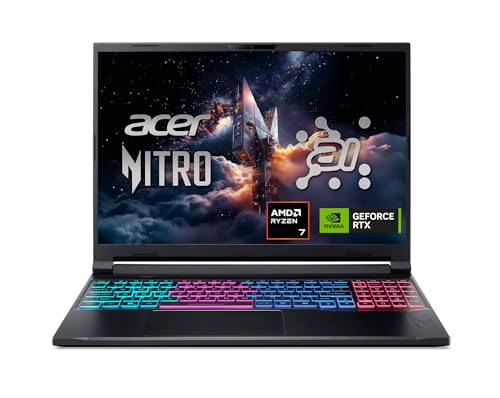

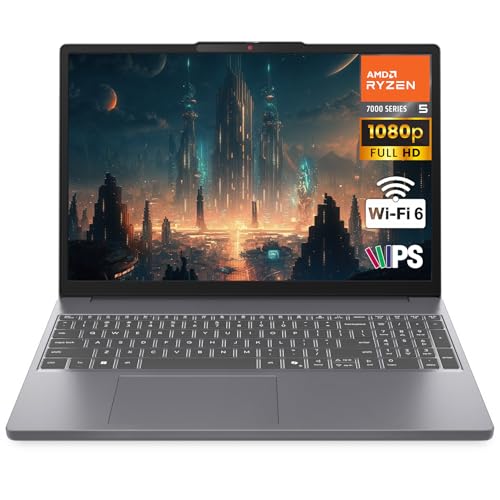
What High Performance Means
For most people, high performance means a fast processor with at least six to eight cores, 16 GB or more of memory, a fast solid state drive, and good cooling. For creative work and gaming, it also means a dedicated graphics card. Paying more brings faster processors, better screens, and sturdier builds, but a mid range machine with the right specs is enough for many tasks.
Key Specs to Compare
Processor
Look for a recent Intel Core i7 or AMD Ryzen 7. H series chips are faster than U series chips but use more power. A recent generation matters, because newer chips are faster and more efficient.
Memory
16 GB is a good target, and 32 GB helps with video editing, virtual machines, and large projects. Check whether the memory is soldered or upgradeable.
Graphics
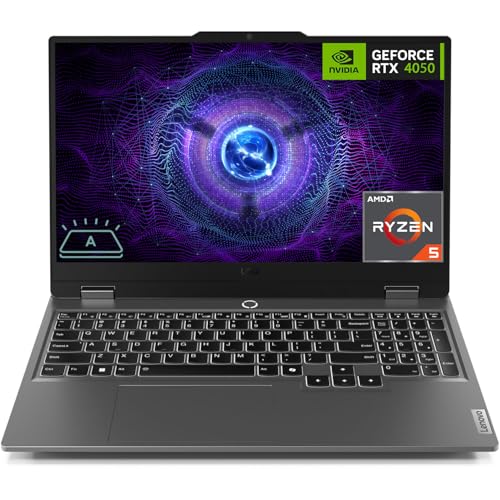
A dedicated graphics card from the RTX 4050 class or higher helps with games, 3D work, and some video editing. Integrated graphics are fine for office work and light creative tasks.
Storage
Choose a fast NVMe solid state drive of at least 512 GB, and 1 TB if you work with large files.
Cooling and Build
A powerful laptop gets hot. Good cooling keeps speeds high, and a strong frame holds up to daily use. Plan for fan noise under load.
Screen and Battery
A full HD or higher screen with good brightness helps. Battery life drops quickly under heavy loads, so keep the charger nearby.
Types of High Performance Laptops
Power Office and Creator Laptops
These use Ryzen 7 or Core i7 chips with 16 to 32 GB of memory and no dedicated graphics. They suit programming, spreadsheets, photo editing, and multitasking, with a lighter body and better battery life. See our guide to the best affordable performance laptops for more options.
Gaming Laptops
Gaming laptops add a dedicated graphics card and strong cooling. They suit gaming, 3D work, and video editing, and cost more and weigh more. See our guide to the best gaming laptops affordable for more.
What You Can Realistically Get on a Budget
Around $600 to $1,000 buys a Ryzen 7 or Core i7 laptop with 16 to 32 GB of memory and a fast drive but no dedicated graphics. Around $1,000 to $1,500 buys a gaming laptop with an RTX 4050 or 5060 class card. Do not expect thin metal bodies, great speakers, or long battery life at these prices. Prioritize processor, memory, graphics, and cooling in that order.
Matching Performance to Your Work
Programmers and data workers benefit most from many processor cores and plenty of memory. Photo and video editors need a fast drive, accurate screen, and a graphics card that supports their software. Gamers need a strong graphics card and a high refresh rate screen. General multitaskers who run lots of apps and tabs will feel most of the benefit from 16 to 32 GB of memory and a fast processor. List your heaviest task first and choose the specs that serve it.
Power, Heat, and Noise
High performance laptops draw more power and produce more heat. The charger is larger, the fans are louder under load, and the battery runs down faster. Some laptops let you choose a quiet or balanced mode, which lowers noise at the cost of speed. If you plan to use the laptop in a library or shared room, look for a model with a good quiet mode, and keep the fans clean.
Common Mistakes to Avoid
- Paying for a dedicated graphics card you will not use.
- Choosing 8 GB of memory in a laptop meant for heavy work.
- Ignoring cooling, which causes slowdowns under load.
- Judging by the processor name alone without checking the generation.
- Forgetting that powerful laptops are heavier and have short battery life.
Setup and Care
Update the drivers and the operating system, and set the power plan to high performance when you plug in. Keep the vents clear, use a hard surface or a cooling stand, and clean dust from the vents every few months. Back up your files regularly.
Before You Buy
Look up the exact processor and graphics model, since the same laptop name can come with very different chips. Check the memory configuration, the number of drive slots, and the port selection, especially if you connect external monitors or drives. Read about the cooling and fan noise from owners, and confirm the return policy so you can send it back if it runs too hot.
Consider the charger too. High performance laptops often use large power bricks that take space in a bag. A USB-C charger can help for light work, but heavy tasks need the full wattage. Finally, plan to keep it updated, since driver and firmware updates often improve speed and stability.
If you buy a laptop with a dedicated graphics card, check whether it supports switching between built in and dedicated graphics. This feature saves battery during light tasks and sends heavy work to the stronger chip when needed. Finally, consider an extended warranty for a machine that will run hard every day, because repairs on high performance parts can be costly.
Frequently Asked Questions
How long does a high performance laptop last?
Four to six years for most users. A fast processor and enough memory keep it useful longer.
Is a dedicated GPU worth it?
Yes for gaming, 3D work, and some video editing. Not for office work and browsing.
How much RAM do I need?
16 GB is a good target. 32 GB helps with heavy editing and large projects.
Can a high performance laptop replace a desktop?
For many people yes. Add an external monitor, keyboard, and mouse for a desktop like setup.
Should I choose Intel or AMD?
Both make excellent chips. Compare the specific models, battery life, and price rather than the brand.
Final Thoughts
Pick the right processor and memory first, then add a dedicated graphics card only if you need it. Use the product table above to compare current models, and see our guide to the best and affordable laptops for wider choices. A balanced choice of best affordable high performance laptops gives you speed for work and play without overspending.


