Best Affordable DTG Printers: A 2026 Checklist and Buying Guide
Disclosure: We may earn a commission when you buy through links on this page, at no extra cost to you. As an Amazon Associate I earn from qualifying purchases. Learn more

Use this checklist for the best affordable dtg printers to compare print size, white ink handling, cost per shirt, upkeep, and support before you buy.
Direct to garment printing lets you put a full color design on a shirt in minutes, with no screens to burn and no minimum order. It also asks more of you than a normal printer: white ink needs daily care, dark shirts need pretreatment, and every print has a real ink cost. This checklist for the best affordable dtg printers walks through the criteria that decide whether a budget machine earns money or gathers dust.
Judge each model against the same points below, then compare your shortlist with the comparison table below before you commit.


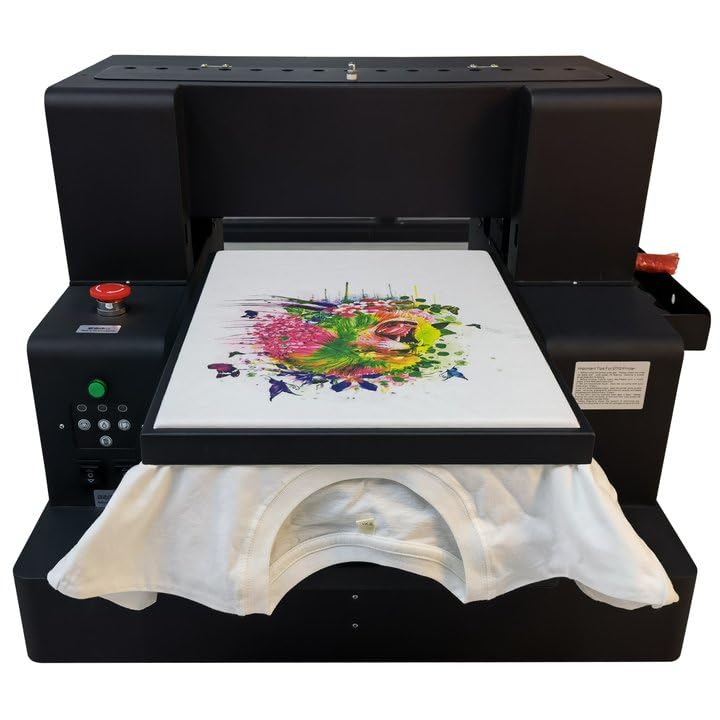
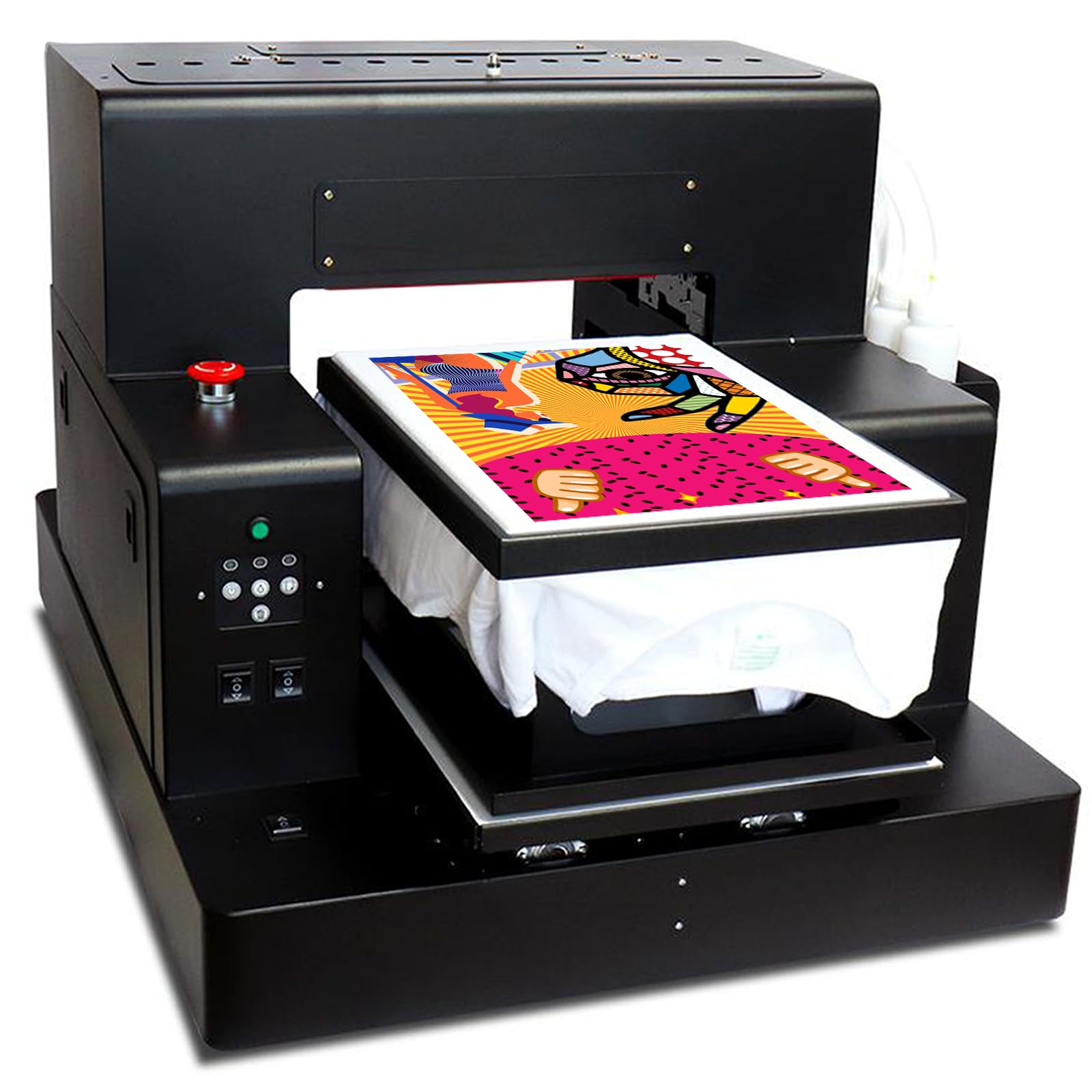
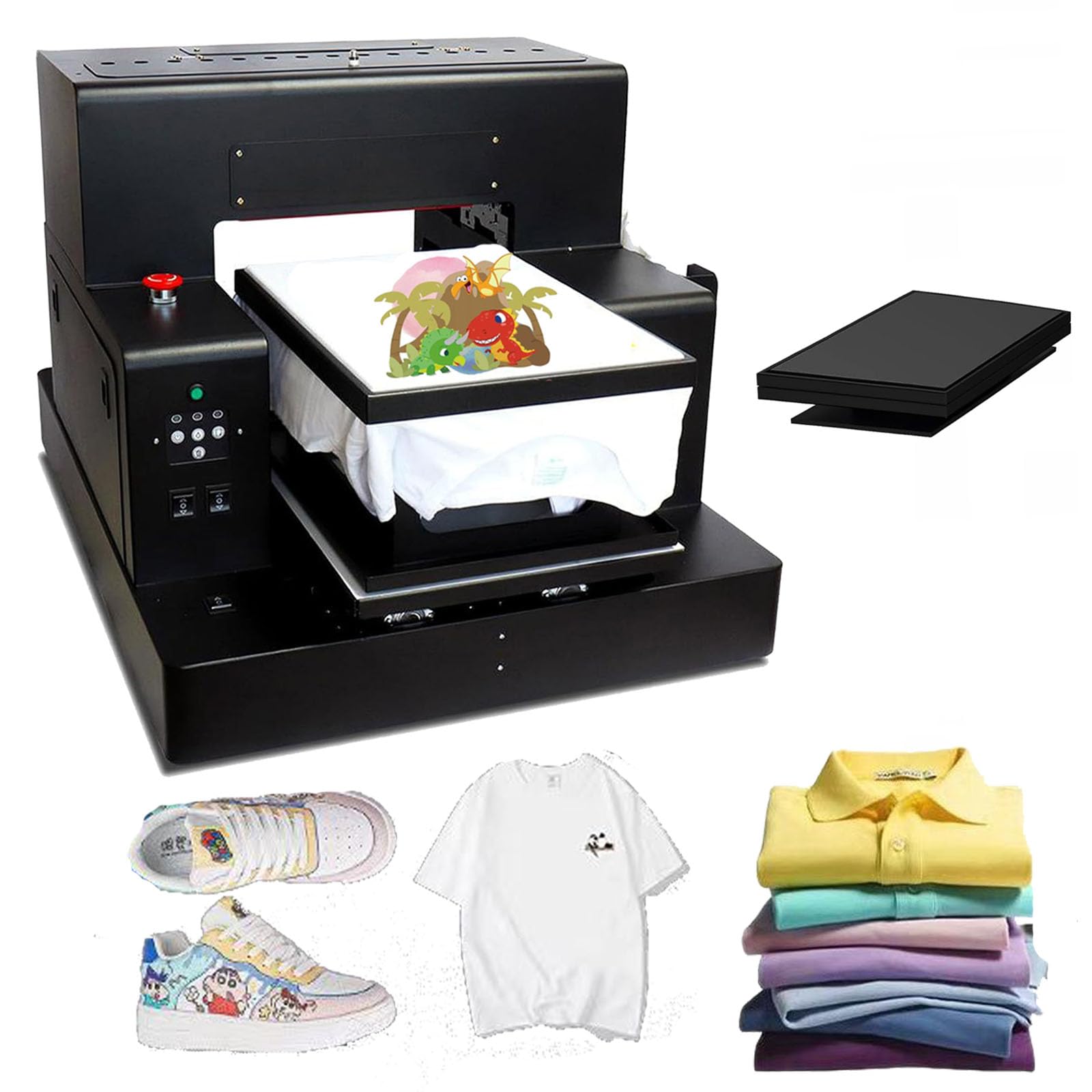
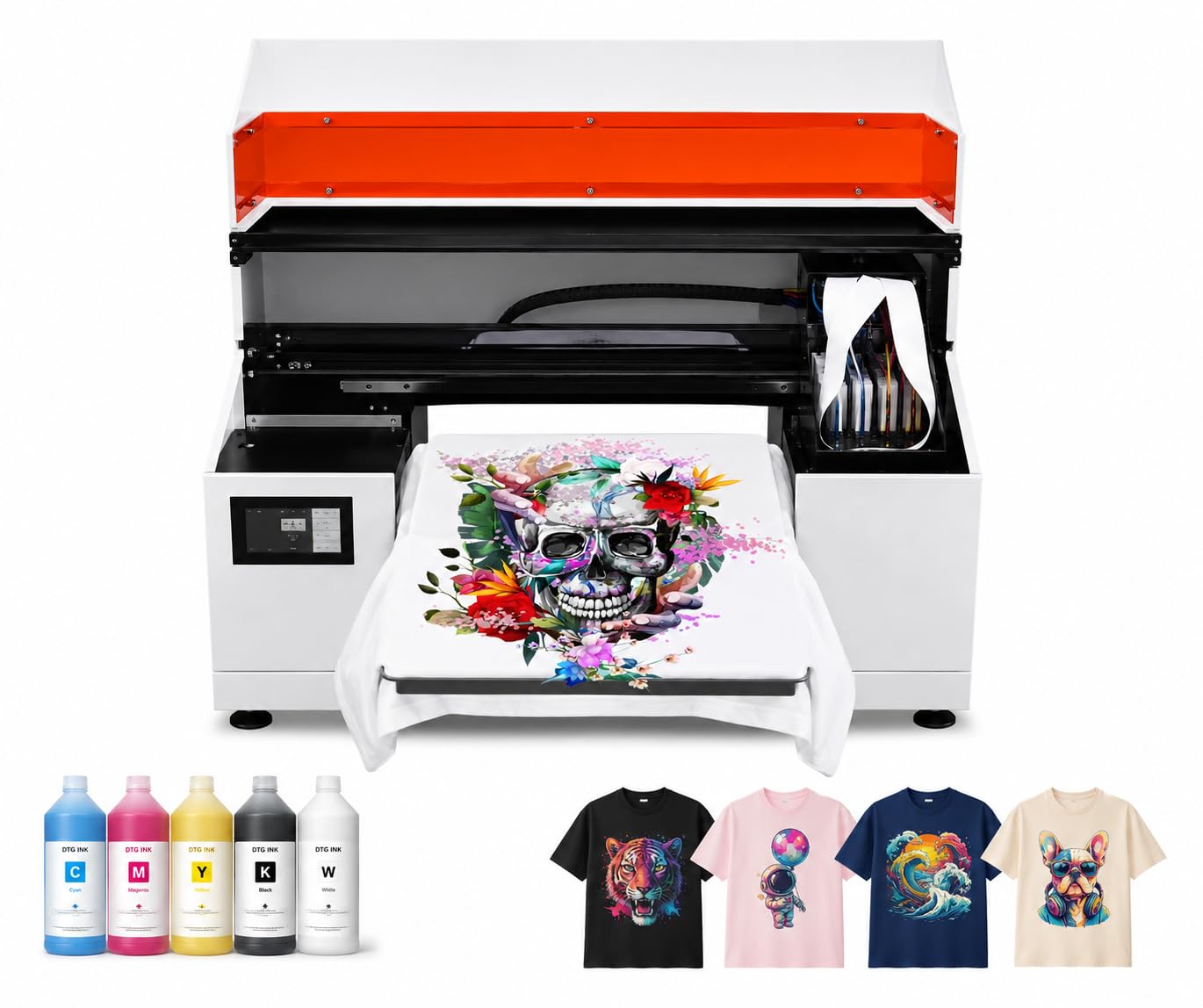
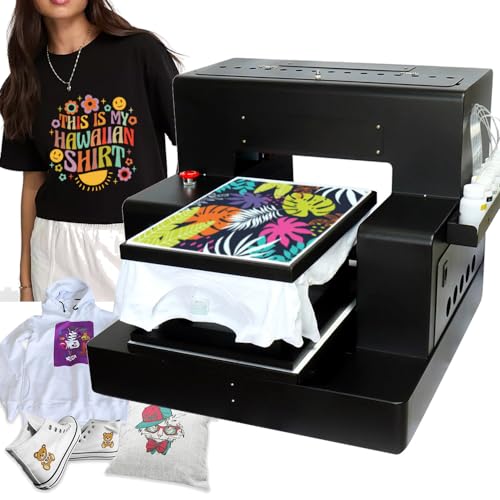
How to Evaluate DTG Printers
Start with honest budget expectations, then moves through the technology, the true speed, and the cost of every shirt that leaves the platen. Setup effort and long term reliability finish the list, because a garment printer is a small production tool, not a disposable gadget. A model that prints beautifully in a demo video but clogs after a quiet week will fail the only test that matters in a working shop.
What You Can Realistically Get on a Budget
Entry DTG machines and converted setups cluster around $1,500 to $3,500, while purpose built small shop models run around $3,500 to $8,000. At the affordable end you can expect good print quality on light garments, a platen for standard adult shirts, and basic software. What usually gets cut is white ink reliability, automatic cleaning power, platen size, and build quality of the feed system. Do not compromise on printhead access and cleaning design, because white ink settles and clogs, and a machine that is hard to clean will be cleaned less. That single factor decides most ownership stories at this price.
Printer Type and How DTG Fits In
DTG machines are specialized inkjet printers that spray water based textile inks onto fabric held flat on a moving platen. They are not laser printers, which fuse toner with heat and cannot bond to a shirt, and they are not ordinary ink tank paper printers, even though some budget models are converted from them. Conversions cost less but often lack proper white ink circulation and garment height adjustment. Purpose built machines add those systems and cost more for good reason. Three dimensional printers are a separate category entirely and share nothing but the word printer. If a listing blurs these categories, read the specifications with extra care.
Print Speed
Forget pages per minute. Garment printing is measured in minutes per shirt, and honest numbers include loading, printing, and unloading. A light shirt with a mid size design may take about two to four minutes on an affordable machine, while a dark shirt needing a white underbase can take twice as long. Pretreatment and heat press curing add several more minutes per piece. Calculate your real hourly output with those full steps, not the printhead time alone, because that is the number your pricing must survive on. If a seller quotes only seconds per print, ask what that figure leaves out.
Cost per Print and Ink Costs
Ink is your biggest running cost, and white ink is the expensive part. A light shirt with a modest design might use around $0.50 to $1.50 of ink, while a dark shirt with a full white underbase can use around $2 to $4 or more. Add pretreatment fluid, cleaning solution, and the blank garment itself to get your true cost per shirt. Machines that accept refillable cartridges or bulk ink usually cost less per print than sealed cartridge systems. Know how to run the maker ink calculator or a test print report before you price jobs for customers, because guessing here quietly erases profit.
Ease of Setup and Calibration
Plan half a day for unboxing, leveling, ink charging, and your first test prints. Good machines guide platen height setting, since the garment surface must sit at a precise distance from the printhead: too low and prints blur, too high and the head can strike the fabric. Alignment prints and nozzle check patterns should be easy to run from the control panel or software. Software matters as much as hardware, because the RIP program controls white underbase generation and ink limits. If the included software feels clumsy in the trial version, it will feel worse on your fiftieth shirt. Test it before the return window closes.
Reliability and Support
Printheads are the heart and the risk. Ask what a replacement printhead costs and whether a trained user can install it, because head prices can reach a large share of the machine price. Check that drivers and firmware are current for your operating system, and look for an active user community, which often solves daily problems faster than official channels. Warranty terms deserve a close read: some exclude the printhead after a short period. Given the money involved, weigh support quality heavily. Our broader guide to the best dtg printers shows how support and head costs change as budgets rise.
Three Profiles That Pass the Checklist
Sort the product table above into these three profiles instead of chasing a single winner. Each profile names its buyer, its strengths, and its limit.
The Overall Profile to Look For
This profile fits a small shop or a serious side business printing daily. Look for a purpose built machine around $3,500 to $6,000 with powered white ink circulation, a platen that handles adult sizes up to extra large, and RIP software included rather than sold separately. Strengths are consistent dark garment results and cleaning routines that take minutes. The limitation is price headroom: at this spend you still cure shirts on a separate heat press, which you must budget and make space for. If your order book already exists, this profile protects it best.
The Value Profile to Look For
The value profile targets the lowest cost per good shirt over the first two years. Converted or entry purpose built machines around $1,800 to $3,000 can qualify when they accept bulk ink, expose the printhead for easy cleaning, and have cheap, widely stocked parts. This route rewards owners who enjoy maintenance and follow a daily routine without fail. The trade off is your time: expect more manual cleaning, slower dark shirt output, and a steeper learning curve on pretreatment. Sellers printing mostly light shirts feel these limits least. Compare the running cost math with our guide to the best printers with affordable ink to sharpen your per print estimates.
The Premium Profile to Look For
Near the top of the affordable band, around $6,000 to $9,000, machines add larger platens for hoodies and oversize prints, faster dual pass handling, stronger automation for nozzle checks and circulation, and better color management in the RIP. This profile suits shops turning away orders or printing dark garments all day, where saved minutes per shirt repay the price. The limitation is that ink and pretreatment costs stay the same, so volume, not the machine badge, creates the profit. Buy this tier when your bottleneck is clearly machine time, not when you are still finding your first customers.
Quick Buyer Checklist
- Does the platen fit the largest garment you plan to sell?
- Is white ink circulation powered, or will you shake cartridges by hand daily?
- Can you see a full cost per print estimate, including underbase and pretreatment?
- Is the RIP software included, and have you tried its trial version?
- What does a replacement printhead cost, and who installs it?
- Do you have space and ventilation for pretreatment spraying and a heat press?
- Does the warranty cover the printhead, and for how long?
- Can you commit to a short cleaning routine every working day?
Red Flags to Watch For
Be cautious with listings that promise professional dark garment printing at prices far below every competitor, because white ink systems are the costly part and corners show there first. Vague ink cost claims with no design size or coverage stated are another warning. Watch for machines with no published printhead price, no clear warranty terms for the head, and support offered only through a single messaging app. Also treat miracle language about zero maintenance as a red flag in itself: every DTG owner maintains white ink, and honest sellers say so. Finally, if pretreatment is never mentioned in a dark garment demo, the demo is hiding your hardest step.
Safety belongs on this list too. Spray pretreatment in a ventilated area away from the printer, ideally with a simple spray booth or an outdoor setup, and wear a mask during spraying. Heat presses run hot enough to burn skin in a second, so keep a clear work zone and never leave one closed and unattended around children.
How to Make Your DTG Printer Last Longer
Print something every day the shop is open, even a small test design, because moving ink is the best defense against clogs. Run the built in cleaning and nozzle check on schedule, and do a manual wet capping station check weekly. Use genuine ink or a reputable textile ink made for your printhead type, since cheap mystery ink is the fastest route to a ruined head. Keep the room at a steady, moderate humidity, because dry air thickens ink at the nozzles. Store spare garments and printed stock in a dry place away from the pretreatment area so overspray never reaches finished shirts.
Good habits here mirror any ink based machine. If you also print product photos or packaging in house, our guide to the best affordable photo printers covers the same cost per print thinking for paper work.
Frequently Asked Questions
Are ink tank printers worth it for garment printing?
Bulk ink systems are worth it for DTG work because ink is your main running cost and volume printing punishes cartridge pricing. The savings grow with every dark shirt, where white ink use is heavy. The catch is discipline: open systems demand the daily circulation and cleaning routines described above. If you print only a few shirts a week, the maintenance burden may outweigh the savings, and a smaller cartridge based setup or outsourcing your printing can make more sense.
Inkjet or laser: which is cheaper long term?
For garments, the question answers itself, because laser toner cannot bond with fabric the way textile inkjet ink does, so DTG is the inkjet route by definition. Long term cost is decided by ink price per milliliter, cleaning waste, and printhead life rather than the machine sticker. A cheaper machine that wastes ink in constant cleaning cycles can cost more per month than a pricier, tighter system. Track your real cost per finished shirt for one month before judging any machine cheap or expensive.
Can I use a regular inkjet printer to print T-shirts?
Not directly. Regular inkjet printers use paper inks that wash out of fabric and have no white ink system, so garments need a textile DTG machine or a transfer method. Converted desktop printers exist, but they demand careful cleaning and are best for people who enjoy maintenance. For steady shirt work, a purpose-built DTG machine with accessible printheads is the safer route.
What does cost per page mean for DTG printing?
Cost per page is the paper printing term; the garment version is cost per print. It adds the ink in the design, the white underbase on dark shirts, pretreatment fluid, cleaning waste, and the blank garment into one number per finished shirt. Makers quote it for a standard design at a stated size and coverage, so compare quotes only when those details match. Knowing your own figure lets you price custom orders with a real margin instead of hoping the math works out.
Final Thoughts: Best Affordable DTG Printers
Judge white ink handling, true cost per shirt, and printhead support before you judge print quality photos, because those three decide your daily life with the machine. Match the best affordable dtg printers in the product table above to your garment mix and your maintenance discipline, and the right choice becomes clear. If you are still comparing categories, our overview of the best affordable printers places garment machines in the wider printer landscape.