Best Affordable Drones With Cameras 2026: Guide
Disclosure: We may earn a commission when you buy through links on this page, at no extra cost to you. As an Amazon Associate I earn from qualifying purchases. Learn more

Stable video, flight time, and easy controls: a plain guide to choosing the best affordable drones with cameras for your budget.
A camera drone no longer needs a large budget, but affordable models vary widely in video quality, flight time, and ease of use. The best affordable drones with cameras balance those factors for beginners and casual photographers, and this guide explains how to choose one that you will actually enjoy flying.
The comparison table below shows options side by side, but your main use matters most. A drone for learning to fly needs durability and simple controls, while a drone for photos needs a stable camera and decent video. Think about where you will fly, what you want to film, and how much patience you have for learning controls.

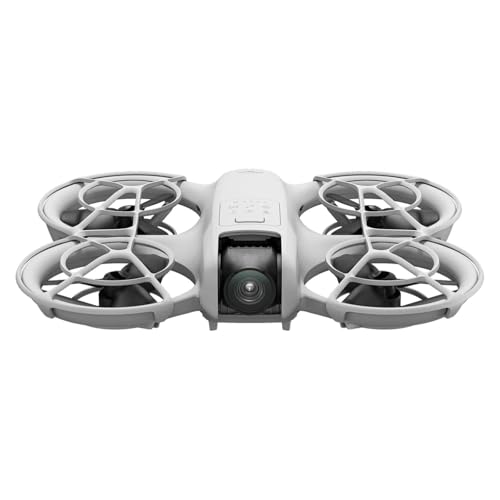


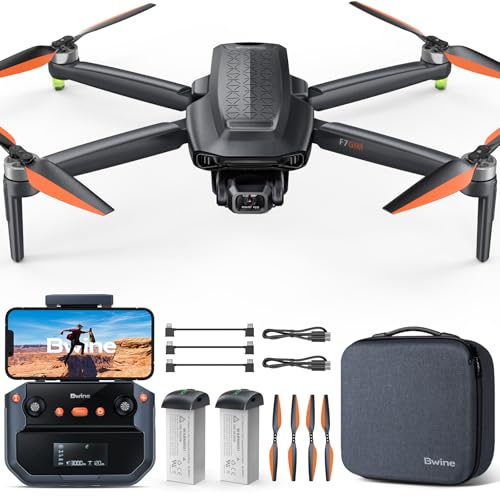
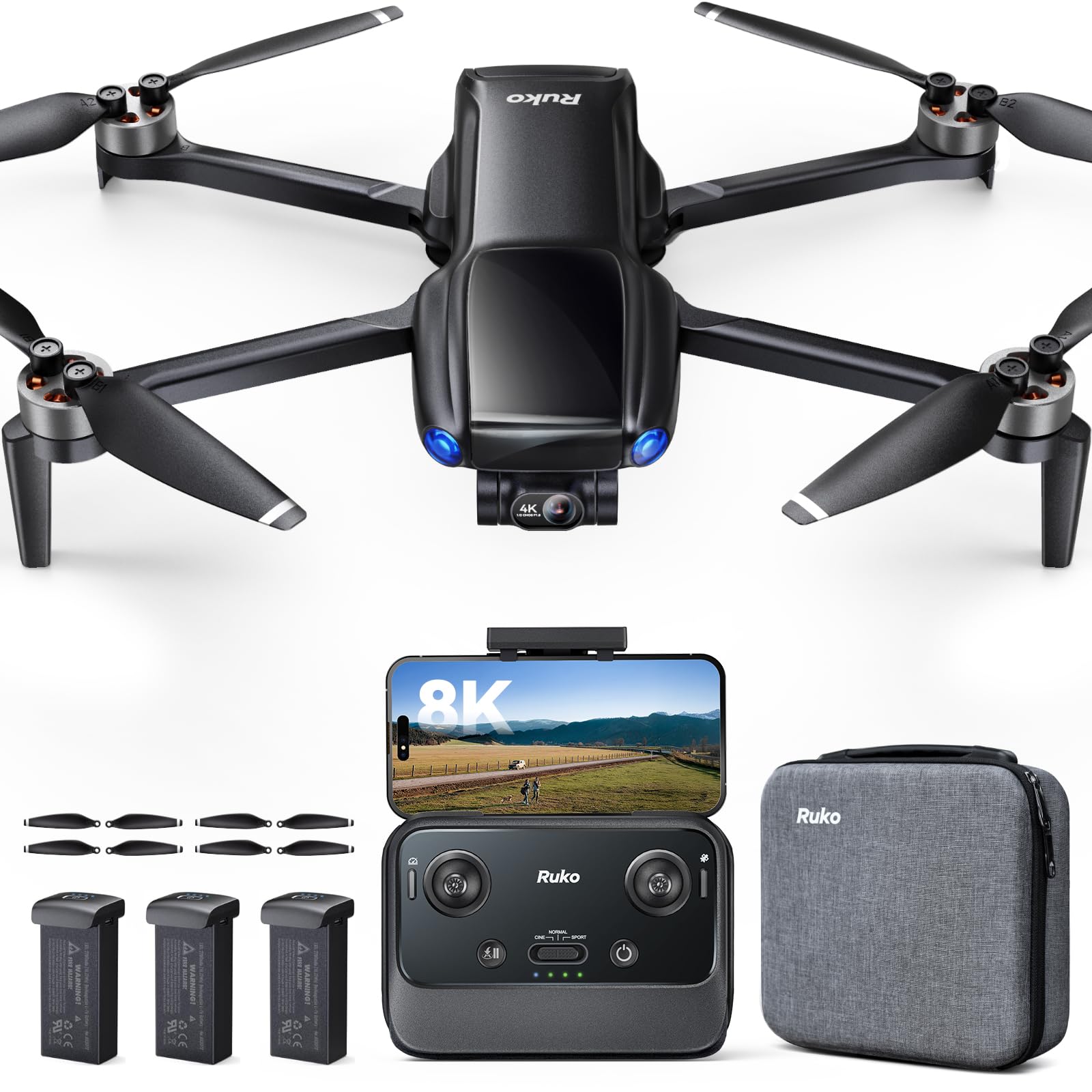
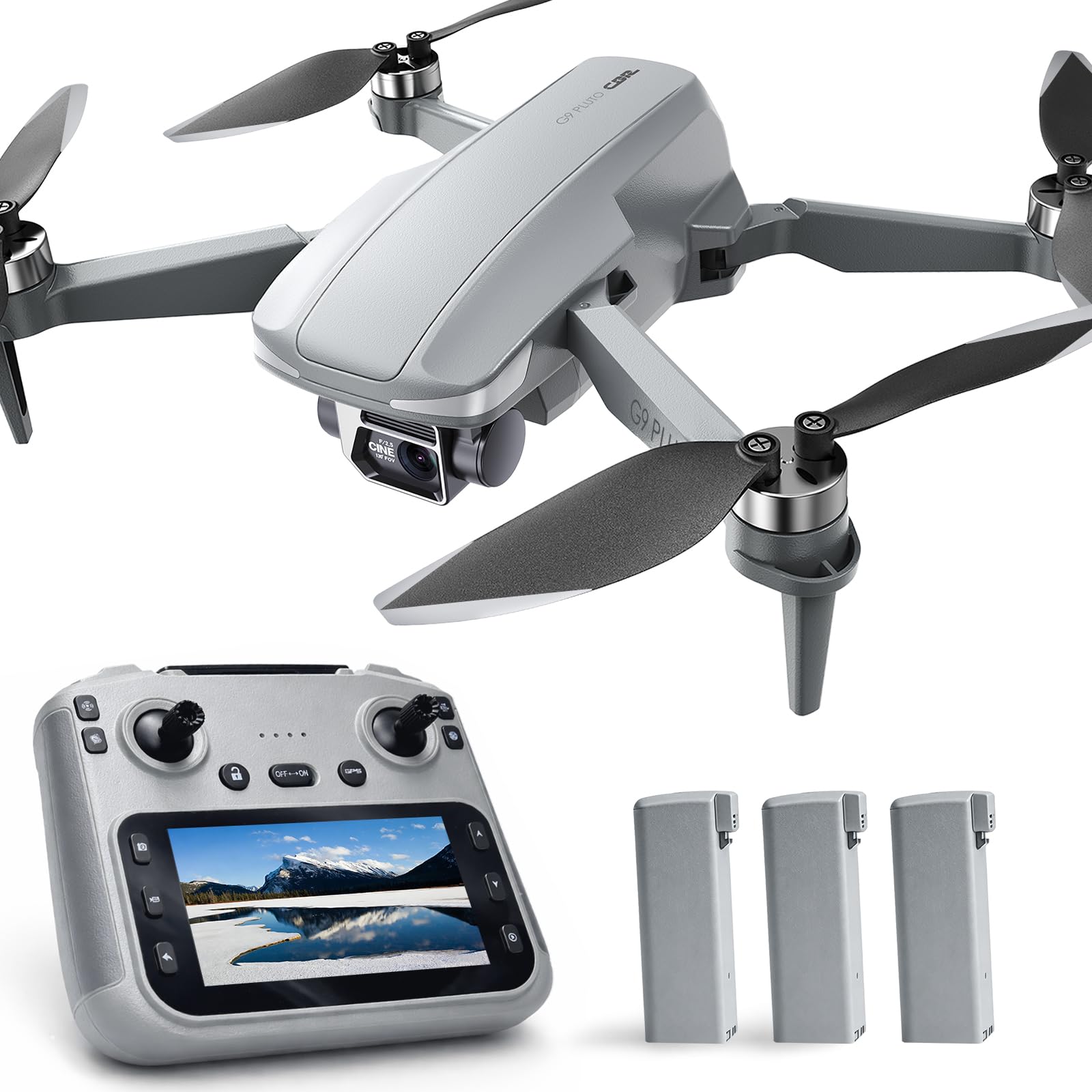

Who Should Buy an Affordable Camera Drone
Affordable camera drones suit beginners, hobby photographers, and travelers who want aerial photos without a large investment. They also suit parents buying a first drone for a teenager, provided an adult supervises flights and local rules are followed. Serious filmmakers will eventually want a higher tier model, but a budget drone teaches the skills first.
- Beginners learning to fly and film
- Hobby photographers wanting aerial shots
- Travelers packing light for holidays
Camera, Stability, and Flight Time
Camera quality is the first split. Check real video resolution and stabilization, not just a megapixel figure: a stabilized 1080p video often looks better than shaky 4K. A gimbal steadies footage far better than electronic stabilization alone, and a decent lens matters more than a long zoom on a budget drone.
Flight time on budget drones usually runs about 20 to 30 minutes per battery, and wind cuts that further. Spare batteries matter more than a slightly longer single flight, since swapping a battery takes seconds. Range figures are measured in ideal conditions, so expect less in built up areas, and always keep the drone in sight as rules require.
Controls, Safety Features, and Rules
Beginner friendly features make a large difference: one button takeoff and landing, altitude hold, return to home, and obstacle sensing where offered. Practice in an open field first, away from people, roads, and trees, and learn the controls before attempting photos. A drone that is easy to fly gets used; a twitchy one gathers dust.
Rules matter everywhere. Many countries require registration for drones above a certain weight, restrict flights near airports and crowds, and limit height. Check your local aviation authority's rules before the first flight, and never fly over people, emergency operations, or private property without permission. Ignorance of the rules is not a defense if something goes wrong.
Common Mistakes to Avoid
The most common mistake is buying on camera specs alone and ignoring flight time and wind handling. A beautiful camera on a drone that struggles in a breeze produces shaky footage and short flights. Another mistake is skipping practice: new pilots who fly straight over water or trees often lose their first drone quickly.
Do not ignore battery care either. Charge with the supplied charger, store batteries partly charged if you will not fly for weeks, and never fly with a swollen or damaged battery. Check propellers before each flight, and replace chipped ones immediately. Small checks prevent most beginner crashes.
Everyday Use and Getting Better Footage
Fly in calm weather for your first sessions, and film in the morning or late afternoon when light is softer. Plan shots before takeoff: a slow, steady movement beats a fast pan, and a short clip from a few angles edits better than one long wandering flight. Keep the drone's firmware updated, and back up footage after each session.
If a crash happens, inspect the frame, motors, and propellers before flying again, and test hover close to the ground first. Respect other people's privacy: avoid filming neighbors, gardens, and windows, and follow local privacy rules. A considerate pilot keeps the hobby welcome for everyone.
Related guides cover the camera side in more depth. Start with the general camera drone range in best drones with cameras, then compare stills focused options in best cameras affordable and best affordable digital cameras. General camera choices appear in best digital cameras, and photography focused models in best affordable photography cameras.
Planning Shots Like a Photographer
Good drone footage starts on the ground. Scout a location on foot first, note the light direction, and plan two or three specific shots rather than flying aimlessly. A slow reveal over a treeline, a gentle orbit around a landmark, and a straight tracking shot give an editor far more than ten minutes of wandering footage.
Light shapes drone photography more than camera specs. Early morning and late afternoon give long shadows and warm color, while midday sun flattens landscapes and creates harsh contrast. Overcast days suit even, soft light for details, though colors may look muted. Check the forecast for wind as well as light, since gusts ruin otherwise perfect conditions.
Edit with restraint. Cut the shakiest seconds, keep clips short, and let one strong shot carry a scene rather than stitching every second you filmed. Add music that matches the pace of the movement, and export at a resolution your audience can actually stream. A minute of planned, steady footage impresses far more than ten minutes of raw flight.
Flying Legally and Considerately
Rules vary by country and change over time, so check your aviation authority's current guidance before every trip, not just before your first flight. Registration, height limits, and no fly zones around airports, crowds, and emergency operations apply to most camera drones. Keep a screenshot or printout of local rules in your flight bag for reference.
Consideration matters as much as legality. Avoid filming neighbors, gardens, and windows, and do not hover over people, even if the law allows it in a particular place. If someone asks you to stop filming near them, move on gracefully: a considerate pilot keeps public goodwill for the hobby, while a careless one invites complaints and tighter rules for everyone.
Backing Up and Sharing Drone Footage
Drone footage deserves the same backup care as any photography. Copy files from the memory card after each session, keep one copy on your computer and another in cloud storage, and format the card in the drone before the next flight rather than deleting files on a computer, which can cause card errors. When sharing, export a short, well edited clip rather than raw footage, since audiences engage far more with a minute of steady, planned shots than with ten minutes of wandering flight. Add a simple title and location, respect privacy by avoiding identifiable people without permission, and enjoy sharing work that shows both the landscape and your growing skill.
Frequently Asked Questions
How long do affordable drone batteries last?
Most affordable camera drones fly about 20 to 30 minutes per battery in calm conditions, with wind and aggressive flying reducing that figure. Spare batteries are the simplest way to extend a session, since swapping takes under a minute. Always land with reserve power rather than flying until the battery is empty, which risks a forced landing.
Do I need to register an affordable drone?
Registration depends on your country and the drone's weight, and rules change, so check your local aviation authority before flying. Many places require registration and a basic competency test for camera drones above a small weight threshold. Even where registration is not required, height limits, no fly zones, and line of sight rules usually still apply.
Is 4K video worth it on a budget drone?
4K is worth it only if the drone also has good stabilization and a decent lens. Shaky 4K footage looks worse than smooth 1080p video, so prioritize a gimbal and stable flight over a resolution label. For social sharing and learning, stabilized 1080p is often plenty, and it edits faster on a modest computer.
Can I fly a drone in wind?
Light wind is manageable for most camera drones, but strong gusts overwhelm budget models and drain batteries quickly. Check the forecast, start in calm conditions, and land if the drone struggles to hold position. Flying in wind you cannot handle risks losing the drone or crashing it into people or property.
What happens if my drone loses signal?
Most camera drones have a return to home feature that flies back and lands if signal is lost, provided it was set correctly before takeoff. Always wait for a strong GPS lock before flying, set a safe return height above nearby trees and buildings, and keep the drone in sight. Test return to home in an open field before relying on it.
Final Thoughts: Best Affordable Drones with Cameras
The product table above is a starting point, not a verdict. The right one of the best affordable drones with cameras flies steadily, films smoothly, and feels simple enough that you actually use it. Prioritize stabilization, flight time, and beginner friendly controls over headline specs.
Learn your local rules, practice in open space, and build skill gradually. A budget drone flown well produces footage you will be proud to share.