Best Affordable DJ Speakers 2026: A Practical Guide
Disclosure: We may earn a commission when you buy through links on this page, at no extra cost to you. As an Amazon Associate I earn from qualifying purchases. Learn more

Clean bass, honest power ratings, and the right inputs decide the best affordable dj speakers.
DJ speakers need to stay clear at party volumes, reproduce bass without distortion, and connect easily to controllers and mixers. This guide to best affordable dj speakers explains how to judge power, size, and portability for home practice and small gigs. The comparison table below outlines the main speaker types.
Affordable DJ speakers have improved greatly, but marketing power figures still mislead. Real output depends on driver size, cabinet design, and amplifier quality, not only on peak wattage claims. Listening at realistic volumes and checking inputs matters more than headline numbers.

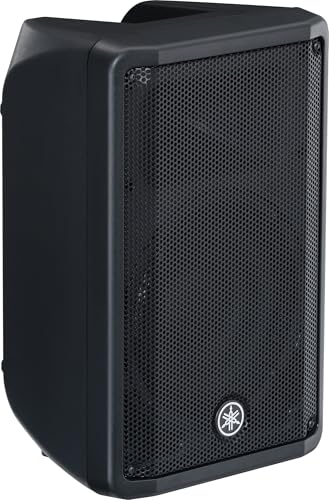


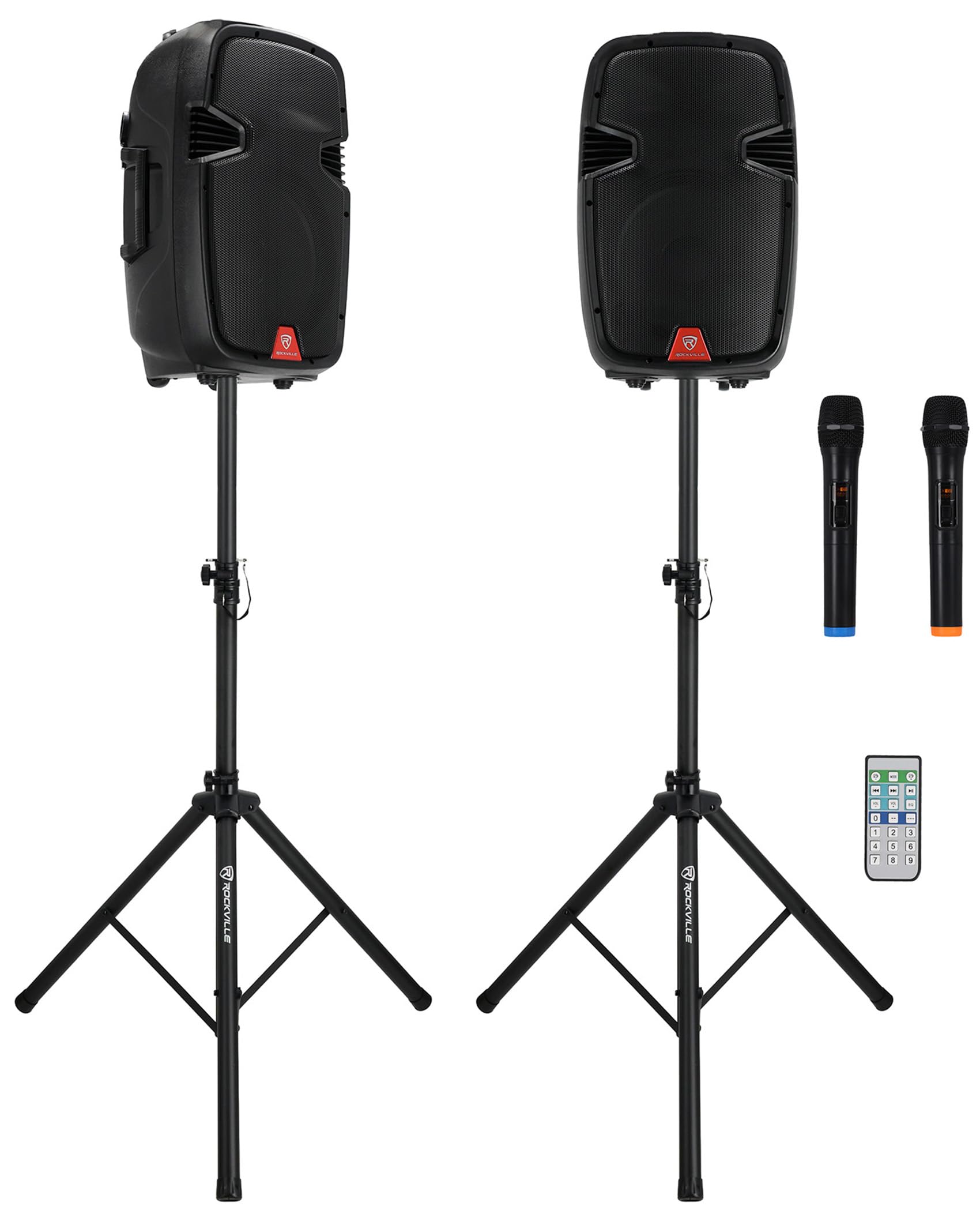
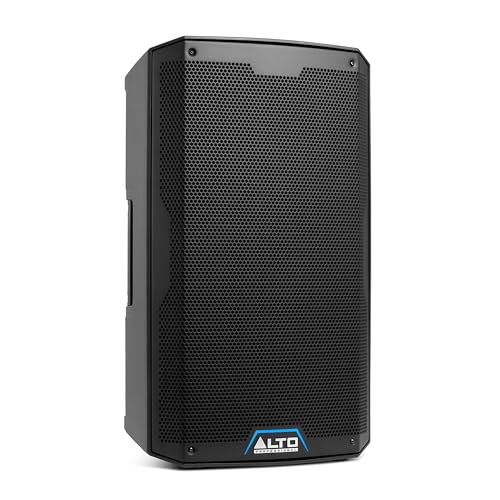
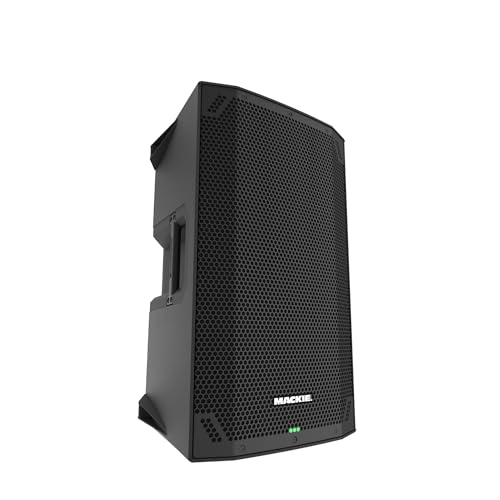
Who Should Buy Affordable DJ Speakers
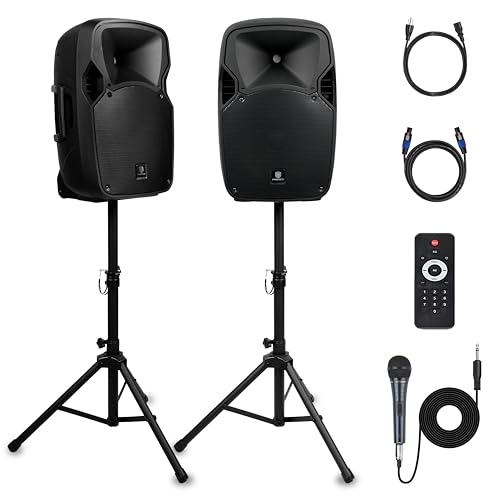
Home DJs practicing mixing, bedroom producers testing tracks, and hosts running small parties will find affordable DJ speakers well suited. They suit rooms and small venues where a full professional rig would be excessive. Larger venues, outdoor events, and professional touring need larger systems and should not rely on budget speakers alone.
If you also produce music, note that DJ speakers emphasize energy and bass, while studio monitors aim for flat accuracy. A DJ speaker can still help you test how tracks sound on party systems, but final mixing decisions benefit from studio monitors or careful headphone checks.
Power, Size, and Room Coverage
Power ratings need context. Continuous power and sensitivity together predict loudness better than peak figures alone. A sensitive speaker with modest power can play louder cleanly than an insensitive speaker with a high peak claim. Check whether ratings state continuous power and at what distortion level.
Driver size shapes bass and coverage. Larger woofers move more air and reach lower frequencies, while smaller speakers suit bedrooms and need a subwoofer for deep bass at parties. Match speaker size to room: a large speaker in a tiny room can overwhelm, while a small speaker in a hall will strain. For general DJ options, best dj speakers covers wider budgets.
Bass, Clarity, and Distortion
Bass should feel punchy and controlled, not muddy or boomy. Test with tracks you know, listening for kick drums that stay distinct from bass lines and vocals that remain intelligible at higher volumes. Distortion, rattling, or harsh treble at party volume signals that the speaker is being pushed beyond its clean limits.
Ported cabinets extend bass but need placement away from walls to avoid boom. Sealed or front ported designs suit tight spaces better. Experiment with placement and keep speakers at ear height where possible, since floor placement muddies bass and reduces clarity for listeners standing nearby.
Connections, Portability, and Setup
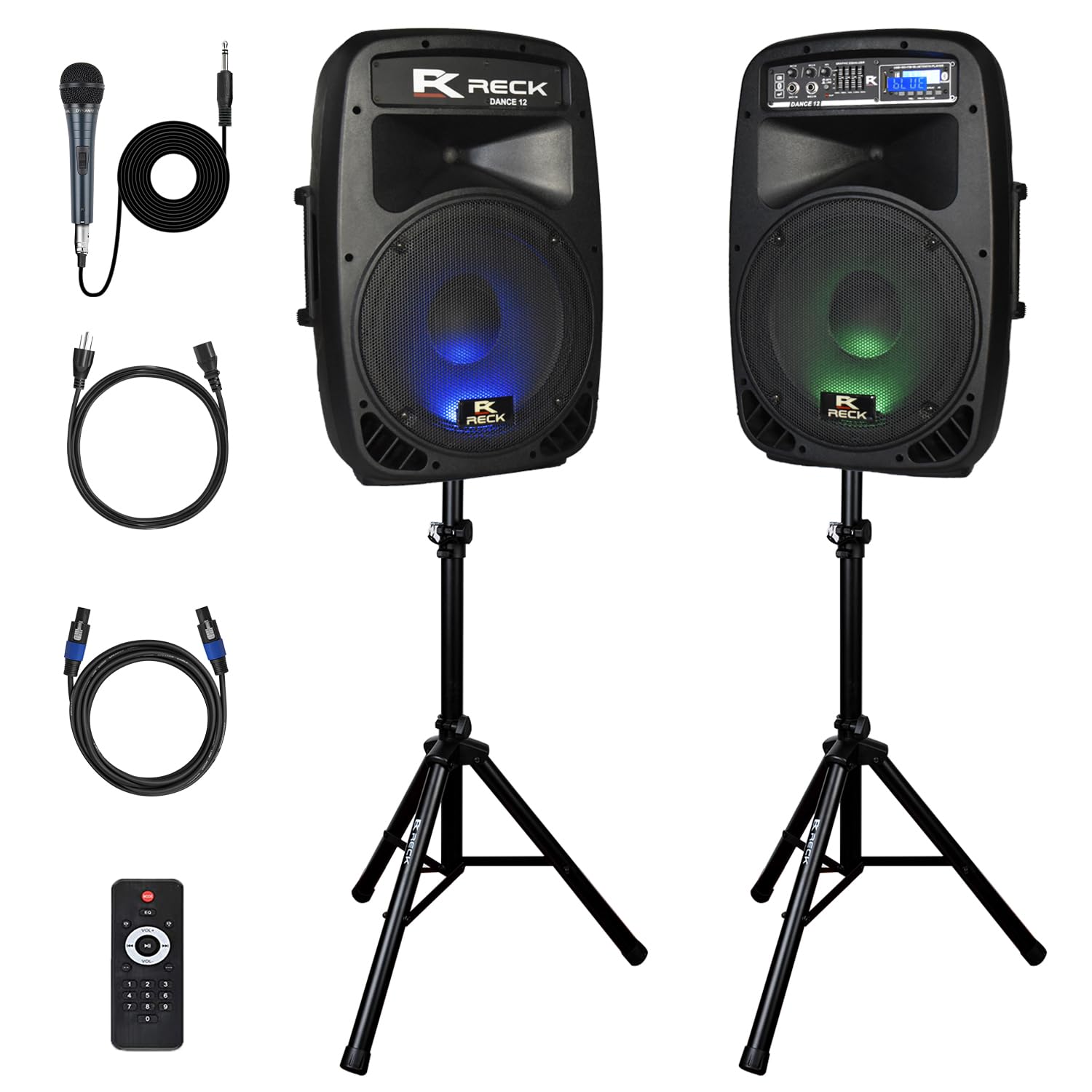
Check inputs for your controller or mixer, including XLR, TRS, and RCA, and confirm whether speakers are powered or need a separate amplifier. Powered speakers simplify setup for most affordable buyers, since amplification is matched to drivers. Bluetooth is handy for casual playback but adds latency that matters for live mixing, so use wired connections for DJ work.
Portability matters for mobile DJs. Check weight, handles, and cabinet protection, and plan transport with padded covers. For home use, a stable stand or shelf placement improves sound and protects speakers from knocks. For casual listening comparisons, best affordable bluetooth speakers and best affordable speakers cover other uses.
Mistakes Worth Avoiding
Buying on peak wattage alone is the most common error, followed by choosing speakers too small for the room and then driving them into distortion. Another mistake is using Bluetooth for live mixing, where latency makes beatmatching difficult. Use wired connections for performance and Bluetooth only for background playback.
Protect hearing at party volumes. Take breaks, keep volumes sensible during long sessions, and consider hearing protection for extended loud events. For production accuracy, best affordable studio speakers and for desk listening, best affordable pc speakers offer different priorities.
Practicing Sets at Home
Home practice benefits from consistent volume and placement, since learning how tracks sound at party volume differs greatly from quiet bedroom listening. Practice at moderate volumes that resemble small gig conditions, and test transitions, EQ changes, and effects at those levels. Quiet practice hides bass and energy problems that appear only when speakers work harder.
Recording practice sets, even informally, reveals timing, level, and track selection issues that live listening can miss. Listen back on different systems, including headphones and a car stereo if available, to check how mixes translate. That habit improves track selection and EQ decisions faster than practicing without feedback.
Organizing music libraries also improves practice, since well tagged tracks with consistent levels and clear cue points make live mixing smoother. Spend time preparing crates, setting cue points, and noting which tracks work together, so practice focuses on technique rather than searching. A tidy library is as valuable as good speakers for a confident set.
Small Gig Essentials Beyond Speakers
Small gigs demand more than speakers, including reliable cables, a backup audio source, and power protection. Carry spare cables for every connection type you use, a backup phone or player with a prepared playlist, and a power strip with surge protection. These small items prevent a single cable failure from ending a set.
Sound checks at gigs should test levels from the audience area, not only from behind the decks, since bass and treble balance change with distance and room acoustics. Walk the room during a test track, check for dead spots near walls, and adjust speaker angle and level accordingly. A short sound check saves awkward adjustments during the performance.
Finally, respect venue rules on volume, curfews, and neighbor noise, since professional behavior leads to repeat bookings. Keep volumes sensible during early sets, build energy gradually, and communicate with venue staff about limits. Good speakers help, but reliability and professionalism build a DJ reputation far more surely.
A Final Check Before You Order
Before ordering, confirm inputs for your controller or mixer, including XLR, TRS, and RCA, and check whether speakers are powered or need a separate amplifier. Powered speakers simplify setup for most affordable buyers, since amplification is matched to drivers. Mismatched inputs or an unpowered speaker without an amplifier can stall a first gig.
Also test speakers at realistic party volumes with tracks you know well, listening for clean bass, clear vocals, and any distortion or rattling at higher levels. A speaker that sounds fine quietly may distort when pushed, and that distortion appears exactly when a party needs clean sound most. Test before the event, not during it.
Finally, plan transport and protection, including handles, covers, and cable storage, since mobile DJ speakers travel frequently and suffer knocks. Keep spare cables and a backup audio source in your gig bag, and check venue power and volume rules before arrival. Reliability and preparation matter as much as sound quality for a successful set.
Frequently Asked Questions
How powerful do DJ speakers need to be?
It depends on room size and audience. Home practice needs modest power, while small parties need more headroom to stay clean at higher volumes. Judge by continuous power and sensitivity together, test at party volume before an event, and avoid pushing speakers into audible distortion. Ask a professional for help if specifications or safety rules are unclear.
Do I need a subwoofer for DJ speakers?
Not always. Larger DJ speakers cover much party bass, while smaller speakers benefit from a subwoofer for deep low end. Add a subwoofer only if bass feels thin after placement experiments, and set crossover and level so vocals stay clear and bass does not overwhelm the room. Revisit the choice after a short trial period to confirm it still suits you.
Can I use DJ speakers for music production?
You can test tracks on them, but DJ speakers color sound for energy rather than flat accuracy. Use studio monitors or trusted headphones for final mixing decisions, and use DJ speakers to check how a track will feel on a party system. That combination catches both detail and energy issues.
Why does Bluetooth cause problems for DJing?
Bluetooth adds latency, so what you hear lags behind your controller actions, making beatmatching difficult. It can also drop out under interference. Use wired connections for live DJ work, and reserve Bluetooth for casual playback when timing does not matter. Revisit the choice after a short trial period to confirm it still suits you.
How should I place DJ speakers for a party?
Place them at ear height on stable stands, angled toward the dance area, and away from walls where possible to reduce bass boom. Keep cables tidy and protected from foot traffic, and test levels from the dance floor, not only from behind the decks. Test the option in your own home or routine where return policies allow.
Final Thoughts: Best Affordable DJ Speakers
Affordable DJ speakers serve home practice and small parties well when size matches room, power is judged on continuous ratings, and connections suit your controller. Test at realistic volumes, use wired links for live work, and protect your hearing during long sessions. The product table above can help you compare speaker types, and best affordable dj speakers reward buyers who listen for clean bass and clear vocals rather than peak wattage claims.