Best Dishwasher Detergents: Which One Fits the Way You Use It?
Disclosure: We may earn a commission when you buy through links on this page, at no extra cost to you. As an Amazon Associate I earn from qualifying purchases. Learn more

The best dishwasher detergents for your kitchen: value packs, first pods, premium no pre rinse pods and eco options.
Dishwasher detergent seems like a simple purchase until you see the choices: multi chamber pods, wrapper free tabs, gel packs, plain powder, fragrance free formulas and plant based pods in plastic free boxes. The right one depends on your water, your dishwasher, how dirty your dishes are when they go in and what you want to pay per load. This guide to the best dishwasher detergents matches formats and formulas to real kitchens, so you get clean dishes without overpaying.
We group detergents by type of user, explain the features that matter, list common mistakes and share care tips for your dishwasher. Every product in the table above is sold new on Amazon US.






Who Should Buy Which Dishwasher Detergents?
Value seekers do best with large packs of simple pods or powder, first time buyers with popular all in one pods, performance seekers with premium multi chamber pods and gift shoppers with eco friendly or fragrance free sets. Here is how each group differs.
For Value Seekers
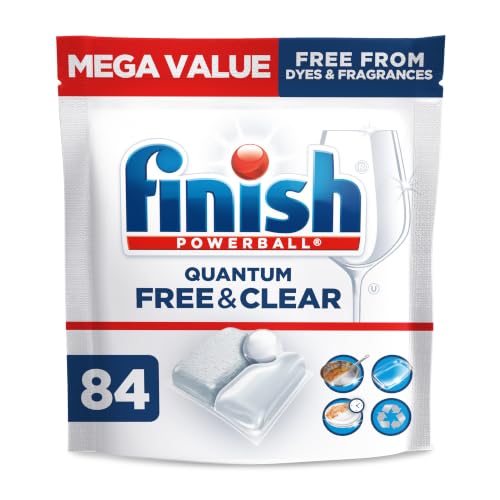
If price per load matters most, look at large count packs and powders. Finish Powerball wrapper free pods come in 84 count packs, and Finish Gelpacs come in 84 count boxes, which keeps cost per load low. Pronounce Dishwasher Detergent Powder offers 80 loads per bag and lets you add one scoop for regular loads or two for heavy soil or hard water.
Value products clean everyday loads well, especially if you scrape plates and run full loads. They may struggle more with baked on food than premium pods, so keep a stronger option for tough jobs.
Buying in bulk during sales lowers cost further, but only buy what you can store in a dry place. Pods and powders can clump if exposed to humidity, which wastes product. Keep the container sealed and away from the sink.
Another trick is to match detergent to the load. Lightly soiled loads may only need a smaller scoop of powder, which stretches a bag even further.
For First Time Buyers
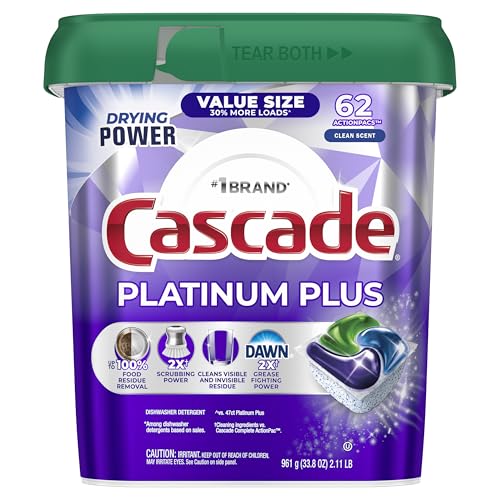
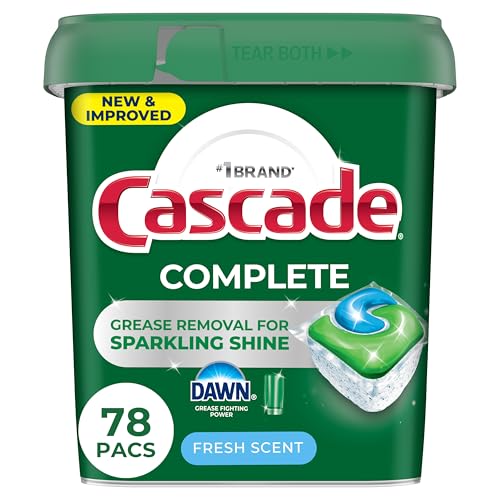
First time buyers should start with popular all in one pods, which need no measuring and work in most machines. Cascade Complete ActionPacs and Cascade Platinum pods are easy to find and simple to use: place one pod in the dispenser and close it.
All in one pods include detergent and often rinse aid ingredients, which simplifies the routine. If you see spots on glasses, add a separate rinse aid. Store pods in a sealed container away from children.
Check your dishwasher manual before choosing, too. Some machines recommend specific formats or warn against overfilling the dispenser. Following the manual helps your first loads come out clean and avoids residue on dishes.
For People Who Want the Best Performance
Performance seekers should choose premium multi chamber pods designed for no pre rinse washing. Finish Quantum pods use three fast dissolving chambers, with powder to scrub, gel to cut grease and a Powerball for shine, and Finish says they remove 24 hour dried on stains. Cascade Platinum Plus pods are another premium choice.
Premium pods cost more per load but can save water and time by skipping pre rinsing; Finish says skipping the rinse saves up to 20 gallons of water per load. They suit busy households, large families and anyone with baked on messes.
Premium pods work best when the dishwasher itself is in good shape. A clean filter, unblocked spray arms and hot water at the start of the cycle make a bigger difference than switching brands. If results disappoint, check those first.
For Gift Shoppers
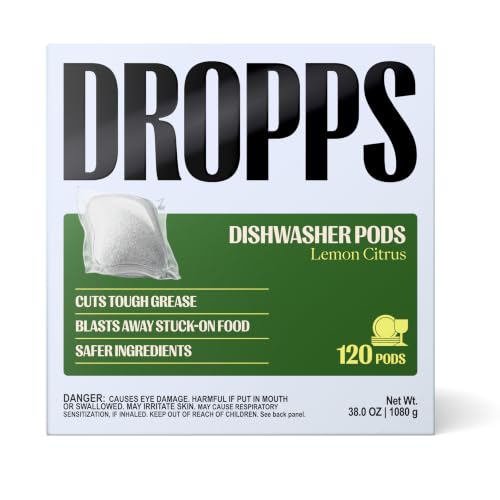
Dishwasher detergent is a practical housewarming gift, especially paired with dish towels or a new kitchen gadget. Eco friendly options like Dropps UltraWash pods, which come in plastic free packaging, and fragrance free choices like Finish Free and Clear make thoughtful gifts for new homeowners.
Choose a well known brand with a large count, so the gift lasts for months.
For a fuller gift basket, add a bottle of rinse aid, a dishwasher cleaner and a set of quality dish towels. New homeowners and renters often appreciate practical supplies they would otherwise forget to buy.
Fragrance free formulas are the safest gift choice when you do not know the recipient's preferences, since scented detergents can leave a light smell on glasses and plastic containers that some people dislike.
Key Features to Compare in the Best Dishwasher Detergents
Format, cleaning power on your messes, compatibility with your dishes and cost per load matter most. Here is how each feature plays out in a real kitchen.
Format (Spray, Gel, Pods, Wipes, Concentrate)
Dishwasher detergents come as pods, gels, powders and tablets. Pods are convenient and pre measured, gel packs dissolve easily in shorter cycles and powders let you adjust the amount for soil level and water hardness. Ultra concentrated powders, like Pronounce, use less product per load.
Wrapper free pods, like Finish Powerball and Cascade pods, go straight into the dispenser. Some eco pods use water soluble films and plastic free boxes.
Pods tend to cost more per load but prevent overdosing, which is a common cause of residue and film. Powder costs less and suits households willing to measure. Gel packs, like Finish Gelpacs, dissolve quickly, which helps on short or quick wash cycles where pods may not fully dissolve.
Effectiveness on the Specific Mess
Different messes need different chemistry. Enzymes break down proteins and starches, such as egg and oatmeal. Bleaching agents remove tea and coffee stains. Water softeners prevent spots in hard water. Dropps UltraWash uses enzymes and oxygen powered cleaning plus mineral based water softeners, according to the maker.
If you see cloudy glasses, hard water may be the issue; add rinse aid or choose a detergent with built in softeners.
Load placement matters too. Face dirty surfaces toward the spray arms, put pots and pans on the bottom rack and keep tall items from blocking the detergent dispenser door. Even the best detergent cannot clean dishes that water does not reach.
Surface Compatibility
Most detergents are safe for everyday dishes, glasses and stainless steel. Hand wash delicate items such as crystal, hand painted china, cast iron, wooden utensils and some nonstick pans, since dishwasher detergent can dull or damage them. Silver and aluminum can discolor with some formulas.
Check that your detergent is safe for septic systems if you have one; Dropps, for example, is labeled septic safe.
Glassware can etch over time in soft water, which looks like permanent cloudiness that does not wipe off. Using a little less detergent in soft water and choosing gentler formulas reduces etching, while hard water usually causes a white film that rinse aid or a citric acid cleaner can remove.
Cost per Use and Value
Divide the price by the number of loads. Large packs of basic pods and powders usually cost the least per load, while premium pods cost more. Powder can be the most flexible, since you can use less for light loads.
Consider water and time savings too. Premium no pre rinse pods may offset their cost if you stop rinsing dishes by hand.
As a rough guide, many basic pods cost around 20 to 30 cents per load in large packs, premium pods around 30 to 40 cents and concentrated powders can be lower when you use a single scoop. Prices change often, so compare per load costs at the time you buy.
Common Mistakes to Avoid When Buying Dishwasher Detergents
- Choosing by price alone. A cheap detergent that leaves residue costs more if you rewash dishes.
- Ignoring water hardness. Hard water causes spots; use rinse aid or detergents with softeners.
- Using hand dish soap. Regular dish soap creates excessive suds that can leak from the dishwasher.
- Overloading the dishwasher. Crowded racks block spray arms and leave food behind.
- Skipping storage safety. Pods look like candy to children; store them up high and sealed.
Another common mistake is blaming the detergent for problems caused by the machine. Gritty residue often means a dirty filter, while dishes that come out wet usually point to a missing rinse aid rather than weak detergent. Fixing those small issues can make an inexpensive detergent perform like a premium one.
Care and Maintenance Tips
Clean your dishwasher filter every few weeks, since trapped food reduces cleaning power. Run a monthly cleaning cycle with a dishwasher cleaner to remove grease and mineral buildup. Scrape plates instead of rinsing, as enzymes need some food to work on. Store detergent in a cool, dry place and keep pods sealed to prevent clumping.
Never mix detergents with bleach or other cleaners. Use only products designed for automatic dishwashers, and run hot water at the sink before starting a cycle so the dishwasher fills with hot water.
Check the spray arms every few months for clogged holes, which you can clear with a toothpick, and wipe the door gasket where grime collects. If your dishwasher smells, a cleaning cycle and a clean filter usually solve the problem.
Hard water homes benefit from an occasional cycle with a citric acid dishwasher cleaner, which dissolves mineral scale on the heating element and spray arms. Less scale means hotter water and better cleaning from any detergent.
Dishwasher Detergents: Your Questions Answered
What should never be mixed together?
Never mix dishwasher detergent with chlorine bleach, vinegar or other cleaners in the dispenser, since combinations can release harmful gases or damage the machine. Do not use hand dish soap in the dishwasher, which causes excessive suds. Use one product designed for automatic dishwashers, plus rinse aid in its own dispenser.
Rinse aid is the one product meant to be used alongside detergent, and it has its own dispenser. Refill it when the indicator light comes on, and do not pour rinse aid into the detergent cup.
Is it safe to use around kids and pets?
Dishwasher detergents are safe when stored and used properly, but pods are especially dangerous if swallowed or squeezed into eyes. Store detergent in a locked or high cabinet, keep the container closed and load pods right before running the dishwasher. Call poison control if a child or pet swallows detergent.
Child safety latches on the cabinet and a closed dishwasher door between loads add extra protection, since toddlers can reach a loaded dispenser. Close the dispenser cup only right before starting the cycle.
How often should I use it?
Use one pod or the recommended amount of powder or gel per dishwasher load. Most households run the dishwasher once a day or every other day. Run full loads for efficiency, and use extra detergent only for heavily soiled loads or very hard water if the label allows.
Running the dishwasher only when it is full saves water, energy and detergent, and most modern dishwashers use less water than washing the same dishes by hand.
Are natural cleaners as effective?
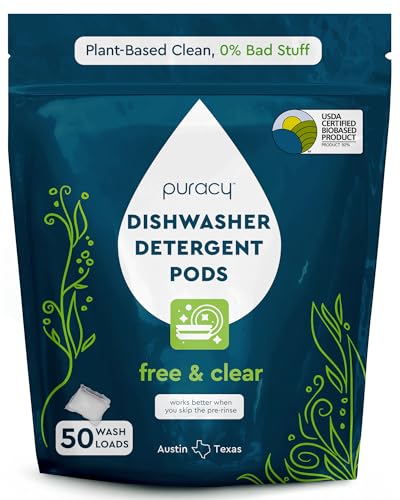
Many plant based detergents clean everyday loads well, especially enzyme formulas like Dropps and Puracy. They may struggle more with baked on food or very hard water than premium conventional pods. Try a natural option for daily loads, and use a stronger detergent occasionally for tough messes if needed.
Pairing a natural detergent with a rinse aid and a monthly dishwasher cleaning often closes most of the performance gap, especially in hard water areas.
Wrapping Up
The best dishwasher detergents match your messes, your water and your budget. Value seekers can choose large packs of Finish Powerball or Pronounce powder, first time buyers can start with Cascade Complete pods, performance seekers can rely on Finish Quantum or Cascade Platinum Plus and eco minded buyers can try Dropps. Focus on format, cleaning power and cost per load.
For more kitchen guides, see the best dishwasher, the best budget dishwasher, the best dishwasher detergent tablets and the best ranked dishwashers. Then compare current prices in the product table above.
If you are unsure where to start, buy a small pack of two different types, such as a premium pod and a value powder, and compare results in your own dishwasher and water before committing to a large box.