
Best Adjustable Dumbbells Under $200 in 2026: Buying Guide and Top Options
Disclosure: We may earn a commission when you buy through links on this page, at no extra cost to you. As an Amazon Associate I earn from qualifying purchases. Learn more
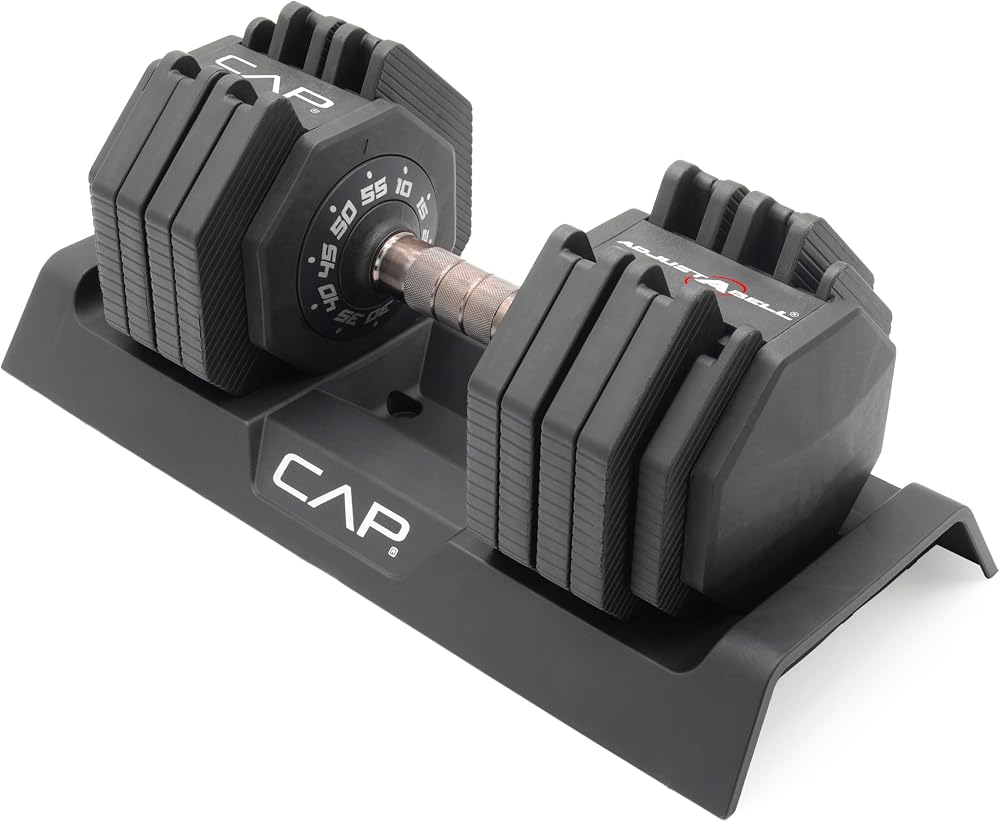
A practical guide to the best adjustable dumbbells under 200: sizes, features, budget ranges, and mistakes to avoid before you buy.
A full rack of fixed dumbbells costs far more than most home lifters want to spend, and it eats floor space you may not have. The best adjustable dumbbells under 200 dollars solve both problems by putting many weights into one handle and one tray. At this budget the real questions are how much weight you get, how fast it changes, and how solid the handle feels.
This guide compares the main types sold at this price on build quality and weight capacity, footprint and storage, adjustment speed, and noise. It also explains what this budget cannot buy, so you can spot a listing that promises too much. Start with the comparison table below, then match a type to your training and your room.


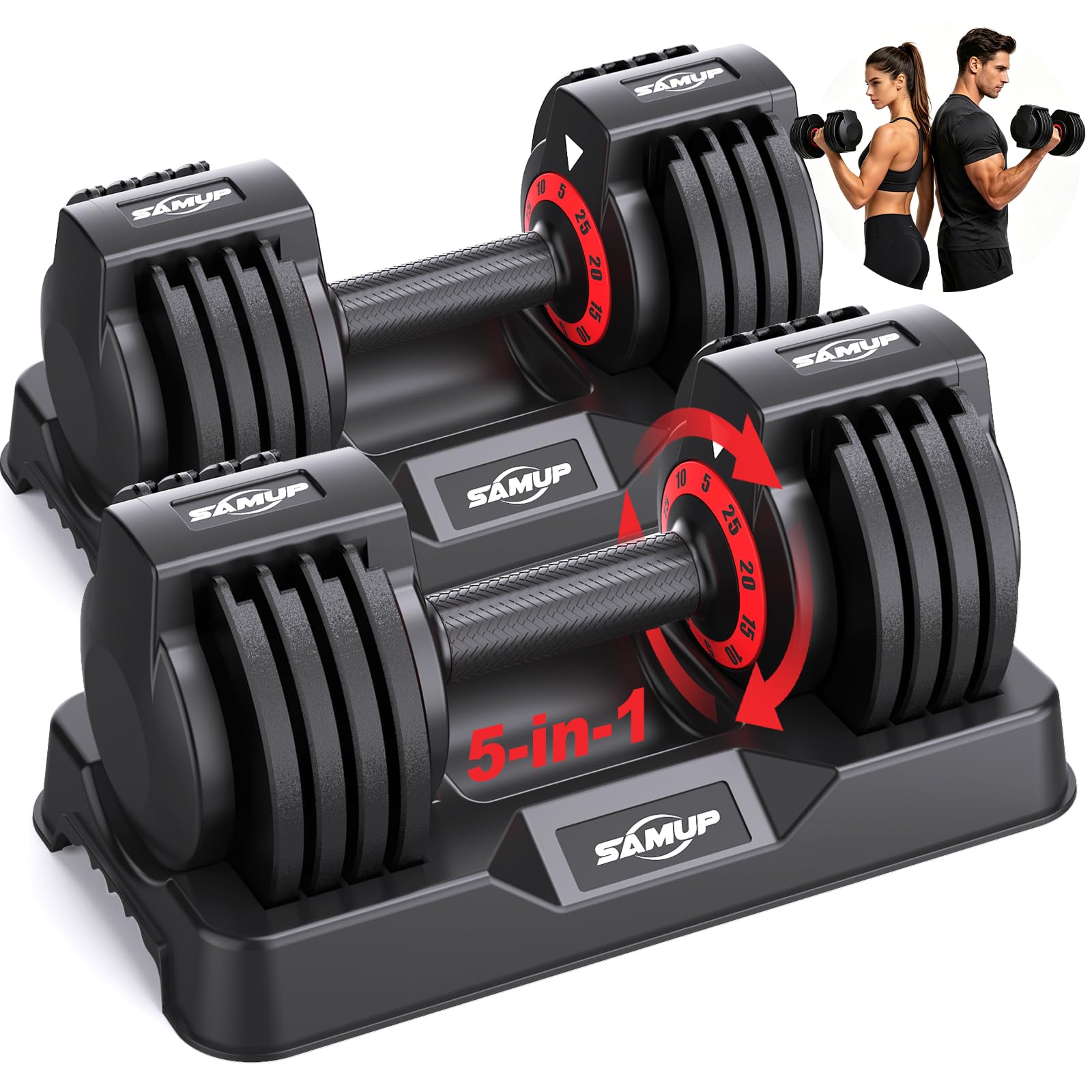
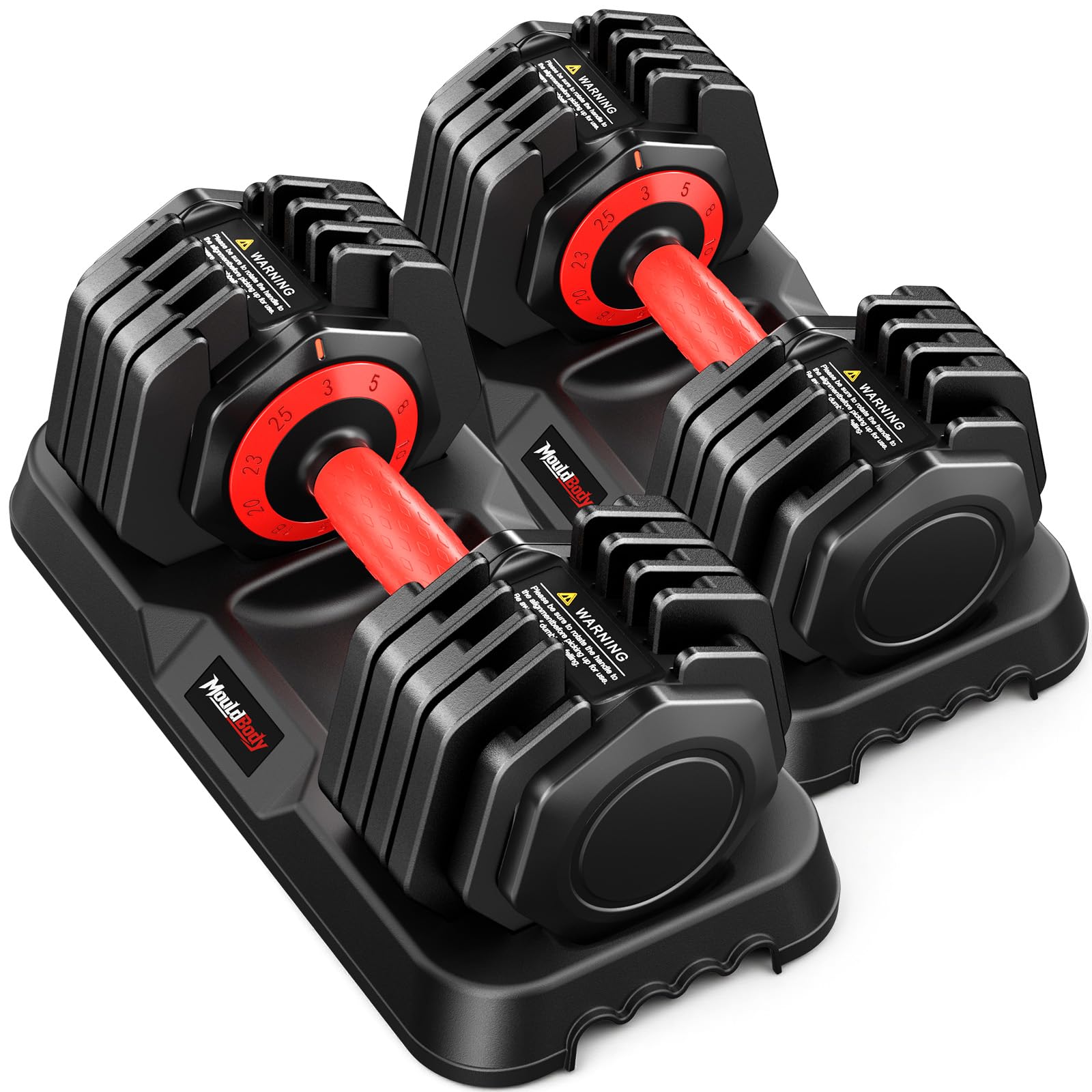

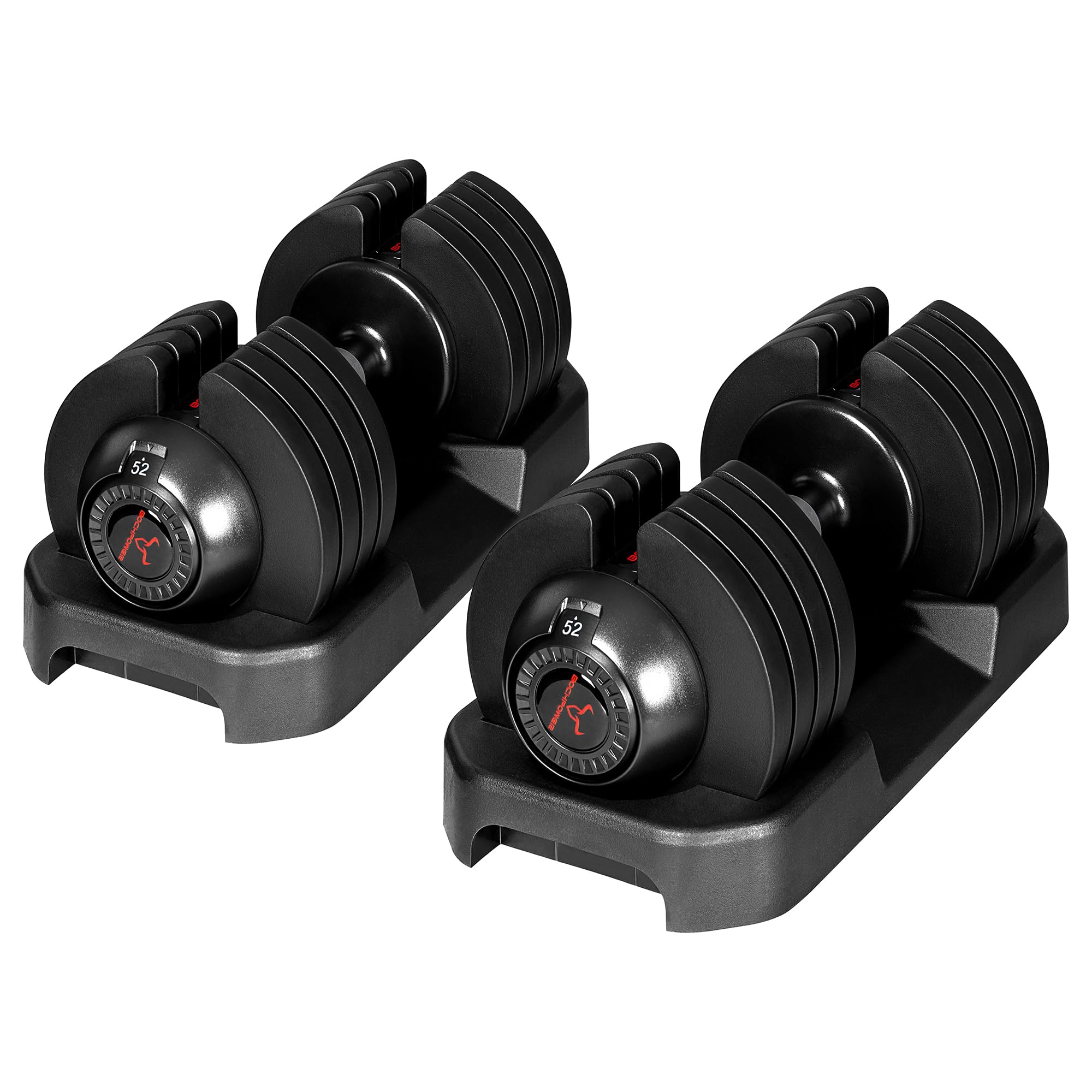
The Main Types at a Glance
Three designs dominate this price range. Dial selector models turn a dial at each end to pick a weight, and they change fastest, but the handles tend to be long and the moving parts need gentle handling. Expanding block models add or remove nested blocks and feel compact at light settings. Spin lock models use threaded collars and loose plates, cost the least per pound, and take the longest to change.
None of these types is best for everyone. Fast changes matter most in circuits, where rest time is short. Compact shape matters most for presses and rows, where a long handle can strike your thigh or chest.
How the Options Are Compared
We judged this price range on five factors drawn from maker specifications and verified buyer feedback: build quality and weight capacity, footprint and storage, adjustment speed, noise, and warranty length. If your budget can stretch past this cap later, our broader guide to the best adjustable dumbbells covers the wider market. Within this budget, the goal is a set that covers your working weights, changes without fuss, and still locks securely after a year of use.
Who Should Buy at This Budget
New lifters building a first home setup
You need a low starting weight, small jumps between settings, and enough top weight to progress for a year or more. Sets that begin at about 5 pounds and rise in steps of 2.5 to 5 pounds suit you well, because jumps that feel small on paper can stall a shoulder press. A pair that tops out near 25 pounds per hand works for many starter programs, while a single heavier dumbbell suits goblet squats and one arm rows.
Apartment lifters short on space and quiet hours
You need one tray in a corner instead of a rack along a wall, and you need changes that do not clank at dawn. Dial and block designs sit neatly in their trays and change with a click rather than a rattle of loose plates. A thick mat under the tray protects the floor and softens sound. If your training space doubles as a living room, our guide to the best adjustable dumbbells for home gym setups goes deeper on layout and storage.
Lifters with smaller hands or lighter working weights
Grip diameter decides comfort more than most listings admit. A thick handle can feel insecure on pulling moves if your hands are small, and a very long dumbbell throws off your balance on presses. Look for a grip near 1.25 inches across, knurling that is present but not sharp, and light starting settings for lateral raises. Readers in this group may also want our guide to the best adjustable dumbbells for women, which focuses on grip size and starting weights.
How to Choose the Right Adjustable Dumbbells
Size and form factor
Length is the hidden spec at this price. Many dial models keep one long handle for every setting, so a light 10 pound selection spans as wide as the full 50 pound selection. That length is fine for rows but awkward for skull crushers and close grip presses. Block designs stay short at light weights and extend only as you add blocks. Check the stated length at both ends of the range, then picture the handle clearing your head and thighs through your usual lifts.
Type and adjustment mechanism
The mechanism sets your pace between sets. Dial systems change in seconds and suit timed circuits, but you must return the dumbbell to its tray and align it before the dial will turn. Pin systems pull and slide a selector, which is nearly as fast and easier to understand. Plate loaded and spin lock sets ask you to slide plates on and tighten a collar, which takes longer but uses simple parts that rarely jam. For a closer look at how the two best known design families differ in shape and handling, see our bowflex vs powerblock comparison.
Weight range and increment size
Read the listing twice here, because this budget hides a common trap: the price may cover one dumbbell, not a pair. A single unit rated at 5 to 52.5 pounds sounds generous, yet pressing and curling need two, so the true cost of a working pair may double. Confirm the starting weight, the top weight, and the size of each step for one hand. Steps of 2.5 pounds help smaller muscles progress, while steps of 5 to 10 pounds can feel like a wall on overhead work.
Build quality and locking security
At this price, handles mix steel cores with plastic housings and coated plates. That mix is acceptable for controlled lifting, but the lock is where quality shows. The selector should click or seat with a clear, positive feel at every setting, with no play when you shake the dumbbell gently at waist height. Weight markings should appear on both ends so you never lift a mismatched pair. Avoid any design that lets you lift the handle while a plate stays half engaged, because a plate that releases mid set can injure a foot.
Space and footprint
Measure the tray, not the dumbbell. Most trays at this level run about 16 to 22 inches long and 8 to 10 inches wide per unit, so a pair needs a clear patch of floor roughly 2 feet square once you add room for your hands. Trays also keep unused plates from wandering across the room. A stand lifts the tray to knee height and saves your lower back, but stands usually cost extra at this budget, so count one only if bending to the floor bothers you.
Noise and floor protection
Coated plates and block designs run quieter than bare cast iron plates on a spin lock bar, which ring when collars loosen. Whatever type you choose, train over a mat at least half an inch thick, and never drop an adjustable dumbbell the way you might drop a fixed rubber dumbbell. The selector parts and plastic housings that make quick changes possible are also the parts most likely to crack in a hard fall.
Features, apps, and how much to spend
At this level, pay for the lock, the tray, and honest increments before anything digital. A few sets add Bluetooth counters or paid app programs, but an app cannot fix a wobbly handle, and a subscription adds cost long after the purchase. Expect about $100 to buy a light pair near 25 pounds per hand or one heavier spin lock single. Spending close to the cap on the best adjustable dumbbells under 200 dollars should bring a faster mechanism, a higher top weight, or a longer warranty.
What You Get and Give Up Under $200
Here is the honest trade at this budget. You get genuine space savings, quick changes on most designs, and enough weight for beginner and intermediate work on most lifts. You give up the right to drop your weights, top ends above about 52.5 pounds per hand in most cases, and the all steel build of premium sets. Stronger lifters will outgrow this tier for lower body work first, while their pressing and rowing weights may stay in range much longer.
If your main lifts already demand more per hand, stepping up to the best 100 lb adjustable dumbbells costs more but buys years of headroom. For everyone else, this tier covers the weights most home programs use, and money saved here can fund a bench or a mat. Judge the purchase by cost per usable setting rather than cost per pound.
Common Mistakes to Avoid
- Ordering one dumbbell when the price looked like a pair, which leaves pressing and curling impossible until you buy a second unit.
- Choosing the highest top weight with huge jumps between settings, which stalls small lifts like lateral raises and overhead presses.
- Dropping adjustable dumbbells onto hard floors, which can crack housings and bend selector parts that fixed dumbbells do not have.
- Skipping the tray on carpet, which lets unused plates tip, roll, and disappear under furniture between sessions.
- Ignoring handle length, which turns a good deal into an awkward tool for lifts near your body.
- Paying for app features before checking the warranty, which leaves you with perks and no cover if the lock fails.
Care and Storage Basics
Store the set in its tray, indoors, away from garage damp, because surface rust on plates and collars makes changes gritty over time. Wipe handles and plates with a dry cloth after sweaty sessions, and keep sprays away from plastic housings and dials. Once a month, run through every setting, confirm each one seats with a clear click, and check collars for looseness. Stop using any setting that feels loose and contact the maker about warranty service.
FAQ
Can you get good adjustable dumbbells for under $200?
Yes, as long as your expectations match the tier. You can expect a secure lock, clear markings, steps of 2.5 to 5 pounds, and a top weight that covers most home programs. What you should not expect is a set built for dropping or for very heavy lower body work. Value at this price depends more on honest specs than on brand or styling.
Is an adjustable dumbbell sold under $200 usually a single or a pair?
Listings vary, and this is the most common source of disappointment at this budget. Heavier dial models near 50 pounds per hand are often priced as singles, while lighter sets near 25 pounds per hand are more often sold as pairs. The title or the first spec line should state the count plainly. If it stays unclear, assume a single unit and budget for two before comparing prices.
How long do adjustable dumbbells last?
A well kept set at this price can serve for years of regular home training. Life span depends mostly on how you treat the mechanism: controlled set downs, dry indoor storage, and a monthly check of every setting prevent most failures. Plastic housings and dial parts wear faster than the plates themselves, so warranty length matters more here than on fixed dumbbells. When a lock feels vague or a plate rattles, retire that setting until the maker advises you.
Are adjustable dumbbells safe for overhead exercises?
They can be, provided the lock seats fully and you confirm it before the lift. Give the dumbbell a firm shake at waist height after every change, and listen for rattling that signals a plate is not seated. Keep your face and feet out of the drop zone, and use a lighter weight when learning a new overhead move. If a design lets you lift the handle with a plate partly engaged, skip that design.
How do you clean adjustable dumbbells without harming the mechanism?
Use a cloth dampened with water and a drop of mild soap, then dry every surface at once. Keep liquid out of the dial housing and away from selector pins, because moisture inside the mechanism invites rust where you cannot see it. For spin lock plates, a stiff brush removes chalk and dust from threads so collars spin freely. Skip solvents and silicone sprays, which can soften printed markings and make grips slick.
Final Thoughts
Match the mechanism to your training pace, the top weight to your strongest lifts, and the handle length to your body, and this budget will serve you well. Use the product table above to compare finalists on the specs that matter most, and remember that the best adjustable dumbbells under 200 dollars for your home are the ones you can change quickly, lock securely, and reach for every session.


