
Best Adjustable Dumbbells for Beginners in 2026: Buying Guide and Top Options
Disclosure: We may earn a commission when you buy through links on this page, at no extra cost to you. As an Amazon Associate I earn from qualifying purchases. Learn more
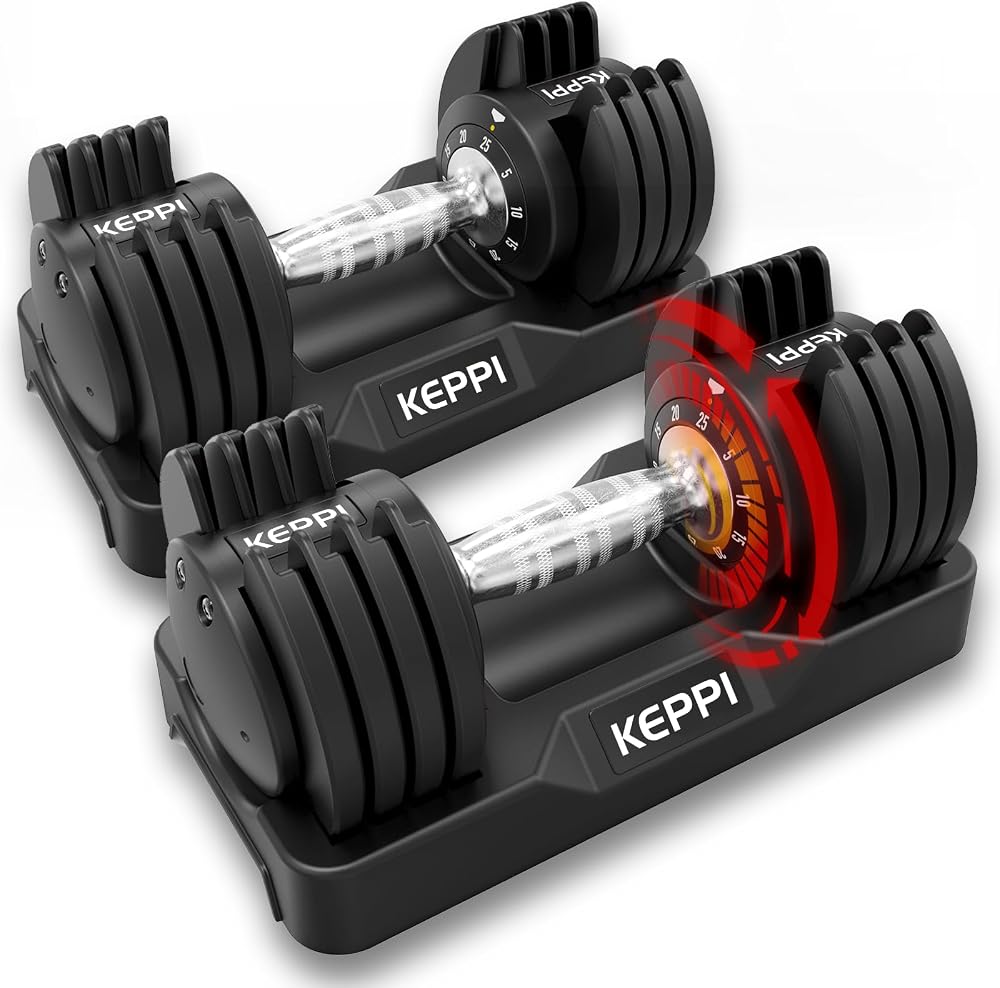
A practical guide to the best adjustable dumbbells for beginners: sizes, features, budget ranges, and mistakes to avoid before you buy.
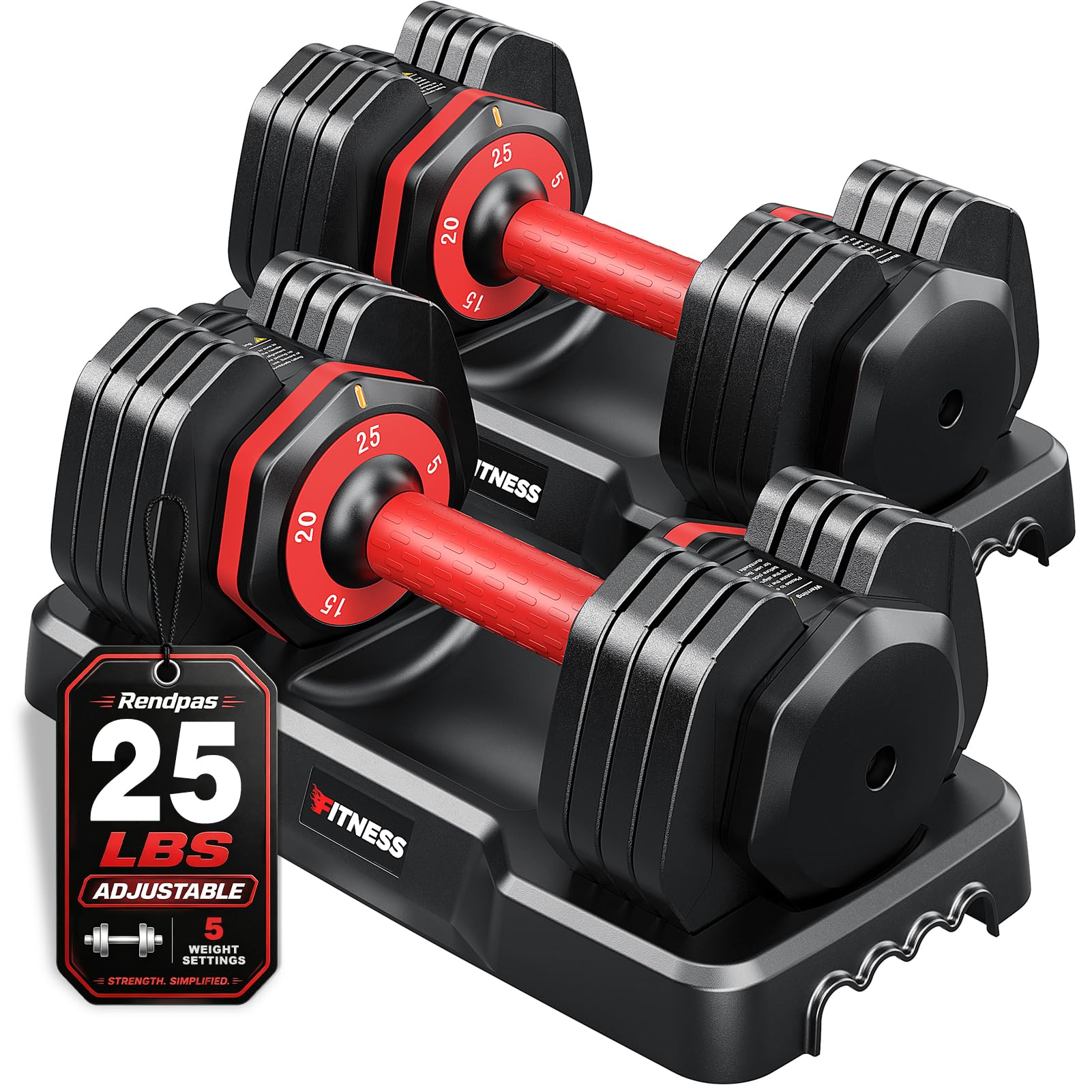
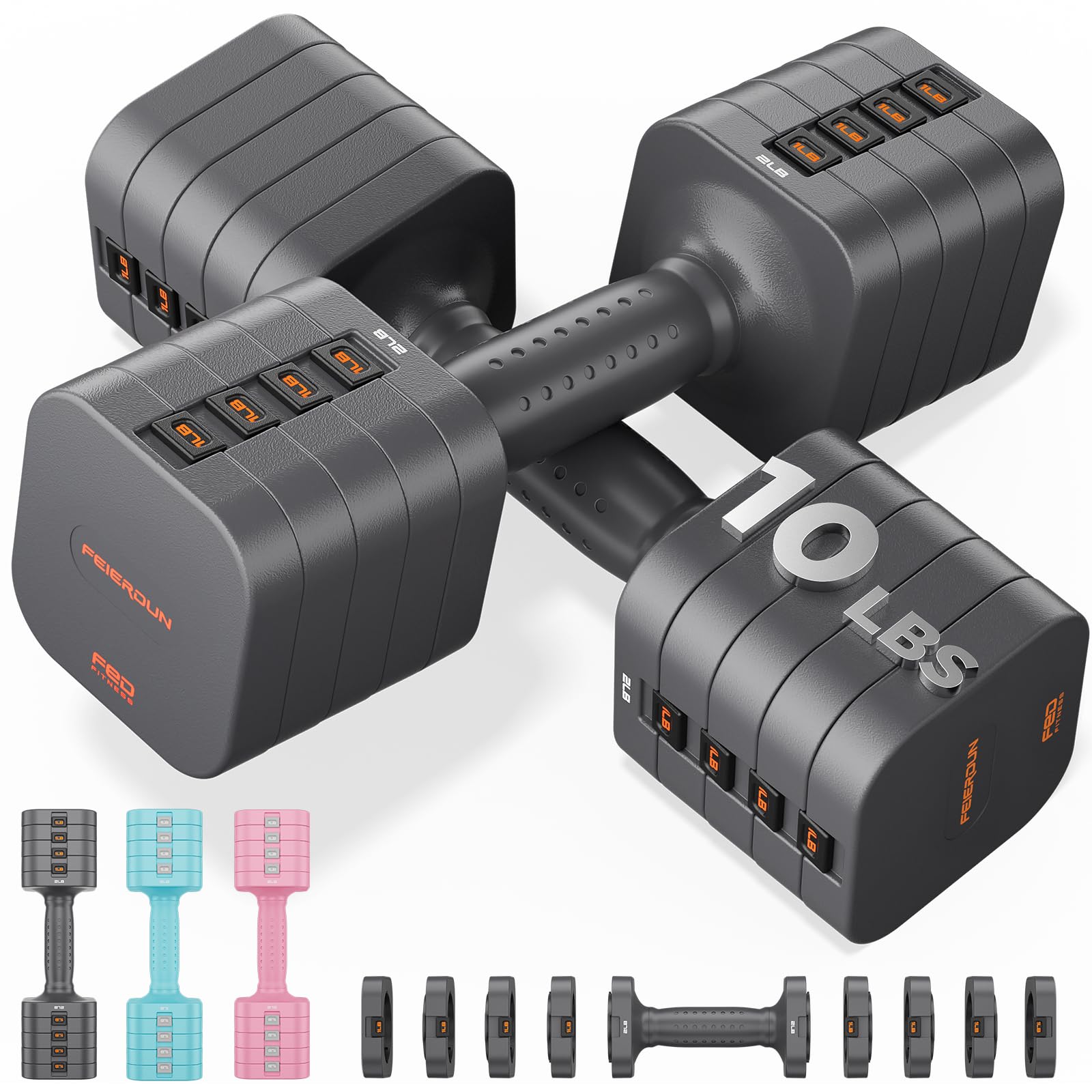
Starting strength training at home is hard enough without guessing which weights to buy first. You need light options for learning form, small jumps as you get stronger, and a handle you can hold with confidence. The best adjustable dumbbells for beginners give you all of that in one pair, and the comparison table below compares the main types by weight range, size, and how each one changes weight.
One pair replaces a full rack along a wall, which matters when you train in a bedroom, a garage corner, or a living room. This guide explains the types, the features that help new lifters most, and the mistakes that lead to buying too much weight or too little.





Types at a Glance for New Lifters
Most sets fall into three groups, and each group suits a different kind of beginner. Dial sets change weight when you turn a dial while the dumbbell sits in its tray. Pin and block sets use a pin or a selector to add nested weights around a handle. Plate loaded and spin lock sets ask you to slide plates on and secure them by hand, much like a short barbell.
Dial sets feel simplest when you want fast changes between moves. Block sets are often shorter at light weights, which can feel less awkward for presses and rows. Plate loaded sets cost less, but changes take longer. For a deeper look at dial and block designs, see our guide to bowflex vs powerblock.
- Dial: fastest changes, needs the tray for every change, usually longer at light settings.
- Pin or block: compact shape, sturdy feel, weight steps can be wider on some models.
- Plate loaded: lowest cost, slowest changes, plates can be shared with other bars in some cases.
Who Should Buy Which Type?
New Lifters Starting With Light Weights
If you have never lifted before, your first weeks will use surprisingly light weights for goblet squats, overhead presses, and arm work. Choose a set that starts at about 5 pounds and moves up in jumps of about 2.5 pounds. Large jumps force you to repeat a weight that feels too easy or attempt one that ruins your form. A dial or block set with clear numbers helps you repeat the same setting each session without second guessing.
Busy Beginners Who Want Fast Changes
If you follow video workouts or train in short sessions, slow weight changes will break your rhythm and tempt you to skip moves. A dial set that changes both ends at once is worth paying for in your case. You can move from rows to presses in seconds and keep your focus up. Look for a tray that sits flat and a selector that clicks firmly into place.
Beginners Planning to Get Stronger Over Time
If you already feel fairly strong from sports or physical work, a set that tops out at about 25 pounds will feel limiting within months. A pair that reaches about 50 pounds covers most beginner and early intermediate training for rows, presses, squats, and lunges. Only consider heavier sets once you know you will train legs with dumbbells for a long time. Our guide to best 100 lb adjustable dumbbells explains who truly needs that much range.
Key Features to Compare
Weight Range and Small Increments
The range matters less than the steps inside it for a beginner. A set from about 5 to 50 pounds with small steps lets you add a little load each week, which is how steady progress works. Check the lightest setting as carefully as the heaviest, because shoulder and arm moves start very light. Also check whether both dumbbells cover the full range, since some sets sell as a single unit. If a set skips the weights you need most, its total range means little in daily use.
Adjustment System and Locking Feel
Every system should hold its plates firmly with no rattling or shifting while you lift. Dial systems need the dumbbell fully seated in the tray before the dial will turn, which is a useful safety habit for new users. Pin systems rely on you pushing the pin fully home each time. Plate loaded systems rely on collars you tighten by hand. Whichever you choose, practice changing weight with no load on your body first, and always check both ends before your first rep.
Handle Size, Shape, and Grip Comfort
A handle that is too thick will tire your grip before the target muscle gets tired, and that problem hits new lifters and smaller hands first. Look for a moderate handle diameter, a texture that holds your palm without tearing skin, and enough length for two hands on goblet squats. Women comparing grip sizes may also find our guide to best adjustable dumbbells for women useful, since it covers smaller handle options in more detail. Straight handles suit most beginners better than strongly curved ones.
Size, Storage Tray, and Footprint
Adjustable dumbbells save space only if the tray has a planned home. Measure the tray length and width, then add room for your hands to lift the dumbbells clear without twisting. Many dial sets stay the same length at every weight, while block sets grow as you add weight, so light settings feel shorter. Apartment users should also think about where the set lives between sessions. Our guide to best adjustable dumbbells for home gym covers storage layouts for dedicated training spaces.
Build Quality, Noise, and Floor Care
Steel handles and plates wear better than thin plastic parts, but many sets use plastic housings to keep plates quiet and compact. What matters is solid locking, plates that do not wobble, and a tray that does not crack when you return the weights. Coated plates make less noise, which helps in apartments. Train on a mat rather than bare wood or tile, since even a careful set down can dent soft floors.
How to Choose the Right Set for Your Space and Goals
Start by listing the moves you will do in your first three months. Most beginners need a pair for squats, hinges, rows, presses, lunges, and carries, which points to a pair rather than a single dumbbell. Then match the form to your space. A long dial set needs more tray room, while a shorter block set feels easier to control at chest height when you are still learning balance.
Programs and apps deserve a calm look. Some brands offer paid apps with timers and guided sessions that can help you stay consistent. They are not required, and the dumbbells should work well long after any trial ends. Check the monthly cost before you count an app as value. Free and low cost plans work fine with any set that covers your weights.
For spending, sets under about $100 are usually single dumbbells or plate loaded pairs with limited range. About $200 to $300 buys many solid pairs that reach about 50 pounds with fast adjustment. Higher prices bring heavier ranges, steel parts, or expansion kits you can add later. Spend first on the right steps and a secure lock, then on extras such as a stand. A broad overview in our guide to best adjustable dumbbells can help you place beginner needs within the wider market.
What Matters Most for Beginners
Confidence matters more than maximum weight in your first months. When the best adjustable dumbbells for beginners feel secure, change quickly, and show the chosen weight clearly, you spend your energy on form instead of equipment. That is the real advantage over fixed dumbbells at this stage, along with saving the cost and space of buying six or eight separate pairs while you discover which weights you use most.
Safety habits belong here too. Stop a set if you feel sharp pain, dizziness, or numbness, and talk with a clinician about personal needs if you have a history of joint, heart, or blood pressure problems. Start lighter than you think you need, learn each move with control, and add weight only when your final reps still look like your first reps.
Common Mistakes to Avoid
- Buying the heaviest set first, then learning form with weights that are too heavy for presses and raises.
- Choosing wide weight jumps, so you stall between a setting that feels easy and one that feels unsafe.
- Ignoring tray size, then storing the set in a walkway where someone can trip over it.
- Dropping adjustable dumbbells, which can bend shafts, crack housings, and damage the locking parts inside.
- Changing weight away from the tray on dial sets, which can leave plates attached unevenly or not at all.
- Skipping a grip check, then finding the handle too thick to hold securely during rows and carries.
How to Make Your Adjustable Dumbbells Last Longer
Return each dumbbell to its tray gently and squarely after every session, since hard impacts wear the selector parts and the tray itself. Keep the set indoors in a dry spot, off cold concrete where moisture collects. Check handles, pins, dials, and collars each week for cracks, loose parts, or grit that stops a lock from seating fully. If a plate wobbles or a dial feels stiff, stop using that setting until you find the cause.
Wipe handles and plates with a dry or slightly damp cloth after training to remove sweat, which corrodes metal over time. Never spray cleaner into a dial or pin mechanism, and never oil parts unless the maker tells you to. Keep the floor under the tray swept, because grit causes scratches and poor seating.
FAQ
How heavy should adjustable dumbbells be for a beginner?
Most beginners do well with a pair that reaches about 50 pounds per hand, even though early sessions may use only 5 to 20 pounds. That ceiling covers stronger moves such as rows and goblet squats as you progress, so you do not outgrow the set quickly. If you are smaller, returning after injury, or focused on toning work, a set reaching about 25 pounds can be enough to start.
Can beginners share one pair of adjustable dumbbells with a partner?
Yes, and sharing can make a higher quality pair easier to justify on cost. The catch is rest periods, since both of you may need different weights for the same move in a shared session. Fast adjustment helps here more than in solo training. Agree on a simple rotation, one person lifts while the other changes settings and rests, and the session keeps moving without either person rushing a set.
Are adjustable dumbbells safe to drop on the floor?
No. Adjustable dumbbells contain selectors, pins, and nested plates that can bend or crack on impact, unlike solid fixed dumbbells built for rough use. Dropping also risks the plates shifting if a lock takes a hard hit. Lower every rep with control, train over a mat, and set the weights down softly at the end of a set. If you train heavy deadlifts often, do them with other equipment instead.
Do beginners need a stand for adjustable dumbbells?
A stand is optional, but it helps if bending to floor level with a heavy tray load bothers your back. It also keeps the tray at a steady height, which makes dial changes feel easier and safer. The trade off is cost and floor space, since a stand can take as much room as the tray itself. Many beginners start with the tray on a firm mat and add a stand later if lifting from the floor feels awkward.
How do you clean adjustable dumbbells without damaging the mechanism?
Use a soft cloth with a little warm water and mild soap, wipe the handle and outer plates, then dry everything fully before you return the dumbbells to the tray. Keep water out of dial openings and pin holes, and skip harsh sprays and soaking. Clean chalk and dust from the tray wells too, since buildup there can stop a dumbbell from seating fully, and seating is what lets many locks engage.
Final Thoughts
Choose small steps, a secure lock, and a handle you can hold well, and your first set will serve you for years. The product table above pulls the main types together so you can compare range and footprint at a glance. When you pick the best adjustable dumbbells for beginners for your own goals and space, you remove one more excuse and make showing up for the next session much easier.


