Best Adhesive Hooks for Walls: A Buying Guide for 2026
Disclosure: We may earn a commission when you buy through links on this page, at no extra cost to you. As an Amazon Associate I earn from qualifying purchases. Learn more

Renters and DIYers can pick the best adhesive hooks for walls by weight rating, surface fit, and removal, then hang coats, towels, or decor without drilling.
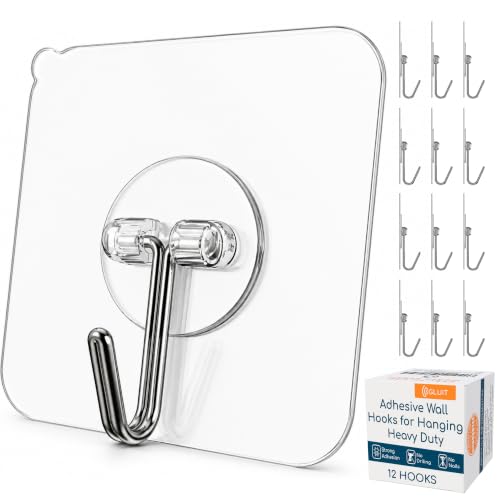
The best adhesive hooks for walls solve a simple problem: you want to hang something without drilling holes, patching plaster, or risking a deposit. They work well for coats, towels, keys, light decor, and cables, but they fail when the weight, the surface, or the hook style does not match the job. This guide explains how to judge weight ratings, surfaces, and hook designs, so you can choose with confidence and see which options fit your home in the product table.
Start with the item you plan to hang and the wall you plan to hang it on, because those two facts drive almost every other choice. A smooth painted wall, a tile wall, and a textured wall each suit different adhesives, and a damp bathroom needs a different hook from a dry hallway.


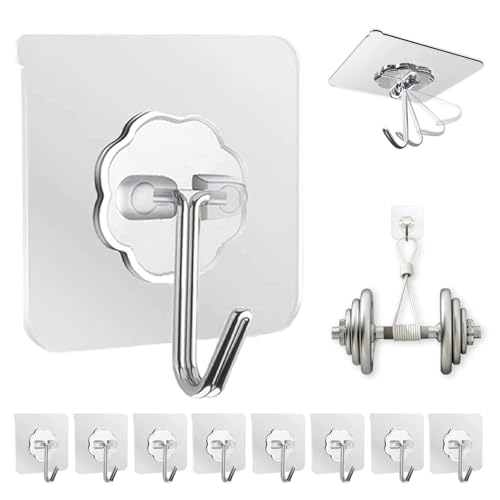
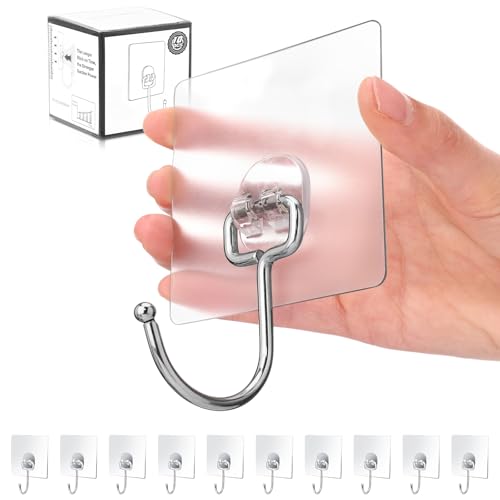
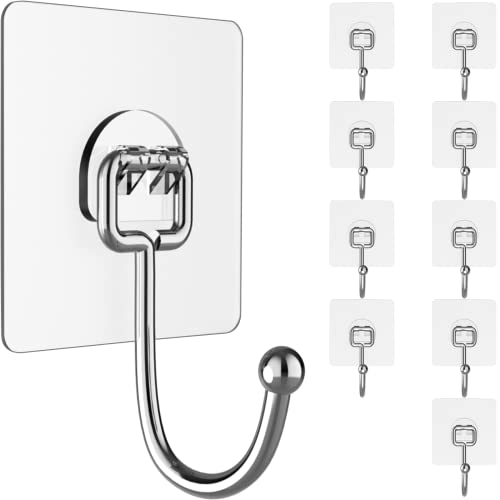
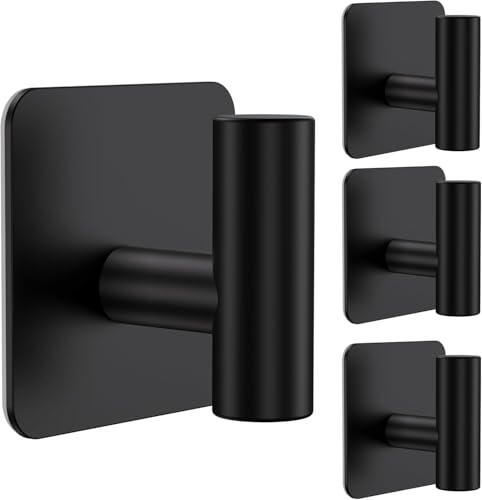
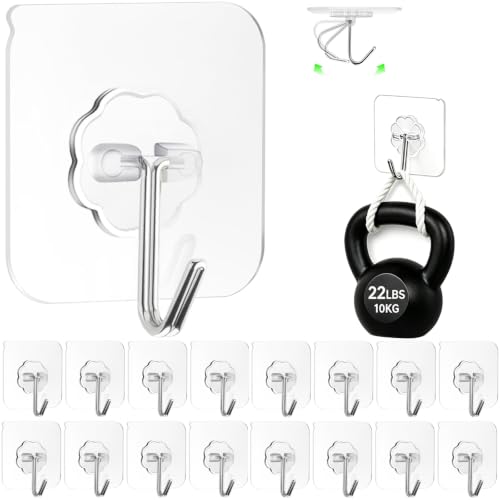
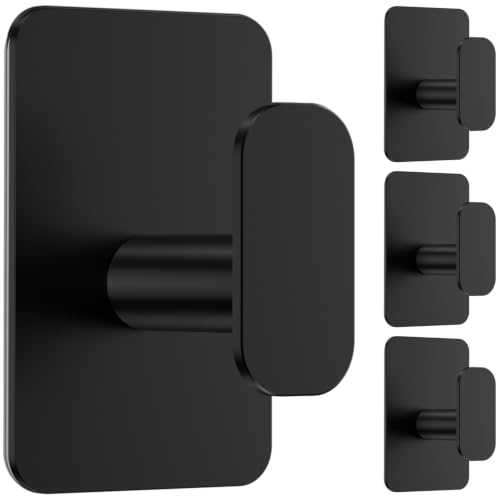
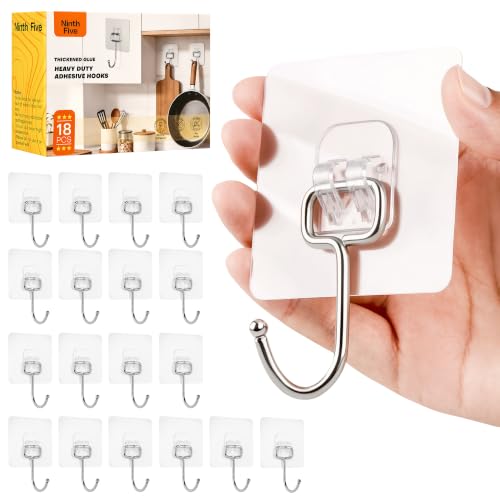
Spending Level Guidance
Use these spending levels to judge what each price band typically buys, rather than treating price as a proxy for quality. A higher price should buy a clear benefit, such as a higher weight rating or a cleaner removal. Count the hooks you actually need before you compare pack prices.
Lower Spending: Light Loads and Short Term Hanging
At about $5 to $12 for a small pack, expect simple plastic hooks rated for a few pounds each, suited to keys, light towels, and small decor. These hooks work best on smooth, clean surfaces in dry rooms, and they suit renters who need a quick, low cost fix. Their limits show up with heavier items, textured walls, and damp rooms, where the bond can weaken over time.
Middle Spending: Everyday Household Use
At about $12 to $25, you will often find stronger hooks with better adhesive pads, metal or sturdy plastic bodies, and clearer weight ratings per hook. This level suits coats, bathrobes, bags, and medium decor in kitchens, hallways, and bedrooms. Removal is usually cleaner in this band when the instructions are followed.
Higher Spending: Heavy Loads and Demanding Rooms
At about $25 to $45, expect heavy duty hooks with higher weight ratings, stainless or coated metal bodies, and adhesives made for tile, glass, and other smooth hard surfaces. This level suits entryways with heavy coats and bags, bathrooms with wet towels, and kitchens where steam and heat strain the bond. Check the rating per hook rather than the pack total.
How to Choose the Best Adhesive Hooks for Walls
The factors below matter in different ways for different rooms, so read them against your own wall and load. A hook that is perfect for a tiled bathroom may be wrong for a painted bedroom wall, and a hook rated for a heavy coat may be overkill for keys.
Features That Matter for Walls
Walls ask more of an adhesive hook than a door or a cabinet does, because the surface varies and the hook must hold for months without support from below. Look for an adhesive pad sized to the load, a hook shape that keeps the item close to the wall, and a backing that seals fully against the surface. A hook that rocks or gaps at the edges will peel sooner, especially in a room with temperature swings.
Intended Use and Who It Is For
Renters benefit most from hooks that remove cleanly, since a damaged wall can cost part of a deposit. Families with children need hooks placed out of reach of small hands, with rounded edges and no small parts that can break off. A busy entryway needs hooks that survive daily tugs from coats and bags. Define your main use first, then let it narrow the field.
Key Performance Specs
The weight rating per hook is the single most important number, and it should be stated clearly for each hook, not just for the pack as a whole. Treat the rating as a maximum under ideal conditions, and keep everyday loads at about half to two thirds of the rated figure for a margin. Also check the temperature range, since a hook rated for a dry hallway may weaken in a steamy bathroom.
Price vs Value
Compare price per hook at the same weight rating, not pack price alone, because packs vary widely in count and strength. A cheap pack of twelve light hooks costs more per useful hook than a smaller pack of strong ones if half the cheap hooks fail. Set a budget based on the heaviest item you plan to hang, then buy the lowest level that covers it.
Ease of Use and Setup
Good setup takes minutes but rewards patience, because adhesive needs a clean surface and time to cure before it bears weight. Clean the wall with rubbing alcohol or a maker recommended cleaner, let it dry fully, and press the hook firmly for the time stated in the instructions. Wait the full curing time, often 24 hours, before hanging anything, even if the hook feels solid right away.
Maintenance and Long Term Costs
Adhesive hooks need little maintenance, but they do need periodic checks, especially in bathrooms and kitchens where moisture and heat age the bond. Inspect hooks monthly for edge lifting or tilting, and replace any hook that shows those signs before it drops its load. Replacement strips cost less than new hooks, so check whether refills are available for the style you buy.
Types of Adhesive Hooks
Hook styles differ mainly in how they attach, how they hold, and how they come off, so match the style to the room and the load.
Budget Options
Budget hooks use simple plastic bodies and basic adhesive pads, and they suit light items on smooth walls in dry rooms. Their strengths are low cost and easy availability, while their limits are lower weight ratings and weaker performance on textured or damp surfaces. Choose this type for keys, small decor, and temporary hanging where a fall would be harmless. For heavier items, see our guide to the best heavy duty adhesive wall hooks.
Mid Range Options
Mid range hooks offer stronger adhesive, sturdier bodies, and clearer per hook ratings, which makes them the default choice for most rooms. They handle coats, towels, and medium decor well, and many remove cleanly when the instructions are followed. For kitchen cloths in particular, our guide to the best kitchen towel hooks goes deeper. Their main limit is surface fit, since they still struggle on heavily textured walls.
Compact Options
Compact hooks use a small footprint and a low profile, which suits tight spaces such as the side of a cabinet, a narrow hallway, or behind a door. Their strengths are discretion and easy placement, while their limits are lower weight ratings and a smaller adhesive area. Do not ask a compact hook to carry a heavy coat, since the small pad cannot support that load for long.
Premium Options
Premium hooks use metal bodies, stronger adhesives, and finishes that suit visible rooms such as entryways and bathrooms. Their strengths are higher weight ratings and better moisture resistance, while their limits are higher cost and a need for a smooth, well prepared surface. On rough masonry, an adhesive made for that surface matters more than the hook body, so see our guide to the best concrete adhesive before you commit to a heavy load on concrete.
How to Make Your Adhesive Hook Last Longer
A few habits extend the life of any adhesive hook well beyond the first month, and most of them cost nothing but a little patience. Follow the maker instructions before first use, since each adhesive type has its own cleaning and curing steps. Clean and inspect hooks regularly, and replace any hook whose edges have started to lift.
Keep spare strips in a dry place, since damp storage weakens adhesive before it ever reaches the wall. Keep the instructions so you can follow the removal steps when moving day comes.
Frequently Asked Questions
What features matter most in adhesive hooks for walls?
The weight rating per hook matters most, followed by surface compatibility and clean removal. A hook rated for the load on a smooth wall may still fail on a textured wall, so check both figures before you buy. Hook shape matters too, since a hook that holds the item close to the wall puts less peel force on the adhesive.
Are expensive adhesive hooks worth it?
Expensive hooks are worth it when the load is heavy, the room is damp, or the hook must stay up for years. For light items on smooth walls in dry rooms, a cheaper hook performs just as well and costs less per hook. Match the price level to the heaviest item and the hardest room, and spend more only where those demands justify it.
How long does an adhesive hook last?
A well chosen hook on a clean, suitable surface can last for years, while a mismatched hook may fail within weeks. Moisture, heat, and repeated tugging shorten life most, which is why bathroom and entryway hooks need more frequent checks. When you remove a hook, follow the maker steps slowly to avoid paint damage, and see our guide to the best adhesive caulk if you need a sealant rather than a hook.
How much should I spend on an adhesive hook?
For light items, about $5 to $12 for a small pack is enough, while everyday household use usually costs about $12 to $25. Heavy loads and demanding rooms push the figure to about $25 to $45, especially for metal hooks with moisture resistant adhesive. Compare price per hook at the same weight rating, since pack sizes vary.
How do I maintain an adhesive hook?
Maintenance is simple: inspect hooks monthly, wipe the hook body clean, and check for edge lifting or tilting. Replace any hook that shows those warning signs before it fails, and keep the wall area dry where possible. When moving, remove hooks slowly following the maker instructions, and clean any residue with a gentle cleaner.
Our Verdict
Start with the heaviest item and the hardest wall, then choose the lowest spending level that covers both. The best adhesive hooks for walls earn their place when the per hook rating exceeds your load with margin, the adhesive suits your surface, and removal will not damage the wall. Check the product table above against those three tests, and you will end up with hooks that stay up and come down cleanly when you need them to.