Best Shoe Racks for Every Entryway and Closet
Disclosure: We may earn a commission when you buy through links on this page, at no extra cost to you. As an Amazon Associate I earn from qualifying purchases. Learn more
A guide to the best shoe racks, covering rack types, capacity planning, and where each style works best.
Shoes pile up by the door faster than almost anything else in a home, and a single mat rarely keeps up for long. A dedicated rack keeps pairs organized, protects floors from dirt and moisture, and makes it easier to find a matching pair on your way out. Finding the best shoe racks for your household depends on how many pairs you own, where the rack will live, and whether you want it fully visible or tucked out of sight. A family of four with growing kids needs very different capacity than someone living alone in a studio apartment. This guide covers the practical side of choosing a rack that fits your space and actually gets used.
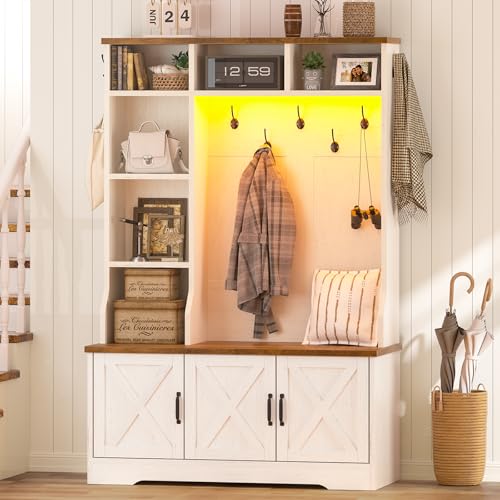

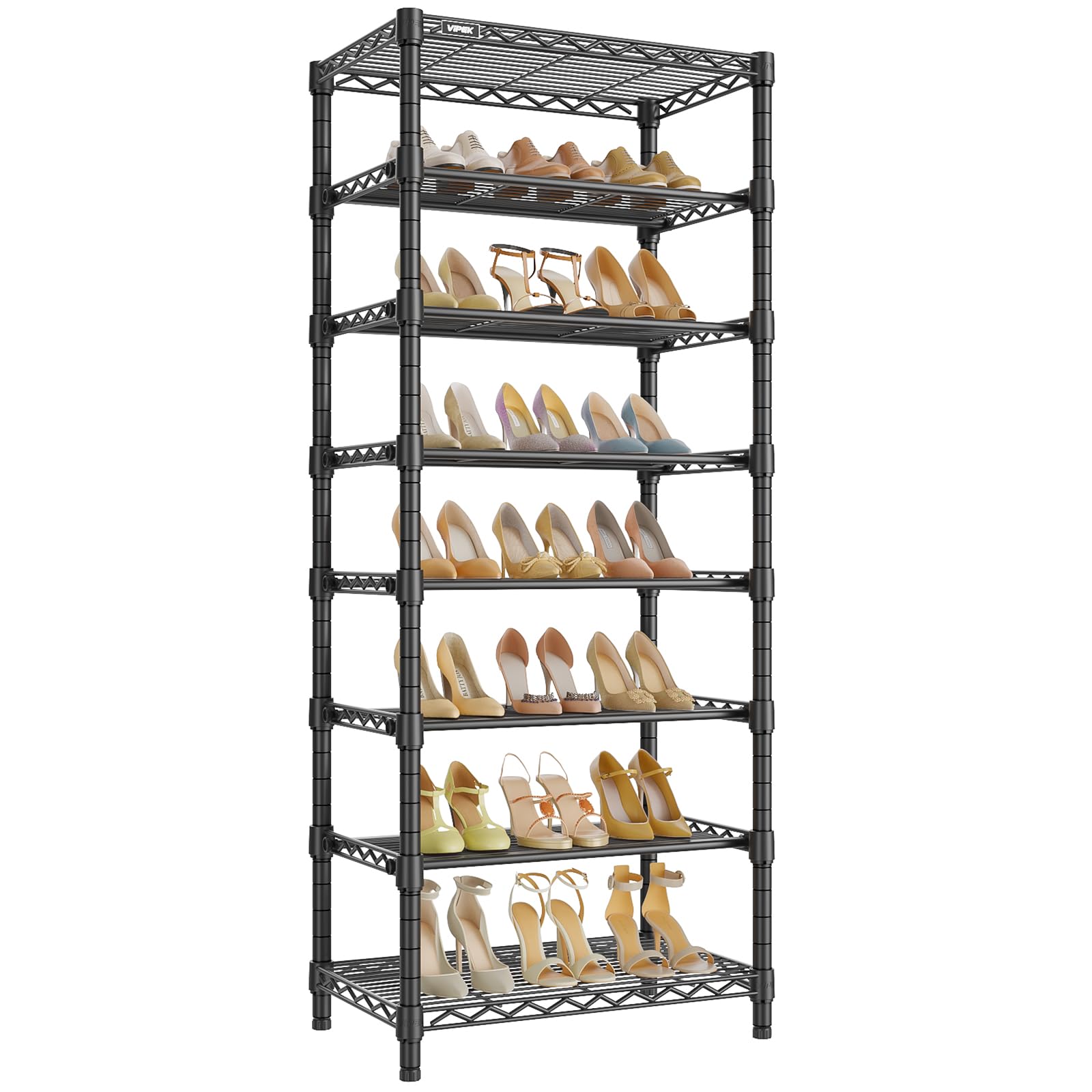


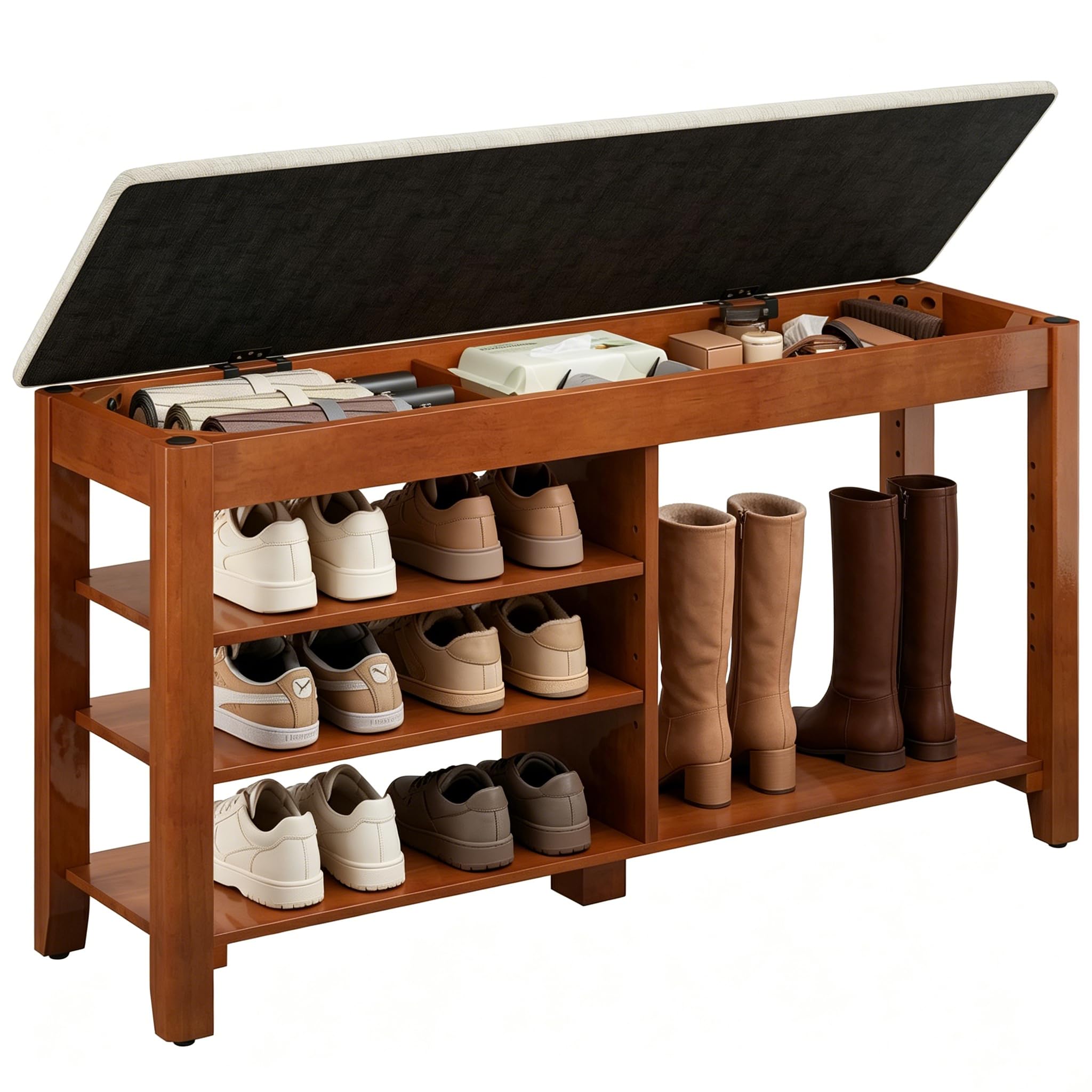

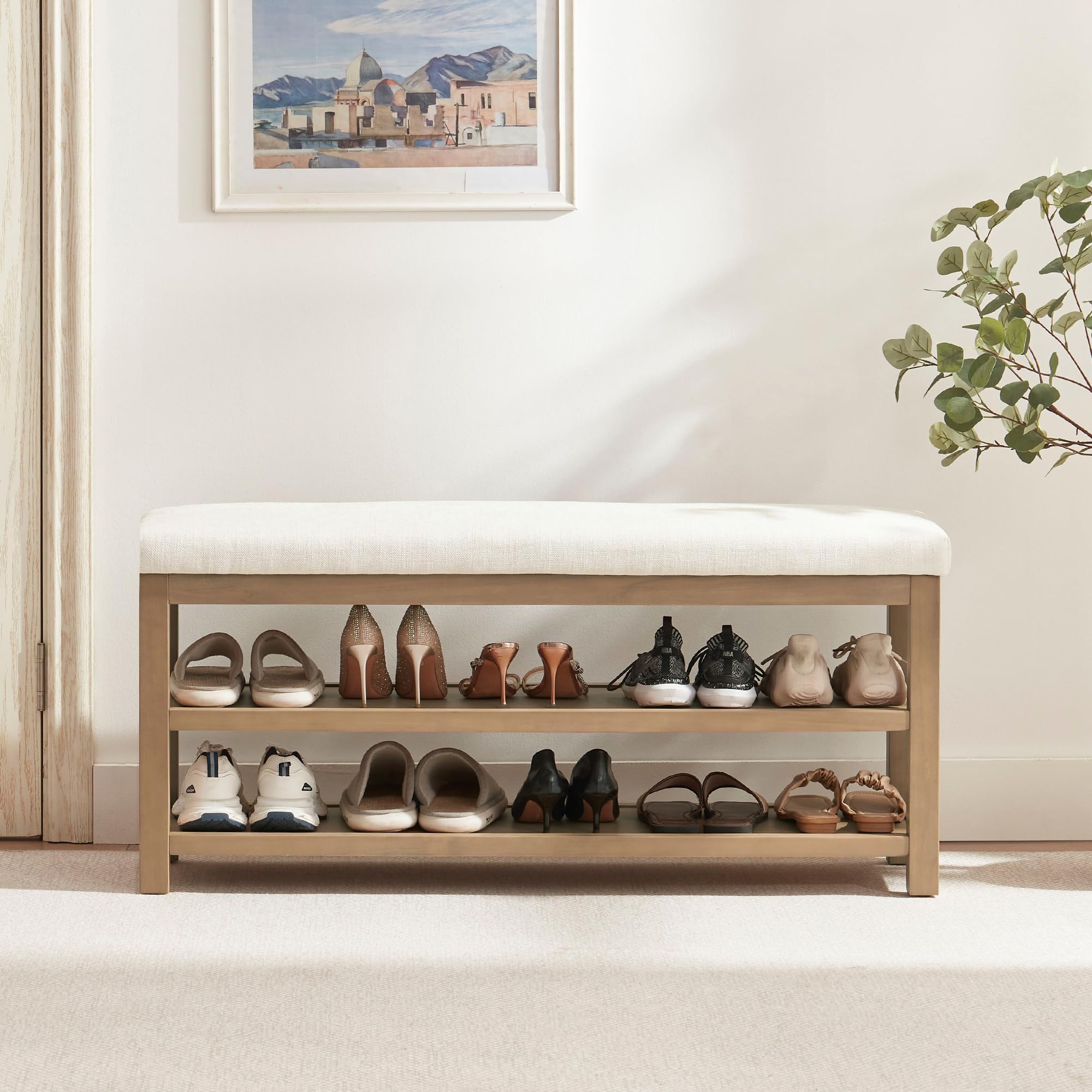


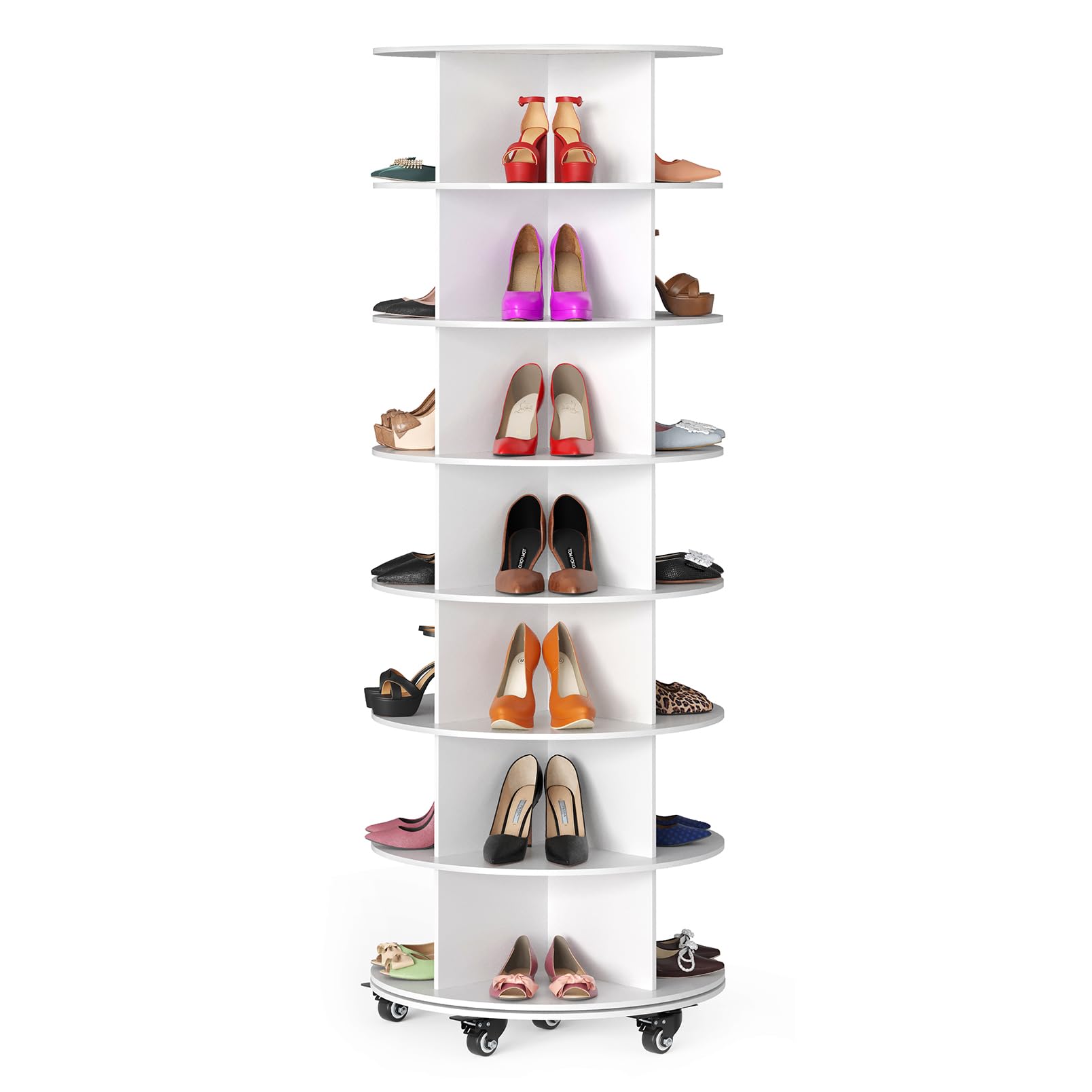
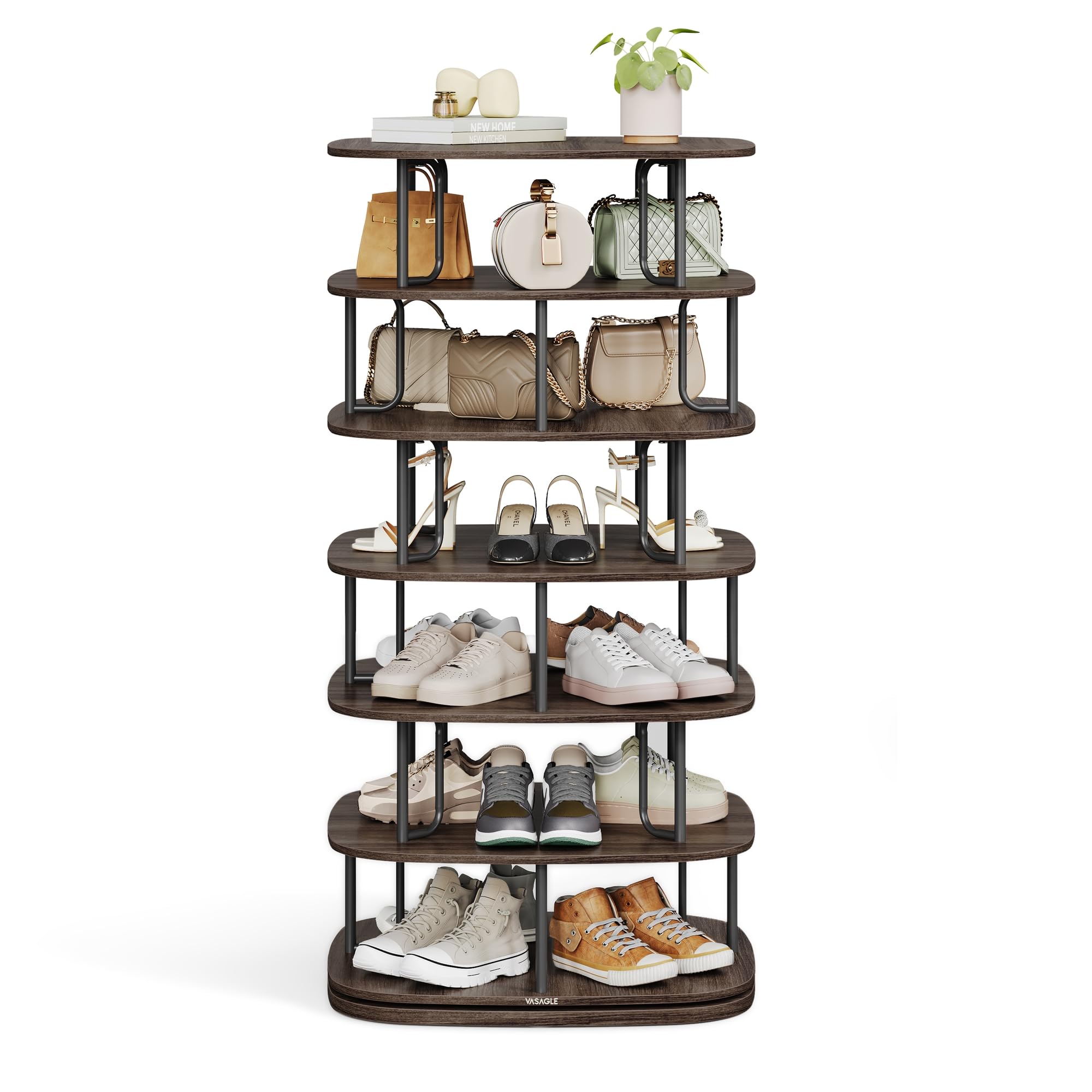
Tiered, Bench, Cabinet, and Over-the-Door Racks Compared
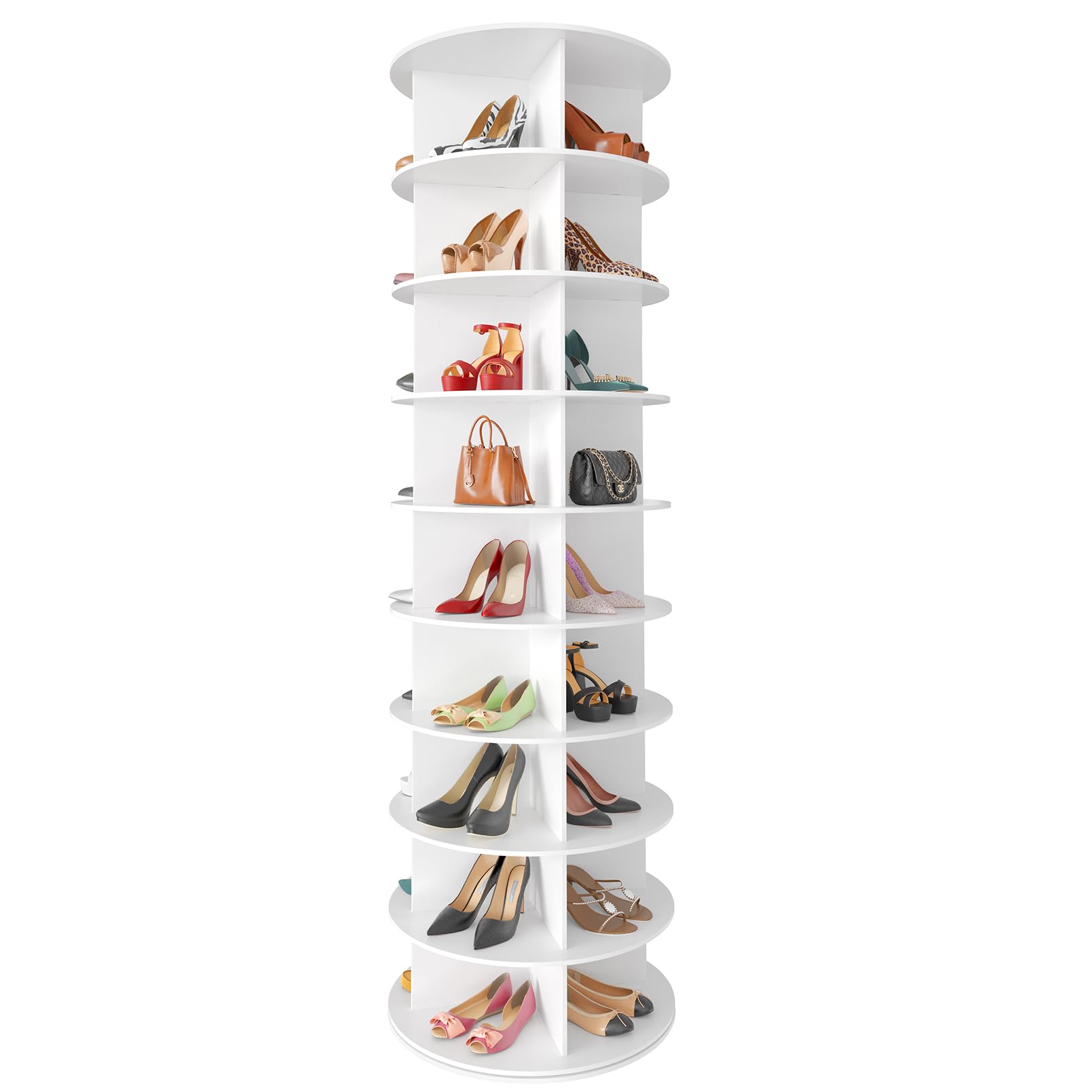
Tiered wire or shelf racks are the most common style, stacking two to four angled or flat shelves so pairs sit visible and easy to grab. They're the most affordable option and work well in a closet or garage where appearance matters less than access.
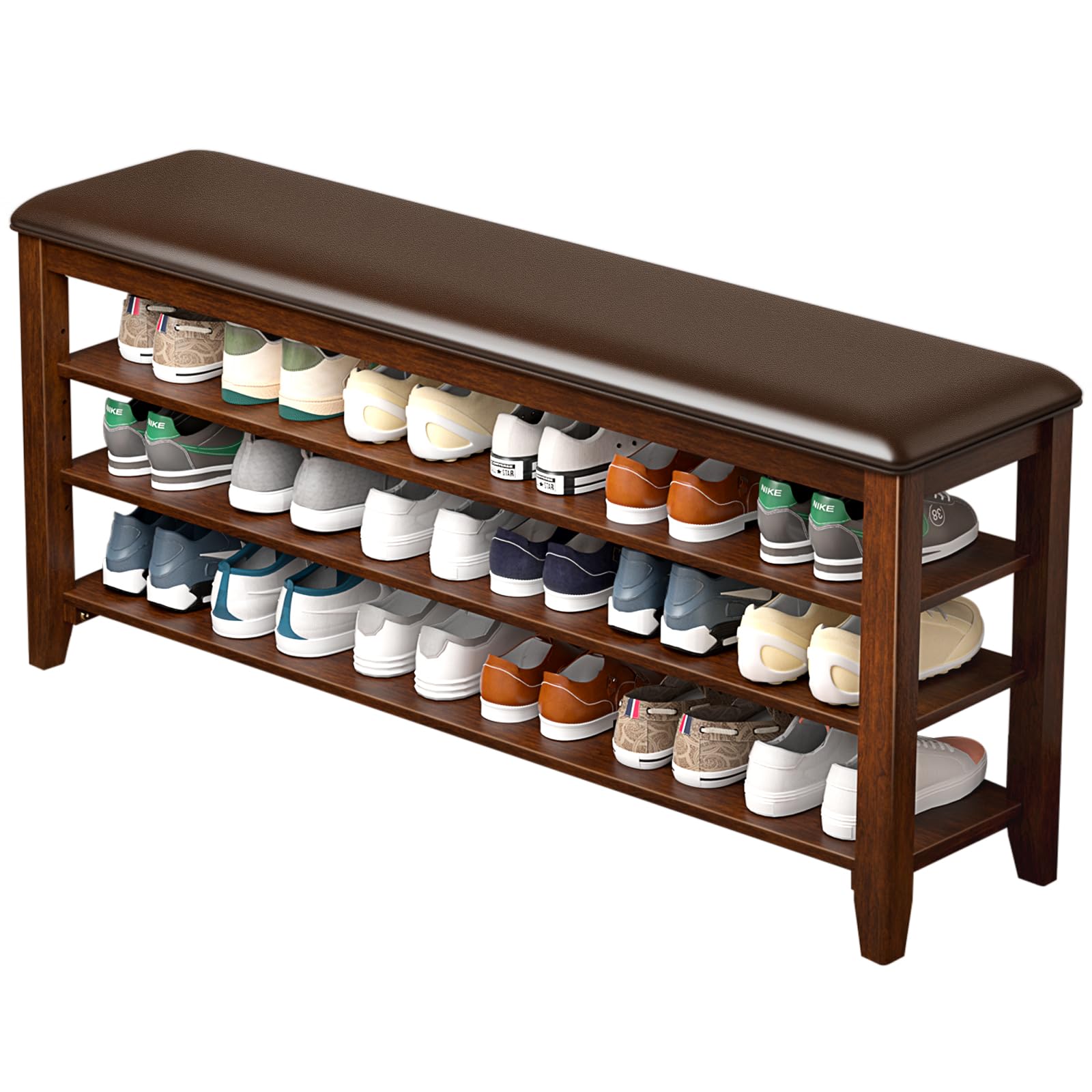
Shoe storage benches combine a padded seat with shelving or cubbies underneath, giving you somewhere to sit while putting shoes on in addition to storage, which makes them a strong fit for a mudroom or entryway with the space to spare. Closed cabinets hide shoes behind doors entirely, keeping an entryway looking tidy and cutting down on dust and odor exposure, though they typically hold fewer pairs per square foot than open shelving. Over-the-door racks use vertical space that would otherwise go to waste, making them a good supplemental option for a bedroom closet rather than a household's primary shoe storage.
How Many Pairs Your Rack Actually Needs to Hold
Count your household's shoes honestly before shopping, including seasonal boots, sandals, and pairs that live in a car or gym bag half the time. A single adult typically needs room for 10 to 15 pairs, while a family of four often needs capacity for 30 to 40 pairs once kids' shoes and seasonal rotation are factored in.
Shelf spacing matters as much as total capacity. Sneakers and flats need roughly 6 inches of vertical clearance per shelf, while boots need 12 inches or more, so a rack with fixed, narrow shelving may fit fewer usable pairs than its listed capacity suggests. Adjustable-height shelves solve this by letting you customize spacing for a mixed household of sneakers, heels, and boots. Buying slightly more capacity than your current shoe count, roughly 20 percent extra, is really the goal when comparing the best shoe racks side by side.
Where a Shoe Rack Works Best in Your Home
Entryways see the heaviest daily use, so a rack there should prioritize quick, low-effort access over hidden storage; open shelving or a bench-style rack works better than a closed cabinet you have to open every time you walk in. Mudrooms can handle bulkier options since they're often designed around wet or muddy footwear, so a rack with a drip tray or moisture-resistant material is worth prioritizing there.
Closets are the place for less frequently worn shoes, like dress shoes or off-season boots, where an over-the-door or stackable rack maximizes floor space that's already limited. Garages work well for outdoor or work shoes that track in dirt, since a garage rack doesn't need to look as polished as one near the front door. Matching the rack's style and function to its specific location keeps the household actually using it instead of leaving shoes on the floor beside it.
What to Look for Before You Buy
Stability is the first thing to check, especially for taller tiered racks; a narrow base with a lot of height can tip when someone reaches for a top shelf, so look for a wide footprint or wall-anchoring hardware on anything over three feet tall. Weight capacity per shelf matters too, particularly for boots or heavier athletic shoes that can bend thin wire shelving over time.
Material affects where a rack belongs. Metal and plastic resist moisture better than wood, making them a better fit for entryways or mudrooms exposed to wet shoes, while wood or laminate cabinets suit drier closets and look more finished in a main living space. Ventilation is worth considering as well, since fully enclosed cabinets can trap moisture and odor if shoes go in damp, while open shelving or slatted cabinet doors let air circulate and shoes dry out between wears.
What Different Types of Shoe Racks Typically Cost
Cost tends to track closely with material and capacity rather than brand. Basic wire or plastic tiered racks sit at the lower end of the market and represent a reasonable starting point for anyone who just needs a few pairs off the floor without a big investment. Fabric or canvas-shelf organizers cost slightly more but fold flat for storage, which suits renters or anyone who moves often.
Wood cabinets and shoe storage benches cost more upfront because of the materials and construction involved, but they double as furniture, which can offset the higher cost if you'd otherwise be buying a bench or console table separately anyway. Custom built-in shoe storage, installed as part of a closet or mudroom renovation, sits at the top of the range but adds real home value. Whichever category you land in, the best shoe racks are the ones sized to your actual shoe count and built for where they'll sit.
Shoe Rack Questions People Ask Most
How many pairs of shoes fit on a standard tiered rack?
A typical four-tier wire rack holds 12 to 16 pairs, depending on shoe size. Boots and bulky sneakers reduce that number since they need more vertical clearance per shelf.
Are shoe racks or shoe cabinets better for small entryways?
Shoe cabinets save visual space by hiding shoes behind doors, which helps a small entryway feel less cluttered, though open racks generally hold more pairs in the same footprint.
Do shoe racks need to be anchored to the wall?
Taller, narrow racks benefit from anchoring, especially in homes with kids or pets. A wide, low base is inherently more stable and may not need anchoring at all.
What's the best shoe rack material for a mudroom?
Metal or plastic handles moisture and mud better than wood or fabric. Look for a rack with a drip tray or slatted shelves that let water drain and shoes dry faster.
Can a shoe bench double as regular seating?
Yes, most shoe storage benches are built to handle regular sitting weight, making them useful for putting on or removing shoes without needing separate entryway seating.
How much extra capacity should I buy beyond my current shoe count?
Around 20 percent more than what you currently own is a reasonable buffer, accounting for seasonal shoes, new purchases, and growing kids' feet.
Keeping Shoes Off the Floor for Good
A shoe rack only works if it matches how your household actually comes and goes each day. Start with an honest count of your shoes, pick a type suited to the room it'll live in, and prioritize stability and shelf spacing over how many pairs the box claims it holds.
Get those basics right, and the best shoe racks stop being just another piece of furniture and start being the thing that finally keeps shoes from piling up by the door. A little planning upfront saves you from outgrowing the rack within the first year.
Related reading: best airtight pantry storage containers and best closet organizers.