
Best Kitchen Towel Hooks: The Complete Buying Guide
Disclosure: We may earn a commission when you buy through links on this page, at no extra cost to you. As an Amazon Associate I earn from qualifying purchases. Learn more

Nothing derails a kitchen routine like reaching for a dish towel and finding it crumpled on the floor again. A hook that constantly loses its grip, or one that was never rated to hold a wet towel in the first place, turns a five-second habit into a daily annoyance. Finding the best kitchen towel hooks for your space means matching the mounting method to your wall or cabinet, choosing a material that shrugs off steam and grease, and picking a hook shape that actually keeps the towel where you put it. In this guide, you'll learn how to pick the right mounting type, which materials hold up best in a kitchen environment, and where to place your hook so it earns its spot.


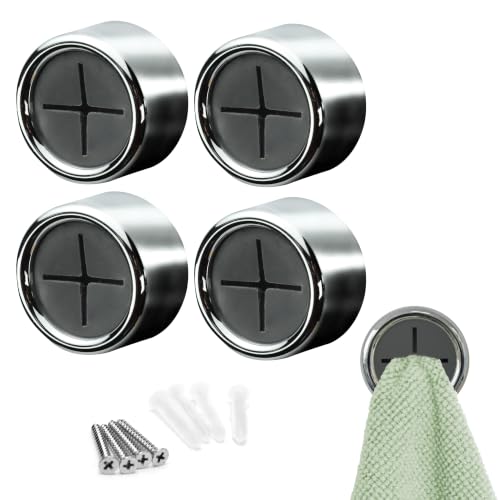
Mounting Method: What Actually Works for Your Kitchen
The single biggest factor in whether a hook lasts is how it attaches to your kitchen. Get the mounting method wrong for your surface or living situation, and even a well-made hook will eventually let you down. That's why mounting method should be the first thing you evaluate when comparing the best kitchen towel hooks for your space, well before you think about color or finish.
Adhesive and Suction Hooks for Damage-Free Walls
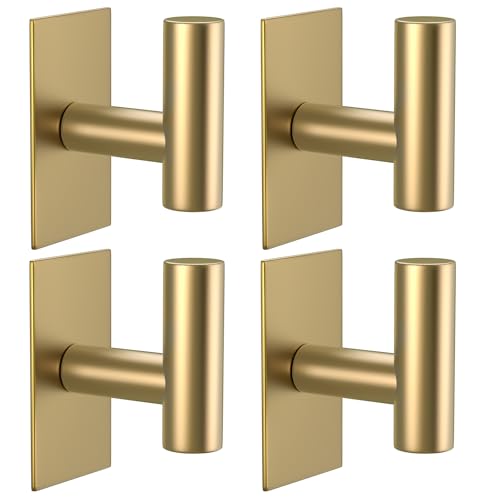
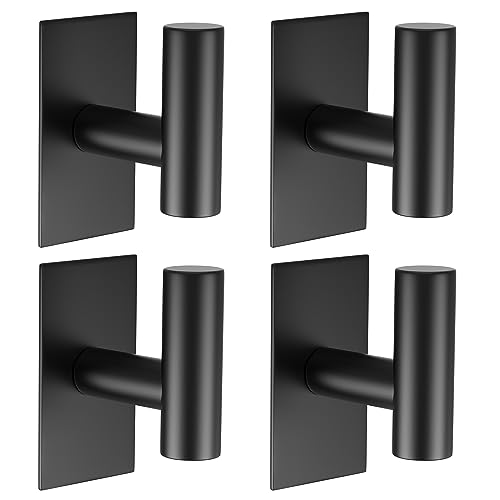
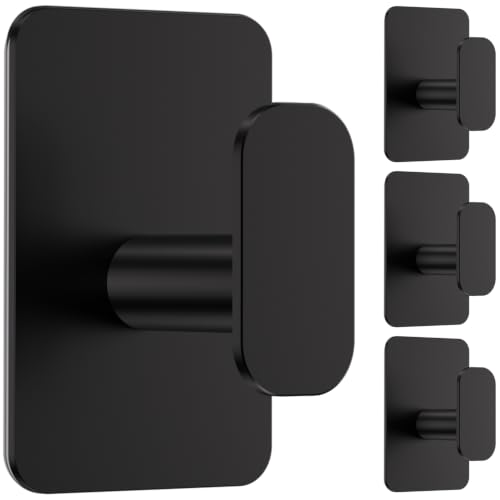
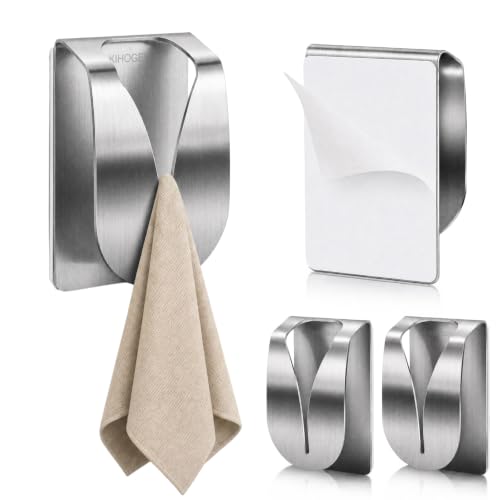
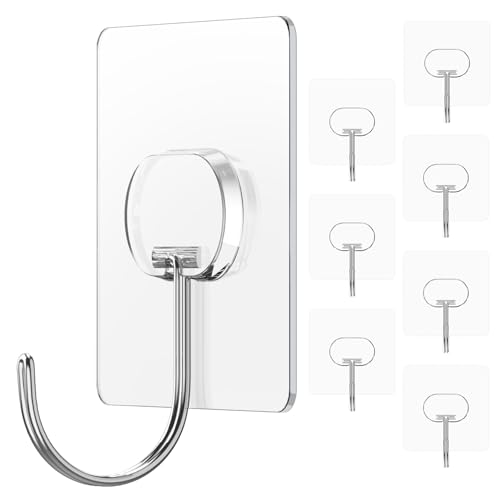
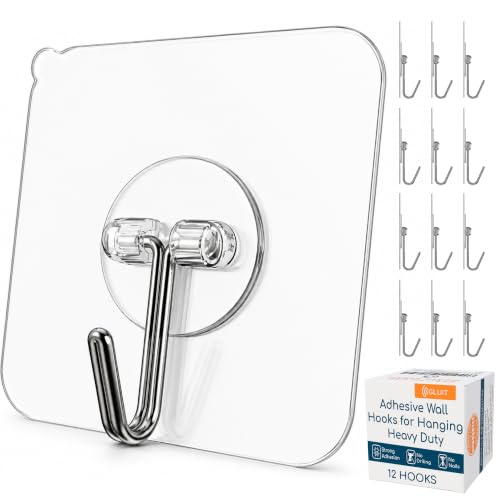
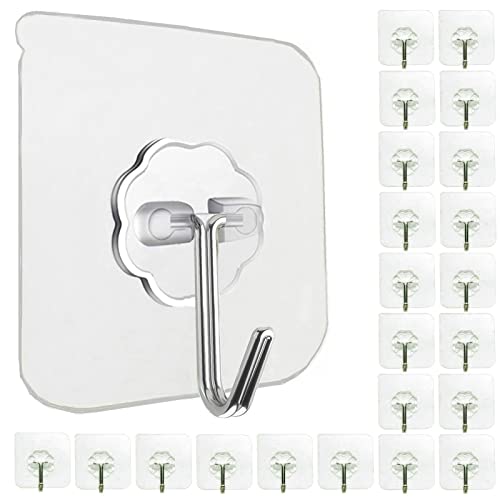
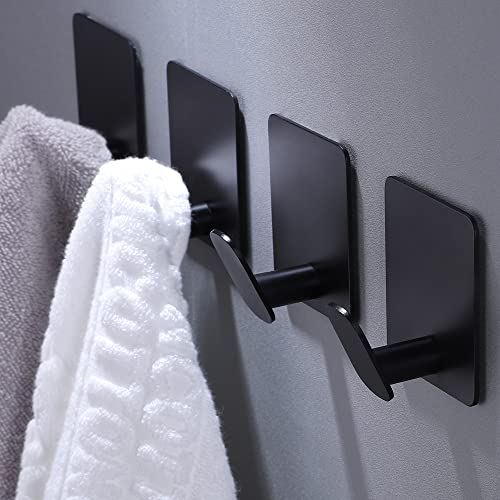
Adhesive towel hooks stick with strong industrial-grade tape and work well on tile, painted drywall, glass, and other smooth, flat surfaces. The catch is surface prep. Grease and dust are common in kitchens, and both weaken adhesive bonds fast. Wipe the mounting spot with rubbing alcohol, let it dry fully, then press the hook firmly for the full time listed on the packaging. Suction cup hooks work on a similar principle but rely on an airtight seal, so they're best kept for tile or glass backsplashes rather than textured walls.
Over-Cabinet-Door Hooks for Renters Who Can't Drill
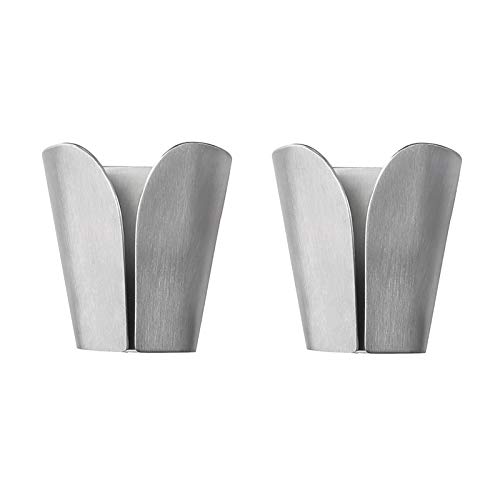
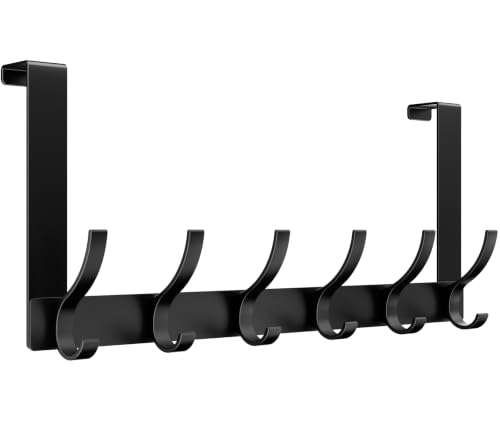
If drilling into cabinets or walls isn't an option, an over-cabinet-door hook is worth a look. These clip over the top edge of a cabinet door, usually up to about 0.8 inches thick, and stay in place through friction and a padded lining rather than adhesive or screws. They're removable without leaving a trace, which makes them a favorite for renters worried about a damage deposit.
Screw-In Hooks for Long-Term, Heavier-Duty Holding
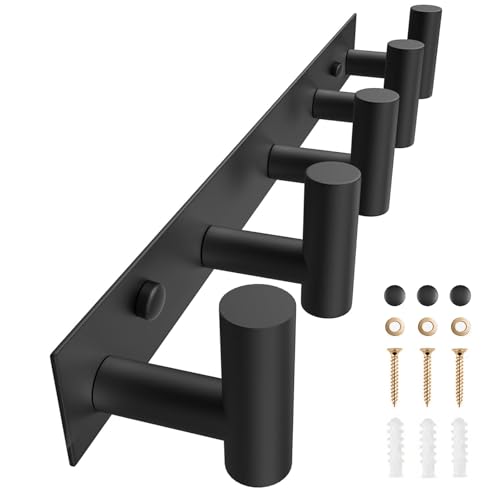
For a permanent installation that can carry more than a towel, a screw-in hook with a wall anchor is still the most reliable option. It takes a few extra minutes and a drill, but it won't loosen the way adhesive can over months of steam and temperature swings near a stove or sink. If you own your home and want a hook that never needs re-sticking, this is the method worth the extra effort.
Material and Finish That Hold Up to Kitchen Moisture
Kitchens are one of the harshest environments in a home for metal hardware, thanks to steam, splashes, and grease. The material behind the finish matters more than most shoppers realize, and it's often what separates the best kitchen towel hooks from ones that look fine in a listing photo but corrode within a season.
Why Stainless Steel Outperforms Plated Finishes
A stainless steel towel hook, particularly 304 or 316 grade, resists rust and corrosion on its own rather than relying on a surface coating. Plated finishes over a base metal like zinc or brass look similar at first, but the plating sits on top like a thin skin. Once it chips or wears at the hook's bend point, the base metal underneath is exposed and can start rusting within weeks in a humid kitchen.
Powder Coating and Other Extra Protection
Powder-coated hooks add a baked-on layer that resists scratches and moisture better than standard paint, and they're a reasonable middle ground if solid stainless steel isn't available in the style you want. Matte black and brushed finishes also tend to hide water spots and fingerprints better than polished chrome, which shows every smudge under kitchen lighting. It's worth checking product descriptions closely, since two hooks that look identical in a photo can be built from very different base metals underneath the coating.
Hook Design That Keeps a Wet Towel From Sliding Off
A hook can be perfectly installed and still fail at its one job if the shape isn't right for a folded, damp towel. This is one area where even well-reviewed, high-rated hooks can disappoint once you actually try to hang a heavy, wet towel on them day after day.
Single vs Double Hooks
A single hook works fine for a lightweight towel folded in half, but anything heavier, or a towel folded in thirds, tends to slide off the tip. A double hook, or a hook with a slight upward curve at the end, gives the fabric more surface area to catch on and noticeably cuts down on towels ending up on the counter.
Weight and Load Rating to Expect
Most kitchen towel hooks are rated to hold a few pounds, and utility-style hooks can often support up to around 5 pounds, which comfortably covers a soaked towel plus the occasional oven mitt or small pot holder. If you plan to hang anything heavier on the same hook, size up to a screw-in model rather than pushing an adhesive hook past its rating. Keep in mind that a fully soaked towel weighs noticeably more than a dry one, so it's smart to buy a hook rated well above what a dry towel alone would suggest.
Where to Place It for Easy, Everyday Use
Placement is one of the most overlooked factors when shopping for the best kitchen towel hooks, but it directly affects how often you actually use the hook instead of draping the towel over the oven handle out of habit. The side of a cabinet next to the sink keeps the towel within arm's reach for drying hands mid-task, while a spot on the backsplash works if you'd rather keep it visible but out of the main workspace. Avoid placing a hook directly above the stove, where heat and splatter shorten the life of both the towel and the adhesive or finish.
It's also worth thinking about the hook alongside the rest of your drying setup. Many kitchens pair a towel hook near the sink with a dish drying mat on the counter, and a nearby paper towel holder for spills that a cloth towel shouldn't handle. Grouping these together keeps cleanup within one small zone instead of scattered across the kitchen, and it saves you from walking across the room every time something spills.
If your kitchen has more than one work zone, such as a prep island separate from the sink, it can be worth installing a second hook rather than relying on one towel to cover both areas. A short walk to grab a shared towel is a small thing, but it adds up over the course of a busy dinner, and it tends to be the reason people end up draping a second towel over an oven handle instead of buying another hook.
One more consideration worth a quick mention: a hook keeps a towel bunched into a small area, so it stays damp longer than a towel spread flat on a bar. If musty odors are a recurring issue in your kitchen, a wider double hook or a short bar-style option will let the towel dry faster between uses.
Frequently Asked Questions
Do adhesive kitchen towel hooks actually stay stuck?
They can, as long as the surface is clean, dry, and free of grease before you apply them. Most failures happen because the wall wasn't wiped down with rubbing alcohol first or the hook was used before the adhesive fully cured. Among the best kitchen towel hooks in this category, the ones with a longer cure-time recommendation tend to hold up the longest.
What is the best way to hang a kitchen towel so it doesn't fall off?
Fold the towel so more fabric loops over the hook rather than hanging from a thin edge, and choose a hook with some depth or a slight curve rather than a flat, shallow peg. A double hook spreads the weight and reduces slipping even further.
Are stainless steel hooks better than brass for a kitchen?
Solid stainless steel, especially 304 or 316 grade, holds up better in a kitchen's steam and humidity than a brass-plated finish over a different base metal. Plating can chip and expose the metal underneath to rust over time, while solid stainless resists corrosion all the way through.
Can I install a towel hook without drilling into the wall or cabinet?
Yes. Adhesive hooks, suction cup hooks on tile or glass, and over-cabinet-door hooks all attach without any drilling or screws, making them good options for rented kitchens.
How much weight can a kitchen towel hook actually hold?
Weight ratings vary by hook, but many utility-style hooks support up to roughly 5 pounds, which is more than enough for a wet towel and a light kitchen tool. Always check the listed rating before hanging anything heavier.
Where is the best place to put a kitchen towel hook?
Near the sink is the most practical spot for everyday hand-drying, either on the side of a cabinet or on the backsplash. Keep it away from direct stove heat and splatter, which will wear down both the towel and the hook's finish faster. Testing a spot with a temporary adhesive hook first is a low-risk way to confirm placement before committing to one of the best kitchen towel hooks for a permanent install.
Do towel hooks or towel bars dry towels better?
Bars generally dry towels faster because the fabric hangs flat instead of bunching, but hooks take up far less space and are easier to install, especially without tools. If drying speed matters more than footprint, a short bar or a wide double hook is a reasonable middle ground.
The Bottom Line
The right kitchen towel hook comes down to three decisions: a mounting method that fits your wall, cabinet, or rental situation, a material that can handle steam and grease without corroding, and a hook shape that keeps a damp towel from sliding to the floor. That combination is really what separates the best kitchen towel hooks from the ones you'll be replacing in a few months. Get those three right, and the hook you choose will quietly do its job for years without another thought.