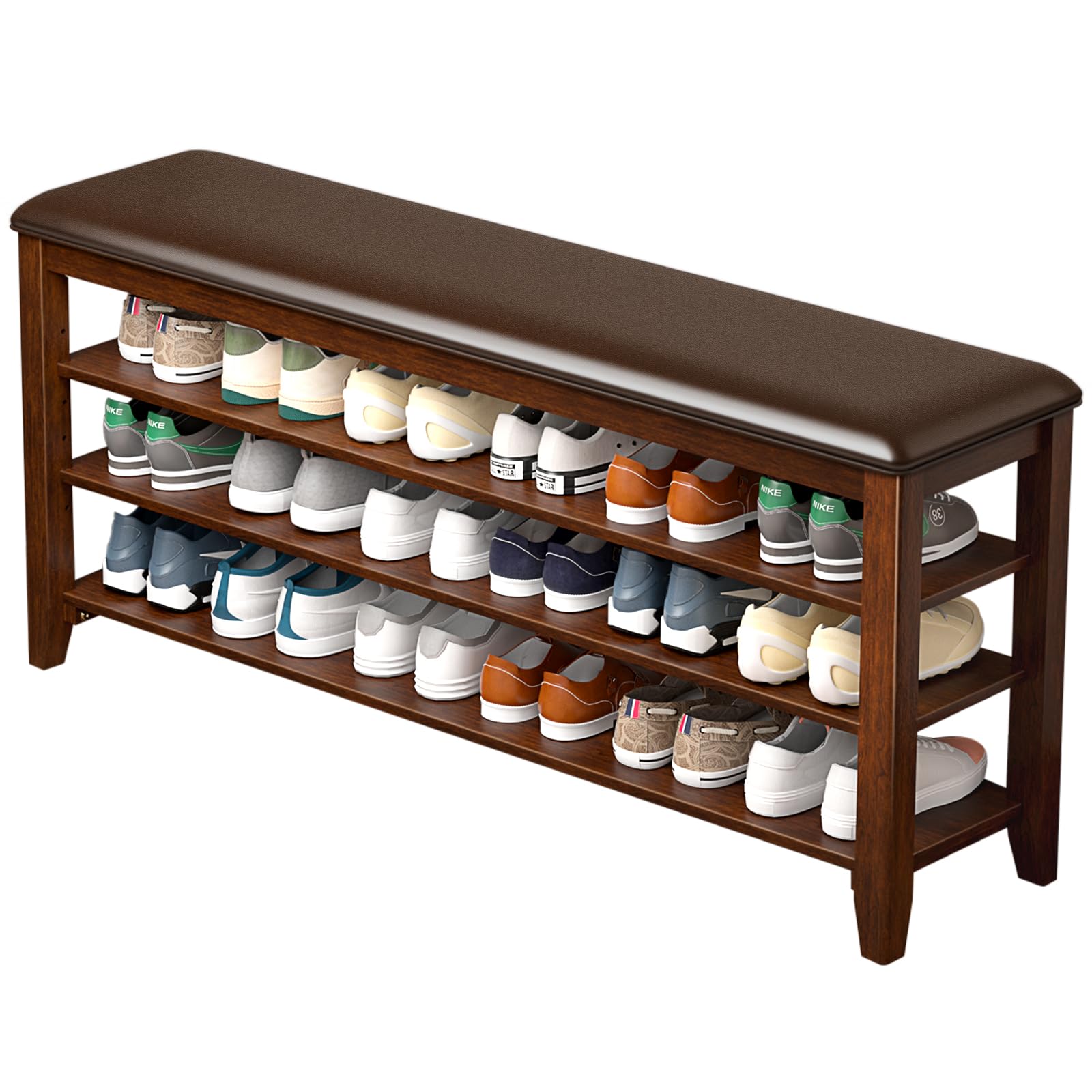
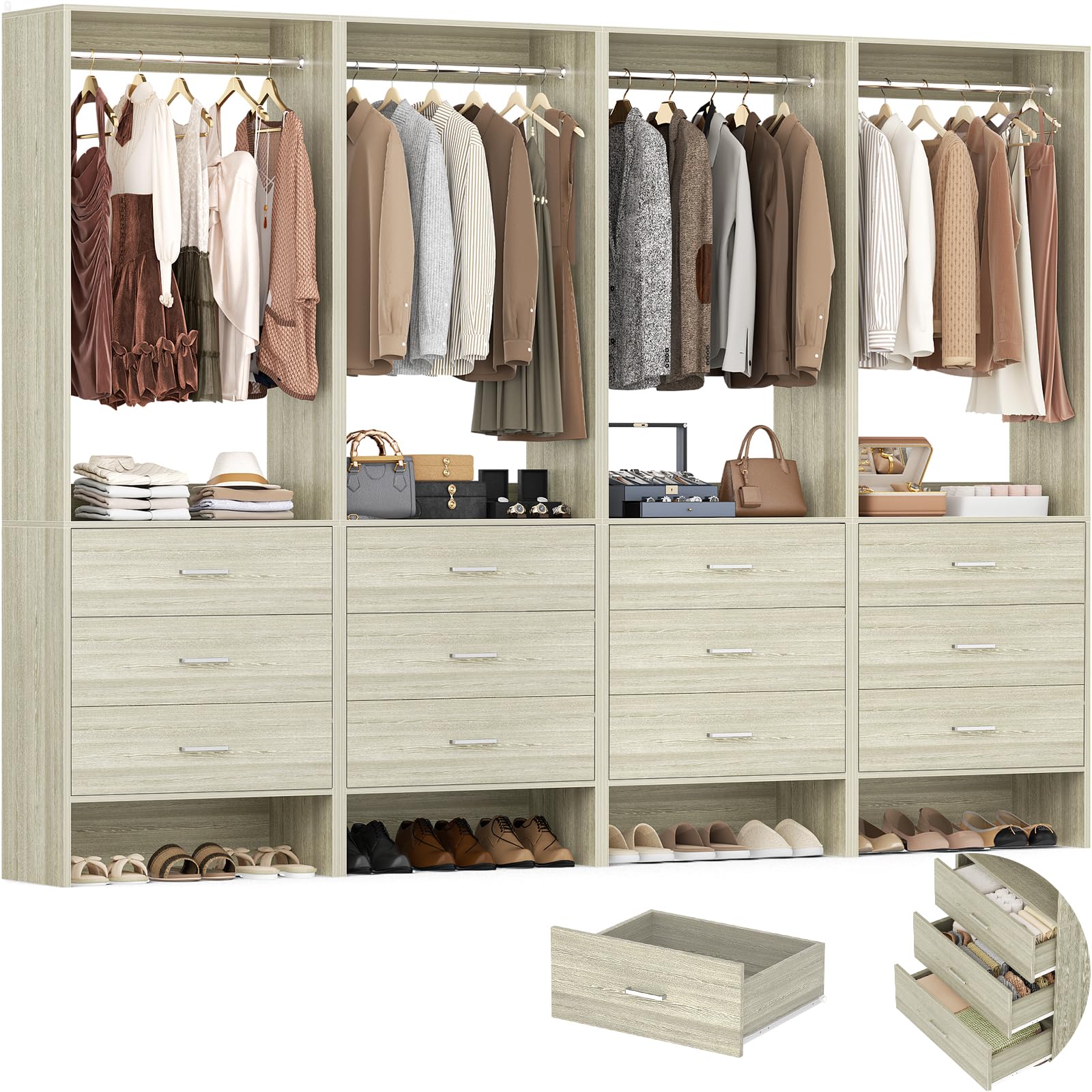
Best Affordable Cabinets in 2026: Which Type Is Right for You?
Disclosure: We may earn a commission when you buy through links on this page, at no extra cost to you. As an Amazon Associate I earn from qualifying purchases. Learn more
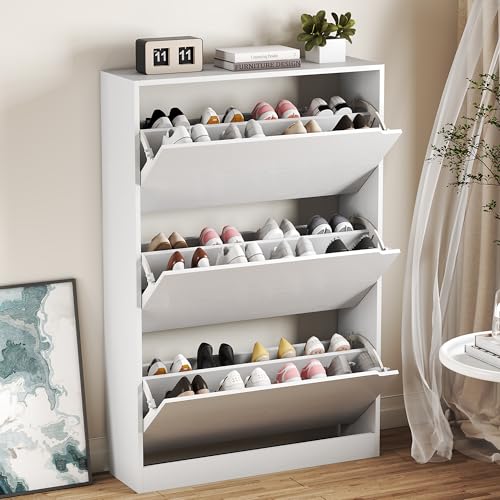
Best affordable cabinets compared by type, material and storage, so you can fit your room and your budget.
Shopping for best affordable cabinets can feel confusing because cabinets that look alike can differ a lot in material, construction and storage. Some are built for a small laundry room, others for a busy kitchen, and a few are best kept for light items in a spare room. This guide compares the main types side by side so you can see what each one does well and where it falls short.
The comparison table below gives a quick view of the types, and the sections that follow explain how to match a cabinet to your space, your storage needs and your budget. Think about what you will store, how often you will open the doors and how much weight the shelves must hold before you settle on a style.
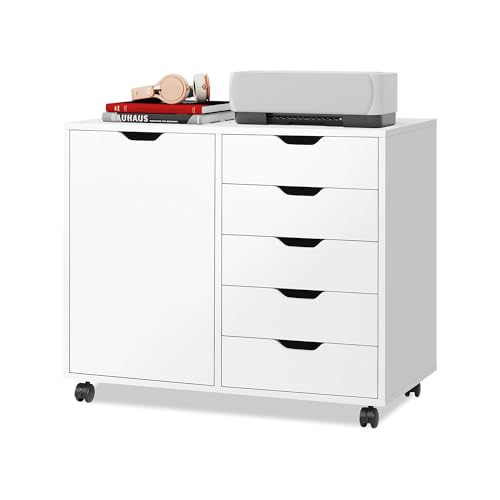
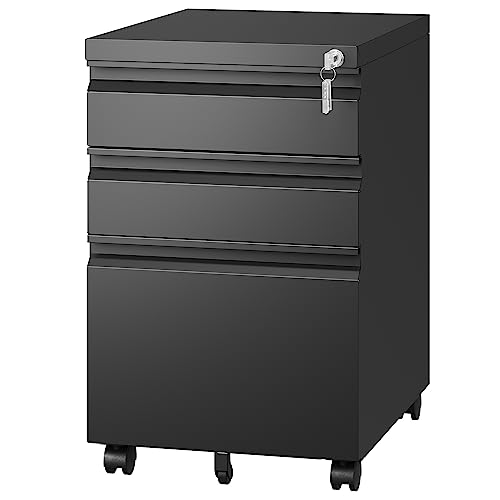
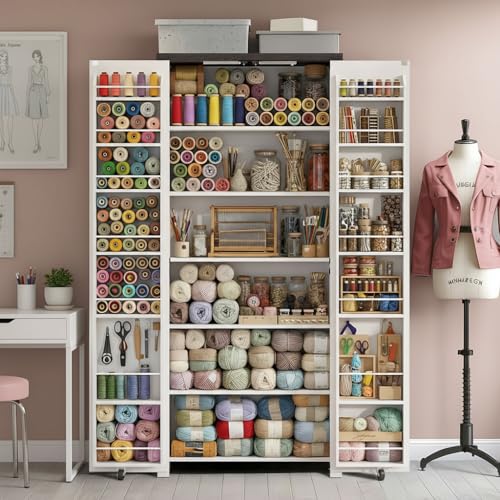
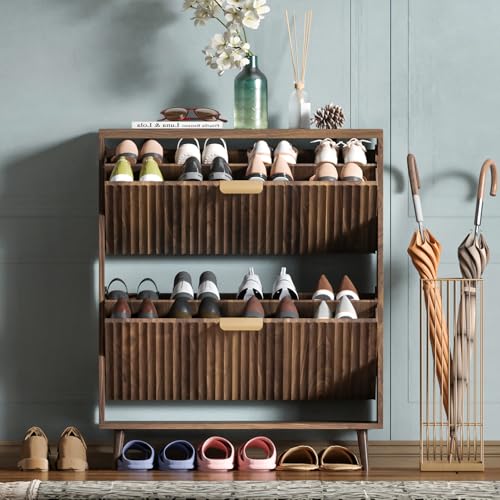

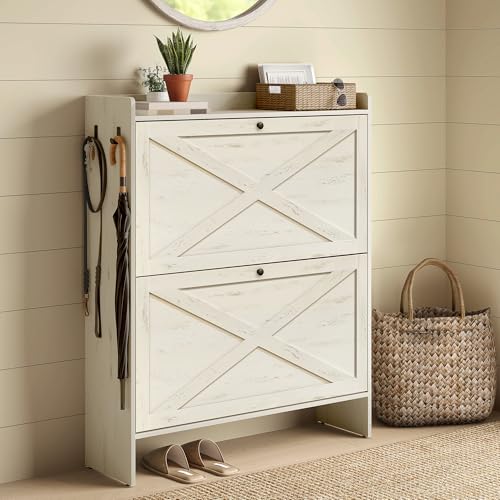

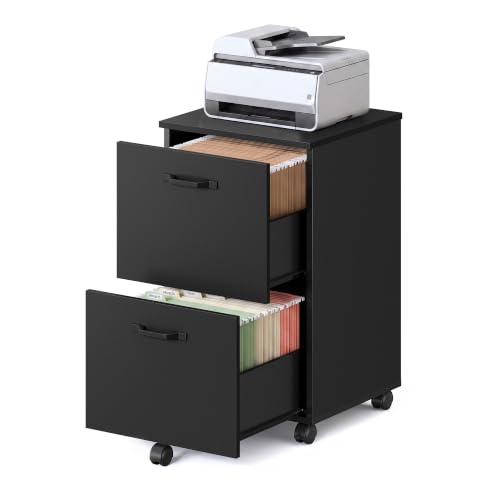
Best Affordable Cabinets Compared by Type
The table in this section is a type comparison, not a list of individual products. Use it to narrow your choice to one or two types, then check the details that matter most for your room.
| Type | Best For | Pros | Cons | Typical Price |
|---|---|---|---|---|
| Compact cabinets | Small rooms and tight corners | Fit narrow spaces, easy to move | Limited shelf depth and storage | About $60 to $180 |
| Budget cabinets | Everyday storage at a low cost | Good value, many sizes | Thinner panels, simpler hardware | About $80 to $250 |
| Premium style cabinets | Rooms where looks matter most | Sturdier finish, nicer hardware | Higher cost, heavier to install | About $200 to $500 |
Compact Options
Compact cabinets suit hallways, laundry rooms, bathrooms and other spots where floor space is tight. They usually measure less than 24 inches wide, so they slide into gaps that a full size cabinet cannot use. Their shelves work well for cleaning supplies, towels, linens and small pantry goods.
The trade off is storage depth. A shallow cabinet may not hold large pots, tall bottles or bulky bedding, so measure your largest items before you buy. Look for adjustable shelves, since one adjustable shelf can turn a cramped cabinet into a flexible one. Check the door swing too, because a door that hits a wall or an appliance will annoy you every day.
Budget Options
Budget cabinets are the workhorses of affordable storage. They come in many widths and heights, and they often use particleboard or medium density fiberboard with a laminate or painted finish. For a garage, a craft room or a rental home, that combination is often enough.
Watch the details that affect daily use. Hinges should feel firm rather than loose, and shelves should sit level without bowing under a normal load. Doors that close with a soft action are a nice bonus, but they are not essential. If the cabinet will hold heavy books or tools, choose one with thicker shelves and a solid back panel.
Premium Options
Premium style cabinets cost more, but they often bring a better finish, stronger joints and hardware that lasts longer. Plywood boxes, solid wood doors and soft close hinges are common at this level. These cabinets suit kitchens and living rooms where the cabinet is always visible.
Premium does not always mean better for every room. A costly cabinet in a damp garage may still swell if it is not suited to that setting, so match the material to the room first. Pay for the finish and the build quality you will notice, not for extras you will never use. A plain, well built cabinet often beats a fancy one with weak shelves.
Compact Options vs Budget Options: Which Should You Choose?
Start with space. If your room is narrow or the cabinet must fit beside a door, a compact cabinet is the safer pick, even if it holds less. If you have room to spare, a budget cabinet usually gives you more shelf space for the same money.
Next, compare strength and finish. Budget cabinets often offer a wider range of sizes, while compact cabinets tend to focus on fitting small spaces. Think about weight as well, since a compact cabinet loaded with books can strain its shelves just as much as a larger one. Choose the compact type when fit is the main problem, and choose the budget type when storage volume matters more than a tight fit.
How to Choose the Right Cabinet
Intended Use and Who It Is For
List what the cabinet must hold before you look at styles. Kitchen cabinets need room for dishes, food and small appliances, while a bathroom cabinet needs space for toiletries and towels. A home office cabinet may need files, books and charging gear. When you know the load, the right size and shelf layout become much clearer.
Maintenance and Long Term Costs
Affordable cabinets cost little up front, but hinges, handles and shelf pins can wear over time. Laminate surfaces wipe clean with a damp cloth, while painted surfaces may need touch ups in busy rooms. Keep the cabinet dry, since standing water can damage particleboard edges. A few minutes of care each month can add years to a low cost cabinet.
Build Quality and Materials
Check the box material, the back panel and the way shelves attach. Thicker side panels resist sagging, and a full back panel keeps the cabinet square. Shelves that rest on metal pins are easier to adjust than shelves fixed in place. Doors should align evenly, and drawers, if any, should slide without sticking.
Finish matters too. A smooth laminate resists stains, while a wood veneer looks warmer but needs more care. In a damp room, look for sealed edges and a finish rated for moisture. Ask what the warranty covers, since a short warranty on hinges may tell you more than a long claim about the whole cabinet.
What You Can Realistically Get on a Budget
At a low price, expect simple hardware, a plain finish and shelves that suit light to medium loads. You may not get soft close hinges, solid wood doors or custom sizing, and that is fine for most storage rooms. Do not save money on wall fixing hardware or on shelf strength if the cabinet will hold heavy items.
Plan your spending around the parts you touch every day. Good hinges and a sturdy shelf layout matter more than a fancy handle. If a cabinet costs about $100 to $250, that range usually buys a solid everyday cabinet, while prices above that tend to pay for finish and hardware rather than basic storage.
How to Make Your Cabinet Last Longer
Read the manual before first use, and follow the maker guidance on wall fixing and weight limits. Clean and inspect the cabinet regularly, checking hinges, shelf pins and door alignment. Store the cabinet in a dry place, and wipe up spills right away so moisture does not reach the edges. Keep heavy items low and close to the sides, where the cabinet is strongest, and do not overload a single shelf.
For safety, follow the maker installation guidance, check the load rating before you fill the cabinet, and anchor tall cabinets to the wall as the maker directs. Keep small parts and tools away from children during assembly, and keep the finished cabinet stable so it cannot tip if a child climbs on it.
Frequently Asked Questions
How long does a cabinet last?
A well cared for affordable cabinet can last many years in a dry room with normal use. Its life depends more on moisture, load and hinge quality than on price alone. A cabinet in a damp laundry room may wear faster than the same cabinet in a bedroom. Replace it when shelves sag, doors no longer align or the box loses its shape.
What features matter most when buying cabinets?
Shelf strength, adjustable shelves, hinge quality and door alignment matter most for daily use. A cabinet that holds your items without sagging and closes cleanly will serve you better than one with a fancy finish. Also check the internal depth, since a cabinet that looks large from outside may still be too shallow for your tallest items.
Are expensive cabinets worth it?
Expensive cabinets are worth it when the cabinet is highly visible or used many times a day, since better hardware and finish show up over time. For a garage, a utility room or a rental, a well chosen budget cabinet often does the same job for less. Spend more when you need durability and looks together, not just one of them.
How much should I spend on a cabinet?
Most buyers spend about $80 to $250 for a solid everyday cabinet, with compact models starting lower and premium style models costing more. Set your budget after measuring the space and listing what must fit inside. Leave a little room in the budget for wall anchors and any extra shelves you may need.
How do I maintain a cabinet?
Wipe surfaces with a damp cloth, dry them right away and check hinges and shelf pins every few months. Tighten loose screws before they strip, and keep the cabinet away from standing water. If a door starts to sag, adjust the hinge rather than forcing the door shut, since forcing it can damage the frame.
The Bottom Line
The right cabinet is the one that fits your space, holds your items safely and matches how often you will use it. Compare types first, then check shelf strength, material and hardware before you buy. Use the picks in the product table to see real examples, and let your room and your storage list guide the final choice.
For most homes, best affordable cabinets strike a good balance when you spend on strong shelves and good hinges rather than on looks alone. Measure twice, check the load rating and choose the type that fits your daily routine.