Best Adhesive Caulk: A Simple First Time Guide for 2026
Disclosure: We may earn a commission when you buy through links on this page, at no extra cost to you. As an Amazon Associate I earn from qualifying purchases. Learn more
Learn how to choose the best adhesive caulk for your home project, from silicone and latex types to cure time, paintability, and simple application tips.
Shopping for best adhesive caulk for the first time can feel confusing, because tubes look alike while the formulas inside behave very differently. This guide starts with the basics, explains the terms in plain language, and helps you match a caulk to your surface, your room, and your skill level. Use the comparison table in this guide to see the main types side by side before you read the details.
A good choice seals a gap, stays flexible as materials move, and resists water or weather for a long time. A poor choice may crack, peel, shrink, or refuse paint, and you may need to remove it and start again. The good news is that most home jobs need only a few clear decisions, and this guide walks through each one in order.
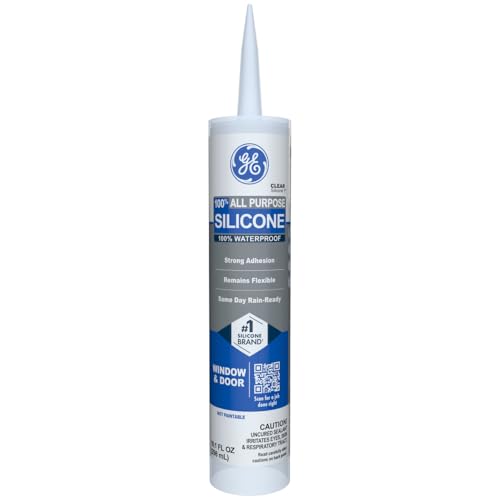
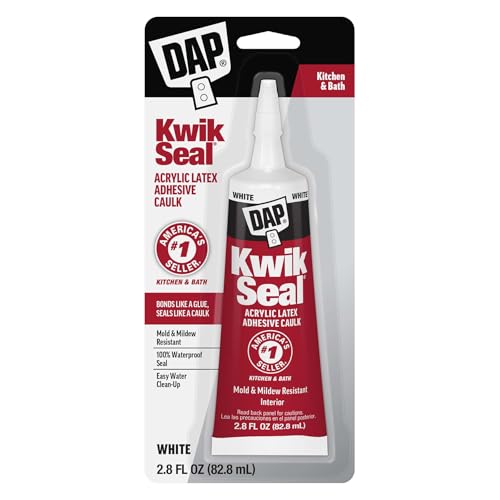
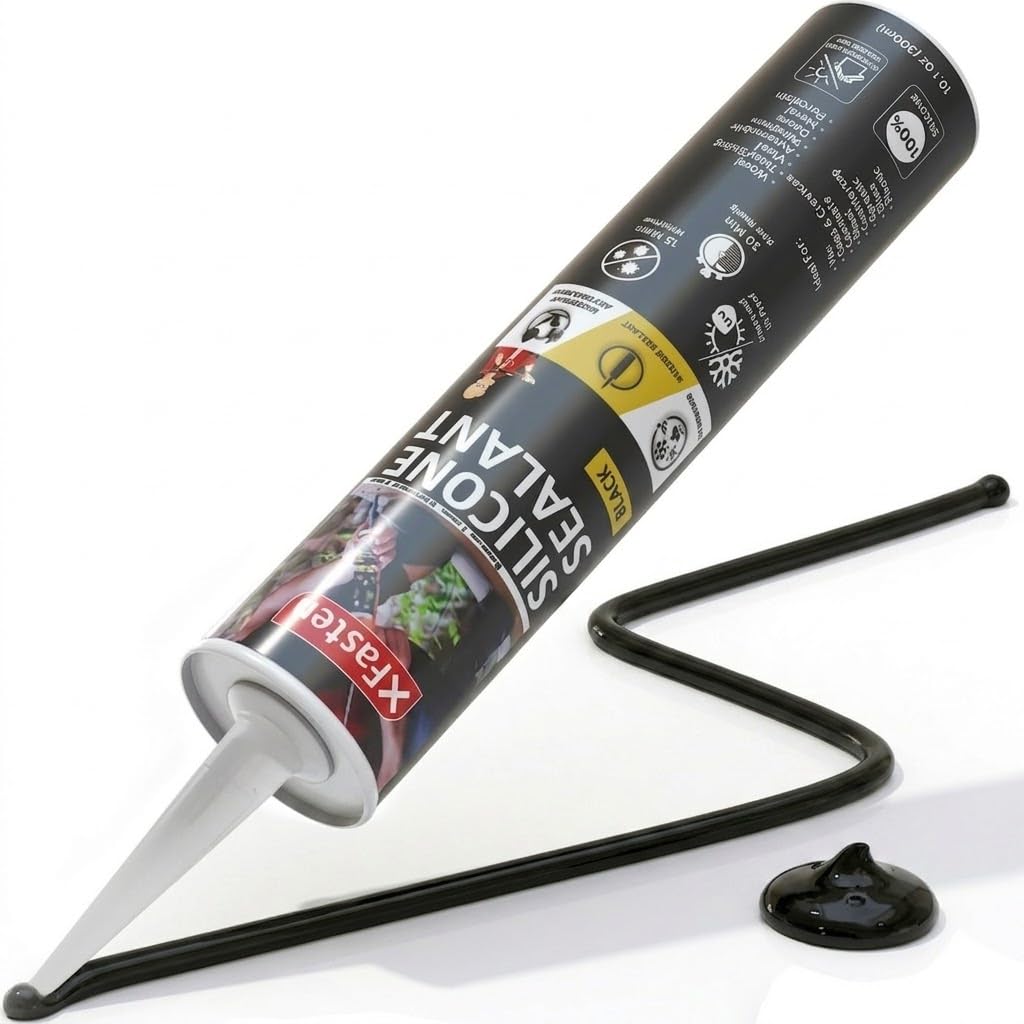
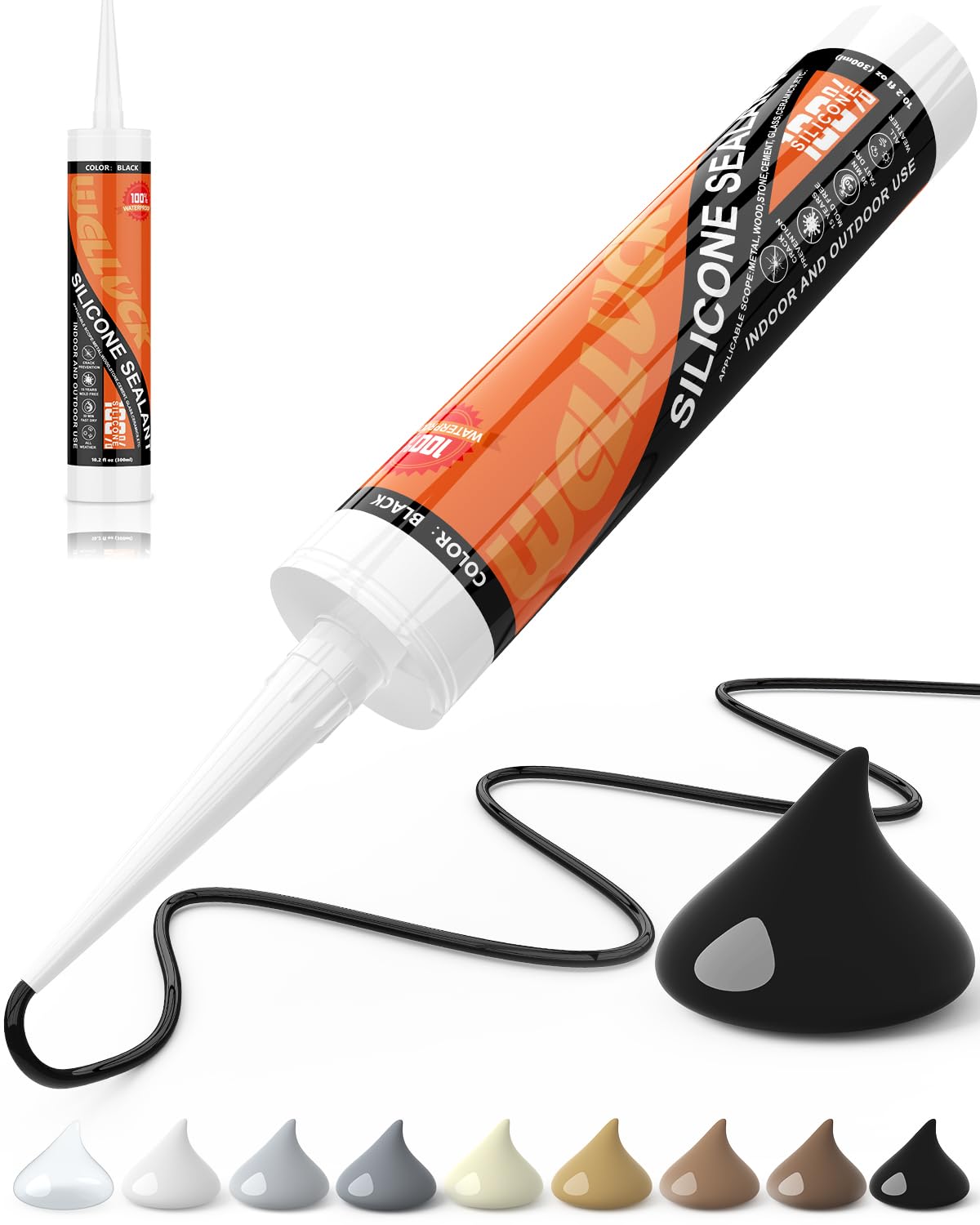

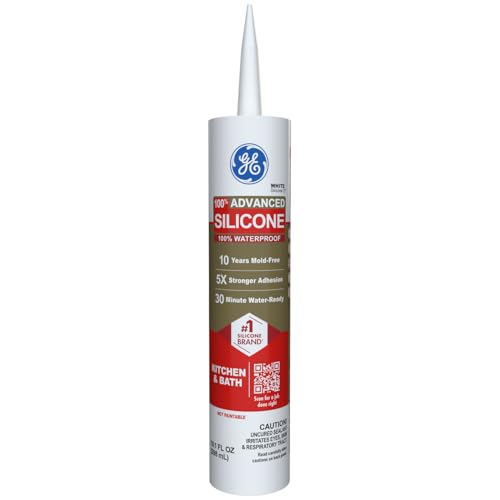
Adhesive Caulks 101: The Basics
Adhesive caulk is a flexible sealant that fills gaps, bonds two surfaces, and keeps out water, air, and dust. You apply it as a soft bead from a tube, smooth it into place, and let it cure into a firm yet flexible seal. It is used around tubs, sinks, windows, doors, trim, and outdoor joints where a rigid filler would crack as materials expand and shift.
The word adhesive matters here, because some caulks mainly fill a gap while others also grip the surface firmly. A strong bond helps on vertical joints and on surfaces that move, such as wood trim near a door. A weaker bond may be fine for a small indoor crack that never gets wet, but it is a poor pick for a shower corner or an exterior seam.
Most home caulks fall into a few broad families, and the family often matters more than the brand name on the tube. Silicone caulk stays very flexible and resists water well, which suits wet rooms and outdoor joints. Latex or acrylic caulk is easier to smooth and paint, which suits indoor trim and dry walls. Polyurethane caulk bonds strongly and handles movement well, which suits exterior and high stress joints, while hybrid formulas try to combine easy use with strong adhesion.
How to Choose the Best Adhesive Caulk in Plain English
The terms on a caulk tube sound technical, but each one answers a simple question about your job. Read the label for the surface, the water exposure, the cure time, and whether you can paint over the finished bead. The sections below explain each factor in plain language and suggest what to look for in a first time purchase.
| Type | Best For | Strengths | Watch Out For |
|---|---|---|---|
| Silicone | Showers, tubs, and outdoor joints | Very flexible and water resistant | Hard to paint and harder to remove |
| Latex or acrylic | Indoor trim and dry walls | Easy to smooth, clean, and paint | Less suited to constant wet use |
| Polyurethane | Exterior and high movement joints | Strong bond and good flexibility | Needs care during application and cleanup |
| Hybrid | Mixed indoor and outdoor jobs | Balanced adhesion and flexibility | Check paint and surface guidance on the label |
Adhesion and Flexibility
Adhesion describes how firmly the caulk grips the surface, while flexibility describes how far it can stretch and return without cracking. A bathroom corner needs both, because tile and tub materials move slightly with temperature and use. An indoor trim joint needs less movement tolerance, but it still needs a bond that will not pull away as wood dries and shifts through the seasons.
Cure Time and Skin Time
Skin time is how soon the surface of the bead firms up, while cure time is how long the full bead needs to harden through. Many latex caulks skin in under an hour and cure within a day, while silicone and polyurethane formulas may need a full day or longer. Plan your job around cure time, and avoid splashing water on a fresh shower bead or painting over a bead that has not cured.
Water Resistance and Mold Resistance
Water resistance matters most in showers, around sinks, and on exterior joints that face rain. A formula made for wet rooms usually resists constant moisture better than a general indoor formula. Mold resistance helps in damp rooms, but it does not replace cleaning and ventilation, so pair a suitable caulk with a fan, dry surfaces, and regular care.
Paintability and Finish
Paintability decides whether you can paint over the finished bead to match trim or walls. Latex and many hybrid caulks accept paint well, while plain silicone usually does not, so paint will bead or peel on a silicone surface. If your job needs a painted finish, choose a paintable formula from the start rather than trying to fix an unpaintable bead later.
Application and Cleanup
Application covers the tube size, the tip, and whether you need a caulk gun. Standard tubes fit a simple gun, while squeeze tubes suit very small repairs and tight spots. Cut the tip small at first, because you can always cut it larger, while a bead that is too wide is hard to tidy. Cleanup varies too, since latex caulk cleans with water while silicone and polyurethane formulas need a different approach, so read the label before you start.
Safety Features and Handling
Safety handling starts with ventilation, gloves, and eye protection, especially in a small bathroom or when working overhead. Open a window, run a fan, and follow the manufacturer's instructions for your room and your formula. Keep caulk away from children and pets during application and curing, store tubes upright in a cool dry place, and check local rules for disposal of old tubes and dried material.
Rookie Mistakes to Avoid
- Skipping surface prep, because dust, old caulk, and soap film stop a new bead from bonding well.
- Cutting the tip too wide, because a thick bead is hard to smooth and wastes material on a small joint.
- Choosing a paintable look over the right formula, because silicone in a painted trim joint will reject paint.
- Using a wet room bead before it cures, because early water exposure can weaken the seal.
- Layering new caulk over failed old caulk, because the weak layer underneath will keep peeling away.
Getting Started: Setup and First Use
Start by removing old caulk, cleaning the joint, and letting the surface dry fully before you apply a new bead. Tape both sides of a visible joint if you want a neat edge, and keep a damp cloth nearby for latex cleanup. Try the bead size on cardboard first, then apply a steady line with even pressure and smooth it in one gentle pass.
Wear eye protection and gloves, work in a ventilated room, and let the tool do the work rather than forcing the tube. If the bead breaks or looks uneven, stop, wipe the area clean, and restart that section rather than piling more material on top. Remove tape while the bead is still workable, then leave the joint alone until the manufacturer's cure time has passed.
Adhesive Caulks: Your Questions Answered
What features matter most for home projects?
Surface compatibility, water exposure, flexibility, and paintability matter most for most home projects. Start by naming the room and the surface, then check that the tube lists both on its label. A shower needs water resistance and flexibility, while painted trim needs a paintable formula that bonds to wood. Cure time matters next, because it decides when you can use the shower, paint the trim, or expose the joint to rain.
Is silicone always better than latex caulk?
Silicone is not always better, because the right choice depends on the job in front of you. Silicone suits wet and high movement joints, since it stays flexible and resists water well over time. Latex suits dry indoor trim and walls, since it is easier to smooth, clean, and paint. Choose silicone for a shower corner and latex for painted trim, and you will get a better result than using one formula everywhere.
Should I use a tube or a squeeze tube for a small repair?
A squeeze tube suits a very small repair, such as a short crack or a single corner touch up. A standard tube with a gun gives steadier pressure and a more even bead on longer joints, such as a full tub edge or a window frame. If you buy a standard tube, practice on cardboard first and cut the tip small, since a controlled bead saves cleanup time. Keep the unused portion sealed and stored as the maker directs.
Can I layer new caulk over old caulk?
You should not layer new caulk over old caulk that is cracked, peeling, or moldy, because the weak layer will keep failing underneath. Remove the old bead fully, clean the joint, and let it dry before applying a fresh bead. A small touch up over a sound bead can work in a dry spot, but a wet room deserves a clean start. If you are unsure whether the old bead is sound, removal is the safer and longer lasting choice.
How long should a good caulk bead last?
A good bead can last several years in a dry indoor joint and a shorter time in a shower or an exterior joint that faces sun and rain. Movement, cleaning products, and moisture all shorten the life of a seal, so inspect wet rooms and exterior joints each year. Replace a bead when you see cracks, gaps, peeling edges, or staining that cleaning will not remove. Early replacement is cheaper and easier than repairing water damage behind a failed seal.
Our Verdict
The best adhesive caulk for a first time buyer is the formula that matches the surface, the water exposure, and the finish you need. For a shower or an outdoor joint, favor water resistance and flexibility, and for painted indoor trim, favor a paintable latex or hybrid formula. Check cure time before you start, so you do not rush the job or use the joint too soon.
Prepare the surface well, cut the tip small, and apply a steady bead with care, since neat prep and patient application matter as much as the tube you buy. See our guide to best caulk for bathtubs for wet room detail, our guide to best bathroom caulk for room wide choices, and our guide to best latex caulk for paintable indoor work. With the right formula and a careful first bead, best adhesive caulk becomes a simple home skill, and the product table above can help you compare the options once more.