Best Closet Organizers for Maximizing Every Closet
Disclosure: We may earn a commission when you buy through links on this page, at no extra cost to you. As an Amazon Associate I earn from qualifying purchases. Learn more
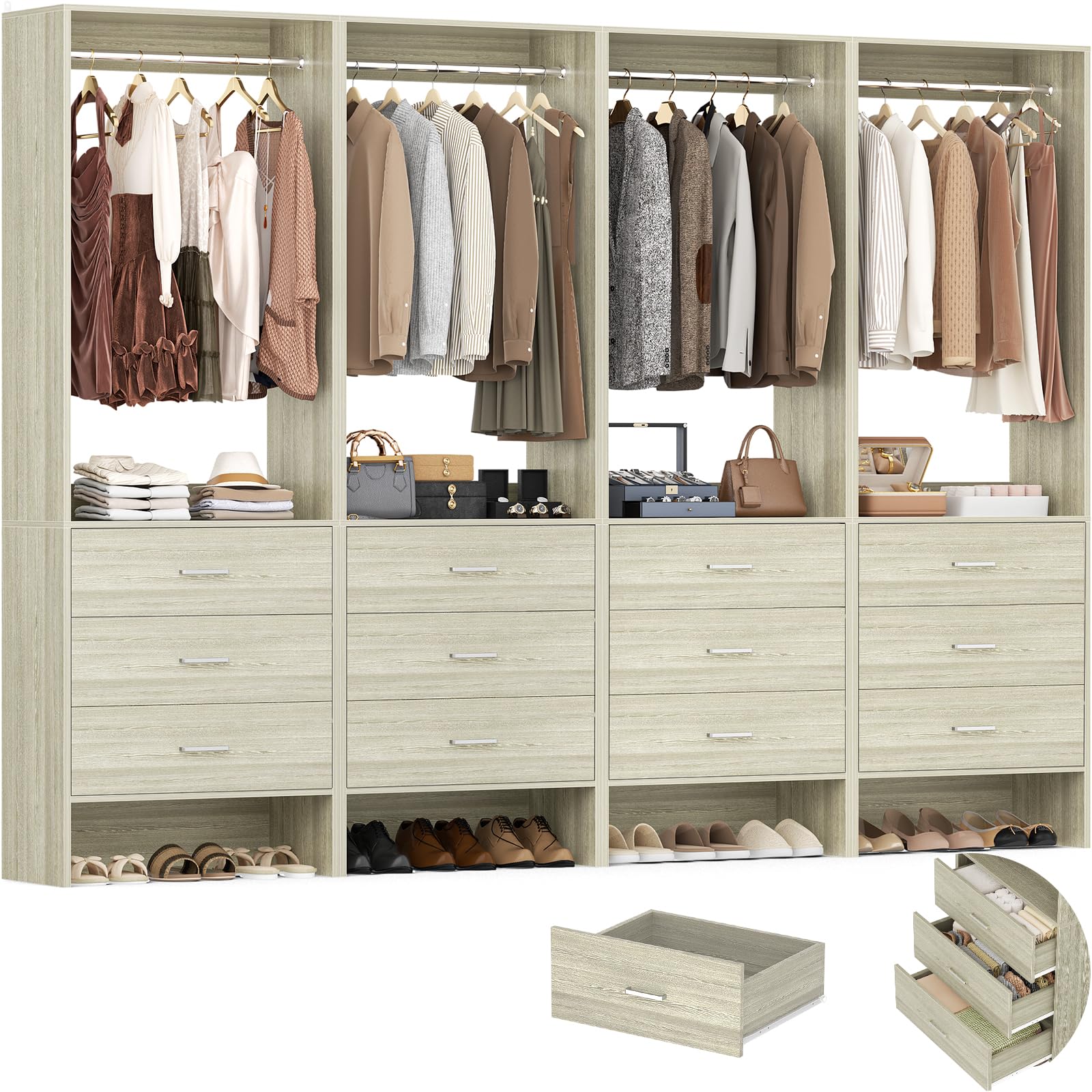
A buying guide to the best closet organizers, covering system types, installation, and capacity planning.
Most closets waste space not because they're too small, but because a single rod and one shelf were never enough to begin with. A well-planned system can roughly double what a closet actually holds without any construction or demolition. Picking the best closet organizers for your space depends on your closet's shape, what you're storing, and whether you want a permanent build or something you can take with you when you move. Some setups clip onto a single track and adjust in minutes; others involve custom-cut panels installed for good. This guide covers the practical differences so you can pick a system that fits your closet and your budget instead of guessing.
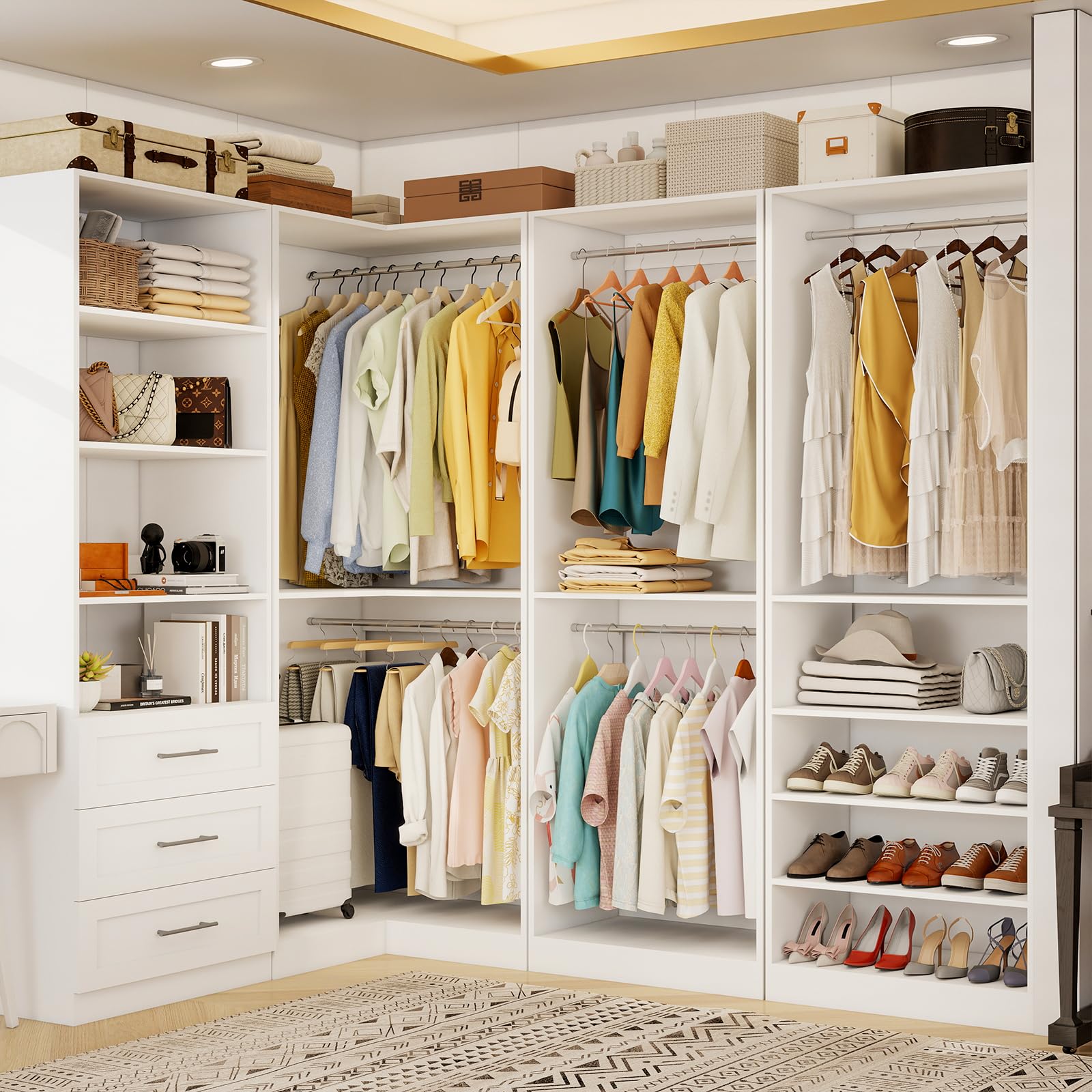





What Actually Makes a Closet Organizer Worth Buying
Not every organizer is built to carry real weight. Check the weight rating on shelves and hanging rods before you buy, especially if you're storing folded sweaters, shoes, or bins rather than lightweight clothing alone. A rod rated for light garments will sag or bow under a full load of coats or jeans within months.
Material affects both durability and looks. Coated wire holds up well in damp spots like a mudroom closet since it doesn't trap moisture the way solid wood can, but it can dig into delicate fabrics over time. Solid wood or laminate systems look more finished and work well in a primary bedroom closet, though they cost more and take longer to install. Adjustability is worth prioritizing over almost anything else, since a system with movable shelves and rods can grow with your wardrobe, while a fixed layout locks you into whatever configuration came in the box.
Wire, Wood, and Modular Track Systems Compared
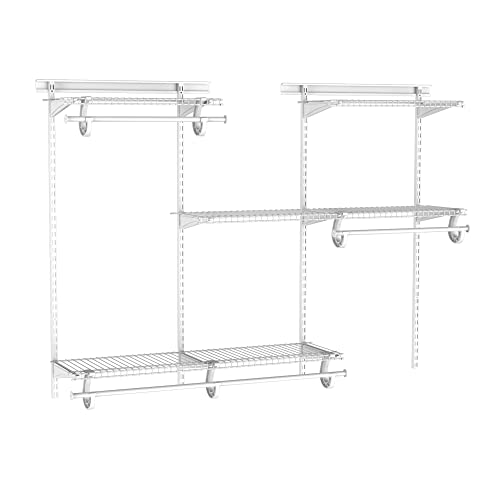
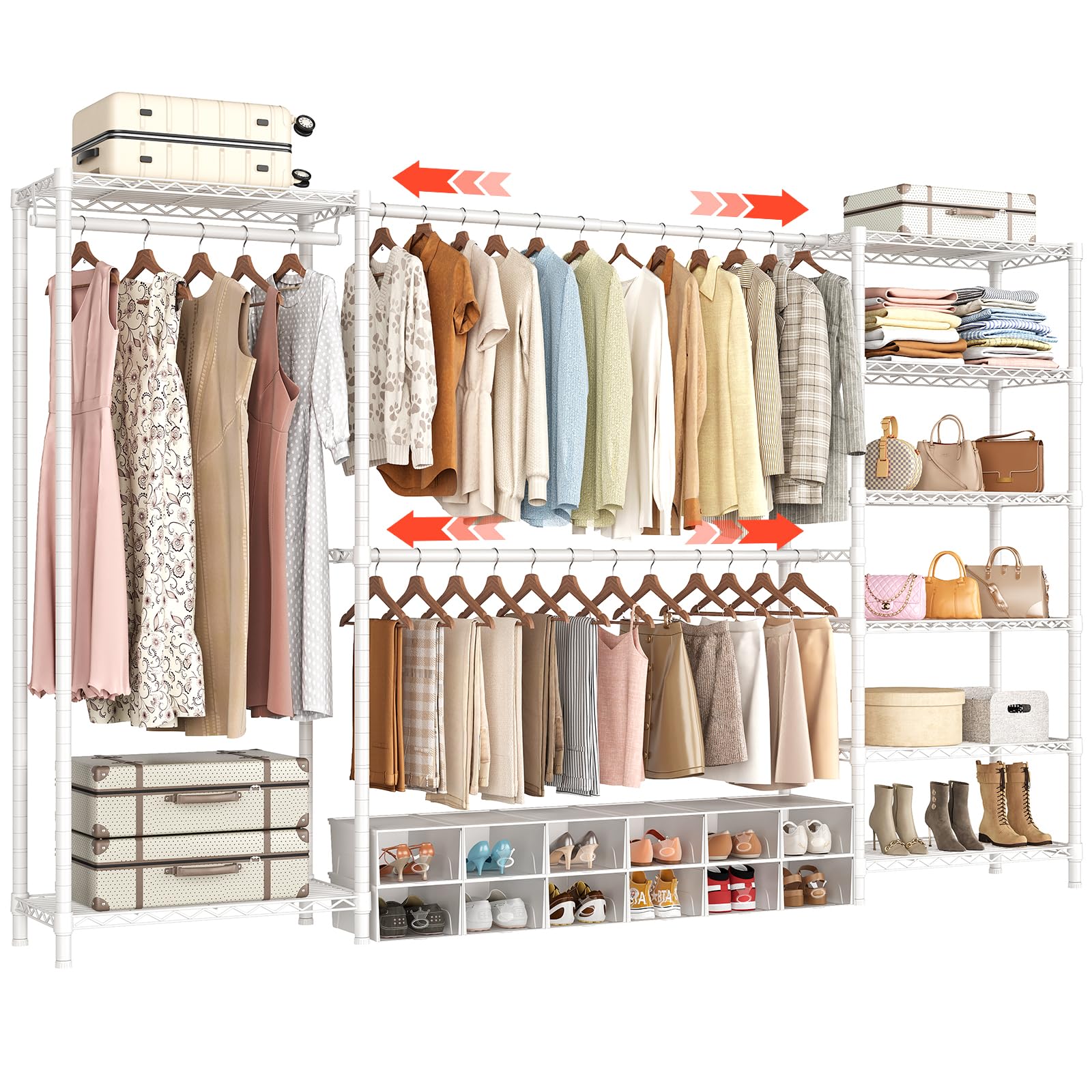
Wire shelving is the most affordable and widely available option, and it installs quickly with basic tools. Air circulates freely around stored items, which helps prevent the musty smell that can build up in a closed closet, making it a solid choice for linen closets and pantries as well as bedrooms.
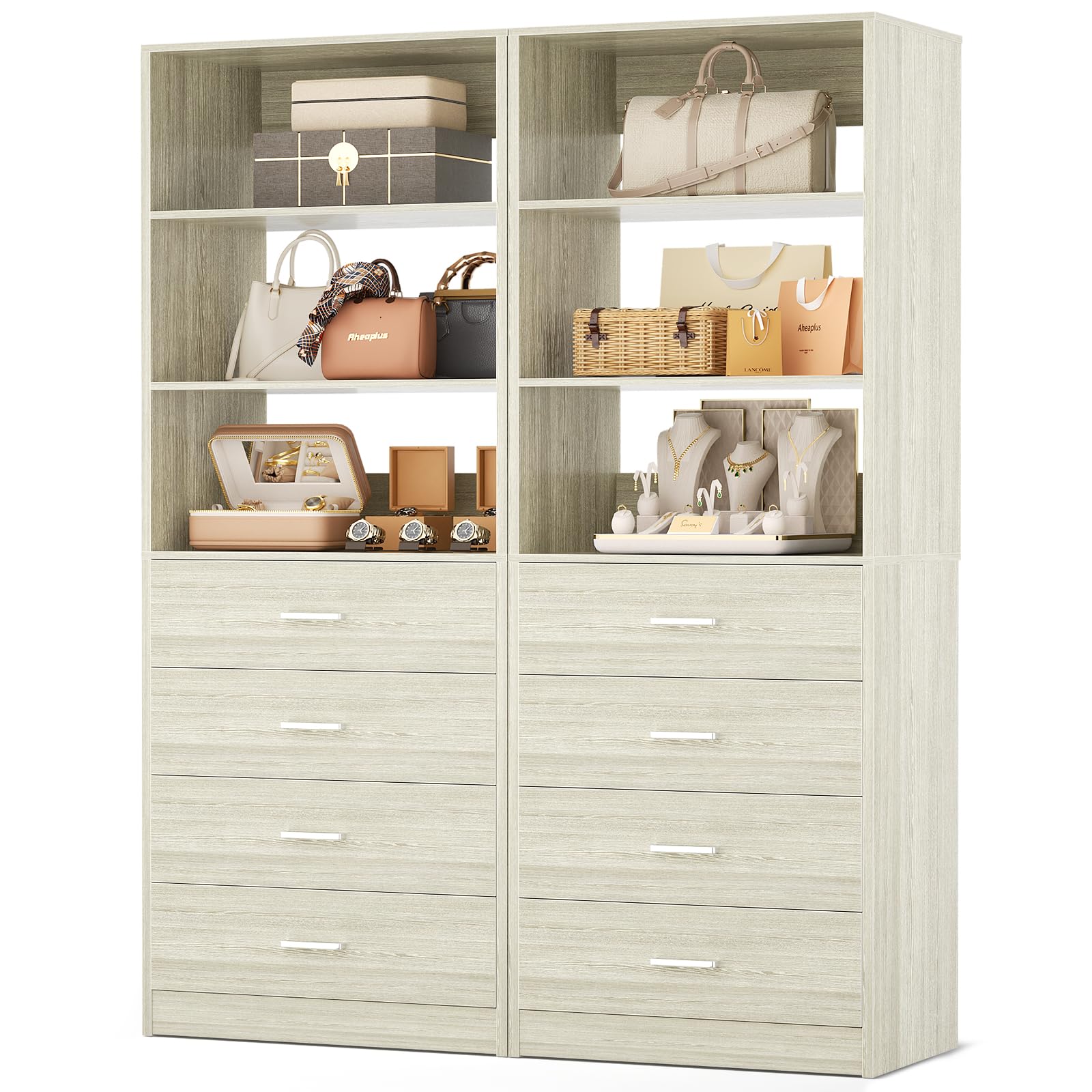
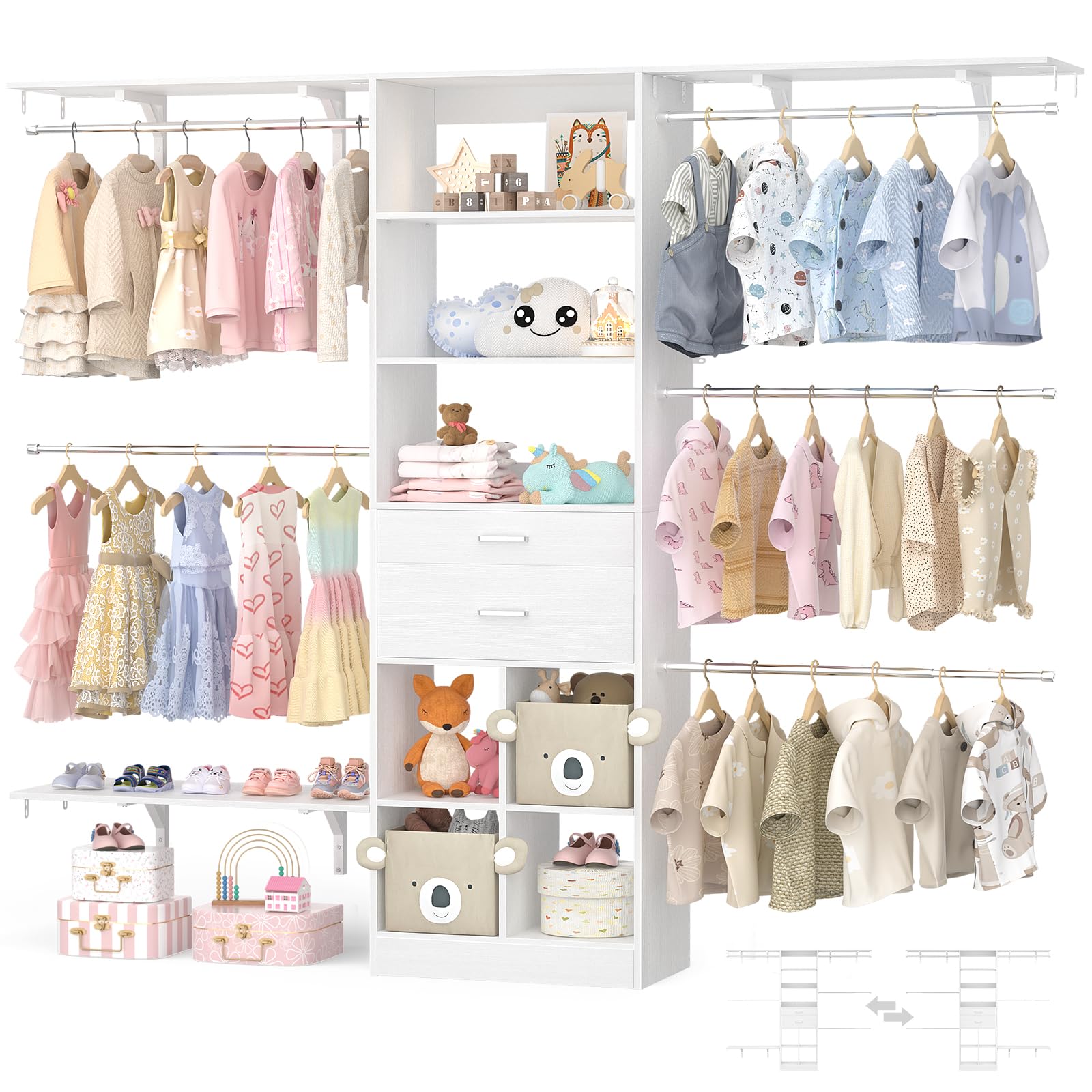
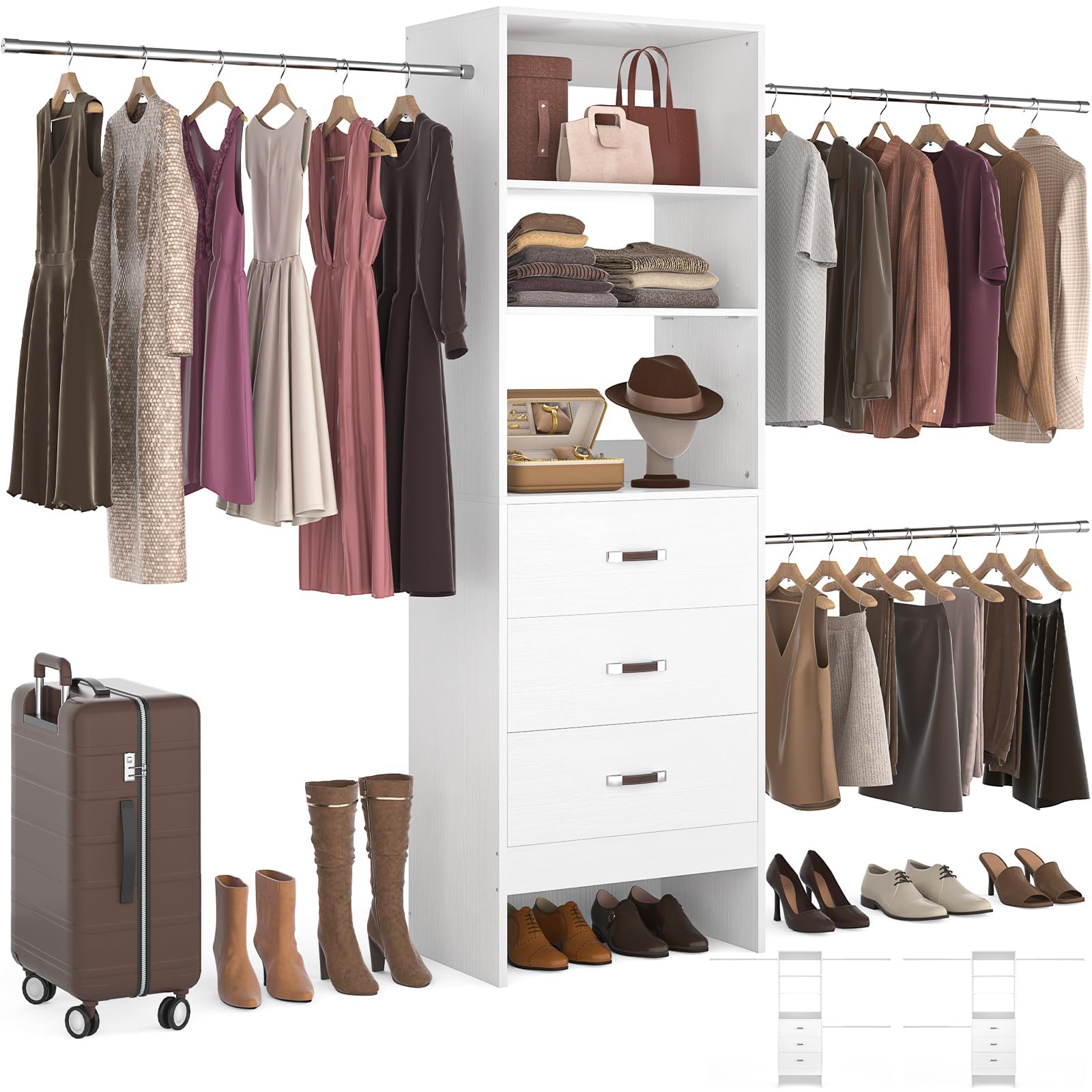
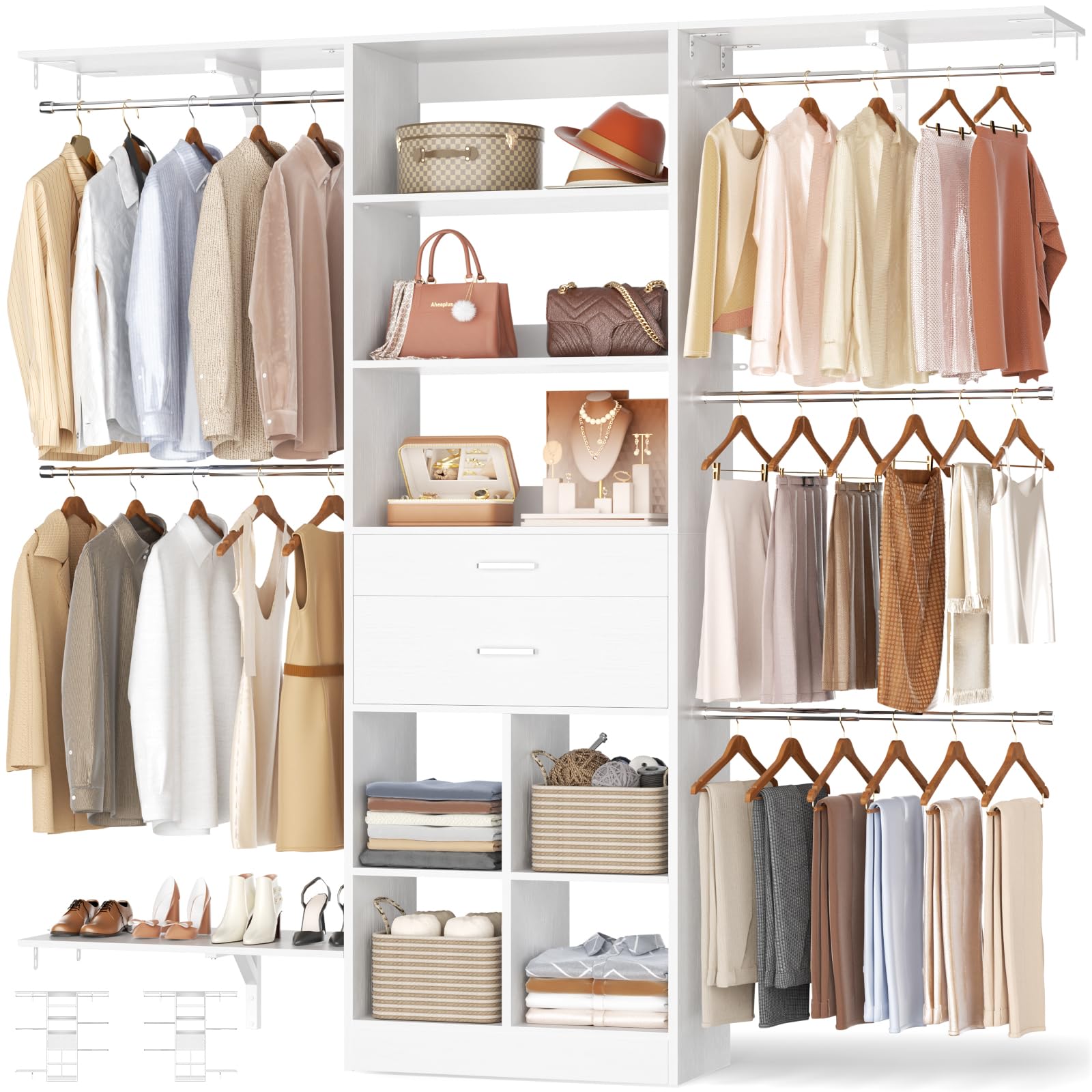
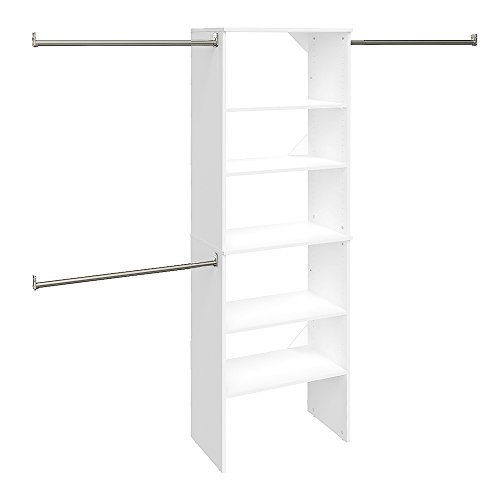
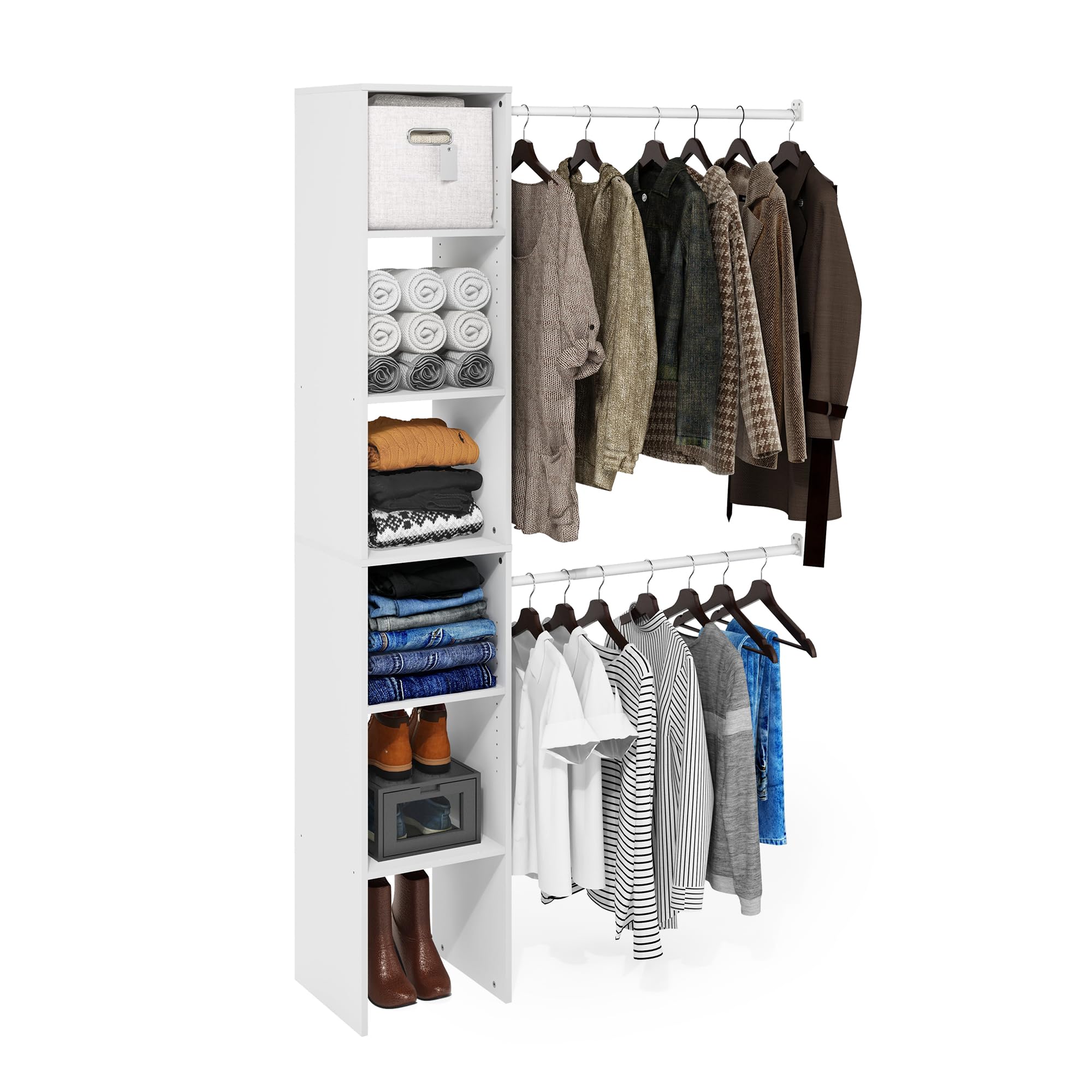
Solid wood or laminate systems, often called closet systems when sold as a full kit, give you a more finished, built-in look with solid shelves instead of open wire grids. They typically include drawers, shoe shelves, and hanging sections that can be arranged to fit the closet's exact dimensions. Modular track systems split the difference: metal tracks mount to the wall, and shelves, drawers, and rods clip on and can be repositioned or removed entirely, which makes them a good fit for renters who want a real system without permanent changes to the closet.
Planning the Layout Before You Install Anything
Start by measuring the full closet, width, depth, and height, and note where studs fall behind the drywall, since anything holding real weight needs to anchor into a stud or use drywall anchors rated for the load. Mark where you want double-hung rods for shirts and pants versus a single long rod for dresses and coats, since these two layouts use space very differently.
Install the top shelf or rod section first, then work downward, checking each piece is level before moving to the next. Leave at least a foot of clearance below any hanging rod so garments don't drag on shelves or bins underneath. If you're installing wire or track shelving, use a stud finder and a level rather than eyeballing it, since a slightly uneven system becomes obvious the moment you start hanging clothes. Most single-closet systems install in an afternoon with basic tools, though larger custom builds may take a full weekend, which is worth factoring in when comparing the best closet organizers for a bigger project.
Getting Storage Capacity Right for What You Own
Before buying, do a rough inventory of what needs to fit: hanging items, folded items, shoes, and any bins or baskets. A general rule is that hanging space handles roughly one linear foot per 8 to 10 garments, so a wardrobe of 60 shirts needs 6 to 8 feet of rod space at minimum.
Shoe storage is often underestimated; angled shoe shelves fit more pairs per foot of wall than flat shelves do, since shoes tilt down toward the front instead of stacking straight in from the toe. If you're working with a reach-in closet with limited depth, prioritize double-hung rods and slim vertical dividers over deep shelving, since anything more than about 20 inches deep starts wasting space behind whatever's stored at the front. Leaving 10 to 15 percent of the system unused when you first install it is exactly the kind of long-term thinking that separates the best closet organizers from systems you'll outgrow in a year.
Closet Organizer Mistakes Worth Avoiding
The most common mistake is buying a system sized for the closet's footprint without accounting for the door swing or any trim that eats into usable width. Measure with the door open and closed, and check whether it's a hinged, bifold, or sliding door, since sliding doors block full access to whichever section sits behind the door panel at any given time.
Skipping stud location is another frequent issue; wire and track systems that rely only on drywall anchors for a fully loaded closet risk pulling out of the wall over time. Overbuilding is a subtler mistake, spending on features like pull-out valets or built-in lighting for a closet that just needs solid shelves and rods. Match the system's complexity to how the closet will actually be used, not to what looks impressive in a showroom display.
Closet Organizer Questions People Ask Most
Do I need to hire someone to install a closet organizer?
Not usually. Wire and modular track systems are designed for DIY installation with basic tools in a few hours. Custom wood systems with drawers and finished panels sometimes benefit from professional installation for a precise fit.
What's the weight limit for a closet rod?
Standard closet rods handle 20 to 30 pounds per linear foot, though heavy-duty rated rods handle more. Check the manufacturer's rating before hanging a full load of coats or heavy garments.
Are wire closet organizers bad for clothes?
Not inherently, but wire without a coated finish can snag delicate fabrics or leave marks on wood hangers over time. Coated wire and padded rod sections minimize this issue.
How much does closet space typically need to grow over time?
Planning for 10 to 15 percent extra capacity beyond your current wardrobe gives room for seasonal additions without needing a full system overhaul again soon.
Can renters install a permanent closet system?
Track-based modular systems are the best fit for renters, since components mount to a single track and can be removed later without leaving major damage to walls.
Should shoes go on shelves or in bins?
Angled shelves fit more pairs in less space and keep shoes visible, while bins protect shoes from dust but use more depth per pair. Many closets do best mixing both approaches.
Making the Most of the Space You Already Have
A closet organizer earns its keep by matching the system to what you actually store, not by looking impressive on install day. Start with an honest inventory of hanging, folded, and shoe storage needs, then choose between wire, wood, or track systems based on your budget and whether you rent or own.
Careful measuring and stud location matter as much as the system itself, since even the best closet organizers fail if they're anchored poorly or sized without accounting for door swing. Get those fundamentals right, and a closet that felt cramped for years can suddenly hold everything you own with room to spare.
Related reading: best airtight pantry storage containers and best commercial food warmer display.