Best ADA Compliant Dishwashers (2026): Buying Guide and Top Options
Disclosure: We may earn a commission when you buy through links on this page, at no extra cost to you. As an Amazon Associate I earn from qualifying purchases. Learn more

A practical guide to the best ada compliant dishwasher: sizes, features, budget ranges, and mistakes to avoid before you buy.
You lower the counter so a wheelchair can roll up to the sink, and suddenly the standard dishwasher no longer fits the opening. That is when most families start looking for a best ada compliant dishwasher with controls you can reach from a seated position and a door you can open without strain. This guide helps you choose by space, household size, and budget, starting with the comparison table below.
Our overview of the best dishwasher options for standard kitchens shows how regular models differ in height and control placement, which helps you tell a true accessible design from a short model that only looks the part.

Who Should Buy an ADA Compliant Dishwasher?
Wheelchair Users and People With Limited Reach
You need controls you can see and press while seated, a door that opens without blocking your knees, and racks that slide toward you instead of forcing you to lean deep into the tub. Front controls help, because top controls sit under the counter lip and can be hard to read from a lower angle. Look for buttons that respond to a light touch, with no tight grip or twisting needed.
Households Planning for Aging in Place
Maybe nobody in your home uses a wheelchair today, but a parent is moving in, or you want the kitchen to stay usable after a knee or hip surgery. A shorter dishwasher pairs with a lower counter section, and lower racks mean less lifting of heavy pots when balance or shoulder strength is limited. Choosing this layout during a remodel costs far less than tearing out cabinets later.
Small Households With Lower Counters
Older homes and basement apartments often have counters set lower than the current standard, and a regular dishwasher simply stands too tall for the opening. A compact ADA compliant model fills that gap without giving up a built in look. Singles and couples also like the smaller tub, because they can run a full load sooner instead of waiting days to fill a large cavity.
Before You Buy: A Quick Checklist for Choosing a Dishwasher
Size: Match It to Your Space
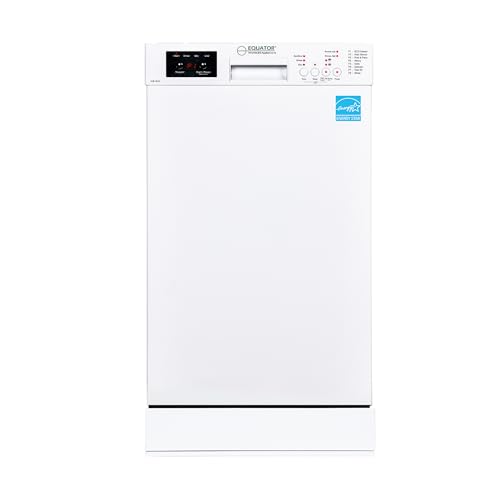
Width comes first. An 18 inch model suits a narrow cabinet run or a household of one or two people, and it typically holds about 8 place settings, as our guide to the best 18 inch dishwasher range explains. A 24 inch model uses the standard cabinet width but stands shorter, and it usually holds about 12 place settings. See our best 24 inch dishwasher guide for how that width fits standard cabinets.
Which Type Fits Your Routine
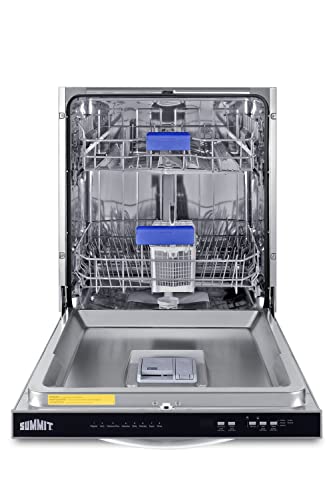
Most ADA compliant models are built in units that slide under a counter about 34 inches high or lower. Drawer models pull out toward you and need almost no bending, though each drawer holds less. If matching your cabinets matters, the styles in our best panel ready dishwasher guide accept a custom front panel, but check the panel weight against the door limit.
Features Worth Paying For and Ones to Skip
Pay for a stainless steel tub if you can, because it resists odors, dries better than plastic, and usually runs quieter. A third rack helps with long utensils, and bottle jets earn their keep if you wash tall bottles daily. Heated dry and auto open dry both improve results on plastic, so pick one rather than paying for both. Skip WiFi if the door buttons already suit your reach.
Measurements and Compatibility With Your Setup
Measure the opening height from the finished floor to the underside of the counter, then width between cabinets and depth from the wall. ADA compliant models are often about 32 to 34 inches tall, so a thin layer of new flooring can decide whether one slides in. Confirm the water supply, drain hose, and electrical connection sit within reach of the cabinet next door.
Certifications and Efficiency Ratings
Look for an Energy Star label if you want lower water and power use, and check for a safety listing from a recognized testing body. Some areas also require parts that touch drinking water to meet lead limits, so ask for the compliance sheet if your local code mentions it. Certification alone does not prove a model is ADA compliant. Height, reach range, and control operation make the design accessible, so verify those numbers on the spec sheet.
DIY or Professional Installation
Swapping a like for like unit suits a handy homeowner who can shut off water and power and level the feet. A first time install in a remodeled opening is different, because you may need a new outlet or cabinet trimming. Our breakdown of dishwasher installation cost shows what pros charge for each part of the job. Budget roughly about $150 to $400 for labor in many areas, and more if plumbing work joins the visit.
Key Features to Compare
Control Placement and Ease of Operation
Front controls sit on the door face, where you can read the cycle status while seated and press them without reaching under the counter. Top controls hide when the door closes and look cleaner, but the buttons sit farther back and the display can vanish from a seated view. Test how much force each button needs, because accessible design calls for operation with one hand and without a tight grip.
Interior Height and Rack Layout
A shorter cabinet means a shorter tub, so check the usable height in the lower rack before you buy. Tall stockpots and sheet pans may need to go in at an angle or be washed by hand. An adjustable upper rack helps, because dropping it a notch lets tall glasses fit above while plates still clear below. Compare your largest items with the rack measurements in the manual, not the marketing photos.
Noise Level and Tub Material
Noise ratings are given in decibels, and many ADA compliant models land around 44 to 52 decibels. The lower end suits open plan living, where the kitchen shares space with a sofa or a desk, while the upper end is fine behind a closed door. Stainless steel tubs tend to damp sound better than plastic tubs and resist staining. Plastic tubs cost less and weigh less, which helps if your floor is uneven.
Wash Cycles and Drying Options
A useful cycle set is short and clear: a normal wash for daily loads, a heavy wash for baked on food, a quick wash for lightly soiled glasses, and a sanitize option for baby items. Sanitize cycles heat the final rinse to a high temperature, but ask a clinician what your household needs rather than relying on a cycle name. For drying, a fan or an auto opening door releases steam and leaves plastic drier.
Types Compared: Short Built In, Drawer, and Panel Front Models
Short built in door models are the most common ADA compliant choice. They cost the least per place setting, parts are easy to find, and the single tub swallows a family dinner load. The tradeoff is reaching to load the back of the lower rack, which a rack that rolls fully out can ease.
Drawer models remove most bending, because the tub comes to you at counter height and you load from above. They shine for seated users and small loads. The tradeoff is price and capacity, since each drawer holds fewer large items and the seals add parts that can need service.
Panel front models are a finish choice layered on a short built in unit. They blend with the cabinets, but the added panel makes the door heavier to pull open. If grip strength is limited, weigh that extra effort against the look.
ADA Compliant Compared With Standard Dishwashers
The core difference is height and reach. A standard dishwasher expects a counter around 36 inches high, while an ADA compliant design fits a counter at about 34 inches or lower and keeps controls within a comfortable reach range. Capacity drops a little in return, and the model range is far smaller, so you get fewer colors and extras.
Cleaning power is not a step down. The spray arms, filters, and soil sensors work the same way, and a well chosen ADA compliant model washes a daily load just as well as a standard one. What you give up is space for oversized items, not wash quality.
Common Buying Mistakes to Avoid
- Measuring width but not height, so the opening rejects the unit once new flooring goes in.
- Choosing top controls for looks, then finding the display hidden under the counter lip when you sit to load.
- Assuming every short dishwasher is ADA compliant, when some compact models place controls out of easy reach.
- Ignoring door swing and handle depth, so the open door blocks the path a wheelchair needs.
- Paying for a panel front without checking panel weight, which makes the door hard to lift closed.
- Forgetting delivery, install, and hauling the old unit away in the total budget.
Cost of Ownership and Care
Running costs stay modest. A typical load uses a few gallons of water and a small amount of power, and detergent plus rinse aid add a steady small cost. Keep the filter clean, wipe the door seal, and leave the door slightly open between loads so moisture escapes and odors stay away.
For a full routine, including descaling and checking spray arms for blocked holes, follow our guide on how to clean a dishwasher about once a month if you run the machine daily. Inspect hoses each year for bulges or drips. With that basic care, this category commonly lasts about 9 to 13 years.
FAQ
Are ADA compliant dishwashers worth it for a home without a wheelchair user?
They can be, if your counters are lower than standard or someone in the home has limited bending or shoulder movement. If your counters are standard height and mobility is not a concern, a regular model gives you more capacity and more choices for the same money, so the accessible design adds little.
Can an ADA compliant dishwasher fit under a standard height counter?
Yes, in most cases it will fit, because a shorter unit slides into a taller opening and the adjustable feet and trim can close much of the gap. A filler strip is often needed at the top. The reverse does not work. A standard height dishwasher will not fit a lower ADA counter opening, which is why the shorter category exists.
Do ADA compliant dishwashers hold fewer dishes than standard models?
Slightly fewer, and the difference shows most with tall items rather than plates. A 24 inch ADA compliant model still takes plates, bowls, and glasses for a family meal, but a deep stockpot may crowd out other pieces. If you cook with oversized pans often, plan to wash those by hand.
Does an ADA compliant dishwasher need special plumbing or electrical work?
No special system is required. It connects to the same hot water supply, drain, and grounded outlet as a standard model. What can differ is the routing, because lower counters and knee space under the nearby sink may limit where lines can run. A quick look inside the sink cabinet before you order shows whether the connections line up.
How long does an ADA compliant dishwasher usually last?
Expect a similar life span to a standard dishwasher, commonly around a decade with regular filter cleaning and prompt attention to leaks. Drawer models have more rails and seals, so they may need service sooner than a simple door model. When a repair quote approaches half the price of a new unit, replacement usually makes better sense than another repair.
Can you raise an ADA compliant dishwasher to fill a taller opening?
You can lift it a small amount on its adjustable feet, and installers sometimes add a trim strip to close the gap. Raising it on a tall platform is a poor idea, because it lifts the racks and controls away from the seated reach the design was built for. If the opening is much taller, a standard model is the cleaner answer.
Final Thoughts
Start with your opening height, then judge controls by how they feel from the position you will actually load in, and only then compare cycles and finishes. For most homes, the best ada compliant dishwasher is the 24 inch built in model that fits your counter, opens with a light pull, and holds your daily dishes without a struggle. Check the product table above before you order.