
Best Active Sandals by Budget: Smart Picks for 2026
Disclosure: We may earn a commission when you buy through links on this page, at no extra cost to you. As an Amazon Associate I earn from qualifying purchases. Learn more

Compare the best active sandals at every price point. Learn what you get at budget, midrange, and premium levels and where spending more pays off.
Prices for active sandals range from pocket money to serious hiking money, and the gap is not always obvious from a product photo. Straps, footbeds, and outsoles decide whether a pair carries you comfortably for ten miles or rubs by mile two. This guide to best active sandals breaks down what each budget level really delivers, so you can spend where it helps and save where it does not.
Read the tier sections first, then use the product table to match specific pairs to the level that fits your walking, travel, and water plans. Fit matters more than price, so keep your usual sock free walking distance and terrain in mind as you go.
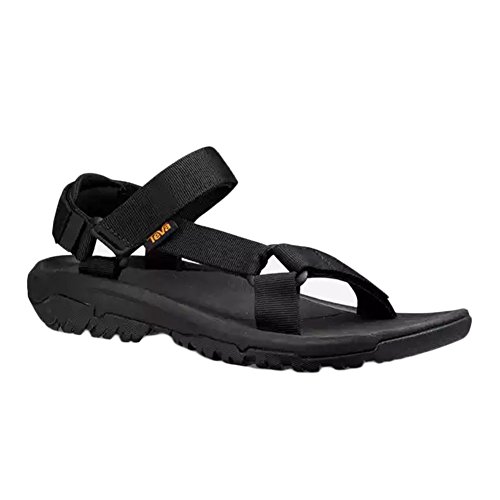
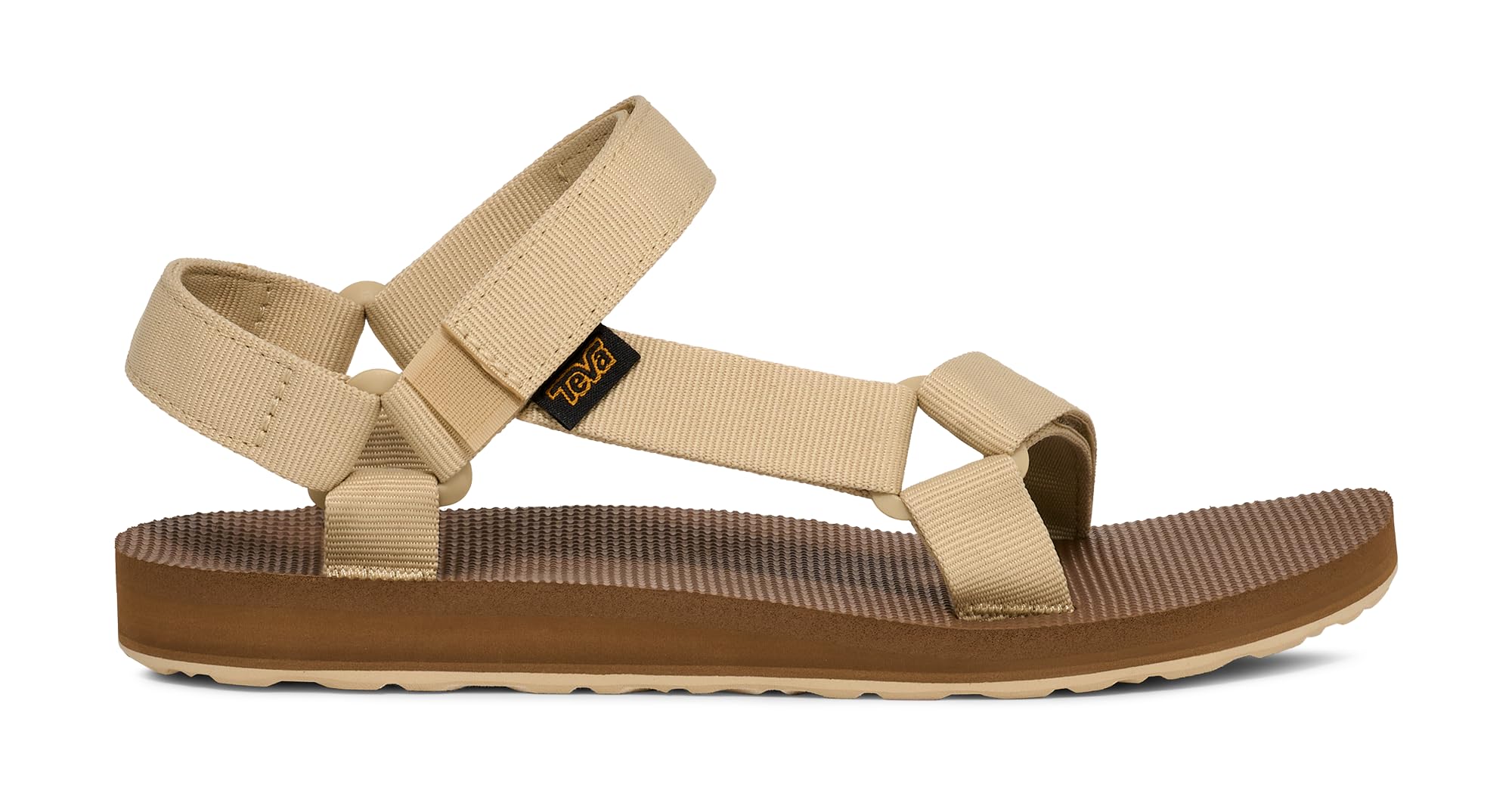
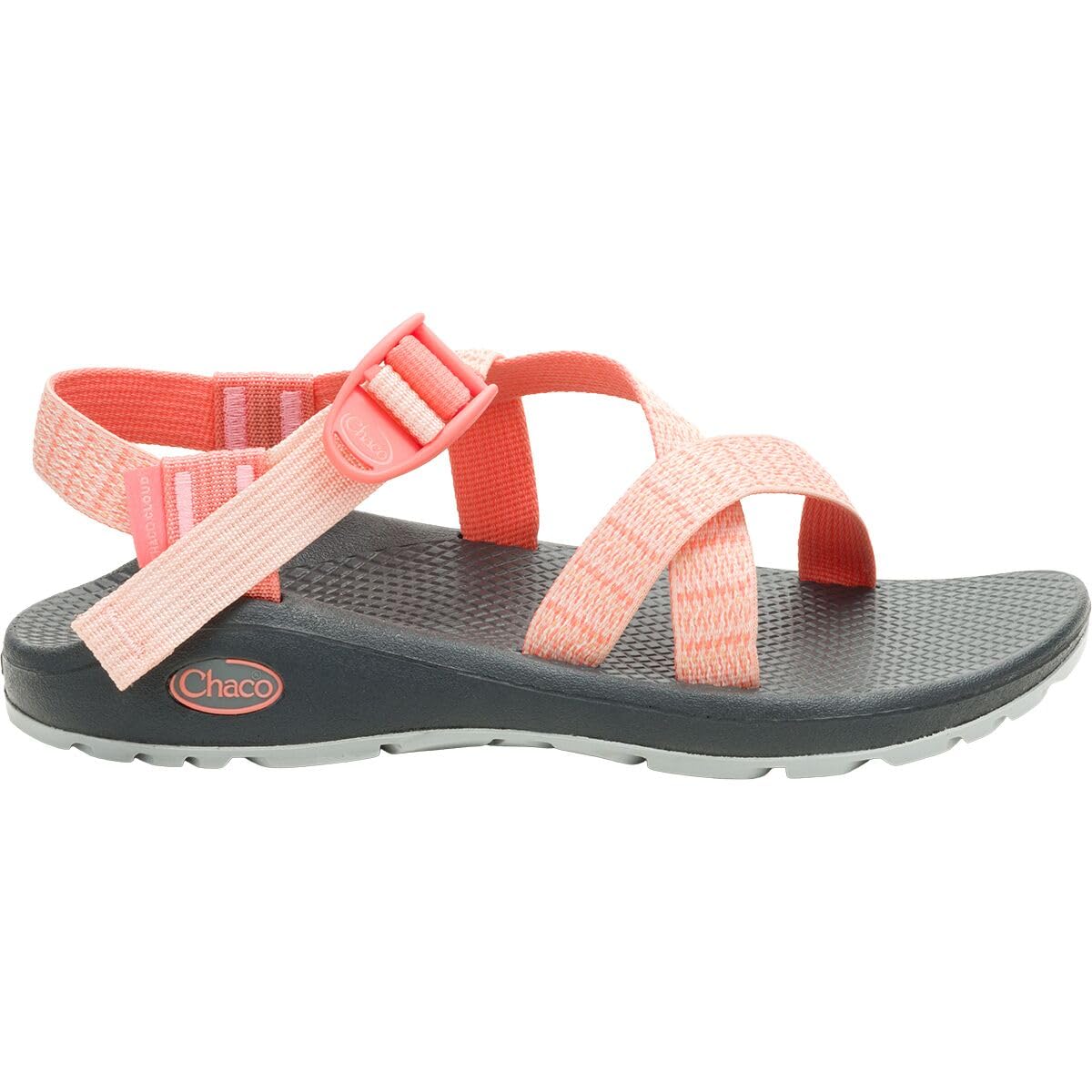


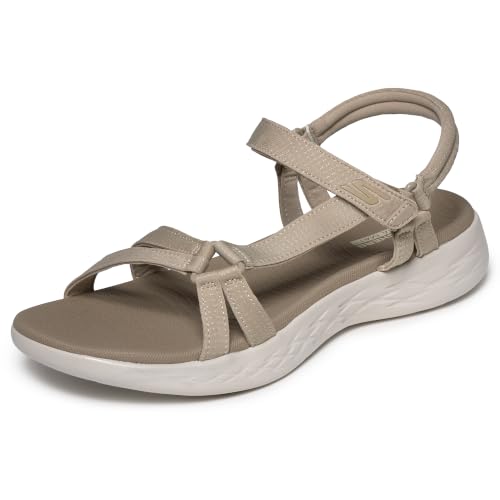


Three Budget Profiles Worth Your Money
Rather than naming models, this section describes the three profiles that make sense at each level. Use them to read the product table with clear expectations.
Budget Profile
The budget profile, usually around $25 to $45, suits short walks, beach days, camp showers, and travel backup pairs. Expect simple webbing or synthetic straps, a flat or lightly shaped footbed, and an outsole that grips pavement and pool decks well enough. The trade off is longevity: thin straps can stretch when wet, and soft soles pack down within a season of heavy use. Buy this tier for occasional use, order a half size up if your feet swell in heat, and treat the pair as replaceable rather than repairable.
Midrange Profile
The midrange profile, around $50 to $85, is where most walkers should shop. You gain shaped footbeds with real arch support, adjustable straps at two or three points, and rubber outsoles with lugs that hold on wet rock and dirt trails. Materials dry faster and resist odor better than budget pairs. One limitation remains: most midrange sandals still use glued construction, so years of heat and water will eventually separate sole from footbed. For day hikes, sightseeing, and summer commuting, this tier offers the strongest value in the whole category.
Premium Profile
Premium pairs, around $90 to $140, suit long distance walkers, trail users, and anyone whose feet complain in lesser sandals. Spending more buys durable strap hardware, cushioned yet stable midsoles, and outsoles from respected rubber compounds that grip like hiking shoes. Some premium models add replaceable straps or resole friendly construction that stretches their life for years. The downside is weight and cost: these sandals feel like real footwear, not light pack fillers. If you walk daily or carry a pack, the upgrade usually pays for itself in comfort.
What Your Money Gets You at Each Price Tier
Budget Tier: What to Expect
At the budget level you are paying for basic coverage and convenience. Straps are usually a single fixed length or one adjustable point, footbeds are flat foam, and arch support is minimal. That is fine for flat ground and short distances, but your feet do the stabilizing work that better sandals share. Durability is the main gamble, so a solid return window matters more here than any single feature. Keep expectations modest and this tier serves beach and camp life well.
Midrange Tier: The Sweet Spot for Most Buyers
Midrange money buys the features that change how a sandal feels after hour three: contoured footbeds, heel cups, and straps you can tune at the forefoot and ankle. Outsoles gain real tread patterns, and many models handle light trails without drama. This is also where water ready designs become common, with quick drying straps and drainage friendly footbeds. Readers who know they need support can compare our guide to the best active sandals with arch support for the footbed details that matter most.
Premium Tier: When Spending More Pays Off
Premium spending pays off in three places: grip on demanding terrain, support over long distances, and years of service instead of seasons. Better midsoles resist compression, so cushioning in year two still feels close to day one. Hardware such as metal or high grade plastic buckles survives salt water and grit that crack cheap fittings. If your use is light, you will not feel these gains enough to justify the price. If your summers are built around walking, you will feel them every week.
Features Worth Paying For (and Ones to Skip)
Break In Period and Comfort Out of the Box
Good active sandals should feel comfortable within the first short walk, with only mild softening after that. Strap edges are the usual trouble spot, so check for lined or folded webbing where straps cross your skin. A practical know how point: wear new sandals around the house and on two short walks before any trip, and adjust straps at the end of the day when feet are slightly swollen. If a pair still rubs after that routine, return it rather than hoping distance will fix a fit problem.
Cushioning and Support
Cushioning absorbs impact while support guides your foot, and active use needs both in balance. Very soft soles feel plush in the store but can feel unstable on uneven ground and tiring over miles. Look for a firm heel, moderate forefoot cushion, and a visible arch shape that matches your foot. Heel to toe drop in sandals is usually low, which suits natural walking but can bother tight calves at first. Shoppers comparing broader options can browse our guide to the best rated sandals for general fit advice.
Outsole Traction and Terrain
Traction decides where your sandals can safely go. Shallow, closely spaced tread works on pavement and decks, while deeper lugs around 3 to 4 mm shed mud and grip dirt trails. Wet rock calls for softer, stickier rubber rather than maximum lug depth, and siping, the thin cuts in the rubber, helps on smooth wet surfaces. Match the outsole to your most slippery regular surface, not your most extreme one. A trail outsole on city streets simply wears down faster without adding safety.
Weight and Flexibility
Light sandals disappear in a pack and feel easy on short days, while heavier pairs protect your feet on rocky ground and support tired arches. Flexibility should follow the ball of your foot; a sole that bends in the middle offers little support and wears unevenly. Travelers often accept a midweight pair as their only footwear, since it handles airports, trails, and dinners out. If you mostly walk from car to viewpoint, save the weight and the money and choose the simpler design.
Fit, Sizing, and Toe Box
Measure your feet in the afternoon, when they are at their largest, and compare against the maker size chart rather than your shoe size alone. Your toes should clear the front edge by a small margin, because feet slide forward on descents and a stubbed toe ends hikes early. A roomy toe box suits wide feet and long days, while a narrower last keeps slim feet from swimming. Women comparing dedicated lasts can start with our guide to the best active sandals for women, and men with our guide to the best men's active sandals.
Long Term Costs to Factor In
The purchase price is only part of ownership. Replacement straps, footbed care products, and eventual resoling or replacement add up, especially for glued designs that cannot be repaired. Premium pairs often cost less per year because they survive several seasons, while budget pairs bought yearly can quietly exceed a midrange total. Warranty length signals maker confidence, and a two year warranty on straps and soles is worth real money. Also budget for a simple care routine: rinse grit from straps after beach days and let sandals dry away from direct heat to protect adhesives.
Active Sandals: Your Questions Answered
Are expensive active sandals worth it?
Expensive pairs are worth it if you walk long distances, carry weight, or need dependable grip on trails and wet rock. You are paying for durable materials, supportive footbeds, and outsoles that stay grippy as they wear. For beach trips and short errands, the gains are small and a midrange or budget pair serves just as well.
How often should I replace my active sandals?
Replace them when the tread smooths out, the footbed compresses unevenly, or straps loosen and cannot be adjusted back. For regular walkers that is often after two to three seasons, while light users may get much longer. A quick test helps: if your feet ache after a familiar walk that used to feel easy, the midsole has likely given up.
How should active sandals fit?
They should fit snugly at the heel and midfoot with a small space in front of your toes. Straps should hold your foot without pressure points, and your heel should not lift and slap with each step. Walk a slope or stairs in the store if you can, because forward slide on descents is the fit problem flat floors hide.
Can I wear active sandals all day?
Yes, you can wear supportive models all day if the footbed matches your arch and the straps do not rub. Alternate with closed shoes on some days if your feet are new to sandals, since exposed feet work harder and sunburn quickly. For long standing shifts on hard floors, choose the most cushioned supportive pair you can find and take sitting breaks.
Do I need waterproof sandals for active use?
No, you need water ready sandals rather than waterproof ones. Waterproof membranes trap water inside a sandal, while open designs with quick drying straps and drainage shed it fast. If your routes cross streams or you travel in rainy seasons, pick synthetic straps and a footbed that does not absorb water, and skip leather uppers that dry slowly and stiffen.
Our Verdict
Fit, footbed support, and outsole grip decide your summer comfort far more than brand or price alone. Most buyers should start in the midrange tier, step up for long trails, and step down for beach only use. Compare your shortlist in the product table, and the best active sandals for your feet will be the pair you forget you are wearing by mile three.


