
Best Active Sandals For Women 2026: A Practical Guide
Disclosure: We may earn a commission when you buy through links on this page, at no extra cost to you. As an Amazon Associate I earn from qualifying purchases. Learn more

Arch support, secure straps and a grippy sole: a practical guide to the best active sandals for women on long walks.
Choosing the best active sandals for women means finding a sandal that keeps up with long walks, travel days, and outdoor errands without the blisters and tired feet that flat fashion sandals cause. Look for real arch support, straps that hold the foot securely, and a grippy sole, and the sandal becomes a walking companion rather than a compromise.
The product table gathers the best active sandals for women, and this guide explains support, fit, straps, and soles in practical terms. You will learn how to test a sandal for walking, when to choose a hiking style over a town style, and which warning signs mean you should seek foot care advice.
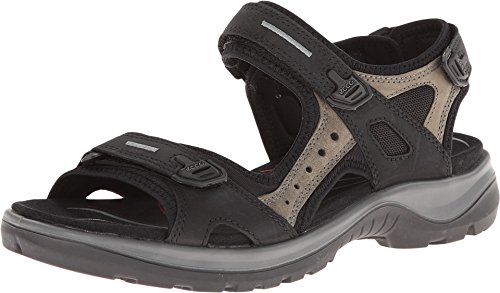

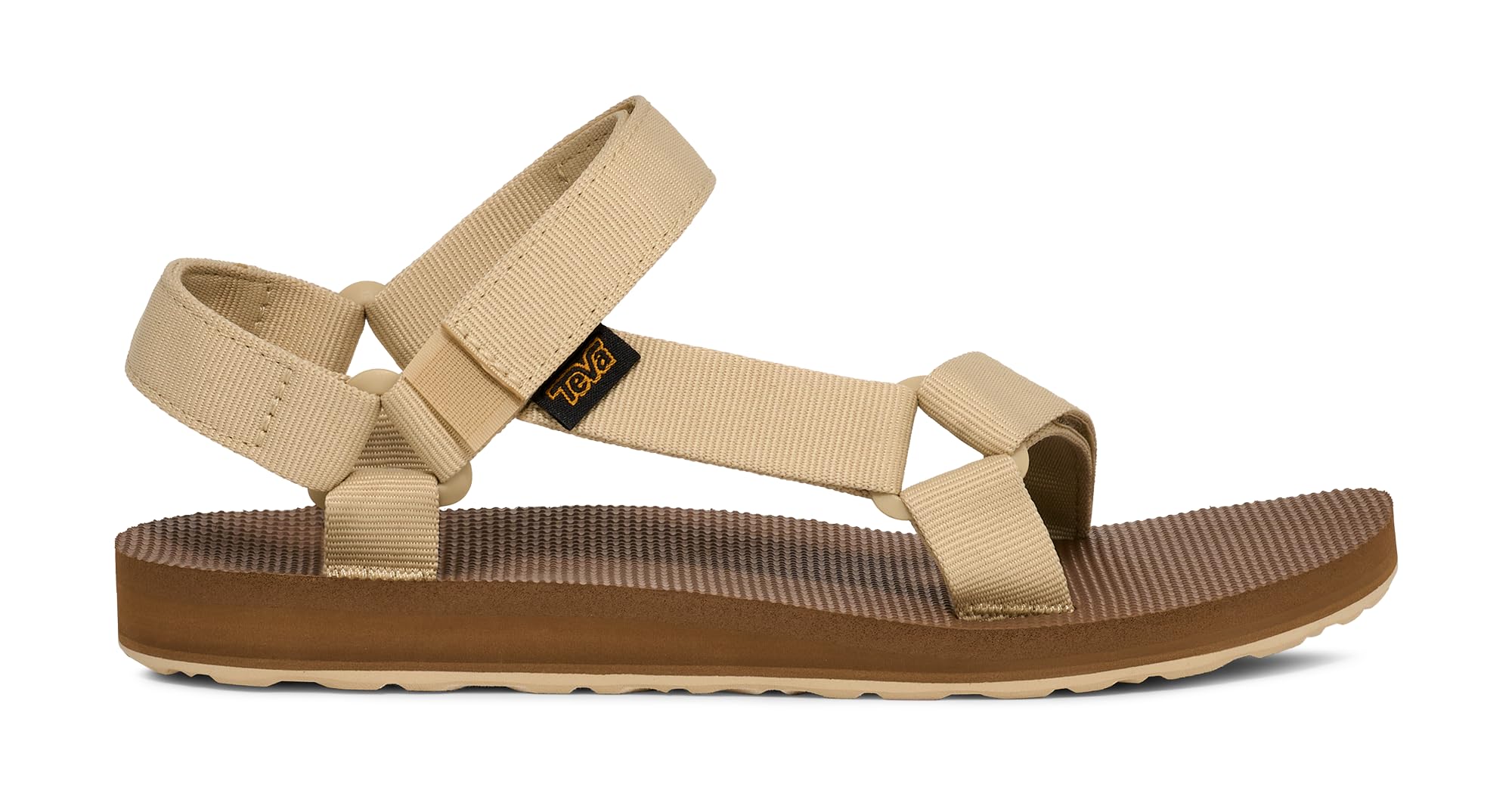

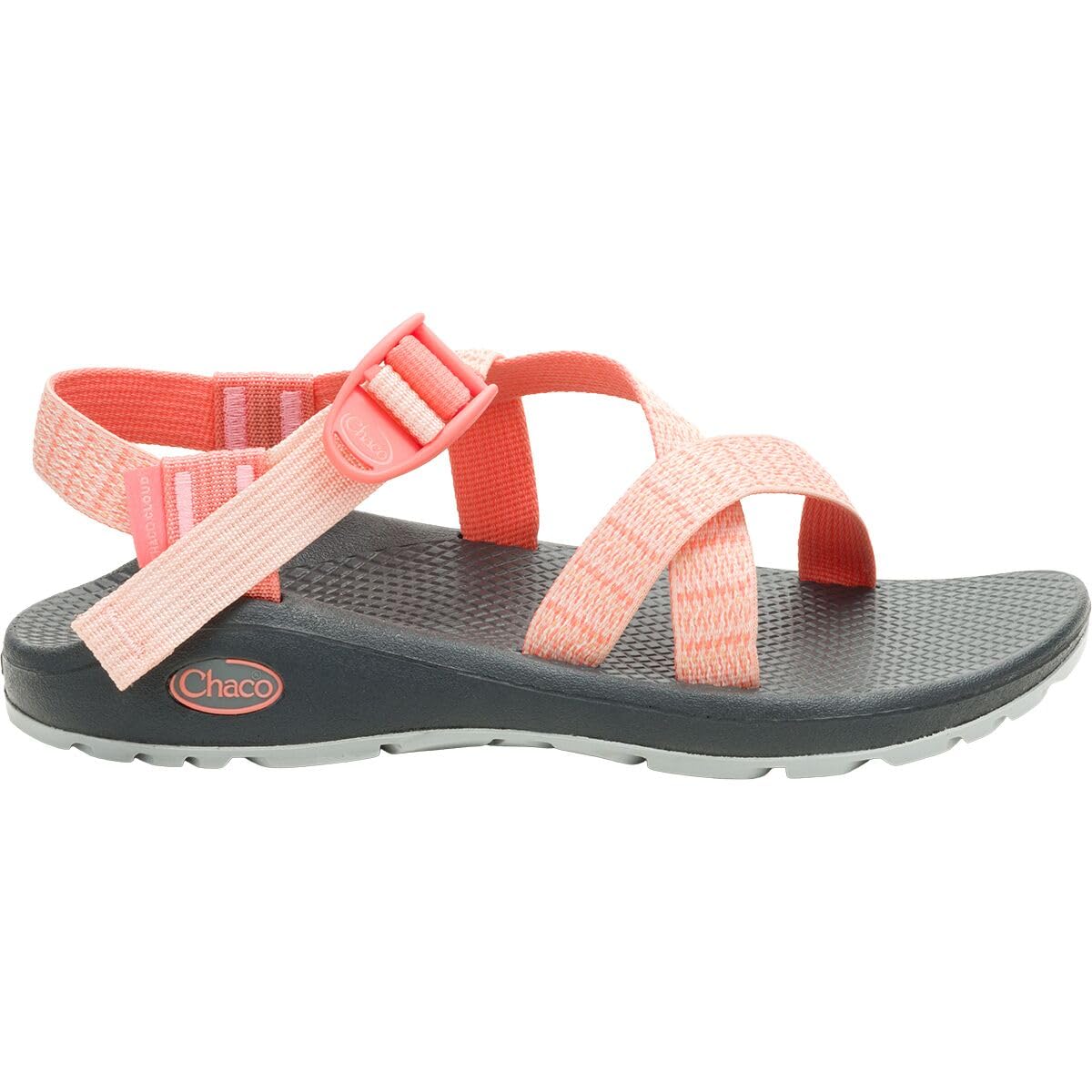

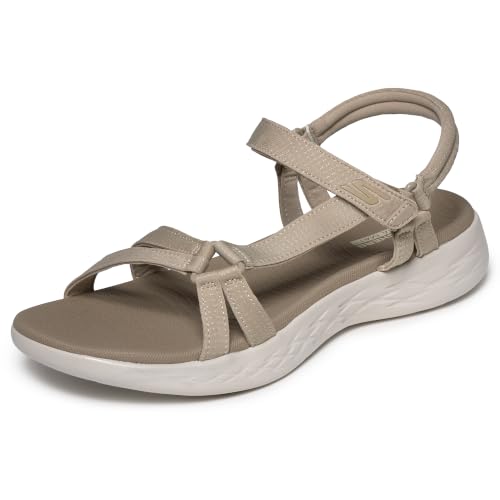


Who Should Buy Active Sandals
Active sandals suit women who walk a lot in warm weather, travel light, or spend long days on their feet in summer. They suit city walking, light trails, beach towns, and theme parks, where closed shoes feel hot but flip flops offer no support. If your summer days involve several miles of walking, an active sandal protects feet far better than a flat slide.
They suit a wide range of feet, provided the fit and support match the wearer. Women with high arches, flat feet, or previous foot pain benefit most from contoured footbeds, while anyone can enjoy the cooler, lighter feel. Only very rugged mountain trails or workplaces needing toe protection call for closed shoes instead.
Arch Support And Footbed Shape
Arch support is the defining feature of an active sandal, because a contoured footbed cradles the arch and spreads pressure across the whole foot. A flat footbed may feel fine for an hour but tires feet over a long day, while a shaped footbed reduces strain on arches, heels, and knees. Look for a footbed that matches your arch height, neither too high nor too flat, and that cups the heel gently.
Material matters too. Cork and EVA footbeds mold slightly to the foot over time, while firmer polyurethane holds its shape longer. A textured footbed improves grip when feet sweat, and a washable footbed stays fresh through summer. Try sandals later in the day when feet are slightly swollen, and walk on a hard surface, not just carpet, before you decide.
Straps, Fit, And Adjustability
Straps decide whether a sandal stays put or rubs, so look for multiple adjustment points across the forefoot, instep, and heel. A heel strap keeps the sandal from flopping and reduces toe gripping, which tires feet and causes blisters. Straps should feel snug without cutting in, and soft linings under straps prevent chafing on long walks.
Fit checks matter: toes should not hang over the front edge, the heel should sit within the footbed, and the widest part of your foot should align with the widest part of the sandal. Break sandals in gradually with short walks before a long day or holiday, and wear the socks or bare feet you plan to use, since that changes fit. Blisters on a first long walk usually signal a fit or strap problem, not a need to toughen feet.
Soles, Grip, And Terrain
Soles should grip wet pavements, dusty paths, and light trails without feeling heavy or stiff. A lugged rubber outsole grips better than a smooth sole, while a cushioned midsole absorbs impact on hard city pavements. Town sandals prioritize light weight and flexibility, while hiking sandals add tougher soles, toe protection, and more secure straps for uneven ground.
Consider water use too. If you cross streams, visit beaches, or walk in rain, quick drying straps and a non slip wet grip sole matter. Sandals that stay soggy for hours cause blisters and odor, so check drying time and drainage. For mostly dry town walking, breathability and light weight matter more than water performance.
Care, Longevity, And Foot Health
Care keeps active sandals comfortable: rinse after beach or muddy walks, wash straps and footbeds as the maker directs, and dry them away from direct heat that can warp soles. Check straps and buckles for wear, since a failing strap mid walk ruins a day, and replace sandals when cushioning flattens or soles wear smooth. Most active sandals last a season or two of heavy use, longer with lighter use.
For foot health, pay attention to warning signs. Persistent heel pain, arch pain, swelling, numbness, or blisters that keep returning despite good fit deserve advice from a clinician or podiatrist, not just a new sandal. Comfort, support, and sensible break in protect feet, but pain that changes how you walk should always be assessed promptly.
Related Guides Worth Reading
For related choices, see our guides to the best active sandals, best orthopedic sandals for women, best hiking sandals for women, best supportive sandals for women and best comfortable sandals for women.
A Final Check Before You Order
Before a long day or holiday, break sandals in with short walks and check that straps stay snug without cutting in once feet warm up and swell slightly. Walk on hard surfaces, not just carpet, and confirm toes and heels sit fully within the footbed. A sandal that feels fine for ten minutes can rub badly after several miles, so gradual testing protects your feet.
If foot pain, swelling, numbness, or recurring blisters appear despite good fit, seek advice from a clinician or podiatrist rather than simply buying another pair. Pain that changes how you walk deserves assessment, and the right support or treatment matters more than any sandal alone. With good fit and attention to warning signs, active sandals make warm weather walking a pleasure.
Pack active sandals with care for travel, keeping straps flat and buckles away from delicate clothing that could snag. Rinse them after beach days, since salt and sand wear straps and footbeds faster than dry use, and dry them in shade rather than fierce sun that can warp soles. A little travel care keeps a favorite pair comfortable across many trips.
Frequently Asked Questions
Are active sandals good for long walks?
Yes, when they offer contoured arch support, secure adjustable straps, and a grippy cushioned sole, because those features reduce fatigue and blister risk over distance. Break them in with short walks first, check that toes and heels sit within the footbed, and carry a backup pair on very long days. Flat fashion sandals tire feet far faster, so support is what makes an active sandal suitable for walking.
How should active sandals fit?
Toes should not hang over the front edge, heels should sit within the footbed, and the widest part of your foot should align with the widest part of the sandal. Straps should feel snug without cutting in, and a heel strap should stop the sandal flopping as you walk. Try sandals later in the day when feet are slightly swollen, and walk on a hard surface before deciding, since carpet hides fit problems.
Can I wear active sandals for hiking?
Light trails and well kept paths suit hiking style active sandals with tougher soles, toe protection, and secure straps. Rugged mountain trails with loose rock, steep drops, or heavy packs call for closed hiking shoes instead, since sandals leave toes and ankles exposed. Match the sandal to the trail: town sandals for pavements, hiking sandals for light trails, and boots for rough terrain.
How do I stop sandals rubbing and blistering?
Choose a secure fit with adjustable straps, break sandals in gradually, and keep feet dry, since damp skin blisters faster. Smooth strap linings, a heel strap that stops flopping, and correctly sized footbeds all reduce friction. If a spot keeps rubbing despite good fit, try a different strap position or a protective cover, and seek foot care advice if blisters keep returning.
When should I replace active sandals?
Replace them when cushioning flattens, soles wear smooth, straps stretch or fray, or foot pain returns that was previously controlled. Heavy daily use may wear a pair out in one season, while lighter use can last several seasons. Check grip on wet surfaces, since worn soles slip dangerously, and retire sandals that no longer hold the foot securely even after adjustment.
Final Thoughts
Choose an active sandal with contoured arch support, adjustable secure straps, and a grippy sole matched to your terrain, then break it in gradually. The product table compares the main styles on support and intended use.
With the right fit, active sandals make warm weather walking comfortable, cool, and blister free. Test on hard surfaces, watch for warning signs, and talk with a podiatrist if foot pain persists. That is how you choose the best active sandals for women for your needs.


