
Best Alternative to Ugg Slippers (2026): Buyer Guide
Disclosure: We may earn a commission when you buy through links on this page, at no extra cost to you. As an Amazon Associate I earn from qualifying purchases. Learn more

A plain guide to the best alternative to ugg slippers: linings, soles, sizing, and what to check before you buy.
Shearling slippers have a loyal following for one simple reason. They feel wonderful on a cold morning. But the price, the care needs, and the animal materials lead many first time buyers to look at alternatives that promise similar warmth for less money and simpler upkeep. The choice can feel surprisingly technical once you meet words like outsole, loft, and shearling grade.
This guide explains the basics in plain English, one spec at a time, and shows you how to spot value. By the end, choosing the best alternative to ugg slippers for your home and habits will feel straightforward. Keep the comparison table below open as your shortlist while you read.


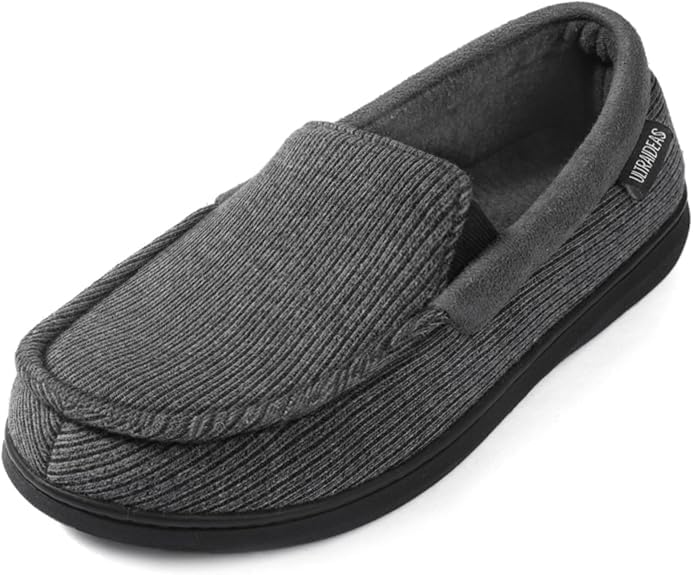
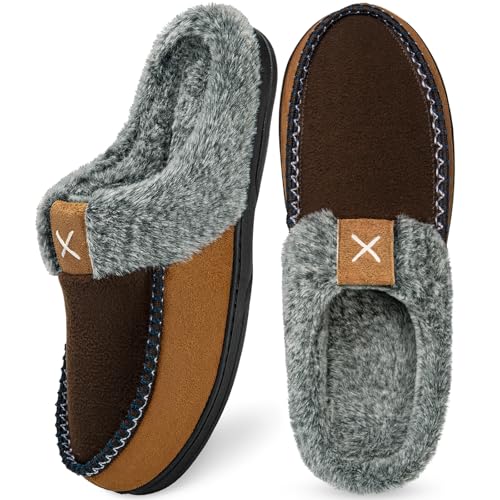
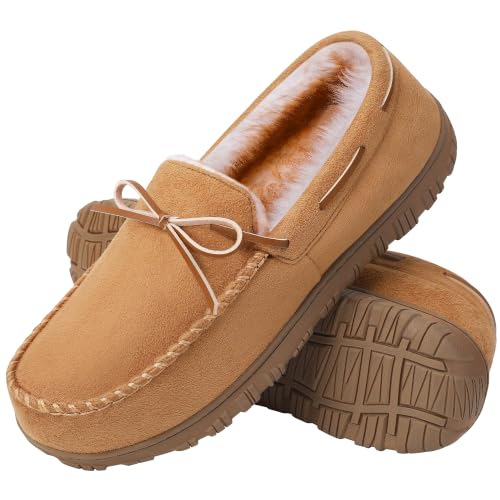
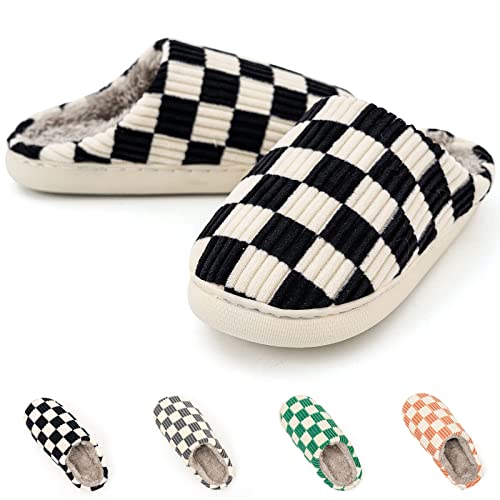
Alternative Ugg Slippers 101: The Basics
An alternative slipper copies the job of a shearling slipper, warm lining, soft cushioning, and an easy slip on shape, using other materials. Common linings include faux shearling made from polyester, wool blends, fleece, and sherpa knits. Uppers range from suede and microsuede to knit fabrics and felt. The sole decides where you can wear them. Thin soft soles suit bedrooms only, while molded rubber outsoles handle tile, wood floors, and short trips to the porch or mailbox.
A few terms help. The insole or footbed is what your foot rests on, and memory foam footbeds feel plush at first touch. The midsole adds cushioning and support, and the outsole is the bottom layer that grips the floor. Closed back styles stay on your heel and feel steadier on stairs, while open back mules are faster to slip on and feel cooler. Neither style is better for everyone. Your floors, your climate, and how warm your feet run decide the match.
Key Specs Explained in Plain English
Fit, Sizing, and Toe Box
Try slippers at the end of the day, when feet are warm and slightly swollen, and wear the socks you plan to use at home. Plush linings compress over the first week, so a new slipper should feel snug but never tight across the toes. Your longest toe needs a little space, and your heel should stay in place as you walk, not slap with each step. A roomy toe box suits wide feet and anyone who dislikes pressure on the toes. Many alternative styles come in whole sizes only. If you fall between sizes and plan bare feet, size down is a common maker suggestion, but check the return policy first.
Weight and Flexibility
Lightweight slippers feel like almost nothing, which is lovely for lounging and travel, but very light builds often trade away support and sole life. A slightly heavier slipper with a shaped footbed usually feels better for cooking, cleaning, and standing at a desk at home. Flexibility tells a similar story. A sole that bends at the ball of the foot walks naturally, while a board stiff sole can feel clunky on stairs. Aim for the middle. Enough structure to support your arch, enough flex to move quietly across the house. If you also shop outdoor styles, our guide to the best alternative to ugg boots covers the same balance for boots.
Outsole Traction and Terrain
Look at the bottom before you buy. A flat, smooth sole can skate on polished wood and tile, especially with socks underneath your balance already reduced. Molded rubber with shallow lugs or a wave pattern grips household floors and damp porch boards far better. Deeper lugs suit garage and patio use but can catch on thick carpet. Materials sold as Gore Tex style membranes appear more in outdoor footwear than slippers, so for home use focus on rubber coverage and tread pattern. A practical test at home is simple. Walk your usual path to the kitchen at night pace and notice any slide on turns.
Break In Period and Comfort Out of the Box
Most alternative slippers need little break in, but linings do change. Faux shearling and fleece pack down where your heel and toes press, usually within one to two weeks, and the fit loosens as they do. Memory foam softens with warmth and molds to your foot shape over the first days. Judge comfort after a week of evenings, not in the first five minutes in a store. Warning signs are different. Seams rubbing the top of your foot, a heel counter that digs in, or numb toes will not fix themselves with time, and those are reasons to exchange.
Durability and Expected Lifespan
With daily home wear, a well made alternative slipper usually lasts one to three years before cushioning feels flat. The lining mats first, then the footbed loses spring, and finally the outsole smooths at the heel and ball. You can borrow a rule from walking shoes, where 300 to 500 miles is a common life span for cushioning foams. Indoor miles add up faster than you think across a winter. Rotating two pairs, one for mornings and one for evenings is more than most people need, but resting a pair every other day does slow foam fatigue.
Shoppers who want the original style for comparison can see our guide to the best slippers ugg range and note which features the alternatives copy most closely.
Rookie Mistakes to Avoid
- Buying your shoe size without checking the brand chart, even though plush linings make slippers fit smaller than sneakers at first.
- Choosing the softest footbed in the store, then finding it offers no arch support for long standing jobs at home.
- Ignoring the outsole and ending up with a bedroom only sole for a house with tile, stairs, and a dog to let out.
- Washing faux shearling in hot water or drying it with high heat, which can melt fibers and ruin the lining in one cycle.
- Keeping slippers long after the cushioning dies because the upper still looks new.
Getting Started: Setup and First Use
When your slippers arrive, wear them around the house for a few evenings with clean socks or bare feet, whichever you plan as your habit, and check heel fit on stairs. If the lining feels too lofty, give it a week to compress before judging size. Keep them dry and aired out between wears, since warm linings hold moisture. Air dry wet shoes and slippers away from direct heat such as radiators, which warps soles and stiffens linings. A light brush restores fleece and faux shearling nap. For odor, a sprinkle of baking soda overnight, shaken out in the morning, is a simple know how fix that harms nothing.
Frequently Asked Questions
Do I need waterproof shoes?
For pure indoor wear, no, you do not need waterproofing, and breathable linings will feel better. You do want a rubber outsole with water resistant upper if you step onto wet porches, take out trash, or cross a damp garage daily. Full waterproof builds can trap heat and sweat at home, so match the protection to your routine. A middle path, a sealed sole with a suede or knit upper treated with a fabric spray, covers most homes well.
How often should I replace my alternative ugg slippers?
Replace them when the footbed stays flat after a night of rest, the lining has worn thin at the heel or toes, or the outsole has gone smooth where you push off. For daily wear that is often every one to two years, and for evening only wear it can be three years. Do not wait for holes. Dead cushioning changes how you stand, and tired feet and sore arches are the usual first sign the pair is done.
Can I wear them all day?
You can wear supportive styles all day at home, especially models with a shaped footbed, closed back, and firm rubber outsole. Pure lounge mules with flat foam soles are less kind over long standing time in kitchens and workshops. If you work from home, treat slippers like work shoes. Choose support first, add a second pair for pure relaxing, and take short barefoot breaks on carpet if that feels good.
How should alternative ugg slippers fit?
They should feel snug and warm with no toe pressure and no heel slipping as you walk. Expect the lining to relax by roughly half a size in feel over the first two weeks. Toes should wiggle, the widest part of your foot should sit at the widest part of the slipper, and stairs are the best home test. If your heel lifts out on steps now, it will only get looser later, so exchange rather than hope.
Are expensive alternative ugg slippers worth it?
They are worth it when the money buys a real rubber outsole, a shaped and replaceable footbed, and lining that stays lofty past one winter. Cost per winter is the fair measure. A pair at about $80 lasting three winters beats a pair at about $35 replaced each year, and feels better daily. Price alone proves nothing, though, and some costly fashion pairs spend on looks over support. Check the sole and footbed before the label.
Wrapping Up
Fit, outsole grip, and footbed support are the three choices that decide daily happiness with any slipper. Get those right for your floors and your feet, and lining material and color become easy final calls. Compare your shortlist in the product table above, wear the winner indoors during the return window, and the best alternative to ugg slippers for your home should feel obvious within a week of evenings.


