Best Alpina Watches: 2026 Checklist and Buyer Guide
Disclosure: We may earn a commission when you buy through links on this page, at no extra cost to you. As an Amazon Associate I earn from qualifying purchases. Learn more

Use this checklist to choose the best alpina watches by movement, case size, crystal, water resistance, and value for your wrist and daily use.
Alpina builds Swiss watches with a strong outdoor streak, from rugged field styles to proper dive watches and connected models. That breadth is a gift and a problem: the catalog is wide enough that choosing by looks alone often ends in the wrong size, movement, or water rating.
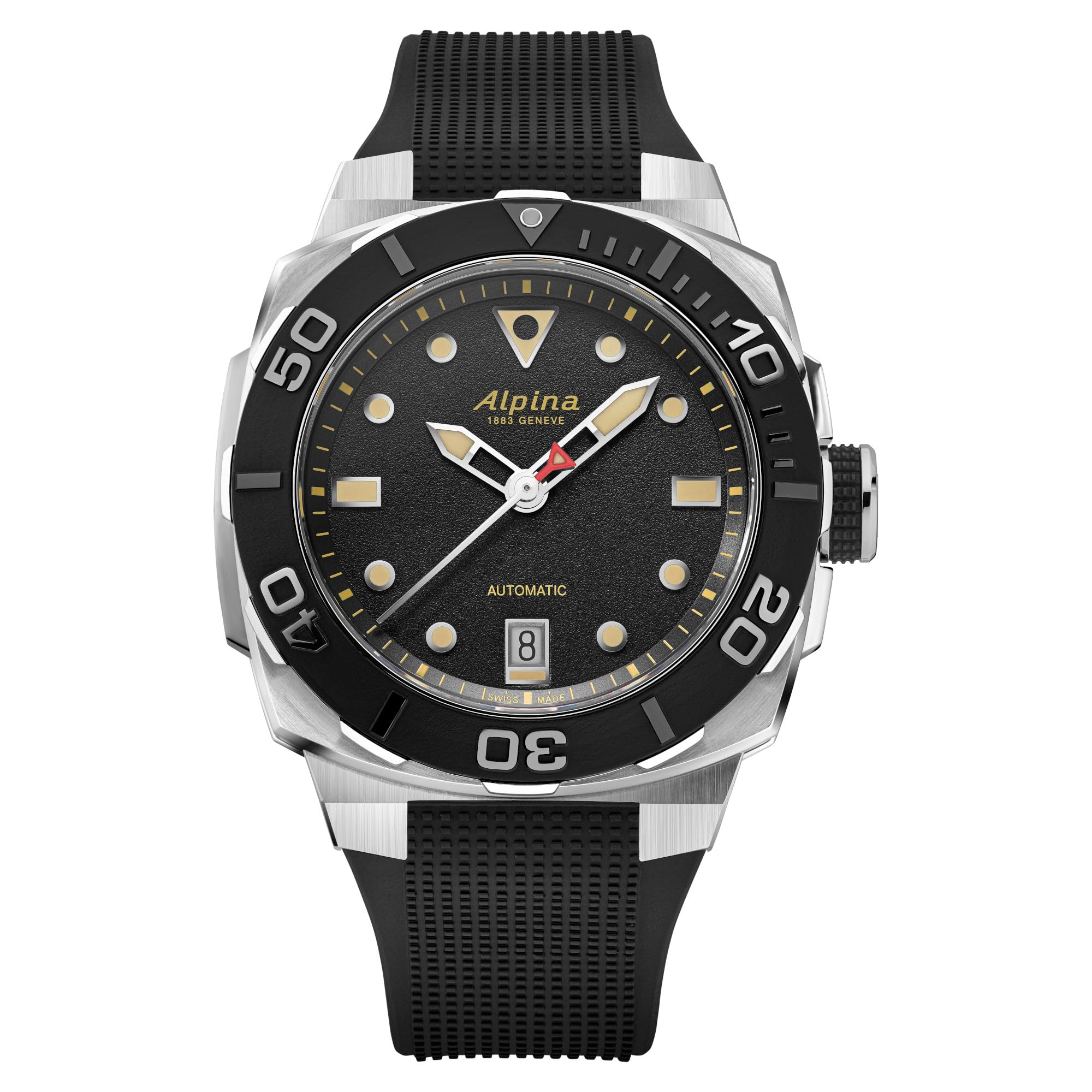
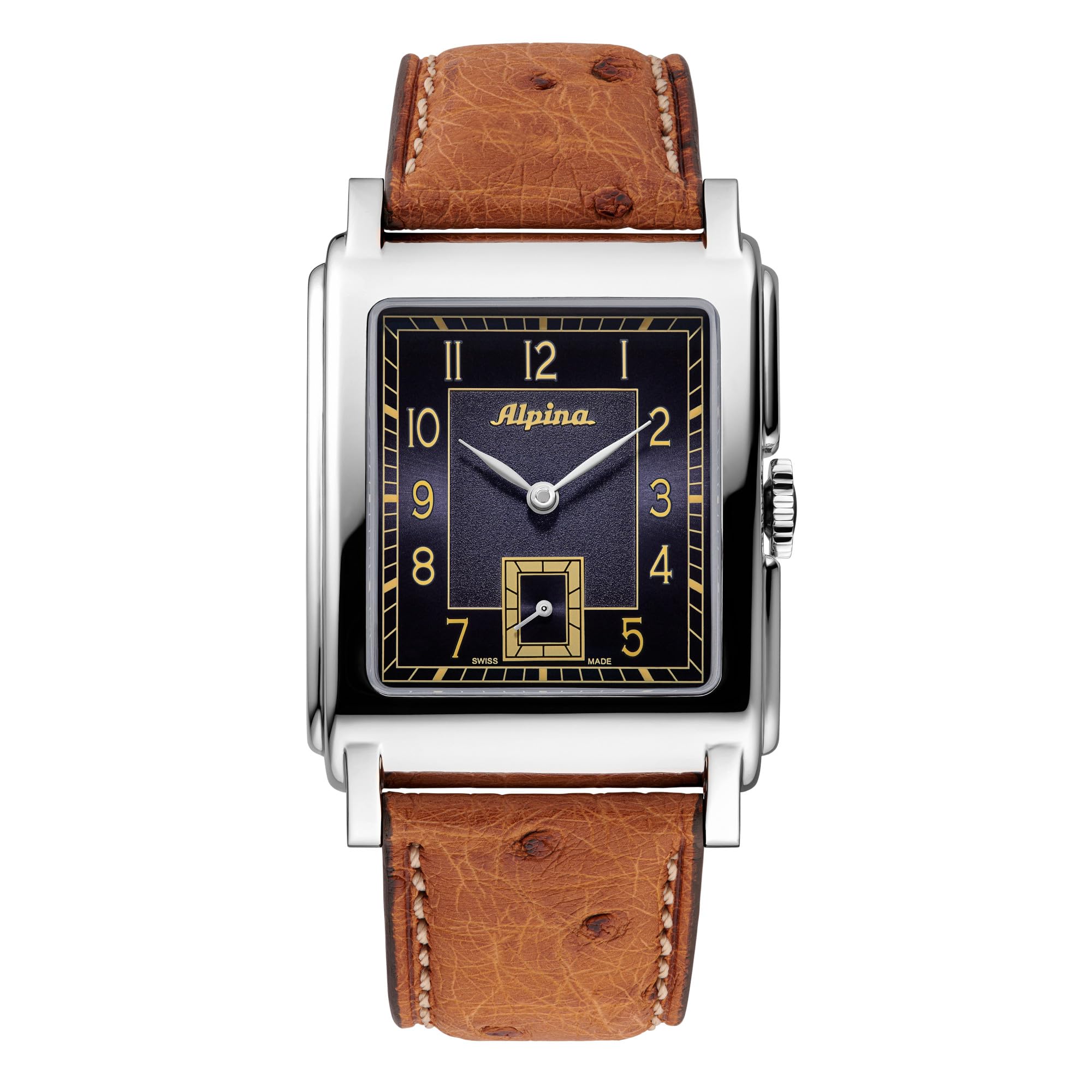
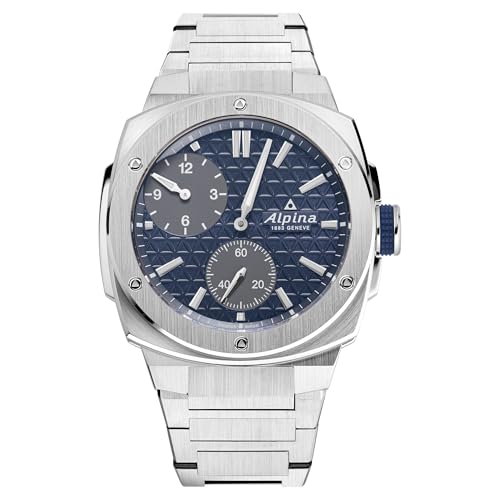
This guide gives you a clear checklist for finding the best alpina watches for your wrist and your routine. Work through the comparison table below, then score any candidate against the criteria that follow.

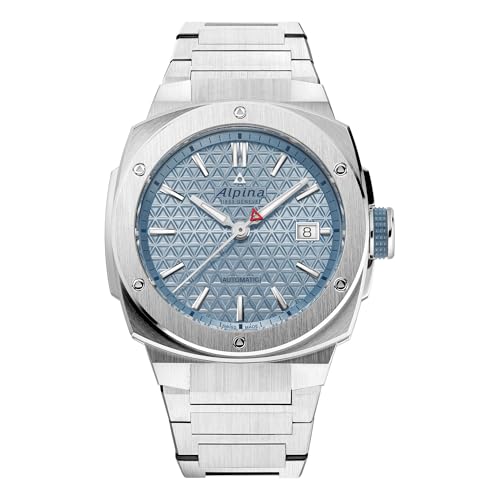


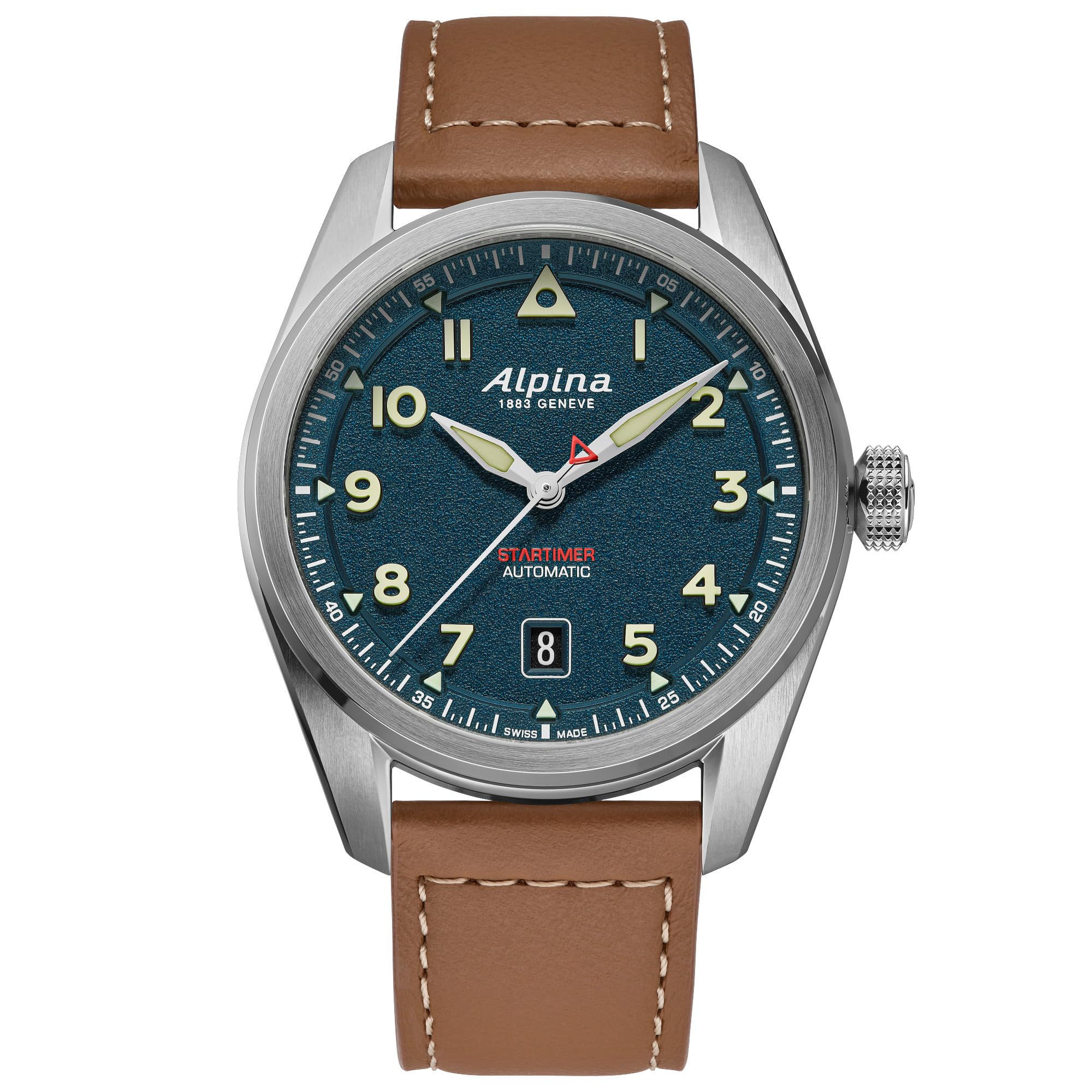

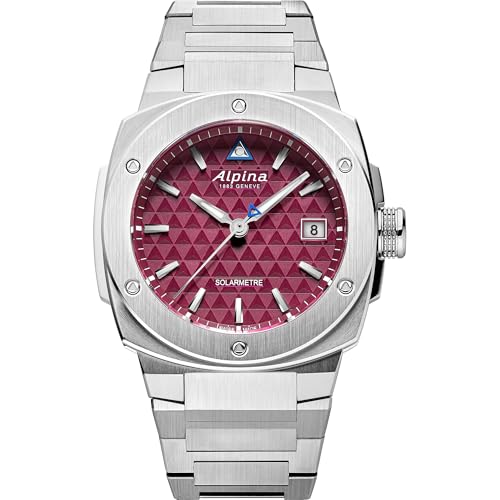
How We Evaluate Alpina Watches
Movement Type (Quartz, Automatic, Solar, Smart)
Start with the movement, because it decides accuracy, upkeep, and price. Quartz is the most accurate and needs only a battery change every couple of years. Automatic movements wind from your wrist motion, feel more traditional, and need servicing every 5 to 7 years. Alpina also offers connected smart models that pair with your phone. Decide honestly: if you rotate several watches, a quartz or connected model avoids the resetting ritual automatics demand after sitting still.
Strap and Bracelet Options
A strap changes comfort, weight, and the whole character of the watch. Leather suits office wear but dislikes water, while rubber and silicone handle sweat and swimming with ease. Metal bracelets add heft and durability, and fabric straps keep big cases light on the trail. Quick release spring bars are worth seeking out because they let you swap straps in seconds without tools. Always confirm lug width before buying spares, since a strap that almost fits will eventually work loose.
Crystal and Case Materials
Sapphire crystal is the standard you want at this level: it resists scratches from door frames, tools, and grit far better than mineral glass. Most Alpina cases use stainless steel, which balances toughness and polish, while titanium versions cut weight for all day wear. Check whether the bezel is fixed or rotating, since a rotating bezel supports dive timing and general countdown tasks. A signed crown and tidy case finishing are small signs of care that tend to track with overall build quality.
Water Resistance Rating
Read water ratings as permission levels, not depth promises. A 30 meter rating means splash protection only, so keep it away from showers and pools. At 100 meters you can swim and snorkel with confidence, and 200 meters with a screw down crown suits recreational diving. Remember that seals age: a watch that was swim safe when new needs fresh gaskets every few years. Never press pushers underwater unless the manual explicitly allows it.
Brand Reputation, Warranty, and Value
Alpina is a Swiss maker with roots in the nineteenth century and focuses on sport designs rather than dress pieces. That focus keeps prices below many Swiss rivals with similar specs, which is the core of its value case. Check the warranty length, typically around two years, and confirm that service centers or authorized watchmakers near you can handle the movement. Resale value is modest compared with luxury icons, so buy to wear, not to speculate.
Case Size and Wrist Fit
Case diameter alone misleads; lug to lug length decides whether a watch overhangs your wrist. Most buyers land happily between 38 and 44 mm cases, with thickness under about 13 mm sliding easily under a cuff. Measure your wrist, then compare lug to lug against the flat top of your wrist bone to bone. Lume quality also matters for fit in daily life: strong lume keeps a larger dial readable at night without a backlight.
Smart and Fitness Features
Alpina connected models blend analog hands with activity tracking, sleep logging, and phone notifications. GPS usually comes from your phone rather than the watch itself, so check what the companion app records before assuming full sports watch capability. Battery life is the big win here, measured in months rather than days. Treat heart rate and sleep figures as general wellness guidance only, never as medical measurements, and talk with a clinician about any health concern.
If your main goal is training data rather than Swiss styling, compare this category with our guide to the best workout watches, which covers dedicated sports models in depth.
How the Checklist Applies at Each Price Level
The Balanced All Rounder
The strongest all round choice usually pairs an automatic or high accuracy quartz movement with a sapphire crystal, 100 meter water resistance, and a case near 40 to 42 mm. That mix covers office, travel, and weekend water use without specialization regrets. Expect to pay a midrange price, roughly about $700 to $1,200 depending on movement and bracelet. If a candidate misses sapphire or drops below 100 meters at this level, keep looking.
The Value Pattern
Value in this lineup usually means quartz accuracy, sapphire glass, and a steel case without paying for mechanical servicing later. Rubber or fabric straps keep the price down and suit active wear. Prices often fall around $300 to $600, especially during seasonal sales from authorized sellers. The compromise is heritage appeal: quartz lacks the sweeping seconds hand collectors love. For a first Swiss watch worn daily, that trade is usually the sensible one.
The Premium Pattern
Premium territory buys in house or higher grade automatic movements, 200 meter dive ratings, and refined bracelets with solid end links. You may also gain a display case back and finer dial textures such as applied indexes and layered lume. Prices commonly run about $1,200 to $2,500. This level makes sense if you will wear the watch for a decade and value mechanical character. Budget for servicing in that plan, because premium movements cost more to maintain.
Quick Buyer Checklist
Run through these questions before you pay. A yes on nearly all of them means the watch fits your life, not just your eye.
- Does the lug to lug length sit within the flat of your wrist?
- Is the crystal sapphire rather than mineral glass?
- Does the water rating match your swimming or diving habits?
- Can you accept the service interval and cost of this movement?
- Does the strap material suit your climate and water exposure?
- Is the seller authorized, with a full warranty included?
- Would you still choose it without the brand name on the dial?
Shoppers comparing Swiss sport watches with other styles may also browse our guide to the best quality watches for a wider view of build standards at each price.
Red Flags to Watch For
Walk away from listings with vague movement descriptions, such as a generic claim of Swiss movement with no caliber named. Be wary of prices far below every authorized seller, which often signal gray market stock with no valid warranty. Blurry dial photos, mismatched date fonts, and feather light cases are classic counterfeit warnings. A very short return window is another concern, because wrist fit problems often appear only after a full day of wear. Finally, treat review pages full of identical praise and no criticism as marketing, not evidence.
Setup and Care Tips
Set the date outside the late evening hours, when the date mechanism is engaged and forcing it can damage gears. Rinse the watch in fresh water after saltwater exposure, and dry the strap fully before storing it. Keep automatic watches away from strong magnets, which can upset timing until a watchmaker demagnetizes the movement. Store the watch in a soft pouch or case, and book a full service every 5 to 7 years for mechanical models, or sooner if timekeeping drifts noticeably.
Alpina Watches: Your Questions Answered
Is a smartwatch worth it over a classic Alpina watch?
A connected model is worth it if you want activity and sleep tracking without charging a device every night. Classic models win on longevity, since their movements can be serviced for decades while smart electronics age out. Many owners split the difference: a classic watch for most days, and a connected one for training blocks and travel.
How long does an Alpina watch battery last?
A quartz battery typically lasts about 2 to 3 years, depending on features such as alarms or backlights. Connected models stretch far longer on their cells, sometimes close to two years, because they avoid power hungry screens. Replace batteries through a watchmaker who can renew the seals and retest water resistance, rather than prying the case open at home.
How water resistant should an Alpina watch be?
Choose at least 100 meters if you swim, and 200 meters with a screw down crown for diving. A 30 or 50 meter rating is fine for desk work and rain, but not for laps in the pool. Whatever the rating, have seals checked every couple of years, because dried gaskets are the most common cause of water damage.
What Alpina case size fits my wrist?
Most wrists between about 6 and 7.5 inches suit 38 to 44 mm cases, with lug to lug length the deciding figure. If the lugs hang past your wrist edges, size down even if the diameter sounds right. Trying a watch on with your usual sleeve also helps, since a thick dive case can fight with fitted cuffs.
Quartz or automatic Alpina: which is better?
Neither is better for everyone: quartz wins on accuracy, price, and zero fuss, while automatic wins on craft and long term serviceability. Daily wearers who own one watch often prefer quartz, and enthusiasts who enjoy mechanical watchmaking prefer automatic. Alpina prices the two lines fairly, so let your habits decide. For general style comparisons, see our guide to the best watches for guys.
Final Thoughts
Score every candidate on movement, fit, and water rating first, because those three decide daily satisfaction. Then confirm sapphire glass, a sane price from an authorized seller, and a strap that matches your routine. Above all, the best alpina watches are the ones that fit your wrist and your habits, so check your finalists against the product table above.