
Best Alternative to Muck Boots: Types Explained 2026
Disclosure: We may earn a commission when you buy through links on this page, at no extra cost to you. As an Amazon Associate I earn from qualifying purchases. Learn more

Choose the best alternative to muck boots with a plain comparison of support shoes, lightweight shoes, and waterproof boots by use.
Tall neoprene farm boots are brilliant in deep mud, but they are not the only answer for wet yards, barns, trails, and winter chores. Some people want a lighter shoe for quick trips outside, some need real ankle support on uneven ground, and some simply run hot in a full height rubber boot. The range of choices can feel confusing at first glance.
This guide compares each type clearly, by job, strength, and weakness, so you can pick the best alternative to muck boots for your land and routine. Start with the comparison table below, then read the type that sounds closest to your day.
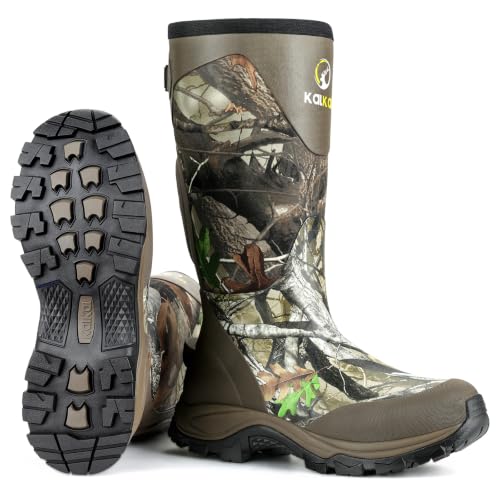
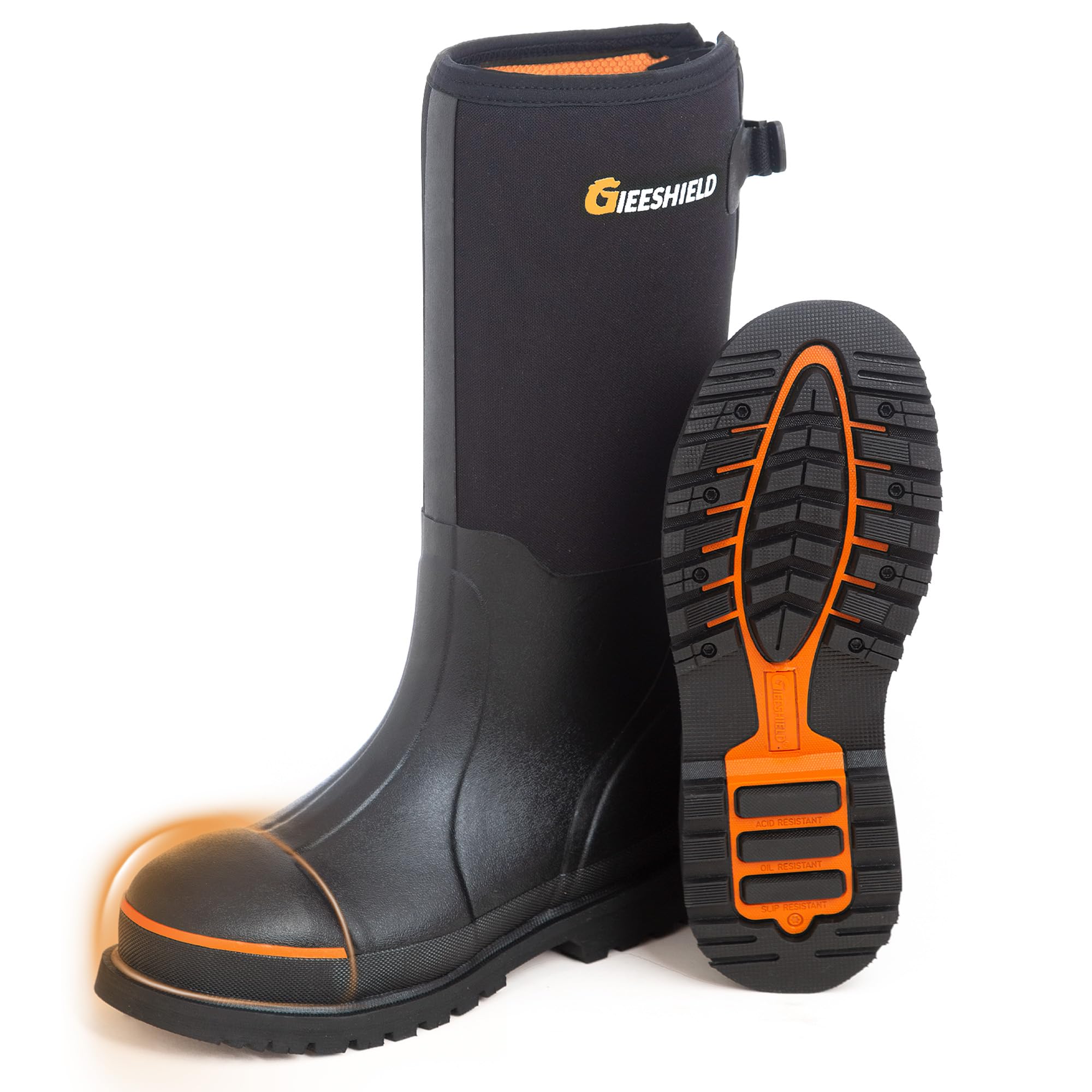

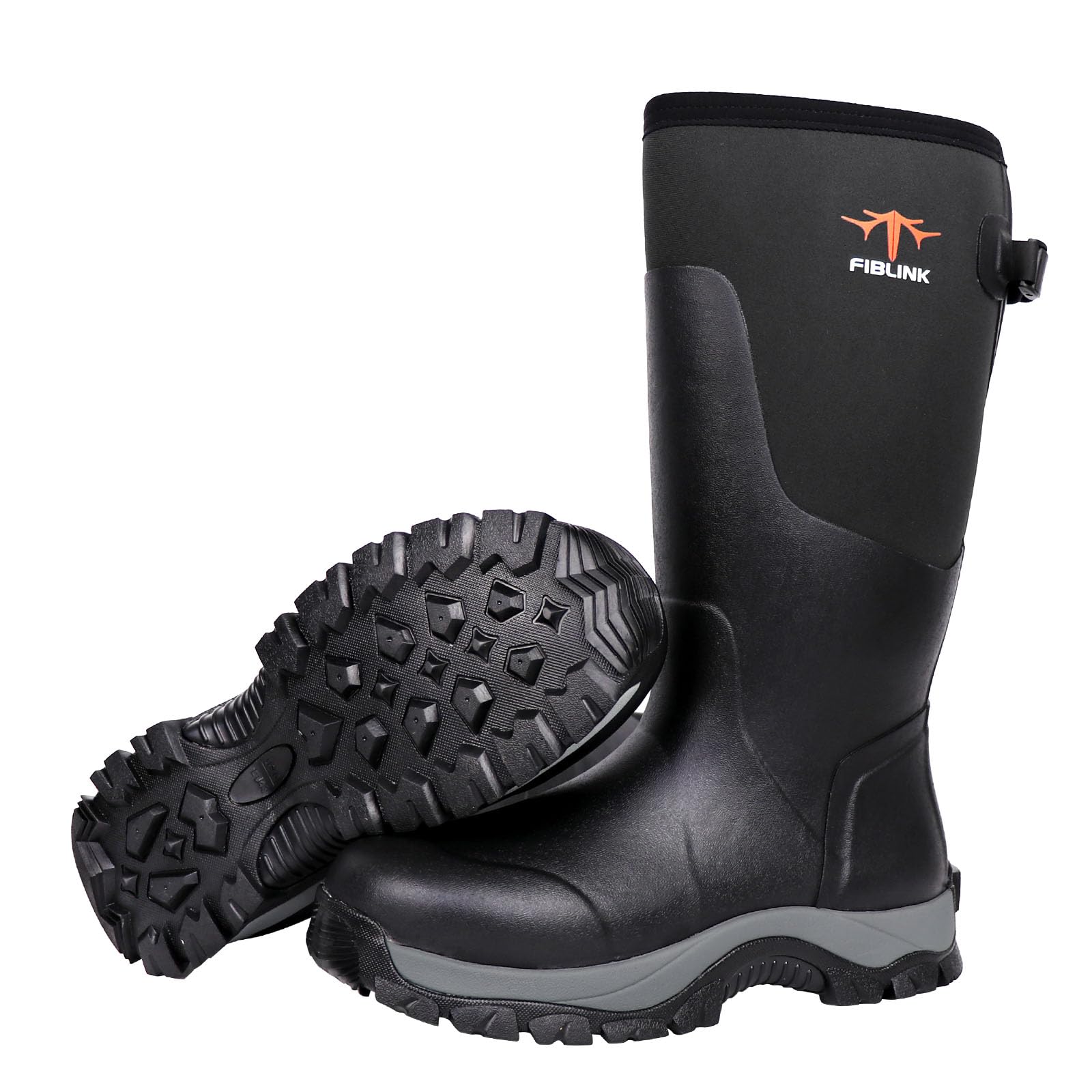
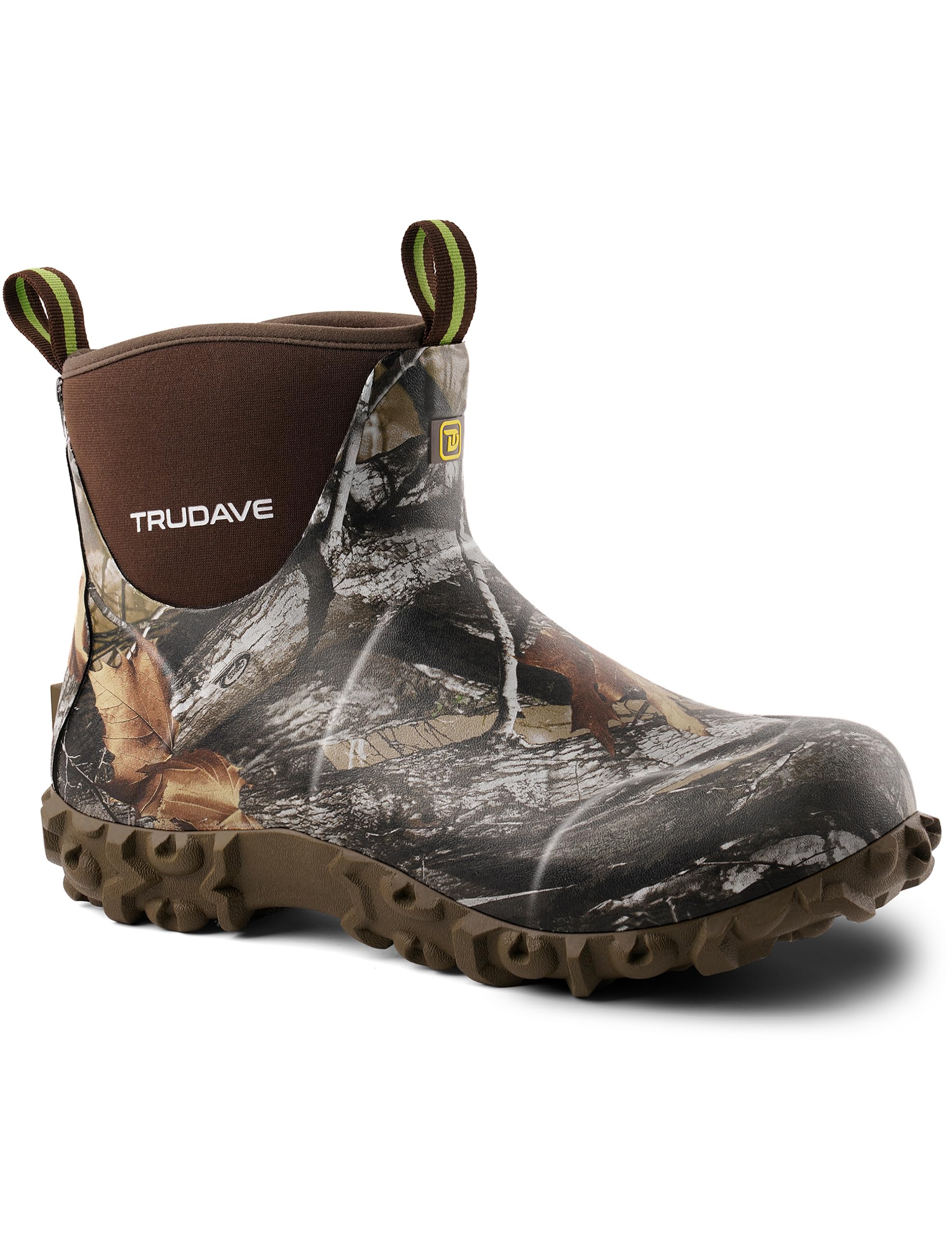

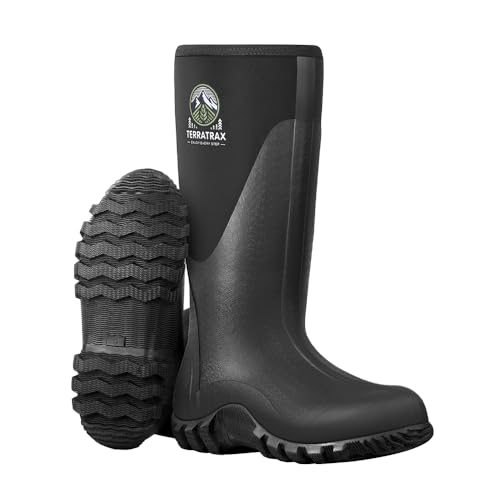
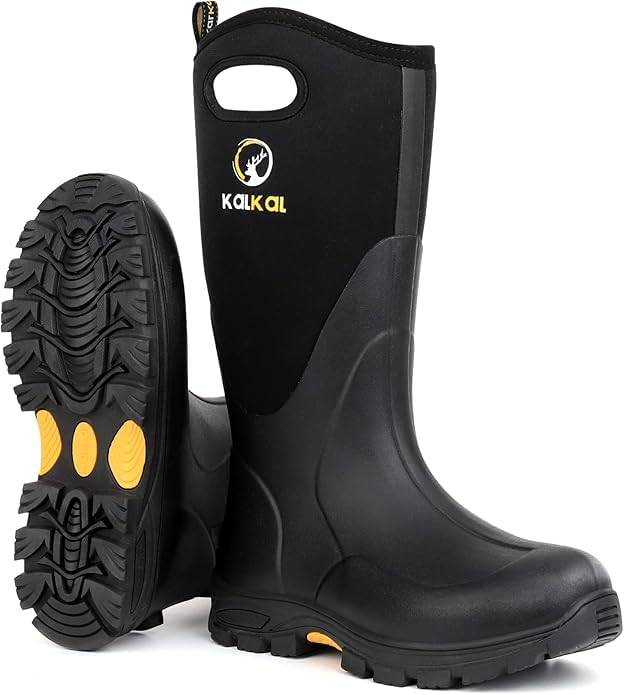
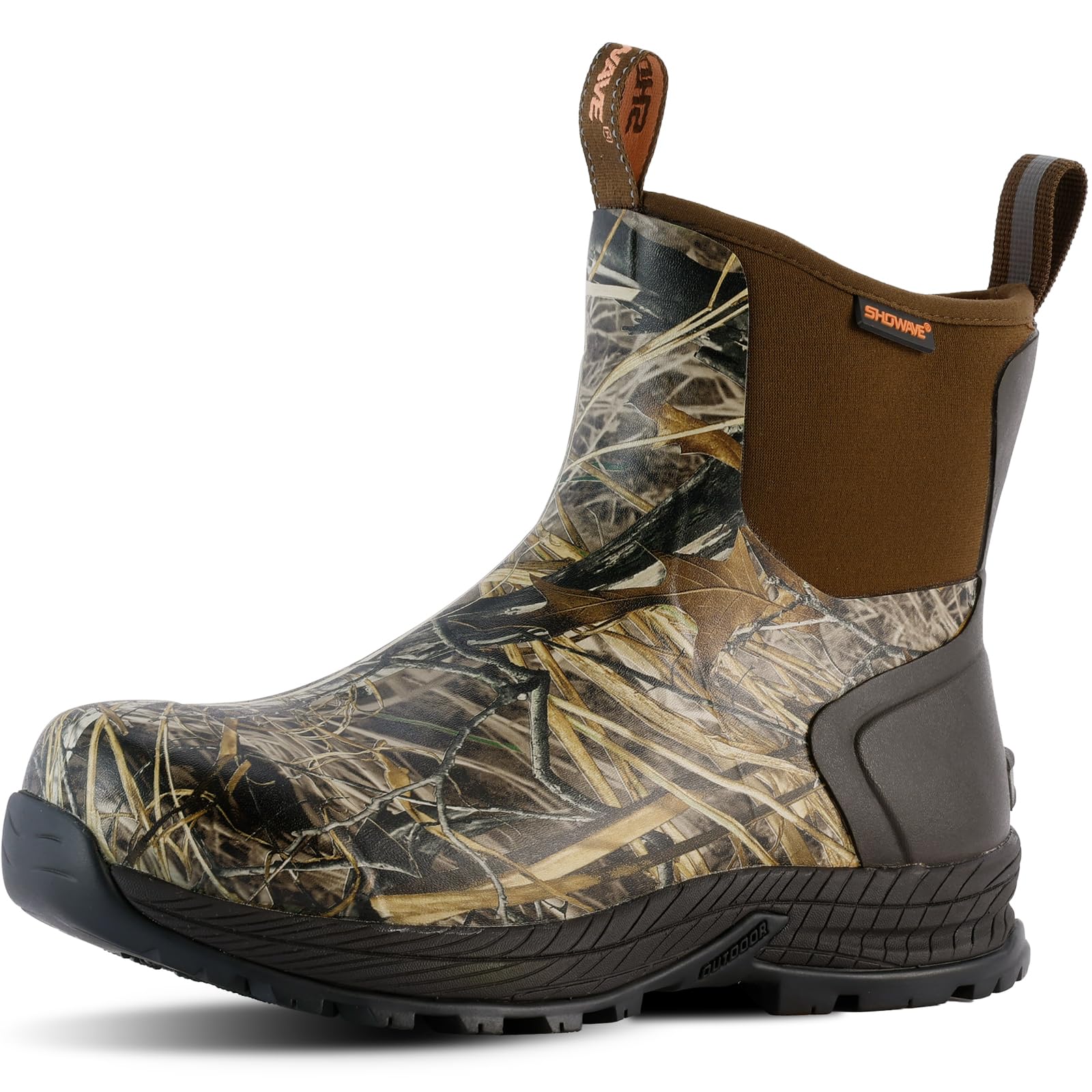

Types of Alternative Muck Boots Compared
Think of the options in three families. Support shoes suit long hours on mixed ground, lightweight shoes suit quick and frequent trips, and waterproof boots suit deep water and mud at lower heights than a classic tall boot. Typical prices run about $60 to $120 for shoes and about $90 to $180 for boots, with work grade leather at the top. For reference, our guide to the best muck boots shows the tall boot standard these options replace.
Stability and Support Shoes
Support shoes use a firm midsole, a shaped heel counter, and often arch support to keep your foot steady on rutted ground and barn concrete. They work like sturdy trail shoes with better grip and water shedding uppers. The pros are all day comfort, less foot fatigue, and easier walking on roads and hard floors than a floppy rubber boot. The cons are lower coverage, so deep puddles can top them, and less insulation in winter. Choose this type if you walk a lot during chores, have feet that ache in flat boots, or need a shoe you can also drive and shop in.
Lightweight Shoes
Lightweight shoes are slip on or low lace styles built for speed and convenience. Think of garden clogs, low slip on shoes with sealed uppers, and light hikers you can kick off at the door. The pros are obvious, low weight, easy on and off, and a cooler feel in summer. They suit lawn work, dog walks, and quick checks on animals. The cons are modest support, thinner soles that feel sharp stones, and limited warmth. Choose this type if your ground is mostly flat, your trips outside are short, and you value convenience over coverage.
Waterproof Boots
Waterproof boots at ankle or mid calf height are the closest swap for a tall muck boot. Leather boots with sealed seams, rubber lower boots with fabric uppers, and insulated winter boots all live here. The pros are real water protection, better ankle support than shoes, and warmth options for snow season. The cons are higher price, more weight, and a break in period for leather. Hunters who sit in wet blinds often start here, and our guide to the best muck boots for hunting shows the features field use demands. Choose boots if standing water, creek edges, or winter slush are normal for you.
Stability and Support Shoes vs Lightweight Shoes: Which Should You Choose?
Compare the two shoe families on five points. Support wins on comfort over distance, arch support, and stability on slopes and ladders. Lightweight wins on price, speed of use, and summer comfort. For grip, both can be good, but support shoes usually carry deeper lugs and firmer rubber. For durability, thicker support builds outlast thin slip ons by a season or more. For water, neither beats a boot, though sealed support shoes shed more than mesh light shoes.
The deciding question is time on your feet. Under thirty minutes at a time on flat ground, lightweight is enough and you will wear it more. Over an hour, or on uneven pasture, support shoes protect your feet and back by the end of the day. Many owners keep both, a light pair by the door for quick jobs and a support pair for work days. That two pair system often costs less than one premium tall boot.
How to Choose the Right Alternative Muck Boot
Durability and Expected Lifespan
Daily chore footwear lives a hard life of mud, manure, gravel, and hose water. Expect about one to two years of daily farm use from shoes, and two to four years from quality boots with care. Soles wear first on concrete, so check tread depth when grip fades. The often quoted 300 to 500 miles figure for running shoes is a useful guide for walking wear too. Once the midsole feels flat and your feet tire faster, the cushioning is done even if the upper looks fine. Rotating two pairs extends life for both.
Break In Period and Comfort Out of the Box
Rubber and synthetic slip ons feel ready at once, while leather waterproof boots may need one to two weeks of short wears before the ankle and toe areas soften. A good rule is to wear new boots around the house and on short chores first, not on the longest work day of the season. Blisters on the heel in the first wears usually mean the size or sock is wrong, not just stiffness. Thick wool blend socks, laced firmly at the ankle, fix many early comfort complaints.
Fit, Sizing, and Toe Box
Measure and try footwear in the afternoon, when feet are at their largest, and wear the socks you will work in. You want about a thumb width in front of your longest toe and room to wiggle toes without the heel lifting. A wide toe box helps when feet swell in heat and suits thick socks in winter. Many farm styles run large to allow heavy socks, so check the brand size chart rather than assuming your sneaker size. Men comparing dedicated tall styles can see our guide to the best muck boots for men for sizing patterns, and the fit logic carries over to alternatives.
Cushioning and Support
Cushioning absorbs impact on concrete and gravel, while support controls how your foot rolls. A modest heel to toe drop, often around 8 to 12 mm in shoes, feels natural for walking and standing. Flat, unsupportive soles tire your arches during long chores. If you have plantar foot pain or a history of ankle sprains, favor the support family and consider an aftermarket insole shaped for your arch. Removable insoles are a plus, since they let you tune fit and replace the first part that wears out.
Women who want a shaped fit rather than a scaled down mens style can check our guide to the best women's muck boots for last and calf fit notes that also apply here.
Setup and Care Tips
Rinse mud off before it dries hard, and air dry wet shoes away from direct heat, which cracks rubber and leather. Stuff tall styles with newspaper overnight to pull moisture and hold shape. Rotate two pairs for daily wear so foam and linings recover between uses, the same habit that helps running shoes reach their full 300 to 500 miles. Treat leather with conditioner a few times a year, check seams before winter, and store boots upright in a dry place out of strong sun.
Frequently Asked Questions
How should alternative muck boots fit?
They should feel snug at the heel and midfoot with clear space at the toes, about a thumb width when standing. Your heel should not lift with each step, and no toe should press the front when you walk downhill or push off. Try them late in the day with work socks. If you fall between sizes, a half size up with a thicker insole usually works better than toes jammed in a smaller boot.
How long is the break in period?
Most synthetic shoes and rubber styles need no real break in period, while leather waterproof boots take about one to two weeks of short, increasing wears. Start with an hour, then half days, and watch for hot spots. Softening is normal at flex points, but sharp pinching or heel blisters after a week point to a fit problem. Exchanging early beats months of hoping a wrong size will stretch into a right one.
Can I wear them all day?
Yes, support shoes and well fitted boots are built for all day wear, and many people find them kinder than tall rubber boots on hard ground. Lightweight slip ons are the exception, since thin soles and loose fits tire feet over long hours. For all day use, prioritize cushioning, arch support, and socks with padding at the heel and ball of the foot. Sit and elevate your feet at lunch if you can. Small breaks extend comfort a lot.
Do I need waterproof shoes?
You need full waterproofing if you step through standing water, wash down floors, or work in wet grass for hours. For light rain and damp paths, water resistant uppers with sealed toes may be enough and will breathe better in summer. Think about the deepest water in your normal week, not the worst day of the year. Buying for the rare flood often means heavy boots you avoid wearing the rest of the time.
Are expensive alternative muck boots worth it?
They can be, when the extra cost buys better soles, replaceable insoles, and leather or rubber that lasts twice as long. Cost per season is the fair test. A boot at about $160 worn for four winters beats a boot at about $90 replaced every winter. Fit still comes first, though. An expensive boot in the wrong shape is a poor buy at any price, which is why return terms matter.
Our Verdict
Match the type to your ground and hours first, then fit, then price. Deep water means boots, long hours mean support, and quick flat trips mean lightweight. Check your shortlist in the product table above with your sock and afternoon foot in mind, and the best alternative to muck boots for your routine will be the pair you reach for without thinking.


