Best Activated Carbon Air Purifiers 2026: Buying Guide
Disclosure: We may earn a commission when you buy through links on this page, at no extra cost to you. As an Amazon Associate I earn from qualifying purchases. Learn more

Learn how activated carbon air purifiers tackle odours and gases, how carbon weight and filter design matter, and when HEPA filtration is also needed.
Activated carbon earns its place in air purifiers by adsorbing odours and gases that particle filters alone cannot remove. This guide to best activated carbon air purifiers explains how carbon works, how much carbon a unit really contains, and how to judge whether a model suits cooking smells, pet odours, smoke, or chemical fumes. The comparison table below compares filter designs.
Carbon is not a cure all. It saturates over time, it does little for dust and pollen on its own, and its performance depends heavily on contact time and carbon quantity. Understanding those limits helps you choose a realistic model and set sensible expectations for odour control.



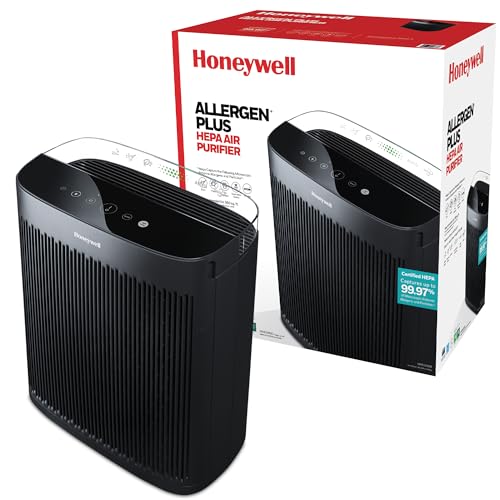
Who Should Buy a Carbon Model
A carbon purifier suits homes troubled by cooking odours, pet smells, tobacco smoke residue, or fumes from paints and new furniture. It also helps in kitchens that open into living spaces, where smells travel quickly. If your main concern is dust, pollen, or pet dander, a particle filter matters more, and carbon becomes a useful addition rather than the main event.
People with strong chemical sensitivity should treat carbon as one part of a broader plan that includes ventilation and source control. Open windows when outdoor air is clean, remove or seal strong odour sources where possible, and use the purifier to reduce what remains. No portable purifier replaces fresh air entirely.
How Activated Carbon Works
Activated carbon has a vast internal surface area created by tiny pores, and gas molecules stick to that surface as air passes through. The process is called adsorption, and it works best when air moves slowly enough for molecules to contact the carbon. Thin carbon sheets offer limited contact, while deeper carbon beds with more weight generally adsorb more before saturating.
Carbon weight and bed depth are therefore more informative than marketing claims about carbon type alone. Pelletised carbon in a canister usually holds more than a thin coated sheet, but it also adds resistance that the fan must overcome. Check whether the maker states carbon weight, and treat vague claims with caution. For particle filtration context, best air purifiers hepa explains how HEPA stages complement carbon.
Room Size, Airflow, and Noise
Room size ratings assume a stated number of air changes per hour, so compare models on the same basis. A unit rated for a large room at two air changes may suit only a medium room at the higher rate many allergy guides recommend. Measure your room, check the clean air delivery rate where given, and favour a model that can run quietly on a medium setting rather than only on high.
Noise shapes real world use more than specifications suggest. A powerful unit that is too loud for a bedroom will sit unused, while a quieter unit running steadily does more good. Place the purifier where air can circulate freely, away from walls and furniture that block intakes, and keep doors closed for faster odour reduction in a single room.
Filter Life, Costs, and Replacement
Carbon saturates, and once saturated it stops adsorbing new odours and can even release some trapped compounds. Replacement intervals vary with odour load, room size, and runtime, so treat maker intervals as estimates. Homes with smokers, pets, or frequent cooking will replace carbon more often than a lightly used bedroom unit.
Compare total filter cost over a year, not only the purchase price. Some models use combined filters that force you to replace particle and carbon stages together, while others allow separate replacement. Check filter availability before buying, since a discontinued filter can end a purifiers useful life early. For budget context, best inexpensive air purifiers and best home air purifiers help compare running costs.
Limits, Safety, and Common Mistakes
Carbon does not remove carbon monoxide, and it should never be relied on for gas safety. Homes with fuel burning appliances need proper alarms and ventilation, and any suspected gas leak needs immediate professional attention. Carbon also does not kill germs or remove all volatile compounds equally, so strong chemical exposures need source removal first.
A common mistake is running a small carbon unit in a large open plan space and expecting rapid odour removal. Another is forgetting filter changes until smells return. Note the install date, set a reminder based on use, and check the prefilter regularly, since a clogged prefilter reduces airflow through the carbon bed. For general comparisons, best air cleaners and purifiers and best carbon filter air purifiers offer broader context.
Matching Carbon to Your Main Odour Source
Different odour sources demand different carbon strategies, since cooking smells are intermittent and strong, pet odours are constant and low level, and smoke residue clings to soft furnishings long after the source is gone. A purifier that handles cooking smells well may still struggle with smoke if soft furnishings keep releasing odour, so address the source as well as the air. Clean curtains, cushions, and carpets that hold smells, and ventilate rooms after cooking before relying on filtration alone.
Chemical fumes from paints, adhesives, and new furniture present a different challenge, because they release gradually over days or weeks. Ventilation during and after painting matters more than filtration alone, and carbon helps reduce what remains once the room is aired. Choose low emission products where possible, keep new furniture in a ventilated room before moving it into a bedroom, and run the purifier steadily during the off gassing period.
Pet odour control benefits from regular cleaning routines alongside filtration, since bedding, litter areas, and soft toys hold smells that a purifier cannot reach. Wash pet bedding frequently, groom pets regularly, and clean litter areas daily where relevant. A carbon purifier then works on airborne odour rather than fighting a constant reservoir of smell in fabrics.
Reading Specifications With Care
Marketing language around carbon often hides more than it reveals, so look for concrete figures such as carbon weight, bed depth, and replacement intervals rather than vague claims about premium carbon. If a maker does not state carbon weight, treat odour claims cautiously and favour models that publish test data or detailed filter specifications. Independent reviews that weigh filters or measure odour reduction over time offer useful checks.
Airflow figures also need context, since a high maximum airflow on a noisy top speed tells you little about daily use. Check airflow and noise at medium settings, where most owners actually run purifiers for long periods. A unit that moves enough air quietly on medium will reduce odours more consistently than a louder unit that gets turned down or switched off.
Finally, check whether replacement filters are sold separately for carbon and particle stages, since combined filters force earlier replacement of whichever stage loads first. Separate stages let you replace carbon when odours return without discarding a particle filter that still has life. That flexibility lowers long term cost and keeps performance steadier across the year.
A Final Check Before You Order
Before ordering, confirm the carbon weight and filter dimensions from the maker, since vague odour claims without figures are hard to trust. Ask the seller for filter specifications if they are not published, and compare carbon weight across models at similar prices. That single figure often predicts odour performance better than marketing language about carbon types.
Also check replacement filter prices and availability for at least the next two years, since a purifier with expensive or scarce filters costs far more over time than its purchase price suggests. Note whether carbon and particle stages can be replaced separately, and set a calendar reminder for the first filter check based on your odour load and runtime.
Finally, measure the room and check noise at medium speed, since a purifier that is too loud for daily use will sit idle. Read owner feedback about fan noise and filter change indicators, looking for patterns rather than single complaints. A quiet unit with honest specifications serves daily life better than a powerful unit that proves too noisy to run.
Frequently Asked Questions
Does activated carbon remove smoke smell?
It reduces smoke odour by adsorbing many odour molecules, but it does not remove all smoke particles on its own. A combined particle and carbon filter works better for smoke, since particles carry much of the smell. Ventilate the room first where possible, clean soft furnishings that hold smoke, and replace carbon sooner in smoky homes.
How often should carbon filters be replaced?
It depends on odour load and runtime, with typical guidance ranging from a few months in heavy use to longer in light use. When odours return despite the unit running, the carbon is likely saturated. Follow maker guidance, note the install date, and check whether your model allows carbon only replacement.
Is more carbon always better?
More carbon generally adsorbs more before saturating, provided airflow still reaches it evenly. Very deep beds can increase resistance and noise if the fan is weak. Look for a balance of stated carbon weight, sensible airflow, and a fan that can run quietly at a useful speed for your room size.
Can a carbon purifier help with allergies?
Carbon helps mainly with odours and gases, not with pollen, dust, or pet dander, which need particle filtration. Allergy sufferers should prioritise a good particle filter and add carbon for odour control. Keep windows closed during high pollen periods and clean bedding and floors regularly for the best combined result.
Do carbon purifiers produce ozone?
Most carbon purifiers do not, but some models include ionisers or other stages that can produce ozone. Check the makers ozone statements and favour models that state they meet recognised low ozone limits. If you have asthma or other breathing conditions, avoid ozone generating features and talk with your clinician about suitable choices.
Final Thoughts
Choose a carbon purifier by carbon weight and bed design, room size at a realistic air change rate, and honest filter replacement costs, rather than by headline claims alone. Pair it with particle filtration where dust and allergens matter, ventilate when outdoor air is clean, and replace carbon on schedule. The product table above can help you compare filter designs, and best activated carbon air purifiers work best when expectations match what carbon can actually adsorb. If breathing symptoms persist or worsen, talk with your clinician rather than relying on a purifier alone.