
Best Acrylic Paint for Shoes: A First Time Buyer's Guide for 2026
Disclosure: We may earn a commission when you buy through links on this page, at no extra cost to you. As an Amazon Associate I earn from qualifying purchases. Learn more

Learn how to choose acrylic paint for shoes as a first time buyer, with plain guidance on flex, adhesion, coverage, finishes, prep and sealers.
Painting your own shoes sounds simple until the color cracks at the first bend or peels off the toe after one rainy walk. The best acrylic paint for shoes stays flexible after it dries, grips the surface under it, and covers in thin coats. This guide starts with the basics and walks you toward a calm first purchase using the comparison table below.
You do not need art training to get a clean result. You need the right paint type for your shoe material, patience between coats, and a finisher that protects the color outdoors. The sections below explain each choice, so you can match paint to canvas, leather or synthetic shoes.


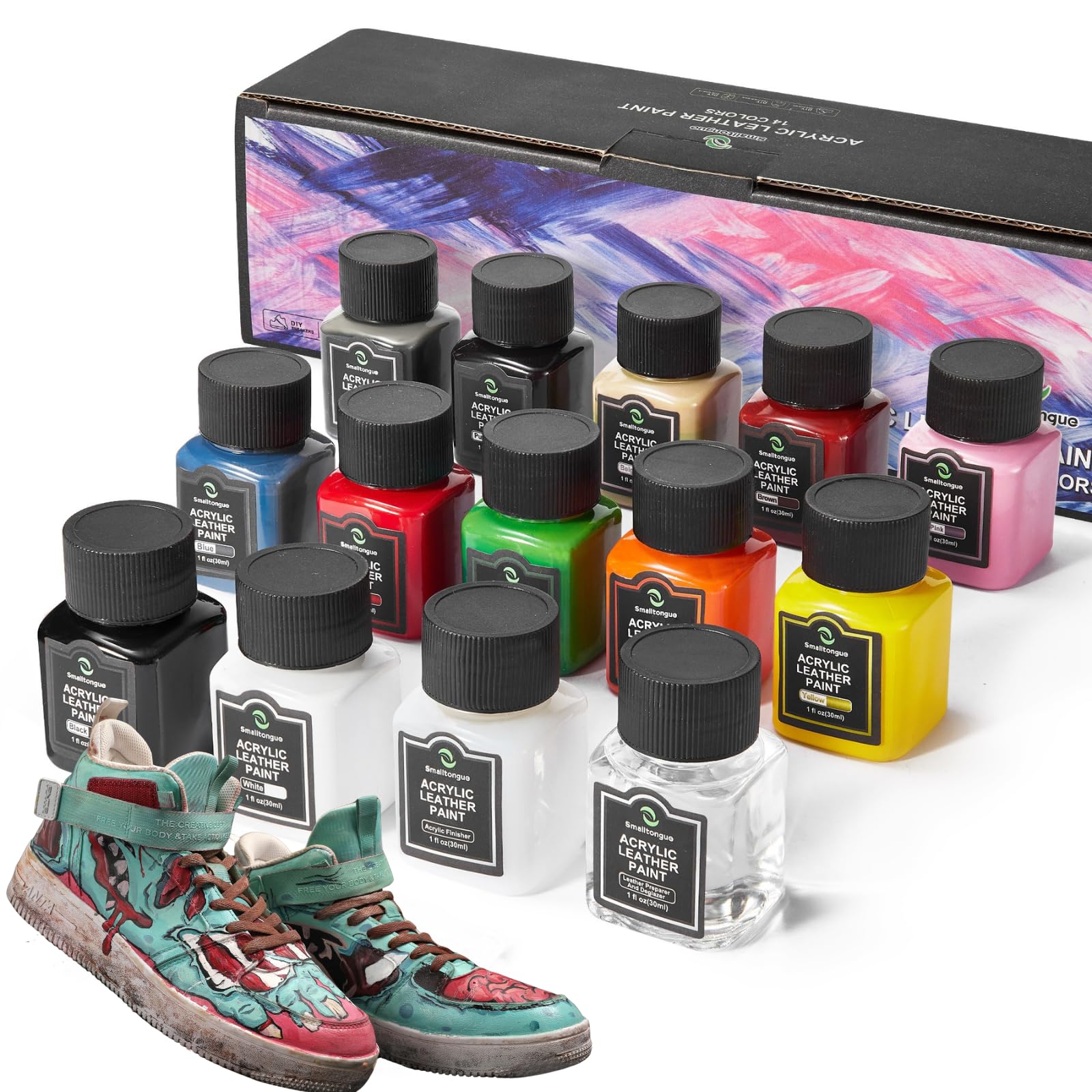


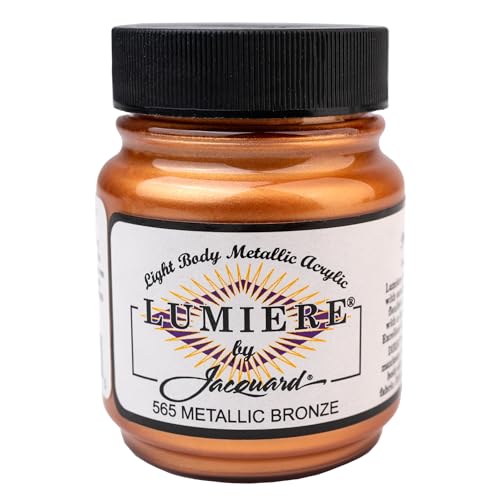
Acrylic Paints 101: The Basics for Shoe Projects
Acrylic paint is pigment held in a water based acrylic binder. While wet, you can thin it with a little water and clean brushes with soap and water. As water leaves the coat, the binder forms a film. On shoes, that film must bend as you walk, which is why paint for flexible surfaces differs from stiff craft paint meant for wood or paper.
Regular acrylic from a craft tube can look bright on day one and still fail early on shoes. It often dries hard, so the film splits where the shoe creases across the toes. Paints made for shoes add flexibility and are built to bond to common shoe materials. If you are still weighing acrylic against other paint families, see our guide to the best paint to paint shoes for that wider comparison.
Who Should Buy Acrylic Paint for Shoes?
Your shoe material and your goal should lead the purchase. Canvas, smooth leather and synthetics each ask for different prep and a slightly different paint feel.
First Time Sneaker Customizers
You want to add color blocks, lettering or simple art to a pair you already own. Choose paint made for flexible surfaces and start with core colors you can mix. If you want a ready made starting point, see our guide to the best acrylic paint sets for beginners. Brush control matters more than owning thirty shades, so save part of your budget for decent brushes and practice on an old pair first.
Crafters Who Paint Canvas Shoes
Canvas drinks in paint, so you often get strong color with less worry about peeling than on smooth leather. Choose paint with good pigment strength so one or two thin coats cover the weave without filling it in. Matte or satin finishes suit canvas well. If you sell your work, test a painted spare shoe in light rain before you promise how a pair will handle wet weather.
People Restoring Leather Shoes or Building Costumes
Smooth leather needs the most careful prep, because paint sits on the surface rather than soaking in. Choose paint known for adhesion on leather and plan on a deglazer or leather preparer before the first coat. Thin coats matter most for you, since thick paint on a flex point will wrinkle and lift. A matching finisher helps the restored color blend with the original leather sheen.
Key Features to Compare
When you compare the best acrylic paint for shoes, judge the formula before the color chart. Lasting wear comes from flex, adhesion, coverage and how the paint behaves in thin coats.
Flexibility and Crack Resistance
Flexibility is the ability of the dried film to bend with the shoe and return without splitting. Shoes crease most across the toes and beside the laces, and paint for shoes is made to stretch a little at those points. Stiff paint may survive on a firm heel panel yet crack quickly on the toe box. If a product promises only bright color and says nothing about flexible wear, treat it as craft paint.
Adhesion Across Leather, Canvas and Synthetics
Adhesion is how well the paint grips once dry, and it changes with each material. Canvas gives the film fibers to hold, so adhesion is rarely the main problem there. Smooth leather and many synthetics are slick, so the surface must be cleaned and lightly prepared or the paint can peel away in sheets.
Check that the paint names your shoe material on its label. A formula listing leather, canvas and vinyl beats one meant for fabric alone.
Opacity, Coverage and Pigment Strength
Opacity tells you how fully a coat hides the color beneath it. Strong pigment lets you cover a dark shoe with fewer coats, and fewer coats stay more flexible. Pale and neon shades usually need extra coats, so plan more time for those colors. When you compare the best acrylic paint sets, count useful core colors rather than total tubes, because strong primaries let you mix most other shades yourself.
Viscosity and Application Method
Viscosity is simply how thick or thin the paint feels as it leaves the brush. Thick paint covers well but can leave brush marks and build up at seams, while very thin paint can run into stitching and look patchy. For detail, choose smooth paint that holds a fine brush point. If you plan larger panels, see our guide to the best acrylic paint brush sets for brush shapes that lay down even coats.
Finish Options and Water Resistance
Finish is the level of shine after the paint dries, from flat matte to clear gloss, and a clear finisher coat usually sets the final look. Most shoe acrylic resists light splashes once cured, but the finisher adds scuff protection and makes dirt easier to wipe away. Choose matte for canvas, satin for an everyday sneaker look, or gloss for smooth leather that already shines. Wait until color coats feel fully dry before sealing, because trapped moisture can cloud the surface.
Getting Started: Setup and First Use for Shoe Painting
Start by removing the laces and stuffing the toes with paper so the surface stays firm while you work. Clean the shoes with a damp cloth, let them dry fully, and tape over soles, eyelets and any area you want to keep unpainted. On smooth leather, wipe on the preparer or deglazer the paint maker suggests.
Begin with a very thin first coat, even if the color looks patchy and pale. Let it dry until it no longer feels tacky, then add thin coats until the color looks even, often two to four coats in total. Leave the finished pair to cure for at least a full day before wearing them.
Rookie Mistakes to Avoid
Most failed paint jobs trace back to a short list of habits.
- Skipping surface prep on smooth leather lets the color peel away in flakes within the first few wears.
- Loading the brush with thick paint builds a stiff layer that cracks at the toe crease.
- Wearing the shoes before the paint has cured presses seams and dirt into a still soft film.
- Painting over dust, oils or old loose finish traps weak layers under fresh color and shortens the job life.
- Skipping the finisher leaves the color open to scuffs, fading and water marks.
Care and Maintenance for Painted Shoes
Wipe painted shoes with a soft damp cloth and mild soap, and let them air dry away from radiators and direct heat. Avoid soaking the pair or scrubbing the design with stiff brushes, because friction can dull the finisher and lift edges at seams. Store the shoes where air can move around them.
Close paint jars tightly right after use so the surface does not skin over in the pot. Keep paints at room temperature and out of frost, because frozen acrylic can turn grainy and lose its smooth flow. If a dried edge lifts, trim the loose flake, clean the spot and touch it in with thin coats rather than painting over the flap.
Acrylic Paints for Shoes: Your Questions Answered
What features matter most in acrylic paints for shoes?
Flexibility and adhesion matter most, because a beautiful color still fails if it cracks or peels. After those two, look at coverage so you can work in thin coats. One point many first time buyers miss is system support. A paint line that also offers its own preparer and finisher removes guesswork about whether the layers will bond together.
Does acrylic paint on shoes wash off in rain?
No, cured acrylic paint sealed with a finisher does not simply wash off in rain. The bigger risk is water soaking in through unpainted fabric or seams and loosening the film from beneath. After a wet outing, stuff the shoes with paper and let them dry at room temperature. Never use a tumble dryer, because heat can soften the finisher.
Are expensive acrylic paints for shoes worth the extra cost?
Yes, spending more can be worth it when the extra cost buys stronger pigment and a more flexible film. The price gap also shrinks in practice, because one small bottle often covers several pairs in thin coats. Budget paint still makes sense for practice pairs and bold designs on canvas. Save better formulas for leather.
How long does acrylic paint on shoes take to dry and cure before wearing?
A thin coat of acrylic paint on shoes often feels dry to the touch within about 30 to 60 minutes, but curing takes much longer. Give the finished pair at least a full day, and two days in humid weather, before real wear. Press a clean fingertip on a hidden painted spot, and wait longer if it feels cool or tacky.
How many coats of acrylic paint do shoes usually need?
Most shoe colors look even after two to four thin coats. Dark paint over a light shoe sits at the low end of that range, while light paint over a dark shoe sits at the high end. For a big color change, a pale base coat first can save you several extra coats. Stop once coverage looks even under daylight, because extra coats only add stiffness.
Wrapping Up
Start simple: pick paint made to flex, prepare your shoe material with care, and work in thin coats with a finisher on top. Those three habits matter more than a huge color box for your first pair. Check finishes and set contents in the product table above before you order. When you choose the best acrylic paint for shoes for your material, your first custom pair can stay bright through real wear.


